

Are you looking for a way to boost your cat’s health and energy? Raw cat food might be the answer you’ve been searching for.
Feeding your cat a natural, nutrient-packed diet can make a big difference in their coat, digestion, and overall happiness. But how do you choose the right raw food, and is it really safe? Keep reading to discover everything you need to know to give your furry friend the best nutrition possible.
Benefits Of Raw Cat Food
Choosing raw cat food can bring noticeable benefits to your feline friend’s overall well-being. Many cat owners notice significant changes after switching to a raw diet, from how their cats digest food to their energy levels throughout the day. If you want your cat to feel and look their best, understanding these benefits can help you make informed decisions about their diet.
Improved Digestion
Raw cat food closely mimics what cats naturally eat in the wild, which can lead to better digestion. Cats often have fewer digestive issues like vomiting or diarrhea when fed raw, as the food is free from artificial fillers and preservatives.
Have you observed your cat struggling with digestion on commercial dry food? Switching to raw might reduce those discomforts and support a healthier gut.
Healthier Coat And Skin
Many cat owners report shinier coats and softer skin after introducing raw food. The natural fats and oils in raw meat provide essential nutrients that dry kibble often lacks.
Essential fatty acids, like omega-3 and omega-6, found in raw diets help combat dryness and flakiness, giving your cat a sleek, healthy look that’s hard to ignore.
Increased Energy Levels
Raw food can boost your cat’s energy because it’s rich in protein and moisture, which promotes better hydration and muscle strength. Cats on raw diets often show more playful and active behavior.
Have you noticed your cat napping more than playing? A diet change to raw might renew their natural curiosity and energy.
Stronger Immune System
Feeding raw can strengthen your cat’s immune system by providing vital nutrients in their most natural form. Vitamins, minerals, and enzymes in raw food support the body’s defenses more effectively than heavily processed food.
This means your cat may fight off illnesses better and recover faster. Isn’t it worth considering a diet that helps your furry friend stay healthier year-round?
Credit: www.petfood.express
Key Ingredients In Raw Diets
Raw cat food diets focus on natural, whole ingredients that mimic a cat’s natural prey. These diets provide vital nutrients in their most natural form. Understanding the key components helps pet owners make smart choices. Each ingredient plays a unique role in a cat’s health and wellbeing.
Meat And Muscle
Muscle meat forms the bulk of a raw diet. It offers high-quality protein for strong muscles and energy. Common options include chicken, turkey, rabbit, and beef. Fresh, lean cuts work best to support overall health. Cats need protein to maintain their agility and vitality.
Organs And Bones
Organs provide essential vitamins and minerals not found in muscle meat. Liver is rich in vitamin A and iron. Kidneys and heart supply important nutrients like taurine and B vitamins. Raw bones supply calcium and phosphorus, vital for strong teeth and bones. Always use edible, safe bones to avoid choking risks.
Essential Nutrients
Cats need specific nutrients to thrive. Taurine is crucial for heart and eye health. Fatty acids like omega-3 support skin and coat condition. Vitamins A, D, and E aid immune function and growth. Amino acids from protein help repair tissues and keep organs healthy.
Supplements And Additives
Some raw diets include supplements to balance nutrition. Fish oil boosts omega-3 levels. Kelp or seaweed powder adds iodine and trace minerals. Probiotics promote healthy digestion. Vitamin E and zinc may be added for extra antioxidant support. Supplements fill gaps that whole foods might miss.
Transitioning To Raw Food
Switching your cat to a raw food diet requires care and patience. Cats need time to adjust to new flavors and textures. A smooth transition helps avoid digestive issues and stress. Observe your cat closely to ensure they accept the change well.
Gradual Introduction Tips
- Start by mixing a small amount of raw food with their current diet.
- Increase the raw portion slowly over 7 to 14 days.
- Offer raw food at room temperature to enhance smell and taste.
- Introduce one protein source at a time to monitor preferences.
- Keep fresh water available at all times.
Monitoring Cat’s Response
Watch for changes in appetite and energy levels. Check stool consistency daily. A healthy transition keeps stools firm and regular. Note any vomiting or diarrhea and adjust the diet accordingly. Observe your cat’s mood and activity for signs of discomfort.
Common Challenges
- Refusal to eat new food initially.
- Digestive upset like loose stools or gas.
- Difficulty in sourcing quality raw ingredients.
- Time needed for preparation and cleaning.
- Risk of bacterial contamination if not handled properly.

Credit: www.darwinspet.com
Safety And Hygiene
Feeding your cat raw food needs careful attention to safety and hygiene. Raw meat can carry bacteria harmful to pets and humans. Proper handling and storage keep your cat healthy and your home safe.
Handling Raw Meat
Wash your hands with soap and warm water before and after touching raw meat. Use separate cutting boards and utensils for raw food. Avoid cross-contamination by cleaning all surfaces thoroughly. Wear disposable gloves if possible to add protection.
Preventing Bacterial Contamination
- Keep raw meat away from cooked food and ready-to-eat items.
- Disinfect kitchen counters and utensils after use.
- Clean pet bowls after each meal with hot, soapy water.
- Discard any leftover raw food within two hours to prevent bacteria growth.
Storage Guidelines
| Storage Method | Temperature | Time Limit |
|---|---|---|
| Refrigerator | Below 40°F (4°C) | 1-2 days |
| Freezer | 0°F (-18°C) or lower | Up to 3 months |
Label raw food packages with date and type of meat. Thaw frozen raw food in the fridge, not on the countertop. Use thawed food within 24 hours to keep it fresh and safe.
Homemade Vs Commercial Raw Food
Deciding between homemade and commercial raw cat food can be tricky. Both options have unique benefits and challenges that affect your cat’s health, your time, and your budget. Understanding these differences helps you make the best choice for your furry friend.
Pros And Cons Of Homemade Meals
Making raw cat food at home gives you full control over the ingredients. You know exactly what goes into each meal, which can be reassuring if your cat has allergies or specific dietary needs.
However, preparing balanced meals requires knowledge and time. Missing key nutrients can harm your cat’s health. Also, sourcing fresh and safe ingredients daily can be a hassle.
Are you ready to commit to the careful planning and effort homemade meals demand? Many pet owners find the process rewarding but challenging.
Choosing Quality Commercial Brands
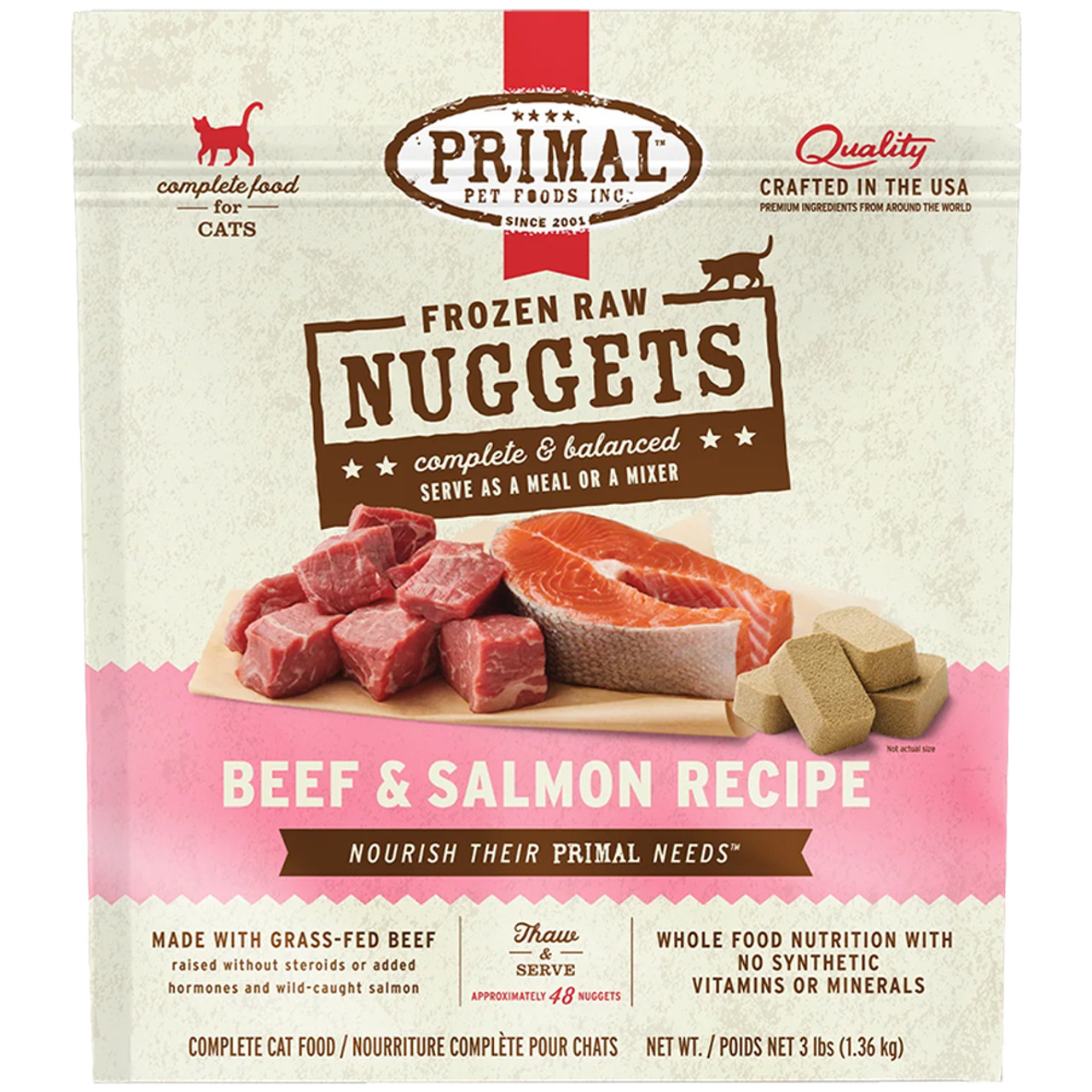
Commercial raw cat food offers convenience and consistency. Reputable brands balance nutrients based on feline dietary requirements, making it easier for you to feed your cat safely.
Look for brands that provide transparency about sourcing and ingredient quality. Certifications, customer reviews, and veterinary endorsements can guide your choice.
Beware of cheaper options that may use fillers or low-quality meat. Your cat’s health depends on the food quality, so don’t compromise on this.
Cost Considerations
Homemade raw food can be cost-effective if you buy ingredients in bulk and cook efficiently. However, the upfront investment in supplements and time adds up.
Commercial raw food often costs more per serving but saves you time and reduces the risk of nutritional mistakes. Think about how much your time and peace of mind are worth.
Have you calculated the total cost, including your time and effort, before choosing your feeding method? This calculation can change your perspective on what’s truly affordable.

Credit: www.amazon.com
Myths And Facts About Raw Feeding
Raw feeding for cats often sparks many questions and doubts. Myths spread easily, confusing pet owners about its safety and benefits. Understanding the truth helps make better choices for your cat’s diet.
Debunking Common Misconceptions
Many believe raw food causes infections. Proper handling and hygiene reduce risks significantly. Some say cats cannot digest raw meat well. Cats are natural carnivores with strong stomach acids that break down raw proteins and bones. Others worry about nutritional balance. A well-planned raw diet covers all essential nutrients. Not all raw diets are equal; quality matters.
Scientific Evidence Supporting Raw Diets
Studies show raw diets can improve coat health and energy. Research points to better dental health and smaller stool volume. Raw feeding often reduces allergies and digestive issues. Many cats show increased appetite and enthusiasm for meals. Experts emphasize the importance of balanced recipes and safe preparation. Science supports raw feeding as a valid option for cats.
Signs Your Cat Thrives On Raw Food
Switching your cat to a raw food diet can bring noticeable changes that show your pet is truly benefiting. Watching for specific signs helps you understand if this diet fits your cat’s unique needs. These signals come in different forms—from behavior to health and even what your vet notices during checkups.
Behavioral Changes
Have you noticed your cat seems more energetic or playful since the diet change? Cats thriving on raw food often display increased alertness and curiosity. They might also show less begging or food obsession because they feel satisfied with their meals.
Pay attention to their grooming habits too. A cat feeling good inside often grooms more regularly and thoroughly, which means they are comfortable and happy. Does your cat seem calmer or more confident around you and other pets?
Physical Health Indicators
Look at your cat’s coat and skin. A shiny, smooth coat usually signals good nutrition and hydration. Raw food diets rich in natural oils often improve fur texture and reduce dandruff or dryness.
Check their weight and muscle tone. Cats on raw diets often maintain a healthy weight without extra effort and have firm, well-defined muscles. Also, note any changes in stool quality—firmer and less smelly waste is a good sign their digestion is working well.
Veterinary Feedback
Your vet’s observations are crucial. During checkups, vets may notice improved dental health due to raw food’s natural texture helping to clean teeth. Blood tests might show better nutrient levels and overall vitality.
Share your cat’s diet details with your vet and ask specific questions about changes in lab results or physical exams. Does your vet mention fewer health issues or a stronger immune response? This professional insight confirms if the raw diet is supporting your cat’s well-being.
Frequently Asked Questions
What Is Raw Cat Food Made Of?
Raw cat food consists of uncooked meat, bones, and organs. It mimics a cat’s natural diet in the wild, providing essential nutrients and enzymes.
Is Raw Cat Food Safe For My Pet?
Yes, if handled properly. Use fresh ingredients, maintain hygiene, and consult a vet to avoid bacterial contamination risks.
What Are The Benefits Of Raw Cat Food?
Raw cat food improves digestion, enhances coat quality, and boosts energy. It offers a natural nutrient balance and supports overall health.
Can All Cats Eat Raw Food Diets?
Most cats can, but some may have allergies or health issues. Always consult your vet before switching to raw food.
Conclusion
Raw cat food can offer many benefits for your pet’s health. It provides natural nutrients that support strong muscles and shiny fur. Feeding raw requires care and cleanliness to keep your cat safe. Always choose fresh, high-quality ingredients for the best results.
Talk to your vet before making any diet changes. Your cat’s well-being should come first. Raw feeding is a choice that can suit some cats well. Watch your pet closely and adjust the diet as needed. A happy, healthy cat makes every effort worth it.
