

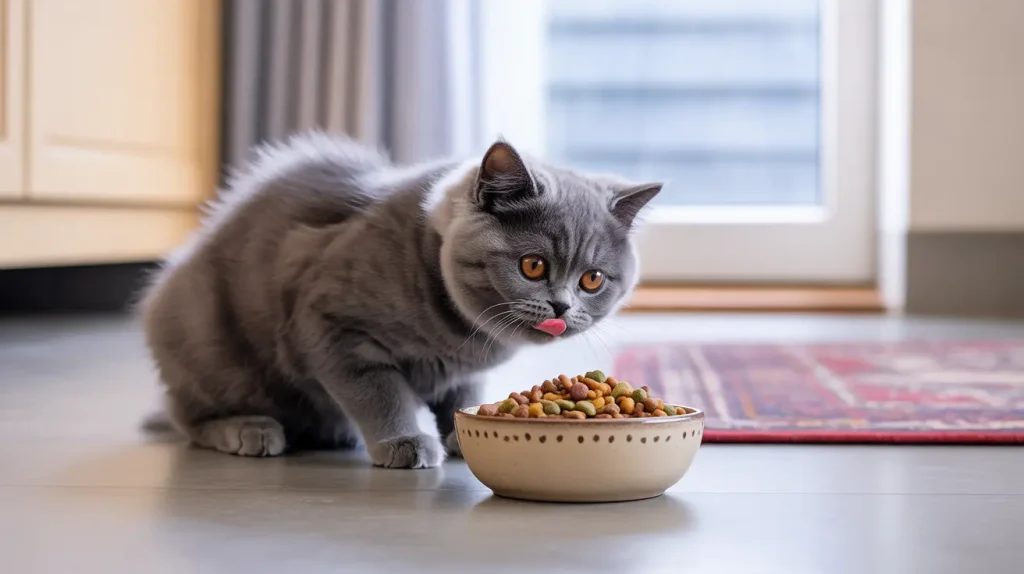
Are you wondering if your older cat can safely eat kitten food? It’s a common question many cat owners have, especially when their furry friend seems interested in the little one’s meals.
You want to give your cat the best nutrition, but is kitten food the right choice for an older cat’s health? Keep reading to discover the surprising facts about feeding older cats kitten food and what you should really be offering your beloved pet.
Your cat’s well-being depends on it!
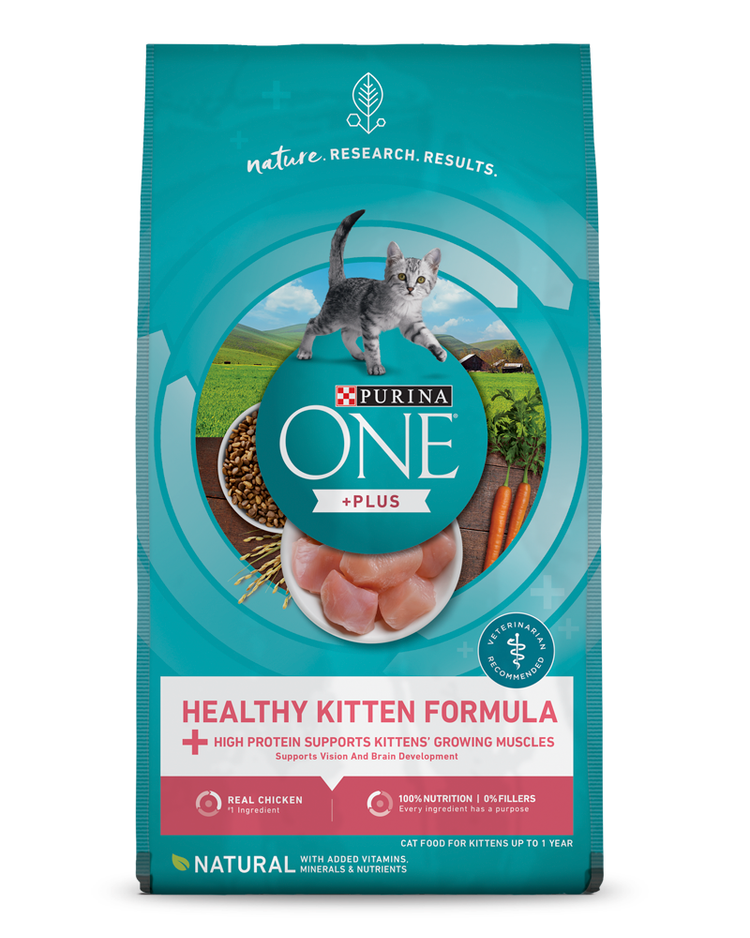
Credit: www.purina.com
Nutritional Needs Of Older Cats
Older cats need special nutrition to stay healthy and active. Their bodies change with age, affecting how they use energy and nutrients. Feeding them the right food supports their immune system, muscles, and overall well-being. Understanding these needs helps in choosing the best diet.
Energy Requirements
Older cats usually need fewer calories than younger ones. Their activity levels drop, so excess calories can cause weight gain. Maintaining a healthy weight is vital to avoid stress on joints and organs. Balanced energy intake keeps cats fit without overfeeding.
Protein And Fat Considerations
Protein is essential for maintaining muscle mass in older cats. Their bodies may absorb protein less efficiently, so high-quality sources are important. Fat provides energy and helps with vitamin absorption. However, too much fat can lead to obesity. A moderate amount of healthy fats supports skin and coat health.
Common Health Issues
Older cats face health challenges like kidney disease, arthritis, and dental problems. Diet plays a role in managing these conditions. Lower phosphorus levels can help kidney health. Soft food may ease eating for cats with dental pain. Nutrients like omega-3 fatty acids reduce inflammation and support joint health.
Kitten Food Composition
Understanding the composition of kitten food is essential before deciding if it’s appropriate for your older cat. Kitten food is specially formulated to support rapid growth and development during the early months. This means it contains a different balance of calories, nutrients, and ingredients compared to adult cat food.
High Calories And Nutrients
Kitten food packs a significant amount of calories in each serving to fuel their fast-growing bodies. It includes higher levels of protein and fat, which help kittens build muscle and maintain energy.
For an older cat, this calorie density could lead to unwanted weight gain if not monitored carefully. Have you noticed how your cat’s activity levels differ from when they were younger? That’s a key factor to consider.
Ingredients Breakdown
Kitten food often contains ingredients like chicken, fish, or turkey as primary protein sources. These ingredients support healthy brain development and strong muscles.
Besides proteins, kitten food usually has added vitamins like A, D, and E, plus minerals such as calcium and phosphorus for bone growth. You might wonder if these extra nutrients are necessary for a senior cat whose growth phase is over.
Suitability For Growth
The nutrients in kitten food are tailored specifically to support growth, immune system development, and organ function in young cats. Older cats do not need this high level of supplementation and may face health issues if fed kitten food long-term.
Think about your cat’s current health status and nutritional needs before making the switch. Could feeding kitten food disrupt their balanced diet and cause problems like obesity or digestive upset?
Comparing Kitten And Senior Cat Food
Kitten and senior cat foods serve very different purposes. Each type supports specific life stages and their unique needs. Understanding their differences helps in choosing the right diet for your cat’s age and health.
Kitten food supports growth and development. Senior cat food focuses on maintaining health and managing aging issues. Comparing these foods reveals why feeding older cats kitten food might not be ideal.
Caloric Differences
Kitten food contains higher calories for energy and growth. Kittens need more fuel for their active, developing bodies. Senior cat food usually has fewer calories to prevent weight gain. Older cats tend to be less active, so lower calories help maintain a healthy weight.
Vitamin And Mineral Content
Kitten food is rich in vitamins and minerals for bone and brain development. It often has extra calcium, phosphorus, and DHA. Senior cat food has adjusted levels to support aging organs. It may include antioxidants and joint-supporting nutrients to improve quality of life.
Digestibility Factors
Kitten food uses ingredients that support fast digestion for growing cats. Senior cat food often contains more fiber and easily digestible proteins. Older cats may have weaker digestion, so senior diets are gentler on the stomach. This difference helps prevent digestive upset and supports nutrient absorption.
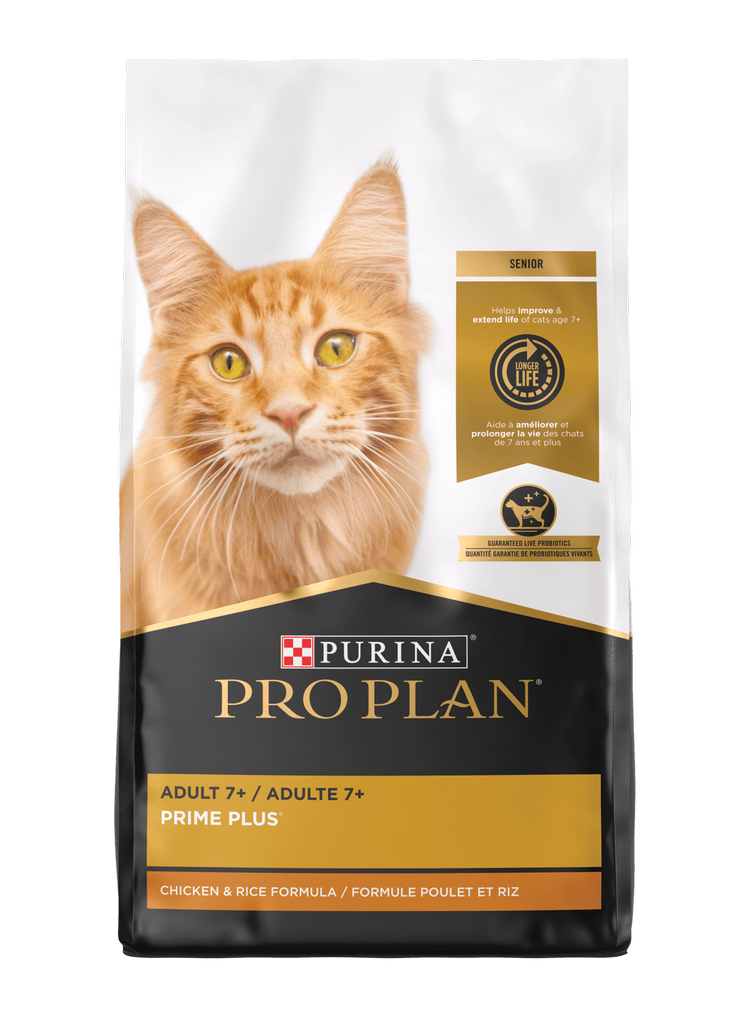
Credit: www.purina.com
Potential Risks Of Feeding Kitten Food To Older Cats
Feeding kitten food to older cats can cause several health problems. Kitten food is designed for growing cats and has more calories and nutrients. Older cats have different dietary needs. Giving them kitten food regularly may lead to unwanted effects. Understanding these risks helps keep your cat healthy and happy.
Weight Gain And Obesity
Kitten food contains extra calories to support growth. Older cats do not need this much energy. Eating kitten food can make them gain weight quickly. Excess weight leads to obesity, which causes many health issues. Joint pain and reduced mobility are common in overweight cats.
Kidney And Liver Impact
Older cats often have weaker kidneys and livers. Kitten food is rich in protein and fat. This can strain these organs and cause damage over time. Too much protein may worsen existing kidney problems. Liver function can also decline with the wrong diet.
Digestive Issues
Kitten food has different ingredients and nutrient levels. Older cats may find it hard to digest. This can cause stomach upset, vomiting, or diarrhea. A sudden change to kitten food may increase digestive problems. Older cats need food that supports gentle digestion.
When Kitten Food Might Be Appropriate
Older cats usually need different nutrition than kittens. Kitten food has more calories and nutrients to support growth. Still, some senior cats might benefit from kitten food for specific reasons. This section explains when kitten food might be suitable for older cats.
Underweight Senior Cats
Some senior cats lose weight due to age or health issues. Kitten food can help these cats gain weight. It has extra calories and protein to support muscle and energy needs. Feeding kitten food to underweight older cats may improve their strength and vitality.
Recovery From Illness
Cats recovering from illness or surgery need more nutrients to heal. Kitten food offers essential vitamins and minerals that speed recovery. Its rich content helps rebuild tissues and boosts the immune system. Offering kitten food during recovery can support faster healing in older cats.
Veterinary Recommendations
Veterinarians sometimes suggest kitten food for older cats. This advice depends on the cat’s health and nutritional needs. Always follow the vet’s guidance before changing your cat’s diet. Their professional opinion ensures the cat gets proper care and nutrition.
Alternatives To Kitten Food For Older Cats
Older cats have different nutritional needs than kittens. Kitten food is rich in calories and protein, which might be too much for senior cats. Choosing the right diet can help maintain their health and energy. There are several alternatives to kitten food designed specifically for aging cats.
Specialized Senior Cat Diets
Senior cat diets have balanced nutrients tailored for older cats. These foods support joint health and kidney function. They often contain less fat and calories to prevent weight gain. Many brands offer wet and dry options for picky eaters. Ingredients focus on easy digestion and immune support.
Homemade Meal Options
Homemade meals give control over ingredients and freshness. Use lean meats like chicken or turkey, cooked well. Add small amounts of vegetables like carrots or peas. Avoid harmful foods such as onions, garlic, and spices. Consult a vet to ensure balanced nutrition and portion size.
Supplements For Aging Cats
Supplements can improve senior cat health alongside their diet. Omega-3 fatty acids help with arthritis and coat condition. Probiotics support digestion and gut health. Vitamins like B12 and E boost energy and immunity. Always check with a vet before adding supplements to their routine.
Tips For Transitioning Cat Food
Changing your cat’s food needs care and patience. Sudden switches can upset their stomach. Follow these tips to make the process smooth and safe. Watch your cat’s reactions closely to ensure comfort and health.
Gradual Change Approach
Mix the new food with the old food slowly. Start with 25% new food and 75% old food. Increase the new food amount every few days. This helps your cat adjust to the taste and texture. The full change should take about one week.
Monitoring Health And Behavior
Check your cat’s appetite and energy daily. Look for signs of upset stomach, like vomiting or diarrhea. Notice any changes in litter box habits. If your cat seems stressed or refuses to eat, slow the transition. Keep a close eye on their mood and activity levels.
Consulting A Veterinarian
Speak with a vet before changing your cat’s diet. A professional can recommend the best food for your cat’s age. Ask about any special health needs or allergies. Get advice on how to switch foods safely. Your vet can guide you through tricky transitions.

Credit: www.reddit.com
Frequently Asked Questions
Can Older Cats Safely Eat Kitten Food?
Older cats can eat kitten food occasionally, but it lacks balanced nutrients for adults. Kitten food is higher in calories and protein, which may cause weight gain or digestive upset in senior cats if fed long-term.
What Are The Risks Of Feeding Older Cats Kitten Food?
Feeding older cats kitten food regularly can lead to obesity and kidney strain. The extra calories and rich nutrients are designed for growth, not maintenance, which might harm aging cats over time.
When Is It Okay To Feed Kitten Food To Older Cats?
It’s okay to feed kitten food to older cats during recovery or illness. Extra calories and nutrients help regain strength, but consult your vet for proper diet guidance to avoid long-term issues.
How Does Kitten Food Differ From Adult Cat Food?
Kitten food contains more protein, fat, and calories to support growth. Adult cat food has balanced nutrients for maintenance, including controlled calorie levels to prevent obesity in mature cats.
Conclusion
Choosing the right diet for your older cat is crucial. Kitten food often contains more protein and calories. This might not suit older cats. Consult with your vet for personalized advice. A balanced diet supports your cat’s health and longevity.
Always prioritize your pet’s specific needs and preferences. Monitor your cat’s reaction to any diet changes. Watch for any signs of discomfort or allergies. Remember, a healthy diet leads to a happy cat. Keep their bowl filled with love and nutrition.
Your furry friend will thank you for it.
