

Are you wondering what’s best to feed your playful kitten? Choosing the right wet cat food can make a huge difference in your kitten’s growth and happiness.
Wet food not only tastes great but also provides essential nutrients and hydration that your little furball needs. If you want to give your kitten a healthy start and keep them purring with joy, keep reading. This guide will help you discover the benefits of wet cat food and how to pick the perfect option for your kitten’s unique needs.
Why Wet Food Matters
Choosing the right food for your kitten is more than just picking a flavor they like. Wet cat food plays a crucial role in supporting your kitten’s growth and well-being. It offers benefits that dry food alone can’t provide, especially during those early, delicate months.
Hydration Benefits
Kittens need plenty of fluids, and wet food helps keep them hydrated naturally. Unlike dry kibble, wet food contains up to 80% moisture, which supports kidney health and prevents urinary issues.
Have you noticed how some kittens drink very little water? Wet food can fill that gap, ensuring your kitten stays hydrated without forcing extra water intake.
Easier Digestion
Wet food is softer and gentler on your kitten’s developing digestive system. It breaks down more easily, reducing the risk of stomach upset and helping your kitten absorb nutrients better.
This is especially important if your kitten is transitioning from mother’s milk or has a sensitive tummy. Feeding wet food can make that adjustment smoother and less stressful.
Taste Appeal For Kittens
Kittens are picky eaters and often prefer the strong aroma and texture of wet food. Its rich taste encourages them to eat more, ensuring they get enough nutrition to grow strong.
If your kitten seems uninterested in food, switching to wet options might spark their appetite and keep mealtime exciting. Isn’t it worth trying to see if they eat better with wet food?
Credit: www.purina.com
Key Nutrients In Wet Food
Wet cat food for kittens contains many important nutrients. These nutrients help kittens grow strong and healthy. Each nutrient plays a special role in their development. Understanding these key nutrients helps you choose the best food for your kitten.
Proteins And Amino Acids
Proteins are the building blocks of a kitten’s body. They help build muscles, skin, and fur. Amino acids, found in proteins, support many body functions. Taurine is an essential amino acid for kittens. It keeps their heart and eyes healthy. High-quality wet food contains enough protein and amino acids for growth.
Fats For Energy
Fats provide energy for active kittens. They also help absorb vitamins like A, D, E, and K. Omega-3 and Omega-6 fatty acids support brain and eye development. Healthy fats keep a kitten’s coat soft and shiny. Wet food with balanced fat helps kittens stay energetic and healthy.
Vitamins And Minerals
Vitamins and minerals are vital for many body functions. Vitamin A helps vision and immune health. B vitamins support metabolism and energy production. Calcium and phosphorus build strong bones and teeth. Zinc and iron aid growth and keep the blood healthy. Wet cat food is often enriched with these important nutrients.
Choosing The Right Wet Food
Choosing the right wet food for kittens is essential for their growth and health. Wet food helps keep kittens hydrated and provides nutrients for strong muscles and a shiny coat. Selecting the best option requires attention to details like age, ingredients, and dietary needs.
Age-appropriate Formulas
Kittens need food made just for their age. These formulas have the right balance of protein, fat, and vitamins. They support fast growth and brain development. Avoid adult cat food as it lacks nutrients kittens need. Look for labels that say “for kittens” or “growth stage.”
Grain-free Vs. Grain-inclusive
Some wet foods have grains like rice or oats, while others do not. Grain-free options suit kittens with sensitive stomachs or allergies. Grain-inclusive foods can provide extra fiber and energy. Observe your kitten’s digestion to find what works best. Both types can be healthy if the recipe is complete and balanced.
Reading Ingredient Lists
Ingredients reveal the food’s quality. The first few ingredients matter most. Look for real meat or fish as the top ingredient. Avoid foods with too many fillers like corn or soy. Check for added vitamins and minerals. Avoid artificial colors, flavors, or preservatives. Clear, simple lists often mean better food.

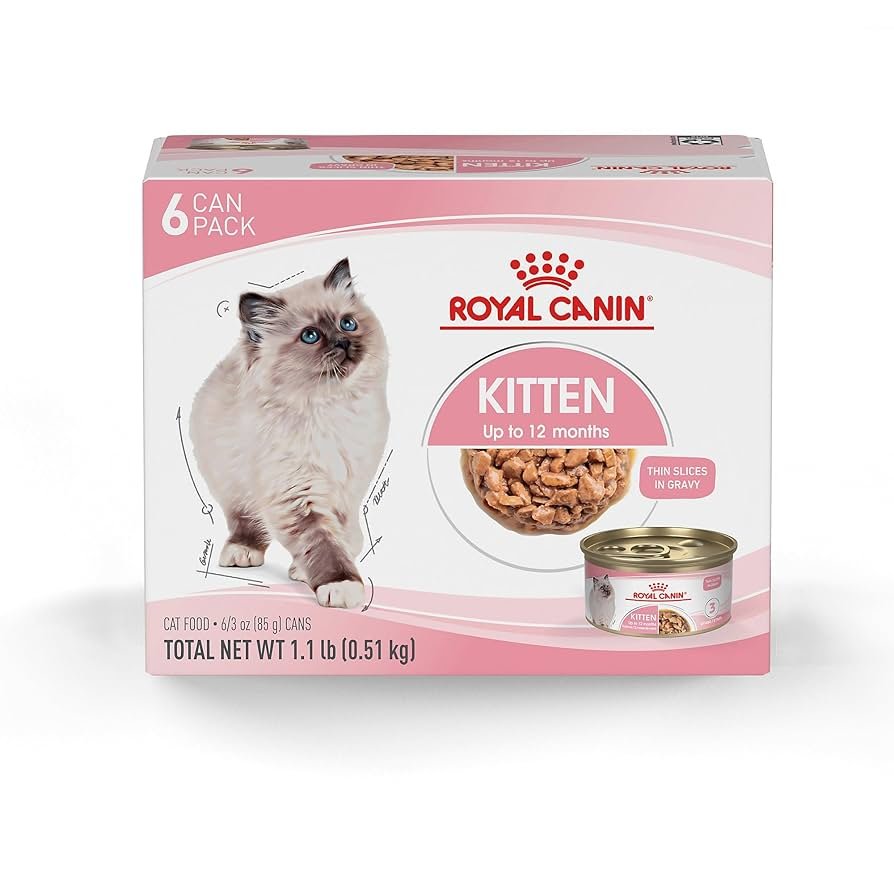
Credit: www.amazon.com
Feeding Guidelines For Kittens
Feeding your kitten wet food properly is crucial for their growth and health. Understanding the right amounts, timing, and how to switch from milk can make a big difference in their development. Let’s break down the feeding guidelines to help you support your kitten’s needs effectively.
Portion Sizes By Age
Kittens need different portion sizes as they grow. At 4 to 8 weeks old, they usually eat about 3 to 4 small meals daily, with each portion around 1 to 2 tablespoons of wet food. Between 8 to 12 weeks, increase to 4 to 5 meals, with 2 to 3 tablespoons per feeding.
From 3 to 6 months, kittens should have 3 meals daily, with portions increasing to 3 to 4 tablespoons each. Keep an eye on their weight and energy levels to adjust amounts. Overfeeding can lead to obesity, while underfeeding slows their growth.
Feeding Frequency
Kittens have small stomachs and fast metabolisms, so frequent feeding is essential. Younger kittens need more meals—up to 5 times a day—to maintain energy. As they grow, you can reduce the frequency to 3 meals a day.
Are you noticing your kitten seems hungry between meals? Try dividing their daily portion into smaller, more frequent servings. This keeps their energy steady and helps prevent digestive issues.
Transitioning From Milk To Wet Food
Switching from milk to wet food should be gradual. Start offering a small amount of wet food mixed with kitten formula around 4 weeks old. This mix helps them get used to new textures and flavors.
Over the next 2 to 3 weeks, slowly increase the wet food and reduce the formula until they’re eating wet food alone. If your kitten refuses the new food, try warming it slightly or mixing in a bit of tuna juice to spark interest. Patience during this phase is key to successful feeding habits.
Common Wet Food Ingredients To Avoid
Choosing the right wet cat food for kittens means avoiding harmful ingredients. Some common additives can affect your kitten’s health and growth. Knowing these ingredients helps you pick safer options.
Artificial Additives
Artificial colors, flavors, and preservatives add no nutrition. They can cause allergies or digestive problems. Avoid foods with ingredients like BHA, BHT, or ethoxyquin.
Fillers And By-products
Fillers like corn, wheat, and soy provide little value. By-products may include low-quality animal parts. These ingredients lower the food’s overall quality and nutrition.
Excessive Salt And Sugar
Too much salt can harm a kitten’s kidneys. Sugar adds unnecessary calories and can cause obesity. Always check labels and avoid foods high in salt or sugar.
Homemade Vs. Commercial Wet Food
Deciding between homemade and commercial wet cat food for kittens is important. Each choice offers unique benefits and challenges. Understanding these can help meet your kitten’s nutritional needs and support healthy growth.
Homemade meals allow control over ingredients and freshness. Commercial wet food offers convenience and balanced nutrition. Let’s explore both options carefully.
Pros And Cons Of Homemade Meals
- Pros:You know exactly what goes in the food.
- Pros:Fresh ingredients can be used daily.
- Pros:Customizable to suit specific health needs.
- Cons:Time-consuming to prepare regularly.
- Cons:Risk of missing essential nutrients.
- Cons:Needs knowledge of kitten nutrition.
Safety Tips For Homemade Food
- Use fresh, high-quality ingredients only.
- Cook meat thoroughly to kill bacteria.
- Avoid toxic foods like onions and garlic.
- Consult a vet for recipes and supplements.
- Store food properly to prevent spoilage.
When To Choose Commercial Options
- Need a quick and easy feeding solution.
- Require balanced nutrition with vitamins and minerals.
- Have a busy schedule with little prep time.
- Want consistent quality and safety standards.
- Prefer long shelf life and easy storage.
Storing And Serving Wet Food
Storing and serving wet cat food for kittens needs care to keep the food fresh and safe. Proper handling helps maintain taste and nutrition. It also prevents waste and illness. Follow simple steps to store and serve wet food correctly.
Proper Storage Techniques
- Keep unopened cans in a cool, dry place away from sunlight.
- After opening, cover leftover food with a plastic lid or wrap tightly with plastic wrap.
- Store opened wet food in the refrigerator at 4°C (39°F) or below.
- Use a clean container if transferring food from the original can.
- Feed kittens within 24 hours of opening to ensure freshness.
Serving Temperature Tips
- Serve wet food at room temperature for best taste and smell.
- Cold food from the fridge can be warmed slightly by placing the bowl in warm water for a few minutes.
- Do not microwave food, as it can create hot spots and harm your kitten.
- Test the food temperature with your finger before serving to avoid burns.
Preventing Food Spoilage
- Do not leave wet food out for more than two hours.
- Clean the feeding bowl after each meal to avoid bacteria buildup.
- Check for bad smell or color changes before feeding.
- Discard any food left uneaten after serving time.
- Always wash hands before and after handling wet cat food.

Credit: www.amazon.com
Signs Of Good Nutrition In Kittens
Good nutrition is vital for kittens to grow strong and healthy. It affects their overall well-being and development. Recognizing the signs of proper nutrition helps ensure your kitten thrives.
Healthy Coat And Skin
A shiny, soft coat shows your kitten gets enough nutrients. Skin should be smooth without redness or dryness. Wet cat food rich in essential fatty acids supports healthy skin and fur.
Energy Levels
Kittens need energy to play and explore. High energy levels indicate they receive proper calories and nutrients. Low energy or lethargy might mean poor nutrition or health issues.
Growth Milestones
Steady weight gain and size growth show good nutrition. Kittens should meet age-related milestones for weight and height. Balanced wet food helps them develop bones and muscles properly.
Frequently Asked Questions
What Are The Benefits Of Wet Cat Food For Kittens?
Wet cat food provides essential moisture for kittens, supporting hydration and urinary health. It’s easier to chew and digest, offering balanced nutrition with high protein and fat to fuel their growth and energy needs.
How Often Should Kittens Eat Wet Cat Food Daily?
Kittens should eat wet cat food 3 to 4 times daily. Frequent meals support their small stomachs and rapid growth, ensuring they get enough nutrients and energy throughout the day.
Can Wet Cat Food Help With Kitten Hydration?
Yes, wet cat food contains high moisture content, which aids kitten hydration. It helps maintain healthy kidney function and prevents urinary tract issues, especially in kittens that drink less water.
Is Wet Cat Food Better Than Dry For Kittens?
Wet food is often better for kittens due to higher moisture and easier digestion. However, a balanced diet may include both wet and dry food for dental health and variety.
Conclusion
Wet cat food helps kittens grow strong and healthy. It provides needed moisture and nutrients daily. Kittens enjoy soft textures that are easy to chew. Choosing the right wet food supports their development well. Feeding wet food regularly keeps kittens hydrated and happy.
Always check ingredients to ensure good quality meals. Remember, a balanced diet builds a kitten’s bright future. Give your kitten the care it deserves with wet food. Simple steps make a big difference in their health. Keep your kitten’s meals tasty, fresh, and nutritious every day.
