

Wondering how much food to feed your cat? Getting the right amount is more important than you might think.
Feed too little, and your furry friend could feel hungry or miss out on vital nutrients. Feed too much, and you risk your cat gaining unhealthy weight. You want your cat to stay happy, healthy, and full of energy. You’ll discover simple tips to find the perfect feeding amount tailored to your cat’s needs.
Keep reading to learn how to make mealtime just right for your beloved pet.
Factors Affecting Cat Food Amounts
Determining the right amount of food for your cat depends on many factors. Each cat has unique needs based on their body and lifestyle. Feeding the correct portion keeps your cat healthy and happy. Consider these key factors to provide the best nutrition.
Age And Life Stage
Kittens need more calories to grow quickly. They require frequent, smaller meals throughout the day. Adult cats need fewer calories but balanced nutrition. Senior cats often eat less but need nutrient-rich food. Adjust food amounts based on your cat’s age and growth phase.
Weight And Activity Level
Active cats burn more energy and need more food. Overweight cats require smaller portions to lose weight safely. Monitor your cat’s weight regularly to adjust feeding amounts. Sedentary cats need less food to avoid gaining excess weight.
Health Conditions
Some illnesses affect appetite and digestion. Cats with diabetes or kidney disease may need special diets. Consult your vet about food type and quantity for health issues. Always follow professional advice to manage your cat’s condition.
Type Of Food
Wet food contains more moisture and fewer calories per gram. Dry food is calorie-dense and easier to overfeed. Mixing wet and dry food changes portion sizes. Check feeding guidelines on packages and adjust for your cat’s needs.
Daily Feeding Recommendations
Daily feeding recommendations vary based on a cat’s age and health. Proper portions keep cats healthy and active. Overfeeding leads to weight gain. Underfeeding causes weakness and illness. Knowing the right amount helps maintain balance.
Kittens
Kittens need more calories for growth. Feed small amounts often throughout the day. Offer about 3 to 4 meals daily. Use kitten-specific food with high protein. Follow the package guidelines but adjust to your kitten’s appetite and weight.
Adult Cats
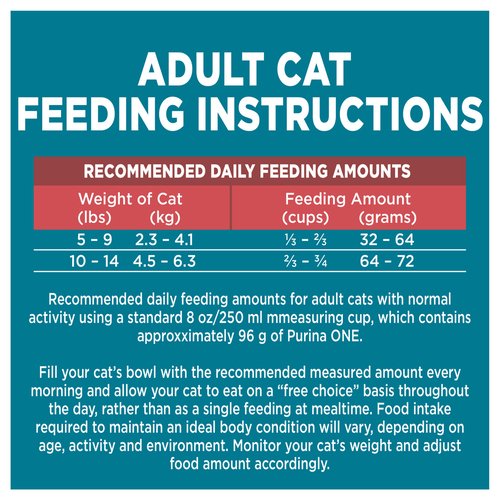
Adult cats require fewer calories than kittens. Usually, 2 meals per day work well. Portion size depends on weight and activity. Average daily intake is 20 to 30 calories per pound. Monitor body condition and adjust feeding amounts as needed.
Senior Cats
Older cats may eat less due to lower energy needs. Offer smaller, more frequent meals to aid digestion. Focus on food with easily digestible nutrients. Watch for changes in weight or appetite. Consult a vet for special dietary needs.
Measuring Cat Food Portions
Measuring cat food portions helps keep your pet healthy and happy. Proper portion sizes prevent overfeeding and underfeeding. It also supports your cat’s ideal weight and energy levels. Using the right tools makes measuring easier and more accurate. This section explains how to measure dry and wet cat food correctly.
Using Cups And Scoops
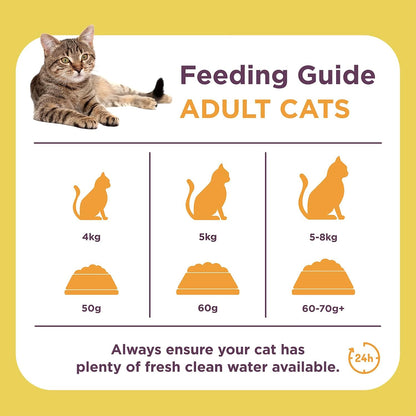
Measuring cups and scoops are common tools for dry cat food. Most cat food packages suggest cup measurements for daily portions. Use a standard measuring cup to scoop the food. Level off the top for accuracy. Avoid using random kitchen spoons, which can vary in size.
Scoops designed for pet food often have measurement marks. These help serve the right amount every time. Keep a dedicated scoop to avoid cross-contamination between different foods.
Weighing Food
Weighing food offers the most precise portion control. A digital kitchen scale works well for this. Place the bowl on the scale and zero it out. Add food until you reach the recommended weight. This method avoids guesswork and portion errors.
Weighing is especially useful for cats on special diets. It ensures they get the exact amount needed. Use grams or ounces depending on your scale’s settings.
Estimating Wet Food Amounts
Wet food comes in cans or pouches with labeled serving sizes. Check the label for the total calories and recommended daily amount. Split the can into portions based on your cat’s needs.
Use a spoon or small measuring cup to serve wet food. Wet food varies in moisture, so weight can help measure it better. Feeding half a can twice a day is common for many cats.
Credit: pet-supermarket.co.uk
Feeding Schedules And Frequency
Feeding schedules and frequency play a big role in a cat’s health and happiness. Cats often thrive with routine. Regular feeding times help control weight and improve digestion. The right schedule depends on your cat’s age, lifestyle, and health. Some cats do well with free feeding, while others need set meal times. Understanding these options helps you choose what fits your cat best.
Free Feeding Vs Scheduled Meals
Free feeding means leaving food out all day. Cats eat small amounts whenever they want. This suits cats that graze or are less active. It can lead to overeating in some cats. Scheduled meals mean giving food at specific times. This helps monitor how much your cat eats. It also builds a routine and aids digestion. For weight control, scheduled meals often work better.
Adjusting Meal Times
Meal times should match your cat’s habits and your schedule. Most cats do well with two meals a day. Kittens may need three to four smaller meals. Older cats sometimes benefit from more frequent, smaller portions. Watch your cat’s hunger cues and energy levels. Change meal times gradually to avoid stress. Consistency helps your cat feel secure and relaxed.
Tips For Multiple Cats
Feeding several cats needs careful planning. Each cat may have different needs and eating speeds. To avoid fights, feed cats separately or use different rooms. Provide multiple bowls to reduce competition. Observe each cat to ensure they eat enough. Use scheduled meals to control portions and avoid overeating. Patience and routine help all cats stay healthy and happy.
Monitoring Your Cat’s Weight
Monitoring your cat’s weight is vital to keep them healthy and happy. Weight changes can signal if your cat is eating the right amount of food. Regular checks help catch problems early. You can notice trends in weight gain or loss by weighing your cat every few weeks. This practice supports good feeding habits and prevents health issues.
Signs Of Overfeeding
- Noticeable weight gain over a short time
- Difficulty feeling ribs under the fur
- Less active or more tired than usual
- Increased begging for food
- Visible belly bulging
Signs Of Underfeeding
- Sudden or steady weight loss
- Ribs and spine easily felt or seen
- Lack of energy or lethargy
- Excessive meowing for food
- Dull coat or poor fur condition
Adjusting Food Intake
Start by measuring your cat’s food carefully. Use a kitchen scale or measuring cup for accuracy. Watch your cat’s weight every two weeks. If your cat is gaining too much weight, reduce food by 10-20%. If losing weight, increase food by the same amount.
Keep changes slow and steady. Sudden shifts can stress your cat or cause health problems. Balance treats and extra snacks in the daily food amount. Consult a veterinarian if unsure about weight changes or diet adjustments.

Credit: kookykibble.co.nz
Special Feeding Considerations
Feeding your cat isn’t one-size-fits-all. Some cats need special care in their diet because of their unique life stages or health conditions. Paying attention to these special feeding considerations can make a big difference in your cat’s health and happiness.
Pregnant And Nursing Cats
Pregnant and nursing cats have higher energy and nutrient needs. Their food intake should increase to support both their own body and their kittens’ growth. You might notice your cat eating more often or seeming hungrier than usual.
Choose high-quality, nutrient-rich food formulated for kittens or growth phases. These foods provide extra protein, fat, and essential vitamins. You can split their meals into smaller, more frequent portions to help with digestion and appetite.
Cats With Medical Issues
If your cat has a medical condition, their diet can play a key role in managing symptoms and improving quality of life. Conditions like kidney disease, diabetes, or allergies require specific dietary adjustments. Your vet will usually recommend special food or supplements to help.
Always consult your vet before changing your cat’s diet. Avoid guessing or experimenting on your own, as this can sometimes do more harm than good. Have you noticed any signs like weight loss, vomiting, or unusual thirst? Those are clues you should act on quickly.
Weight Management Plans
Overweight cats face serious health risks, including diabetes and joint problems. If your cat is gaining too much weight, you need a clear feeding plan tailored to reduce calories but still keep your cat satisfied. Portion control and regular feeding times are crucial.
Measure your cat’s food carefully using a scale or measuring cup. Avoid free-feeding, as it often leads to overeating. Try adding low-calorie treats or engage your cat with play to distract from food urges. Have you tried tracking your cat’s weight weekly? It’s a simple way to stay on top of their health.
Common Feeding Mistakes To Avoid
Feeding your cat might seem straightforward, but many cat owners unknowingly make mistakes that can affect their pet’s health. Understanding common feeding errors helps you keep your cat happy and well-nourished. Let’s look at some pitfalls you should avoid to make sure your feline friend gets the right amount of food.
Ignoring Feeding Guidelines
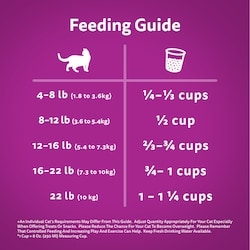
Feeding guidelines on cat food packages are there for a reason. They help you estimate how much your cat needs based on weight, age, and activity level. Ignoring these can lead to underfeeding or overfeeding, both of which cause problems like malnutrition or obesity.
I once skipped checking the guidelines because my cat seemed “always hungry.” It resulted in unwanted weight gain and a vet visit. Do you know how much food your cat actually needs daily?
Overfeeding Treats
Treats are a great way to bond with your cat, but too many can add up quickly in calories. Many cat owners don’t realize that treats should only make up about 10% of the daily calorie intake. Overfeeding treats can disrupt your cat’s balanced diet and lead to health issues.
Keep a mental note or write down how many treats you give daily. Are you unintentionally feeding your cat more than you think?
Sudden Diet Changes
Cats have sensitive stomachs, and sudden changes in their diet can cause digestive upset. Switching foods abruptly may lead to vomiting, diarrhea, or refusal to eat. It’s better to introduce new food gradually over 7–10 days by mixing it with the old food.
I once switched my cat’s food overnight to save money, which caused a week of upset tummy and lost appetite. How do you transition your cat to new food?
Credit: www.newfoundlandgrocerystores.ca
Frequently Asked Questions
How Much Food Should I Feed My Adult Cat Daily?
Feed an adult cat about 20 calories per pound of body weight daily. Adjust portions based on activity, health, and age for optimal nutrition.
Can I Overfeed My Cat By Giving Too Much Food?
Yes, overfeeding leads to obesity and health problems. Always follow feeding guidelines and monitor your cat’s weight regularly.
How Often Should I Feed My Cat Each Day?
Feed adult cats twice daily, morning and evening. Kittens may require three to four smaller meals for better growth and digestion.
Does The Type Of Cat Food Affect Feeding Amounts?
Yes, dry, wet, and raw foods have different calorie densities. Check packaging and adjust portions accordingly to meet your cat’s energy needs.
Conclusion
Feeding your cat the right amount keeps them healthy and happy. Watch their weight and adjust food as needed. Each cat is different, so pay attention to their needs. Regular meals with balanced portions work best. Always provide fresh water alongside their food.
A well-fed cat feels good and stays active. Small changes in feeding can make a big difference. Trust your instincts and care for your furry friend.
