

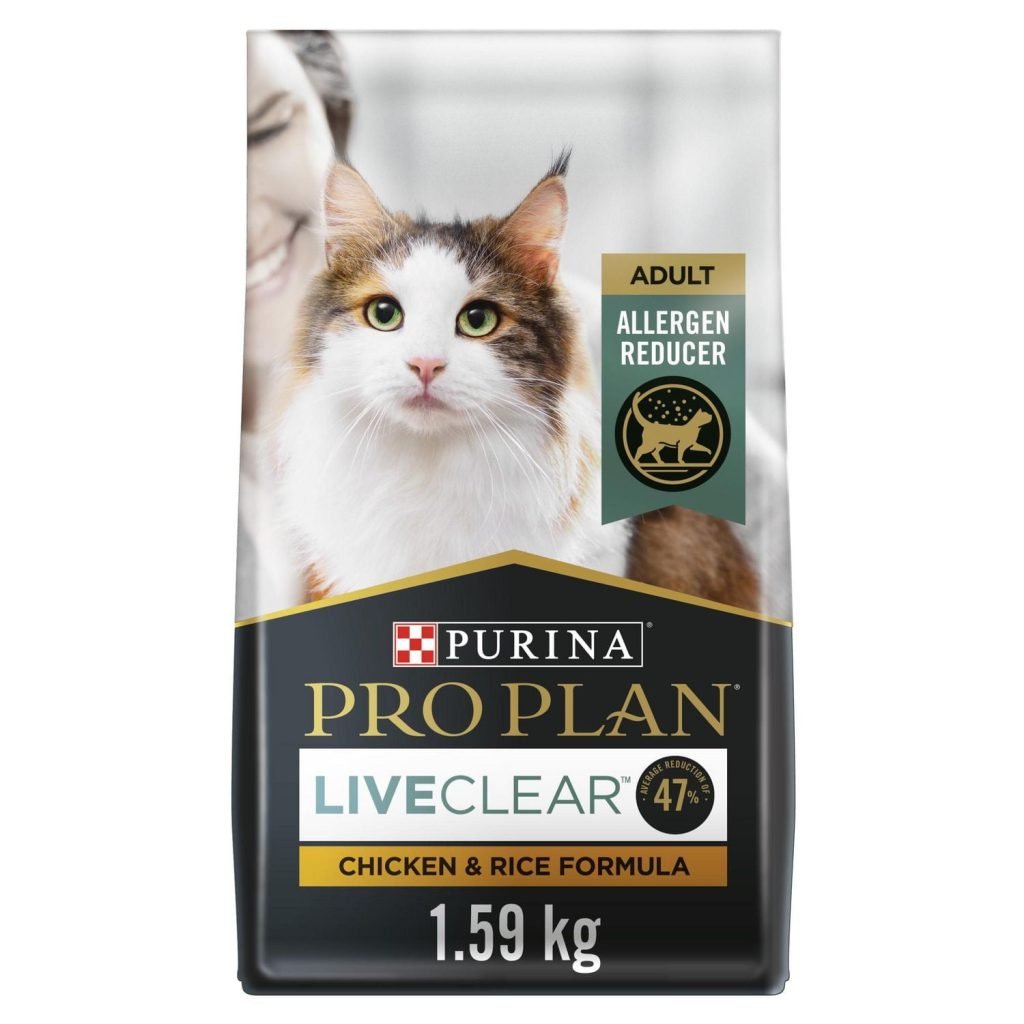
If your cat is scratching more than usual or having tummy troubles, it might be due to allergies. Finding the right cat food can make a huge difference in your furry friend’s comfort and happiness.
You want to give your cat meals that don’t cause itching, upset stomach, or other allergic reactions. But with so many options out there, how do you choose the best food for cats with allergies? Keep reading, and you’ll discover simple tips and trusted choices that can help your cat feel better every day.
Causes Of Cat Allergies
Cat allergies happen when a cat’s immune system reacts to certain substances. These reactions can cause discomfort and health problems. Allergies may develop from food ingredients or environmental factors. Understanding the causes helps in choosing the right diet for sensitive cats.
Common Allergens In Cat Food
- Beef and other red meats
- Dairy products like milk and cheese
- Fish and seafood
- Chicken and poultry
- Eggs
- Wheat and gluten-containing grains
- Soy and other legumes
These ingredients often cause allergic reactions. Cats can become sensitive after eating them repeatedly. Some cats react to one ingredient, others to several.
Symptoms Of Food Allergies In Cats
- Itchy skin and excessive scratching
- Hair loss or bald spots
- Red, inflamed skin or rashes
- Frequent ear infections
- Vomiting or diarrhea
- Chronic sneezing or coughing
- Swollen paws or face
Allergy symptoms vary but usually include skin and digestive issues. Early detection improves treatment and comfort for the cat.
Benefits Of Hypoallergenic Cat Food
Hypoallergenic cat food offers significant benefits for cats with allergies. It reduces exposure to common allergens and helps avoid allergic reactions. Cats suffering from itchy skin, digestive issues, or respiratory problems often find relief with this diet. Choosing the right hypoallergenic food improves their quality of life and supports overall health.
How Hypoallergenic Diets Work
Hypoallergenic diets use limited ingredients to avoid allergens. They often contain novel proteins like duck or venison. These proteins are less likely to cause immune reactions. The formulas avoid common triggers such as beef, dairy, or wheat. Hydrolyzed proteins break down into tiny pieces, making them harder to detect by the immune system. This approach helps calm allergic responses and prevents flare-ups.
Improving Cat Health And Comfort
These diets help reduce symptoms such as itching and redness. They improve digestion and decrease vomiting or diarrhea. Cats on hypoallergenic food often show more energy and better mood. Their skin and coat become healthier and shinier. Owners notice fewer vet visits and less need for medication. This diet supports long-term health and comfort for allergic cats.
Types Of Hypoallergenic Cat Food
Choosing the right hypoallergenic cat food can be confusing, especially with so many options available. Understanding the different types helps you find what suits your cat’s unique needs. Each type targets allergies differently, so it’s worth knowing how they work before making a choice.
Limited Ingredient Diets
Limited ingredient diets focus on reducing the number of ingredients in your cat’s food. This makes it easier to identify and avoid allergens. Usually, these diets contain one protein source and a few simple carbs.
If your cat reacts to common ingredients like chicken or wheat, a limited ingredient diet can be a game changer. It simplifies the food and reduces the chance of allergic reactions. Have you noticed your cat’s symptoms improve when fed fewer ingredients?
Novel Protein Formulas
Novel protein formulas use protein sources your cat has never eaten before. Think rabbit, venison, or duck instead of chicken or beef. This reduces the risk of your cat’s immune system overreacting to familiar proteins.
Switching to a novel protein is like giving your cat a clean slate. It can be especially helpful if you’ve tried limited ingredient diets without success. What new protein could your cat try that’s rarely found in regular cat food?
Hydrolyzed Protein Diets
Hydrolyzed protein diets break down proteins into tiny pieces. These small pieces are less likely to trigger an allergic response. This type of diet is often recommended by vets for severe allergies.
Though these diets might not smell or taste like typical cat food, they work well for sensitive tummies. If your cat’s allergies don’t improve with other diets, hydrolyzed proteins might be worth a try. Would you consider this option if it means relief for your cat?

Credit: www.amazon.com
Top Hypoallergenic Cat Food Brands
Choosing the right hypoallergenic cat food can make a huge difference if your cat struggles with allergies. Quality brands focus on limited ingredients and novel proteins to reduce allergic reactions. Let’s look at some top hypoallergenic cat food brands that pet owners trust for keeping their cats healthy and comfortable.
Brand A Highlights
Brand A uses a limited ingredient formula designed to minimize allergens. Their recipes often feature single protein sources like duck or venison, which are less likely to trigger allergies.
They avoid common allergens such as grains, soy, and dairy. This brand also adds essential fatty acids to support your cat’s skin and coat health.
Many owners report noticeable improvement in itching and digestion after switching to Brand A’s hypoallergenic options.
Brand B Highlights
Brand B offers novel protein blends that include ingredients like rabbit and quail. These proteins are rarely found in typical cat foods, making allergic reactions less common.
The brand focuses on natural ingredients without artificial preservatives or fillers. This approach helps reduce the risk of triggering your cat’s allergies.
Users appreciate Brand B’s careful ingredient sourcing and clear labeling, which makes it easier for you to know exactly what your cat is eating.
Brand C Highlights
Brand C specializes in hydrolyzed protein formulas, breaking down proteins into smaller parts that are less likely to cause allergies. This is ideal for cats with severe sensitivities.
The brand also offers grain-free and gluten-free options, catering to cats with multiple allergy triggers. Their foods support digestive health with added prebiotics and probiotics.
Pet parents often mention how Brand C helped reduce their cat’s allergy symptoms when other foods failed.
Choosing The Right Hypoallergenic Food
Choosing the right hypoallergenic food is key to managing your cat’s allergies. Cats with food sensitivities need meals that avoid common allergens. Picking the right diet helps reduce itching, digestive issues, and discomfort. This choice requires care and attention to your cat’s specific needs.
Consulting Your Veterinarian
A veterinarian can diagnose your cat’s allergies accurately. They suggest foods based on medical tests and symptoms. Their advice ensures your cat gets balanced nutrition without allergens. Regular check-ups help track your cat’s progress on the new diet.
Reading Ingredient Labels
Check labels for common allergens like beef, dairy, and wheat. Look for foods with limited ingredients to reduce allergy risks. Novel proteins like duck or rabbit often suit sensitive cats. Avoid artificial colors, flavors, and preservatives that may trigger reactions.
Transitioning Your Cat’s Diet
Change food slowly to avoid stomach upset. Mix new food with old over 7 to 10 days. Gradually increase the new food portion each day. Watch for any allergic signs like vomiting or itching during this time.
Homemade Hypoallergenic Cat Food Options
Homemade hypoallergenic cat food offers a gentle solution for cats with allergies. It allows control over every ingredient, reducing exposure to allergens. Preparing food at home ensures freshness and avoids harmful additives. Cats with sensitive stomachs or skin benefit from simple, natural recipes. This approach supports their health and comfort daily.
Safe Ingredients To Use
- Lean meats like turkey, chicken, or rabbit
- Fish such as salmon or whitefish, cooked thoroughly
- Rice or sweet potatoes as gentle carbohydrates
- Vegetables like carrots or peas in small amounts
- Omega-3 rich oils like fish oil for skin health
- Limited use of hypoallergenic supplements recommended by vets
Avoid common allergens like beef, dairy, wheat, and soy. Fresh, single-protein sources help identify triggers.
Recipes And Preparation Tips
- Cook all meat and fish thoroughly to kill bacteria
- Boil rice or sweet potatoes until soft
- Steam vegetables lightly to preserve nutrients
- Mix ingredients evenly for balanced meals
- Serve at room temperature to prevent digestive upset
- Store leftovers in airtight containers in the fridge
Introduce new foods slowly over several days. Monitor your cat’s reaction carefully. Consult a vet for guidance on portion sizes and dietary needs.
Monitoring Your Cat’s Allergy Progress
Monitoring your cat’s allergy progress is essential to ensure their comfort and health. Allergies can change over time, and keeping a close eye on your cat helps you adjust their diet and care effectively. It also prevents minor issues from becoming serious problems.
Tracking Symptoms
Keep a daily log of your cat’s symptoms, noting any itching, redness, or digestive changes. This helps you spot patterns related to specific foods or environments. You can use a simple notebook or a mobile app designed for pet health tracking.
Pay special attention to when symptoms worsen or improve after changing their food. Small details like sneezing, watery eyes, or changes in stool consistency are important. Have you noticed if your cat’s behavior changes after meals?
When To Seek Veterinary Help
If your cat’s symptoms persist or get worse despite dietary changes, it’s time to consult your vet. Severe itching, hair loss, or skin infections require professional care. Don’t wait until your cat is in visible distress—early intervention can prevent complications.
Also, if your cat shows signs of an allergic reaction like vomiting, diarrhea, or difficulty breathing, seek emergency help immediately. Your vet can recommend allergy tests or prescribe medications to manage symptoms. Remember, your vigilance can make a big difference in your cat’s well-being.
Credit: www.purina.com
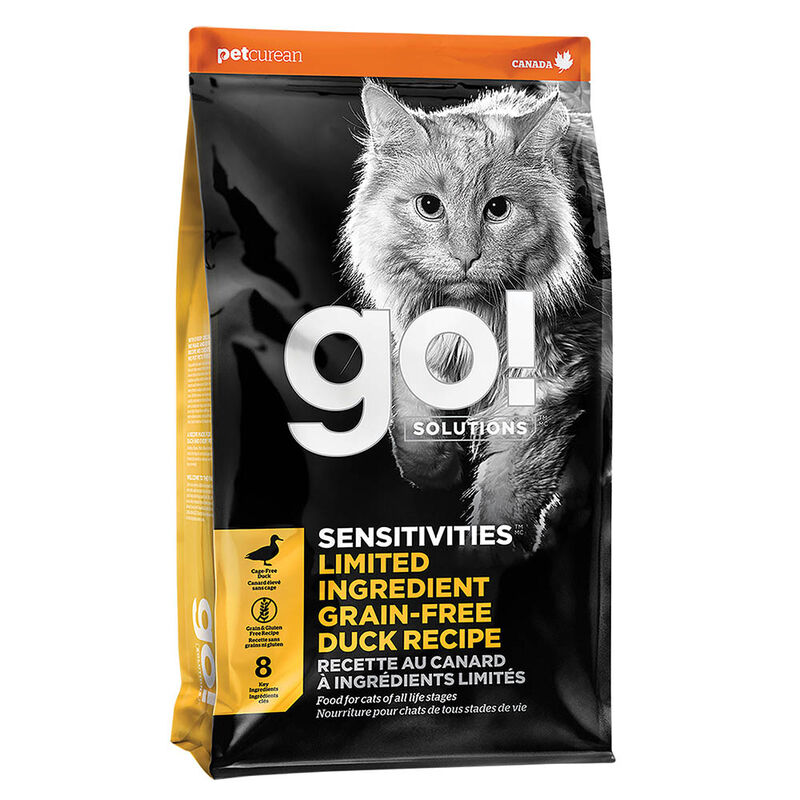
Credit: www.renspets.com
Frequently Asked Questions
What Are Common Cat Food Allergies?
Cats can be allergic to proteins like chicken, beef, or fish. Grains such as wheat and corn can also trigger allergies. Identifying these allergens is crucial for choosing the right food. Consulting with a vet can help pinpoint specific allergies and suggest suitable cat food options.
How Can I Identify Cat Food Allergies?
Symptoms include itching, vomiting, and diarrhea. Monitor your cat’s behavior after meals for reactions. An elimination diet can help identify allergens. Consult your vet for a proper diagnosis and guidance on managing your cat’s allergies effectively.
Is Grain-free Cat Food Better For Allergies?
Grain-free cat food can benefit cats allergic to grains. It eliminates common allergens like wheat and corn. However, ensure the food contains high-quality ingredients. Always consult your vet to determine the best dietary choices for your allergic cat.
Can Wet Cat Food Help With Allergies?
Wet cat food can be beneficial for cats with allergies. It often contains fewer fillers and artificial additives. The high moisture content aids digestion and can reduce allergenic reactions. Consult your vet to choose the best wet food for your cat’s specific needs.
Conclusion
Choosing the right food helps your cat feel better every day. Cats with allergies need gentle ingredients that do not cause itching or stomach problems. Reading labels carefully lets you avoid harmful additives. Always watch your cat’s reaction to new food.
Talk to your vet for advice on the best diet. Happy, healthy cats start with the right food choice. Small changes can make a big difference in their comfort. Give your cat the care they deserve with allergy-friendly food.
