

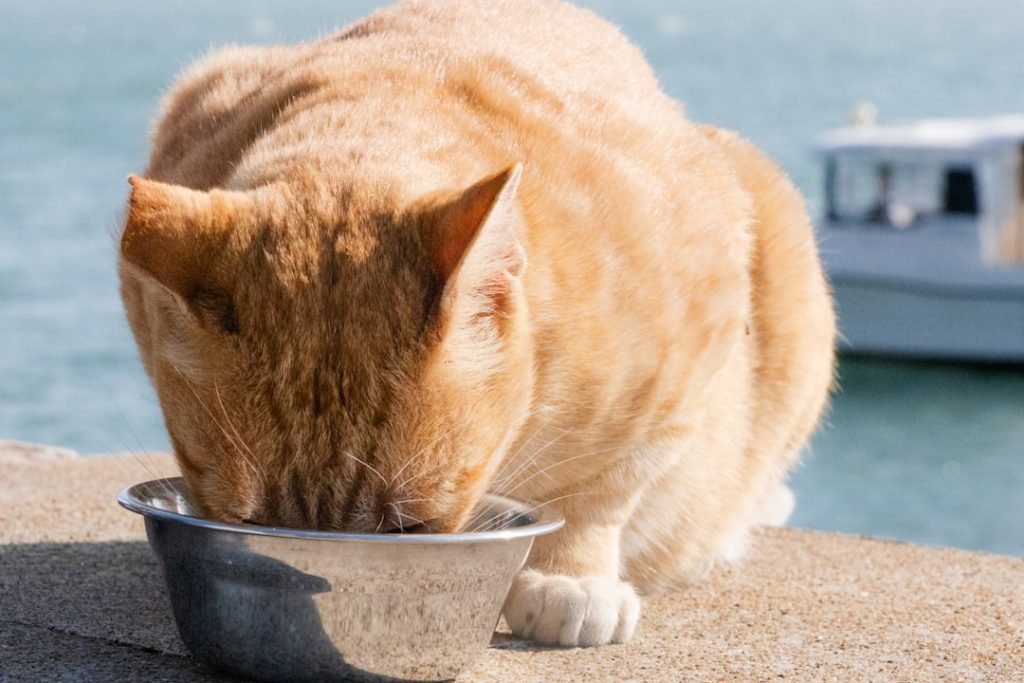
As your cat grows older, their needs change – especially when it comes to food. Choosing the right dry cat food for senior cats can make a big difference in their health and happiness.
You want to give your furry friend the best, but with so many options, it’s easy to feel overwhelmed. What if you could find a dry food that supports their aging joints, keeps their coat shiny, and helps maintain a healthy weight?
Keep reading, and you’ll discover how to make the best choice for your senior cat’s well-being.
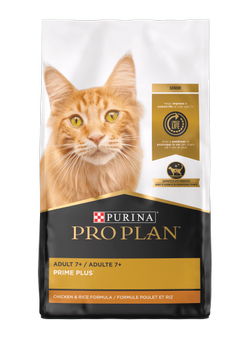
Credit: www.purina.com
Nutritional Needs Of Senior Cats
Senior cats need special nutrition to stay healthy and active. Their bodies change as they age. These changes affect how they use food. Feeding dry cat food that meets their needs helps them feel better and live longer.
Changes In Metabolism
Older cats have slower metabolism. They burn fewer calories daily. This means they need less energy from food. Overfeeding can cause weight gain. Weight gain leads to health problems. Choosing dry food with fewer calories supports healthy weight.
Protein Requirements
Protein helps maintain muscle mass. Senior cats need high-quality protein sources. Their bodies digest protein less efficiently. Good protein supports strong muscles and organs. Dry cat food should have easily digestible protein. This helps keep cats strong and healthy.
Essential Vitamins And Minerals
Vitamins and minerals support body functions. Senior cats need more antioxidants like vitamin E. Antioxidants reduce cell damage from aging. Minerals like calcium and phosphorus keep bones strong. Omega-3 fatty acids improve joint health and coat condition. Balanced dry food provides these important nutrients.

Credit: www.walmart.com
Benefits Of Dry Food For Older Cats
Choosing the right food for your senior cat is crucial for their health and happiness. Dry cat food offers several benefits that cater specifically to the needs of older cats. Understanding these advantages can help you make a smarter choice for your furry friend’s diet.
Dental Health Support
Dry cat food helps reduce plaque and tartar buildup by gently scraping your cat’s teeth as they chew. This action supports better dental hygiene, which is especially important for senior cats prone to dental issues.
Have you noticed your older cat’s teeth looking yellow or smelling bad? Switching to dry food might improve their oral health and reduce vet visits for dental problems.
Convenience And Storage
Dry cat food is easy to store and has a longer shelf life than wet food. This makes it practical for busy pet owners who want to keep fresh food available without daily trips to the store.
You can measure portions quickly and leave the food out without worrying about spoilage. This convenience is a real time-saver when managing your cat’s mealtimes.
Weight Management
Many dry foods are formulated with balanced calories and nutrients to help maintain a healthy weight. This is vital for senior cats, as excess weight can lead to joint stress and other health problems.
Choosing a dry food designed for older cats can help you control calorie intake while ensuring they still get the nutrition they need. Have you checked your cat’s weight lately? Proper diet can make a big difference in their mobility and energy levels.
Key Ingredients To Look For
Choosing the right dry cat food for senior cats means focusing on key ingredients. These ingredients support aging bodies and keep cats active and healthy. Quality matters most in every bite.
High-quality Protein Sources
Protein helps maintain muscle strength and repair tissues. Look for named meats like chicken, turkey, or fish. Avoid vague terms like “meat by-products.” High-quality proteins are easier to digest and absorb. Older cats need protein to stay energetic and fit.
Balanced Fat Content
Fats provide energy and support brain health. Omega-3 and omega-6 fatty acids reduce inflammation and improve coat condition. Too much fat can cause weight gain. Balanced fat content helps keep senior cats at a healthy weight.
Added Fiber And Antioxidants
Fiber aids digestion and prevents constipation common in older cats. Ingredients like beet pulp or pumpkin add gentle fiber. Antioxidants like vitamins C and E protect cells from damage. They boost the immune system and promote overall wellness.

Credit: www.amazon.com
Common Ingredients To Avoid
Choosing the right dry cat food for your senior cat means paying close attention to what’s inside the bag. Some ingredients can do more harm than good, especially as your cat ages and their health needs change. Knowing which ingredients to avoid helps you protect your cat’s well-being and keep them comfortable in their golden years.
Artificial Additives
Artificial colors, flavors, and sweeteners might make food look and taste appealing, but they offer no nutritional benefit. These additives can cause allergic reactions or digestive upset in older cats.
Have you noticed your senior cat scratching more or having stomach issues after switching foods? Artificial additives could be the culprit. Look for labels that specifically say “no artificial colors or flavors.”
Excess Fillers
Fillers like corn, wheat, and soy are often used to bulk up dry cat food cheaply. However, these ingredients provide little nutritional value and can be hard for senior cats to digest.
Too many fillers may lead to weight gain or nutrient deficiencies. Your cat’s food should focus on high-quality proteins and limited fillers to support their aging body.
Harmful Preservatives
Preservatives keep dry food fresh longer, but some can be harmful over time. BHA, BHT, and ethoxyquin are common preservatives linked to health risks in pets.
Choosing foods preserved with natural options like mixed tocopherols (Vitamin E) is safer. Check your cat’s food label carefully—what’s preserving the food matters just as much as what’s inside it.
Top Brands For Senior Cat Dry Food
Choosing the right dry food for your senior cat can feel overwhelming with so many options on the market. The right brand balances nutrition, taste, and affordability to keep your cat healthy and happy. Let’s look at some top brands that cater specifically to the needs of older cats.
Premium Options
Premium brands often use high-quality ingredients with added supplements to support joint health and digestion. Brands like Hill’s Science Diet Senior and Blue Buffalo Wilderness Senior are well-known for their carefully crafted recipes.
These options frequently include antioxidants and omega fatty acids, which can improve your cat’s energy and coat condition. Investing in premium dry food might reduce vet visits by keeping your cat healthier longer.
Budget-friendly Choices
If you want to provide good nutrition without stretching your budget, look for brands like Purina ONE or Iams Healthy Senior. These brands often offer balanced nutrition tailored for aging cats, including controlled calorie content and essential vitamins.
They may not have all the extras found in premium brands, but they still support your cat’s basic needs. Have you noticed how some affordable brands still keep your cat active and satisfied? That’s worth considering.
Specialty Formulas
Some senior cats require specific diets due to health issues like kidney disease or weight management. Brands such as Royal Canin Veterinary Diet or Hill’s Prescription Diet offer specialized dry foods targeting these conditions.
These formulas are designed to address unique health concerns, often recommended by vets. If your cat has special dietary needs, choosing a specialty formula can make a significant difference in their quality of life.
Feeding Tips For Senior Cats
Feeding senior cats requires more attention than just offering food. Their nutritional needs change, and how you feed them matters a lot. Paying close attention to feeding habits can help your cat stay healthy and happy as they age.
Portion Control
Overfeeding can lead to weight gain, which stresses aging joints and organs. Underfeeding, on the other hand, might cause malnutrition and weakness. Measure your cat’s food carefully and adjust portions based on their activity level and weight changes.
Try using a kitchen scale or standard measuring cup to avoid guesswork. Have you noticed your cat slowing down? That’s a sign to reduce portions slightly or consult your vet about the right amount.
Transitioning Food Gradually
Senior cats often have sensitive stomachs, so sudden changes in diet can cause upset. Switch their dry food slowly over 7 to 10 days by mixing increasing amounts of the new food with the old.
Watch for any signs of digestive trouble like vomiting or diarrhea during this period. Patience here pays off—your cat’s gut will thank you, and you’ll avoid unnecessary stress.
Monitoring Health Changes
Senior cats can develop health issues that affect their appetite and digestion. Keep a daily log of how much your cat eats and any changes in behavior or weight.
If you notice anything unusual, such as a sudden loss of appetite or excessive thirst, don’t hesitate to contact your vet. Early detection can make a big difference in managing age-related conditions effectively.
When To Consult A Veterinarian
Knowing when to consult a veterinarian about your senior cat’s dry food diet is crucial for their health and happiness. Aging cats have unique nutritional needs that can change quickly, and only a professional can guide you through these changes effectively. Ignoring warning signs or delaying expert advice can lead to serious health issues.
Signs Of Nutritional Deficiency
Watch for signs like dull coat, weight loss, lethargy, or changes in appetite. These can signal that your cat isn’t getting the nutrients they need from their dry food. If you notice any of these, it’s time to get professional advice rather than guessing what’s wrong.
Sometimes, your cat might seem fine but still have hidden deficiencies. A vet can perform blood tests to check for issues like low protein or vitamin levels. This helps tailor a diet that supports your cat’s health at every stage.
Health Conditions Affecting Diet
Senior cats often develop health problems that affect what they should eat. Kidney disease, diabetes, or dental problems may require specific dietary adjustments you can’t safely make on your own. Consulting your vet ensures these conditions are managed through the right food choices.
For example, cats with kidney disease often need low-phosphorus diets. If your cat has diabetes, carbohydrate intake must be controlled carefully. Your vet can recommend the best dry cat food or supplements based on these conditions.
Customizing Meal Plans
Every senior cat is unique, so a one-size-fits-all diet rarely works well. Your vet can help create a meal plan that fits your cat’s weight, activity level, and health status. This personalized approach can improve your cat’s energy and quality of life.
Think about your cat’s daily routine and preferences. A vet might suggest mixing dry food with wet food or adding supplements to enhance nutrition. Wouldn’t you want to provide the best diet tailored just for your furry friend?
Frequently Asked Questions
What Is The Best Dry Cat Food For Senior Cats?
The best dry cat food for senior cats is nutrient-rich and easy to digest. It should support joint health, kidney function, and weight management. Look for foods with high protein, moderate fat, and added vitamins like B12 and antioxidants for healthy aging.
How Does Dry Food Benefit Senior Cats’ Health?
Dry food helps maintain dental health by reducing plaque and tartar buildup. It also supports hydration when combined with water. Properly formulated dry food provides balanced nutrients that aid digestion and energy levels, essential for senior cats’ well-being.
Can Dry Cat Food Prevent Senior Cat Weight Gain?
Yes, dry cat food designed for seniors often has controlled calories and higher fiber. This helps manage weight by promoting fullness and reducing overeating. Choosing portion-controlled meals aids in preventing obesity-related health issues in older cats.
Should Senior Cats Eat Only Dry Food Or Mixed Diets?
Senior cats benefit from mixed diets combining dry and wet food. Dry food aids dental health, while wet food provides hydration and variety. A balanced mix ensures nutrient diversity and keeps senior cats interested in their meals.
Conclusion
Choosing the right dry food helps senior cats stay healthy and happy. It supports their joints, teeth, and digestion. Feeding them balanced meals keeps their energy up. Watch for ingredients that suit their age and needs. Small changes can make a big difference in their life.
Give your senior cat the care they deserve every day. Healthy food means more playtime and comfort. Simple steps lead to a longer, joyful life for your pet.
