

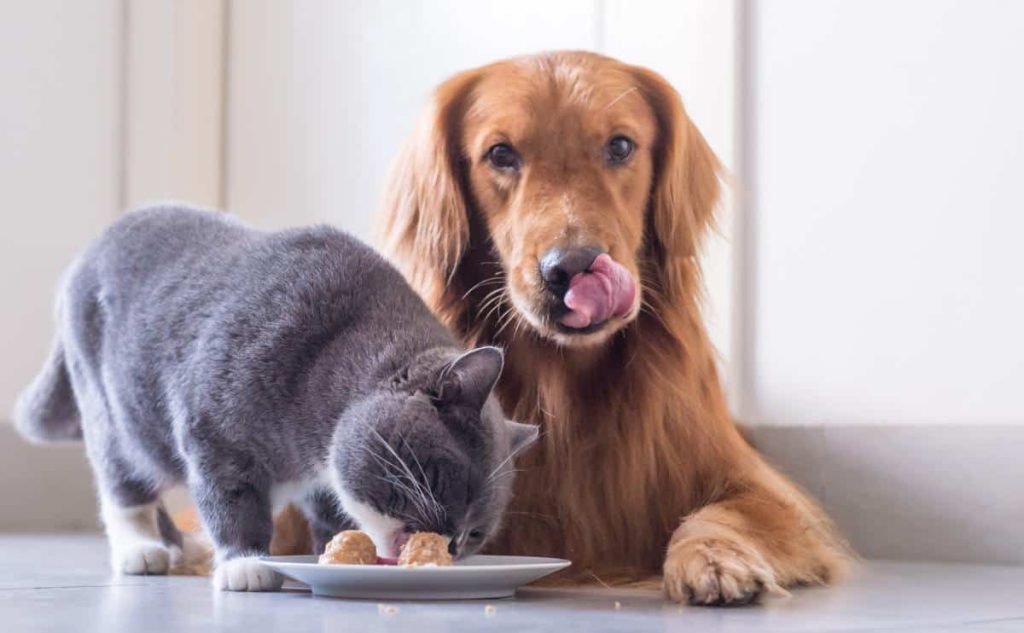
Have you ever wondered if giving your dog cat food is okay? Maybe you’ve caught your dog sneaking a bite from the cat’s bowl and asked yourself, “Is this safe?” It’s a common question for many pet owners.
What if feeding cat food to your dog isn’t just harmless but could actually cause problems? Understanding the truth can protect your furry friend’s health and save you from unexpected vet bills. Keep reading to discover why cat food might not be the best choice for your dog and what you should do instead.

Credit: www.lilyskitchen.co.uk
Nutritional Differences
Understanding the nutritional differences between cat food and dog food is important. Both animals have unique dietary needs based on their biology. Cat food is formulated to meet the needs of obligate carnivores. Dogs are omnivores and need a different balance of nutrients. Feeding cat food to dogs might affect their health because of these differences.
Protein Levels
Cat food contains higher protein levels than dog food. Cats need more protein to support their muscle mass and energy. Dog food has moderate protein to suit their varied diet. Excess protein in dog diets can strain kidneys over time. Protein from cat food can be too rich for most dogs.
Fat Content
Fat content in cat food is generally higher than in dog food. Cats use fat as a primary energy source. Dogs need fat but in smaller amounts. Too much fat in a dog’s diet can cause weight gain. Dog food keeps fat balanced for healthy energy and weight.
Vitamin And Mineral Balance
Cat food has specific vitamins and minerals dogs do not require in large amounts. For example, cats need taurine, an essential amino acid. Dog food usually has less taurine. Cats also require more vitamin A and arachidonic acid. These nutrients in high amounts may not be ideal for dogs. Dog food meets their needs without excesses.
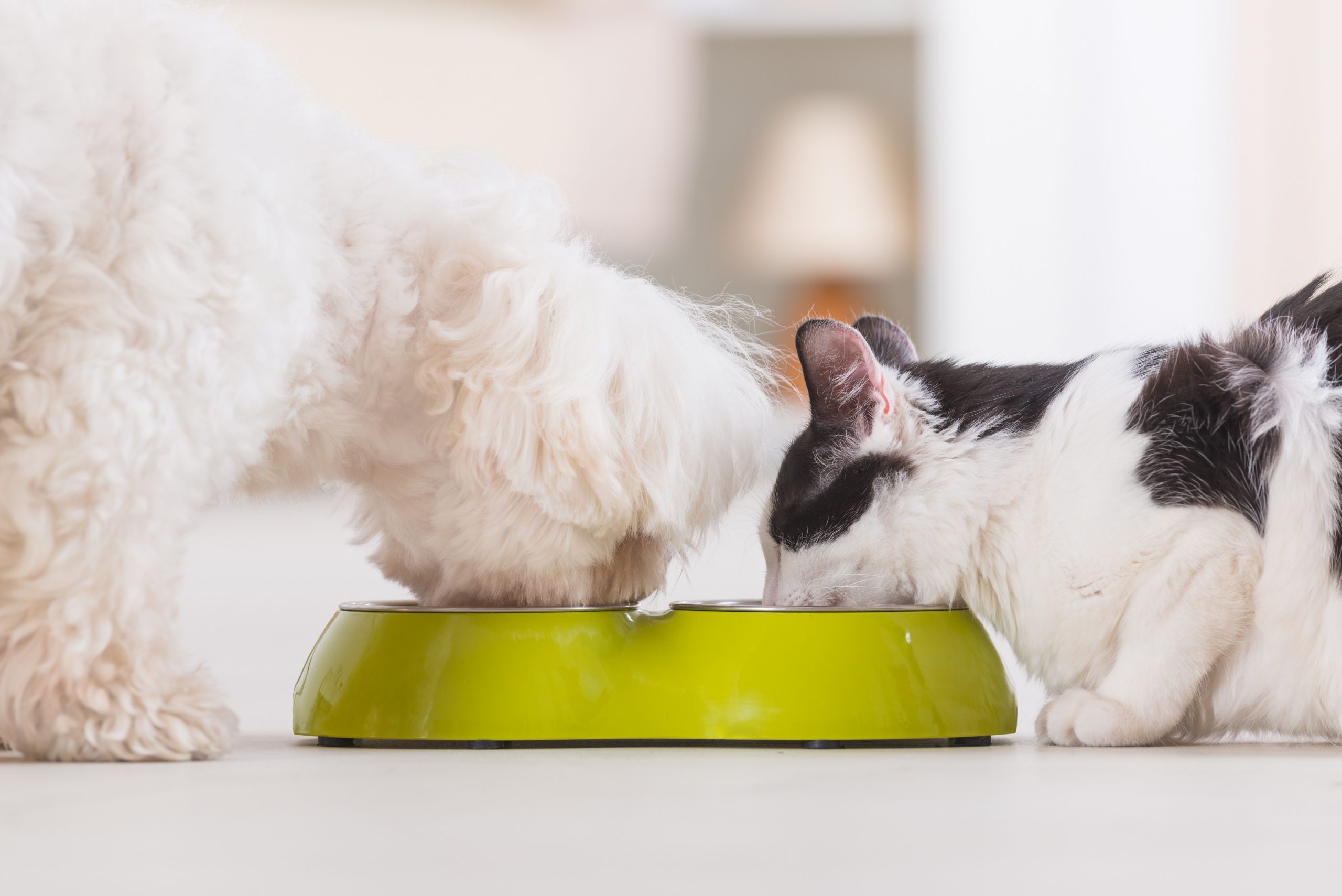
Credit: kinzuaheritage.org
Risks Of Feeding Cats’ Food To Dogs
Feeding your dog cat food might seem harmless at first, but it carries several risks that can impact your pet’s health. Cats and dogs have very different nutritional needs, and cat food is designed to meet the demands of a feline’s body, not a canine’s. Ignoring these differences can lead to serious problems for your dog.
Digestive Issues
Cat food is richer in protein and fat than dog food. Dogs may struggle to digest this heavier diet, causing upset stomach, diarrhea, or vomiting. If you’ve noticed your dog feeling uncomfortable after sneaking a bite of cat food, it’s a sign their digestive system is reacting negatively.
How often would you want your dog to deal with such discomfort just because of dietary mix-ups? It’s better to keep their meals separate to avoid these avoidable digestive troubles.
Obesity Concerns
High fat content in cat food can lead to weight gain in dogs, especially if fed regularly. Unlike cats, dogs don’t need as much fat, and excess calories quickly turn into extra pounds. Overweight dogs face risks like joint pain, diabetes, and heart issues.
Think about your dog’s energy levels and how you want them to stay active. Providing the right portion and type of food is key to maintaining their healthy weight and lifestyle.
Taurine Overload
Taurine is an amino acid essential for cats but not required in large amounts for dogs. Cat food often contains high levels of taurine, which can overwhelm your dog’s system if consumed frequently. This overload might lead to heart problems or other health complications.
Have you ever considered how nutrients that benefit one species might harm another? Keeping your dog’s diet species-appropriate helps avoid such hidden dangers and supports their long-term health.
When Cat Food Might Be Safe
Cat food is not designed for dogs, but there are some moments it might be okay. Dogs need different nutrients than cats. Still, a little cat food now and then does not always cause harm. Knowing when cat food is safe helps keep your dog healthy.
Occasional Treats
Giving your dog a small amount of cat food as a treat is usually fine. It should not replace their regular dog food. Cat food is richer in protein and fat, which dogs do not need daily. A tiny taste now and then won’t upset your dog’s diet.
Watch your dog after eating cat food. If they show signs of stomach upset like vomiting or diarrhea, stop immediately. Treats should be rare and small to avoid health issues.
Emergency Situations
Cat food can be a temporary solution in emergencies. If dog food is not available, cat food can provide some calories. This helps keep your dog going until proper food is found.
Use cat food only for a short time during emergencies. Do not make it a regular meal. Prolonged feeding may cause weight gain or nutrient imbalance in dogs.

Credit: www.houndsy.com
Signs Of Problems From Cat Food
Feeding your dog cat food might seem harmless at first, but certain signs can reveal if it’s causing problems. It’s important to watch for changes that could indicate your dog is not handling cat food well. Recognizing these signs early helps you protect your pet’s health before issues become serious.
Behavioral Changes
Have you noticed your dog acting differently after sneaking some cat food? Changes in behavior can be one of the first clues something is wrong.
- Irritability:Your dog may become unusually cranky or restless.
- Increased thirst or hunger:Cat food is richer and can throw off their appetite, making them drink or eat more than usual.
- Fatigue or lethargy:If your dog seems tired or less active, it might be due to digestive discomfort or nutrient imbalance.
Have you seen any sudden mood swings or energy drops in your dog lately? These could be subtle signals that cat food isn’t agreeing with their system.
Physical Symptoms
Physical signs often appear when your dog’s body reacts negatively to cat food. These symptoms can be more obvious and alarming.
- Upset stomach:Vomiting or diarrhea can happen if your dog’s digestive system struggles with the richer cat food.
- Weight gain or loss:Cat food has more fat and protein, which might cause unexpected weight changes.
- Skin issues:Excess nutrients or allergens in cat food can lead to itching, redness, or hair loss.
Have you noticed your dog scratching more or showing signs of digestive distress? These physical symptoms might be your pet’s way of telling you cat food isn’t the right choice.
Best Practices For Dog Diets
Feeding your dog well is about more than just filling their bowl. It means choosing foods that support their health and energy levels every day. Avoiding cat food is crucial, but knowing what to feed instead takes some thought and care.
Choosing The Right Dog Food
Dogs need balanced nutrition tailored to their size, age, and activity level. Look for dog food that lists meat as the first ingredient and has the right mix of proteins, fats, and carbohydrates.
Check the label for AAFCO approval to ensure the food meets nutritional standards. Avoid dog foods with excessive fillers like corn or by-products, which offer little nutritional value.
Think about your dog’s preferences and any allergies. If your dog struggles with dry food, try wet or semi-moist options to keep mealtime enjoyable.
Consulting A Veterinarian
Your vet is the best source for personalized dietary advice. They can recommend specific foods or supplements based on your dog’s health needs.
If your dog shows signs of digestive upset or weight changes, don’t delay in seeking veterinary guidance. Diet adjustments might be necessary to avoid long-term problems.
Have you ever wondered if your dog’s diet is truly right for them? A quick vet visit can save you from costly health issues down the road.
Frequently Asked Questions
Can Dogs Eat Cat Food Safely?
Dogs can eat cat food occasionally, but it’s not ideal. Cat food is high in protein and fat, which can upset a dog’s digestion and cause weight gain if fed regularly.
Why Is Cat Food Bad For Dogs Long-term?
Cat food lacks balanced nutrients for dogs and has excessive protein and fat. Feeding it long-term can lead to obesity, pancreatitis, and nutrient deficiencies in dogs.
What Happens If Dogs Eat Cat Food Often?
Frequent consumption of cat food can cause digestive issues, obesity, and nutrient imbalance in dogs. It may also increase the risk of pancreatitis due to high fat content.
Can A Dog Survive Only On Cat Food?
A dog cannot thrive on cat food alone. Cat food does not meet a dog’s specific nutritional needs, potentially causing health problems over time.
Conclusion
Feeding cat food to dogs can cause health problems. Cat food has more protein and fat than dogs need. Dogs may feel sick or gain too much weight. Always choose food made for dogs to keep them healthy. Treat your dog with the right diet and care.
It helps them live a happy, long life. Remember, their needs are different from cats. Keep your dog safe by feeding them properly every day.
