

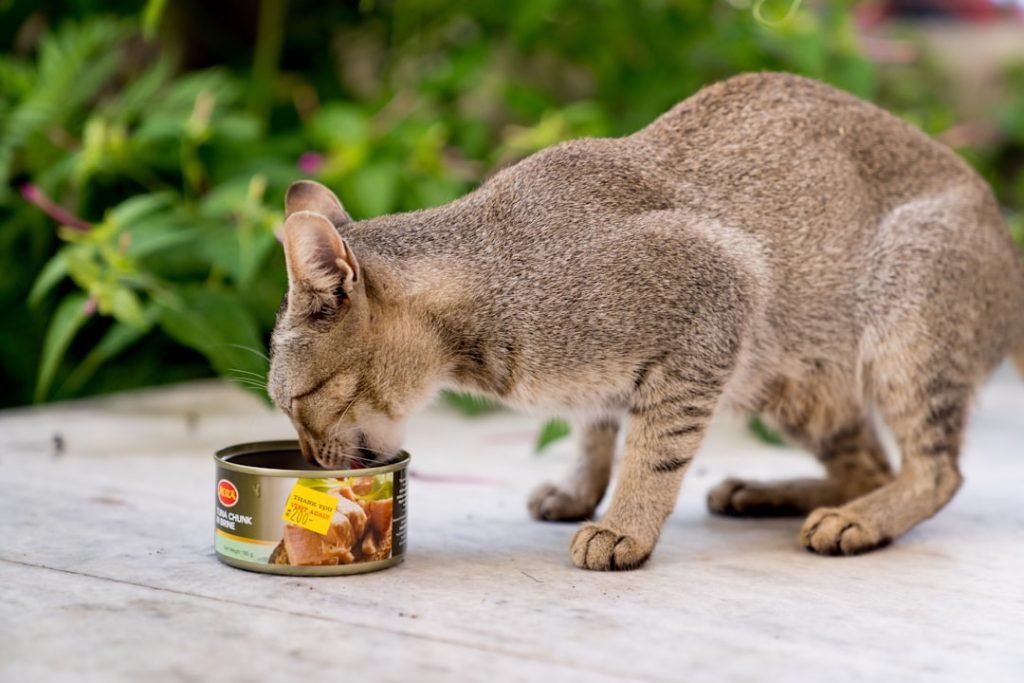
If you have a beautiful calico cat, you want to give her the very best food to keep her healthy and happy. But with so many options out there, how do you know what’s right for your furry friend?
Choosing the best food for calico cats isn’t just about filling their bowl—it’s about giving them the nutrients they need to thrive every day. You’ll discover simple, expert-approved tips to pick the perfect diet that matches your cat’s unique needs.
Keep reading to make sure your calico gets the care she truly deserves.

Credit: cats-magazine.com
Calico Cat Traits
Calico cats stand out not just because of their beautiful coats but also due to their distinct traits that affect how you care for them. Understanding these traits can help you choose the best food and care routine tailored to their needs. Let’s dive into what makes calico cats unique.
Unique Color Patterns
Calico cats have a striking mix of three colors: white, black, and orange. This pattern is mostly found in female cats because of genetics linked to the X chromosome. Each calico’s coat is one-of-a-kind, almost like a fingerprint, which makes them easy to recognize.
Have you noticed how some calicos have more white while others show larger patches of orange or black? This variety doesn’t just affect appearance—it can also hint at different genetic traits that influence their health and behavior.
Behavioral Characteristics
Calico cats often show strong personalities. Many owners describe them as playful, curious, and sometimes a bit sassy. You might find your calico demanding attention one moment and then quietly observing the next.
These cats can be quite social but also enjoy their independence. Understanding these traits helps you provide mental stimulation and comfort, which is just as important as their diet.
Health Considerations
Because most calicos are female, they can face health issues common to female cats, like urinary tract problems. Their unique genetic makeup might also make them prone to certain conditions, so regular vet check-ups are important.
Feeding your calico a balanced diet with high-quality protein and essential nutrients supports their overall health. Do you know your cat’s specific health needs? Tailoring their food can make a big difference in their energy and longevity.

Credit: fredasavahl6.medium.com
Nutritional Needs
Your calico cat’s health depends heavily on meeting specific nutritional needs. Understanding what your furry friend requires helps you choose the best food that supports her vibrant coat, energy levels, and overall well-being. Let’s break down the key nutrients your calico cat needs daily to thrive.
Protein Requirements
Protein is the cornerstone of a calico cat’s diet. Cats are obligate carnivores, which means they need animal-based protein to build strong muscles and maintain healthy organs.
Look for foods with high-quality protein sources like chicken, turkey, or fish listed first on the ingredient label. Avoid products that rely heavily on plant proteins since they don’t provide the essential amino acids your cat’s body can’t produce on its own.
Have you noticed your cat’s energy dip or coat dullness? These might be signs that her protein intake isn’t enough or not the right kind.
Essential Vitamins And Minerals
Vitamins and minerals support everything from immune function to bone health. Key vitamins for calicos include A, D, E, and B-complex, while important minerals are calcium, phosphorus, and taurine.
Taurine deserves special attention since a deficiency can lead to serious heart and vision problems. Most commercial cat foods add taurine, but homemade diets often lack it unless supplemented carefully.
How do you ensure your cat gets these nutrients? Choosing balanced, vet-approved cat food brands can take the guesswork out of this critical step.
Hydration Importance
Cats naturally have a low thirst drive, which means your calico might not drink enough water. Proper hydration supports kidney function and helps prevent urinary tract issues.
Wet cat food is an excellent way to boost your cat’s water intake without forcing her to drink more. Adding fresh water daily and even providing a cat water fountain can encourage better hydration habits.
Have you checked if your cat’s litter box visits have changed? Less frequent urination could hint at dehydration, signaling it’s time to adjust her diet or water supply.
Best Food Types
Choosing the right food for your calico cat supports their health and happiness. Various food types offer unique benefits for their diet. Understanding each type helps you meet your cat’s nutritional needs and preferences. Here are the best food types for calico cats.
Wet Food Benefits
Wet food contains high moisture, which helps keep cats hydrated. It is easier to chew and digest, especially for older cats. Wet food often has a strong aroma, attracting picky eaters. It provides a balanced mix of protein, fats, and vitamins. Feeding wet food can support urinary tract health and reduce the risk of kidney issues.
Dry Food Pros And Cons
Dry food is convenient and easy to store. It helps maintain dental health by reducing plaque build-up. Dry food is usually more affordable and lasts longer once opened.
- Pros: Cost-effective, convenient, good for teeth
- Cons: Lower moisture content, can lead to dehydration
- Cons: Some brands contain fillers and low-quality ingredients
Ensure your cat drinks enough water when feeding dry food.
Raw Diet Options
The raw diet mimics a cat’s natural eating habits. It includes raw meat, organs, and bones. This diet offers high protein and essential nutrients. Raw food can improve coat shine and energy levels.
Careful preparation is vital to avoid bacteria and parasites. Consult a vet before starting a raw diet for safety. This diet suits cats with no digestive issues and those needing a natural food option.
Ingredients To Look For
Choosing the right food for calico cats means focusing on the ingredients. These ingredients impact your cat’s health, energy, and coat shine. Good ingredients support strong muscles, a healthy immune system, and a vibrant coat. Knowing what to look for helps you pick the best food.
High-quality Proteins
Proteins build muscles and keep cats active. Look for animal-based proteins like chicken, turkey, or fish. These provide essential amino acids. Avoid foods where protein comes mostly from plants. Meat should be the first ingredient listed. Protein supports healthy skin and a shiny coat too.
Natural Additives
Natural additives improve digestion and boost immunity. Ingredients like omega-3 and omega-6 fatty acids help keep fur soft and shiny. Vitamins such as A, E, and B-complex support overall health. Natural antioxidants protect cells from damage. Herbs like cranberry or pumpkin can aid urinary health and digestion.
Avoiding Fillers And Byproducts
Fillers add no real nutrition and can harm digestion. Common fillers include corn, wheat, and soy. These can cause allergies or stomach upset. Byproducts are low-quality leftovers from animal processing. They lack nutrients and may include parts cats cannot digest well. Choose foods with clear, simple ingredient lists for better health.
Feeding Tips
Feeding your calico cat the right way goes beyond just choosing the best food. How you serve that food makes a big difference in your cat’s health and happiness. Paying attention to portion sizes, meal timing, and how you introduce new foods can help avoid common issues like obesity, digestive troubles, or picky eating.
Portion Control
Overfeeding is a common mistake many cat owners make. Even if your calico looks hungry, giving extra treats or large meals can lead to weight gain. Use the feeding guidelines on the cat food package as a starting point, then adjust based on your cat’s activity level and body condition.
Try measuring meals with a kitchen scale or a standard measuring cup. Keep a feeding journal to track how much your cat eats daily. Have you noticed if your cat gains weight after free-feeding or unlimited access to food?
Meal Frequency
Most adult cats do well with two meals per day. Splitting their daily food into two portions helps regulate their metabolism and keeps hunger at bay. For kittens or older cats, smaller and more frequent meals might work better.
Set a consistent feeding schedule. Cats appreciate routine, and it helps you spot appetite changes early. Think about how your calico reacts when you change feeding times—does she get anxious or lose interest in food?
Transitioning Foods
Switching your cat’s food too quickly can cause upset stomach or refusal to eat. Gradually mix new food with the old over 7-10 days. Start with 25% new food, then slowly increase the amount while decreasing the old food.
Watch for signs like vomiting, diarrhea, or changes in energy. If these happen, slow down the transition or consult your vet. Have you ever tried changing your cat’s diet abruptly? How did she respond?
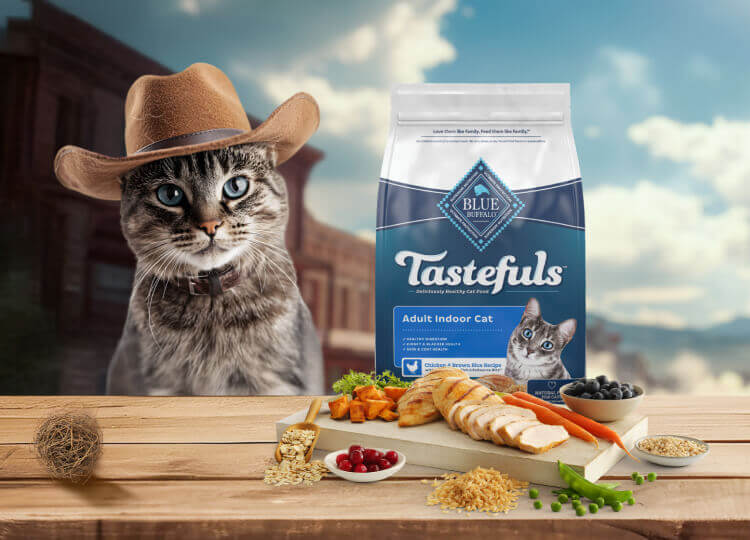
Credit: www.bluebuffalo.com
Special Dietary Needs
Calico cats have unique dietary needs that help keep them healthy and active. Their special diet supports their colorful coats and overall well-being. Feeding the right food can prevent health problems and improve their quality of life. Understanding these needs makes it easier to choose the best food for your calico cat.
Weight Management
Calico cats can gain weight easily if overfed. Obesity leads to health issues like diabetes and joint pain. Feeding measured portions controls calorie intake. Choose foods with balanced protein and fat levels. Active playtime also helps maintain a healthy weight.
Allergies And Sensitivities
Some calico cats suffer from food allergies or sensitivities. Common triggers include grains, dairy, and certain proteins. Signs include itching, vomiting, or diarrhea. Hypoallergenic diets or limited ingredient foods reduce reactions. Always introduce new foods slowly to monitor tolerance.
Senior Cat Nutrition
Older calico cats need special nutrition to support aging bodies. Their metabolism slows down, requiring fewer calories. High-quality protein helps maintain muscle mass. Foods with added vitamins and minerals support joint health. Soft or wet food may be easier for older cats to eat.
Recommended Brands
Choosing the right food brand for your calico cat is key to keeping her healthy and happy. The variety of options can feel overwhelming, but focusing on trusted brands helps ensure quality and nutrition. Your cat’s unique needs, like her activity level and any sensitivities, should guide your choices.
Top Wet Food Brands
Wet food offers hydration and rich flavors that many calicos love. Look for brands that use real meat as the first ingredient and avoid artificial fillers.
- Wellness CORE– Known for grain-free recipes rich in protein, great for active cats.
- Blue Buffalo Homestyle– Combines high-quality meat with wholesome ingredients for balanced nutrition.
- Natural Balance L.I.D.– Ideal for cats with food sensitivities, offering limited ingredient diets.
Have you noticed your calico prefers wet food over dry? Picking a brand she enjoys can make meal times stress-free.
Best Dry Food Choices
Dry food is convenient and helps with dental health, but quality varies widely. Focus on brands with high protein, low carbohydrates, and minimal fillers.
- Orijen Cat & Kitten– Packed with fresh, regional ingredients and high protein content.
- Hill’s Science Diet– Trusted for its science-backed formulas tailored to specific life stages.
- Royal Canin– Offers breed-specific and sensitive stomach options that cater to particular needs.
Does your calico seem more energetic after switching dry food brands? Sometimes a change in diet can boost vitality.
Specialty Diet Options
Some calicos require special diets due to allergies, weight, or health conditions. Specialized formulas can target these needs effectively.
- Blue Buffalo Natural Veterinary Diet– Crafted for cats with urinary or kidney issues.
- Purina Pro Plan Veterinary Diets– Offers options for digestive health and food sensitivities.
- Instinct Raw Boost– Combines raw pieces with kibble to mimic a natural diet.
Have you consulted your vet about your cat’s dietary needs? Tailored food can make a noticeable difference in her wellbeing.
Homemade Meal Ideas
Preparing homemade meals for your calico cat can be a rewarding experience that strengthens your bond and ensures she gets the best nutrition. Homemade food allows you to control exactly what goes into her bowl, avoiding fillers and artificial ingredients. But crafting the right meals requires knowledge of what is safe and nutritious for your colorful companion.
Safe Ingredients
Start with ingredients that are gentle and healthy for cats. High-quality proteins like cooked chicken, turkey, or fish are excellent choices. Avoid onions, garlic, and raw fish, as they can be toxic to cats.
Vegetables like carrots or peas can be added in small amounts. Always cook these veggies to aid digestion. Dairy products should generally be avoided since many cats are lactose intolerant.
Balanced Recipes
Your cat needs a mix of protein, fats, and some vitamins to thrive. A simple balanced meal might include:
- 70% cooked lean meat (chicken or turkey)
- 10% cooked vegetables (carrots or green beans)
- 20% cooked rice or pumpkin for fiber
Adding a pinch of taurine supplement is crucial since cats cannot produce enough on their own. Check with your vet to tailor the recipe to your cat’s specific health needs.
Preparation Tips
Cook all meats thoroughly to kill harmful bacteria. Avoid seasoning your cat’s food with salt or spices. You want to keep the meal as natural as possible.
Store leftovers in airtight containers in the refrigerator and use within 2 days. Always introduce new homemade meals gradually to avoid digestive upset.
Have you noticed your calico’s preferences change with different textures or flavors? Pay attention to what she enjoys and adjust accordingly to keep mealtime exciting and nutritious.
Frequently Asked Questions
What Is The Best Diet For Calico Cats?
A balanced diet rich in protein, vitamins, and minerals suits calico cats best. Wet and dry cat food with high-quality meat supports their health. Avoid fillers and artificial additives to ensure proper nutrition and maintain their vibrant coat.
Can Calico Cats Eat Wet Or Dry Food?
Both wet and dry food are suitable for calico cats. Wet food helps with hydration and is easier to digest. Dry food supports dental health and is convenient. A mix of both provides balanced nutrition and variety for your calico cat.
Are There Special Nutrients Calico Cats Need?
Calico cats benefit from omega-3 fatty acids, taurine, and antioxidants. These nutrients support skin, coat health, and heart function. Ensure their food contains these essential elements to promote overall well-being and maintain their distinctive colorful fur.
How Often Should I Feed My Calico Cat?
Feed adult calico cats two meals daily to maintain energy and weight. Kittens need more frequent meals, about three to four times a day. Consistent feeding schedules help regulate digestion and prevent obesity in calico cats.
Conclusion
Feeding calico cats the right food keeps them healthy and happy. Choose meals rich in protein and essential nutrients. Fresh water is just as important every day. Watch their weight and adjust food as needed. Treats should be given sparingly to avoid overfeeding.
Regular vet check-ups help track their health well. Good food supports their playful and loving nature. Careful feeding shows how much you value your cat. Simple steps can make a big difference in their life.
