

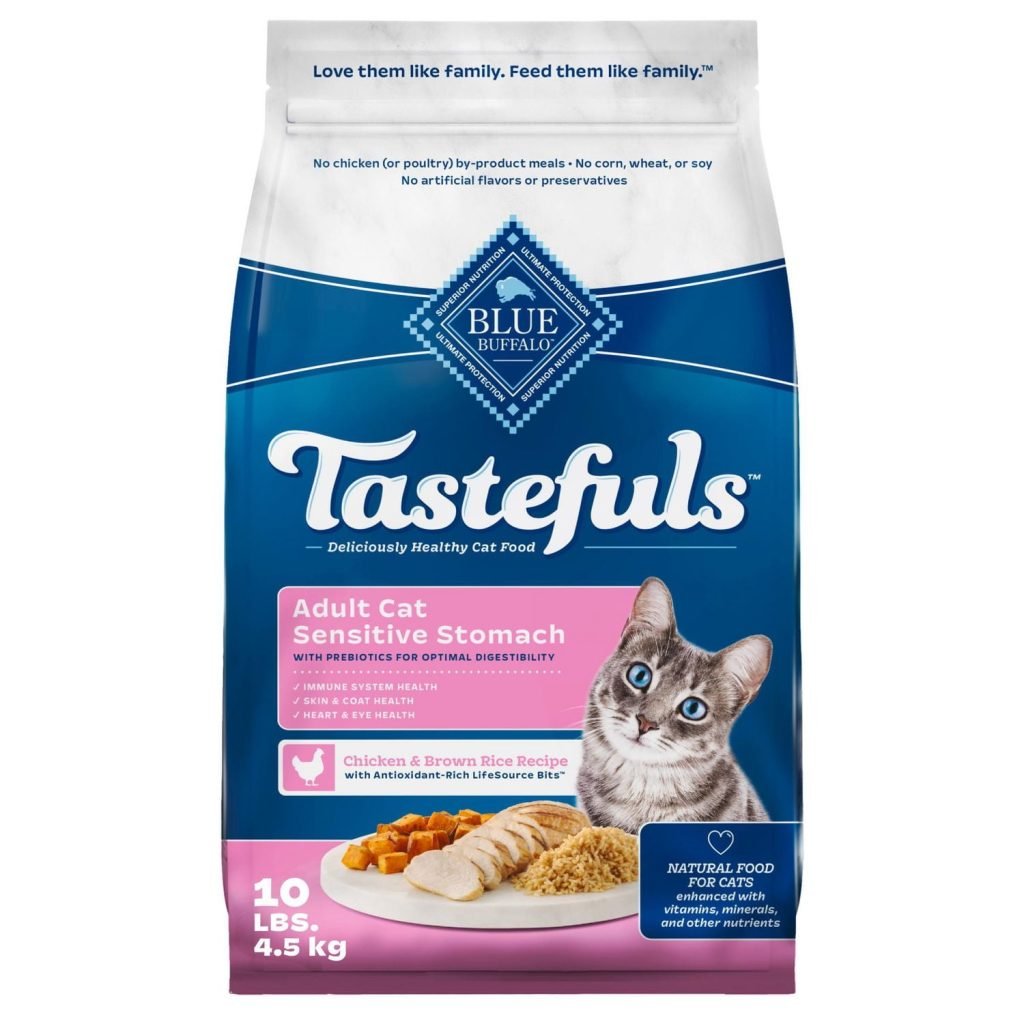
If your cat often has tummy troubles, you know how worrying it can be. Finding the right food for a sensitive stomach isn’t just about comfort—it’s about your cat’s health and happiness.
You want to give your furry friend meals that soothe, not upset. You’ll discover simple, effective ways to choose the best food that keeps your cat’s digestion calm and their energy high. Keep reading to learn how to make mealtime stress-free and enjoyable for both you and your cat.
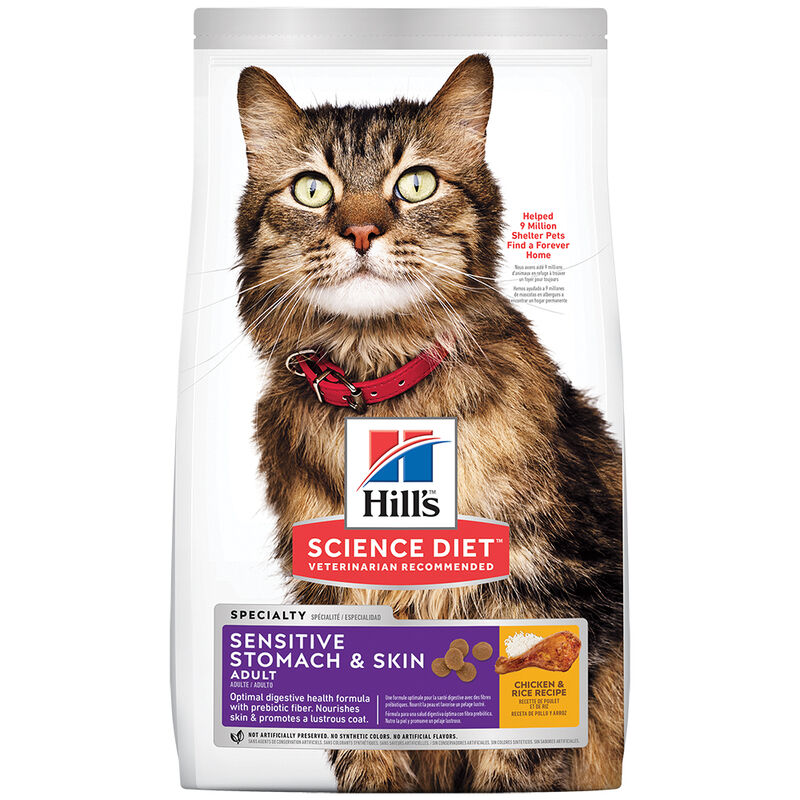
Credit: www.renspets.com
Causes Of Sensitive Stomach In Cats
Cats with sensitive stomachs often face discomfort and digestive issues. Understanding the causes helps provide better care and food choices. Several factors contribute to stomach sensitivity in cats. Recognizing these can improve your cat’s health and happiness.
Common Dietary Triggers
Some foods upset a cat’s stomach more than others. Rich, fatty meals can cause digestive problems. Sudden changes in diet may also lead to stomach upset. Foods with artificial additives and preservatives might irritate the digestive system. Feeding low-quality ingredients often worsens stomach sensitivity.
Food Allergies And Intolerances
Cats can develop allergies to certain proteins like beef, chicken, or fish. These allergies cause inflammation and stomach pain. Food intolerance differs from allergies but still causes digestive distress. Symptoms include vomiting, diarrhea, and gas. Identifying and avoiding these foods is essential for relief.
Stress And Environmental Factors
Stress affects a cat’s digestive health significantly. Changes in the home or routine can trigger stomach issues. Loud noises, new pets, or moving houses increase stress levels. Stress can slow digestion or cause stomach inflammation. Creating a calm environment supports better digestion.
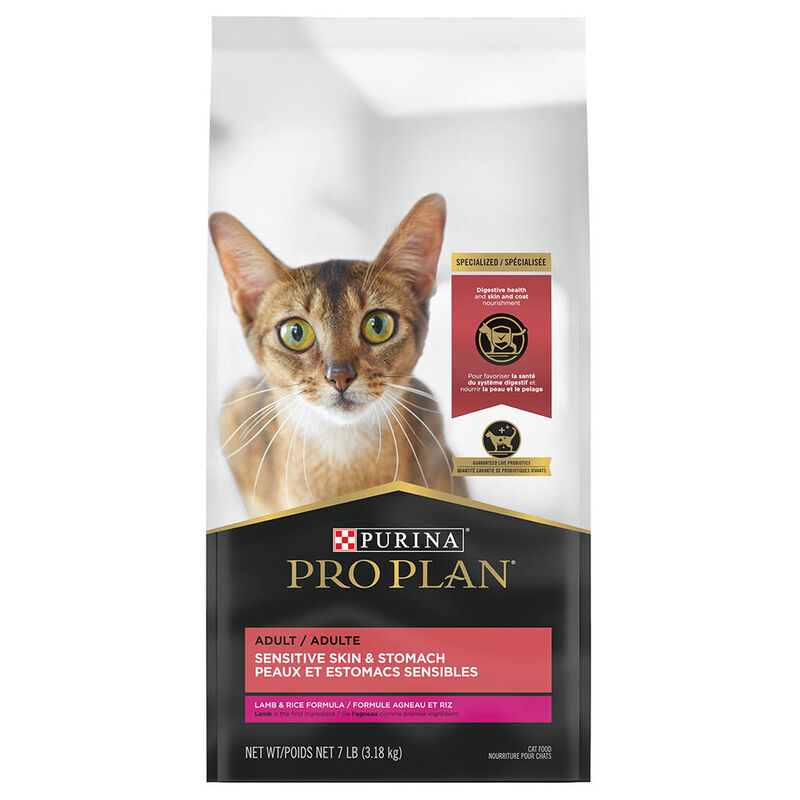
Credit: www.renspets.com
Symptoms To Watch For
Recognizing symptoms of a sensitive stomach in cats is key for their well-being. Early signs help pet owners act quickly. Watch closely for physical and behavioral clues. These can reveal underlying digestive problems or food sensitivities.
Noticing changes early can prevent discomfort and serious health issues. Pay attention to your cat’s daily habits and appearance. Knowing what to look for improves care and comfort for your furry friend.
Digestive Issues
- Vomiting or frequent regurgitation
- Diarrhea or loose stools
- Constipation or difficulty passing stool
- Excessive gas or bloating
- Loss of appetite or eating less
Behavioral Changes
- Increased irritability or restlessness
- Lethargy or unusual tiredness
- Hiding or avoiding interaction
- Excessive licking or grooming
- Changes in sleeping patterns
Skin And Coat Problems
- Dry, flaky, or itchy skin
- Hair loss or thinning fur
- Redness or inflammation on the skin
- Excessive scratching or biting
- Dull or lackluster coat
Key Ingredients For Sensitive Stomachs
Choosing the right food for a cat with a sensitive stomach means paying close attention to the ingredients. Some components can cause discomfort or digestive issues, while others help soothe and support your cat’s gut health. Understanding which ingredients work best can make a big difference in your cat’s well-being and happiness.
Highly Digestible Proteins
Proteins that are easy to digest put less strain on your cat’s stomach. Ingredients like chicken, turkey, or fish are common choices because they break down quickly and provide essential nutrients without causing irritation.
Have you noticed your cat avoiding certain meats? That could be a sign of sensitivity. Switching to highly digestible proteins might help reduce vomiting or diarrhea.
Limited Ingredient Formulas
Foods with fewer ingredients reduce the chances of triggering an allergic reaction or digestive upset. These formulas often focus on one protein source and a minimal number of carbohydrates.
When my cat struggled with tummy troubles, I found that limited ingredient diets made it easier to identify what caused the problem. You can try the same approach to narrow down your cat’s food sensitivities.
Probiotics And Prebiotics
Probiotics introduce good bacteria to your cat’s gut, helping balance the digestive system. Prebiotics feed those good bacteria, encouraging a healthy environment for digestion.
Adding foods with these ingredients can improve nutrient absorption and reduce stomach discomfort. Would you consider a diet that supports your cat’s gut health naturally?
Top Cat Foods For Sensitive Stomachs
Choosing the right food for a cat with a sensitive stomach can feel like navigating a maze. You want to provide nourishment that soothes rather than upsets. Understanding the types of foods available makes it easier to find what suits your cat’s unique needs.
Wet Food Options
Wet food often works well for sensitive stomachs because it contains higher moisture content, which aids digestion. Look for formulas labeled “limited ingredient” or “hypoallergenic” that avoid common irritants like grains and artificial additives.
- Brands like Hill’s Prescription Diet i/d and Royal Canin Gastrointestinal offer specialized wet foods designed to reduce digestive stress.
- Try single-protein options such as turkey or duck to minimize allergen exposure.
Have you noticed your cat reacts better to wet food textures? This could be a key to easing their tummy troubles.
Dry Food Choices
Dry food is convenient but can be tougher on sensitive stomachs due to lower moisture and potential fillers. Still, some dry foods are crafted to support digestive health with prebiotics and easily digestible proteins.
- Look for products with simple ingredient lists and no artificial colors or preservatives.
- Brands like Blue Buffalo Basics and Natural Balance offer dry formulas made for sensitive digestion.
Consider mixing dry food with water or broth to increase hydration and soften the kibble, making it gentler on your cat’s digestive system.
Homemade And Raw Diets
Preparing homemade or raw meals lets you control every ingredient, which can be a big advantage for cats with sensitive stomachs. However, it requires careful balancing to meet all nutritional needs.
- Include easily digestible proteins like boiled chicken or turkey and cooked vegetables such as pumpkin to soothe digestion.
- Consult with a veterinarian to ensure your recipes cover essential vitamins and minerals.
Have you tried feeding your cat homemade meals? Many owners find it reduces digestive issues, but it’s important to proceed with expert guidance.
Feeding Tips For Sensitive Cats
Feeding a cat with a sensitive stomach requires more than just picking the right food. How you introduce and manage their meals can make a big difference in their comfort and health. Paying attention to the way you feed your cat helps prevent digestive upsets and keeps them feeling their best.
Gradual Diet Transitions
Switching your cat’s food too quickly can trigger vomiting or diarrhea. Instead, mix a small amount of the new food with the old over a week or two. This slow change gives your cat’s digestive system time to adjust and reduces stress on their stomach.
I once switched my cat’s diet overnight, and she suffered tummy troubles for days. After learning the hard way, I now always blend new food in gradually. Have you noticed your cat reacting poorly to sudden food changes?
Portion Control
Overfeeding can worsen sensitive stomach issues. Feeding measured portions several times a day keeps your cat’s digestion steady and prevents overeating. Use a kitchen scale or measuring cup to avoid guesswork and stick to recommended serving sizes.
Try breaking your cat’s daily food into smaller meals rather than one big bowl. This approach helps maintain consistent energy levels and reduces the chance of digestive upset. How do you currently manage your cat’s meal sizes?
Avoiding Human Food
It’s tempting to share your snacks, but many human foods upset a cat’s stomach or can be toxic. Stick to vet-approved cat foods and treats designed for sensitive digestion. Even small amounts of fatty or spicy foods can cause discomfort.
Have you ever wondered if your cat’s tummy issues come from those sneaky table scraps? Cutting out human food eliminates a common cause of stomach problems and improves your cat’s overall well-being.
When To Consult A Veterinarian
Knowing when to consult a veterinarian is vital for cats with sensitive stomachs. Early professional advice can prevent serious health problems. Watch your cat closely for signs that need expert care.
Persistent Symptoms
Symptoms like vomiting, diarrhea, or stomach pain that last more than a few days need veterinary attention. Constant discomfort may signal an underlying issue. Do not wait if symptoms worsen or new ones appear.
Nutritional Deficiencies
Poor appetite or weight loss might show nutrient shortages. Cats with sensitive stomachs often miss essential vitamins and minerals. A vet can test for deficiencies and suggest proper food or supplements.
Special Medical Diets
Cats with allergies or chronic stomach problems may need special diets. Prescription food can relieve symptoms and support healing. Consult a veterinarian before changing your cat’s diet to ensure safety and effectiveness.
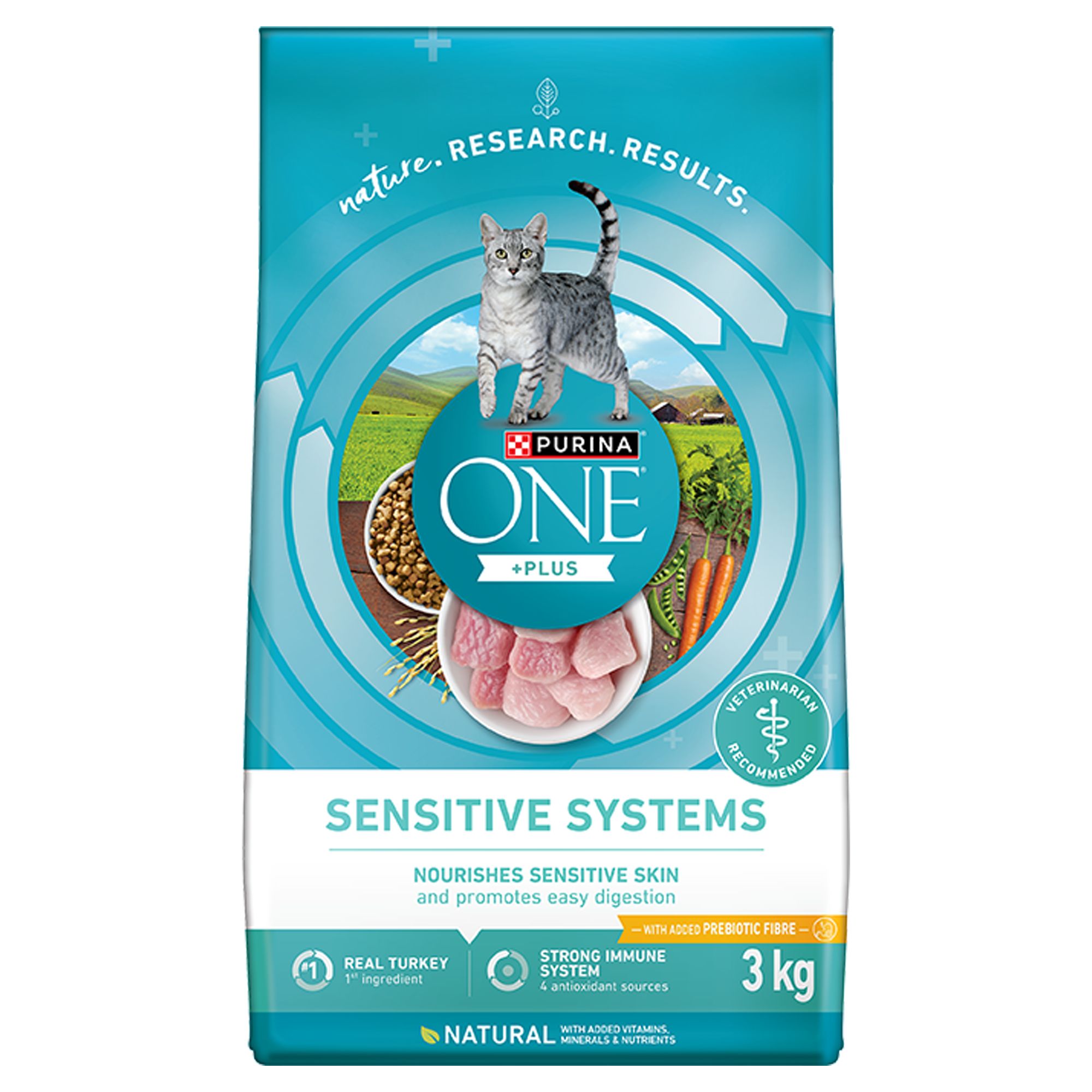
Credit: www.petsmart.ca
Frequently Asked Questions
What Are The Best Foods For Cats With Sensitive Stomachs?
Cats with sensitive stomachs benefit from easily digestible foods. Look for limited ingredient diets, hypoallergenic formulas, or prescription diets. Ingredients like chicken, rice, and pumpkin often soothe digestion. Avoid fillers, artificial additives, and dairy. Always consult your vet for tailored food recommendations.
How Can I Tell If My Cat Has A Sensitive Stomach?
Signs include vomiting, diarrhea, gas, and decreased appetite. Your cat may also show lethargy or weight loss. Persistent symptoms warrant a vet visit. Early detection helps manage the condition effectively with diet changes and treatment.
Can Sensitive Stomach Food Improve My Cat’s Digestion?
Yes, sensitive stomach food contains gentle ingredients that reduce digestive stress. These foods often have balanced fiber, probiotics, and limited allergens. They help restore gut health, improve nutrient absorption, and reduce symptoms like bloating and diarrhea.
Are Grain-free Diets Better For Cats With Sensitive Stomachs?
Grain-free diets may help some cats but aren’t always necessary. Some cats tolerate grains well, while others have allergies. Focus on high-quality protein and limited allergens rather than just grain exclusion. Always discuss diet changes with your vet.
Conclusion
Feeding cats with sensitive stomachs requires care and patience. Choose foods that are gentle and easy to digest. Watch for any signs of discomfort or allergies. Consult your vet for advice on the best diet. A healthy diet helps your cat feel better and stay active.
Simple changes can make a big difference in your cat’s health. Keep feeding routines consistent and observe your cat closely. Your cat’s comfort and health come first.
