

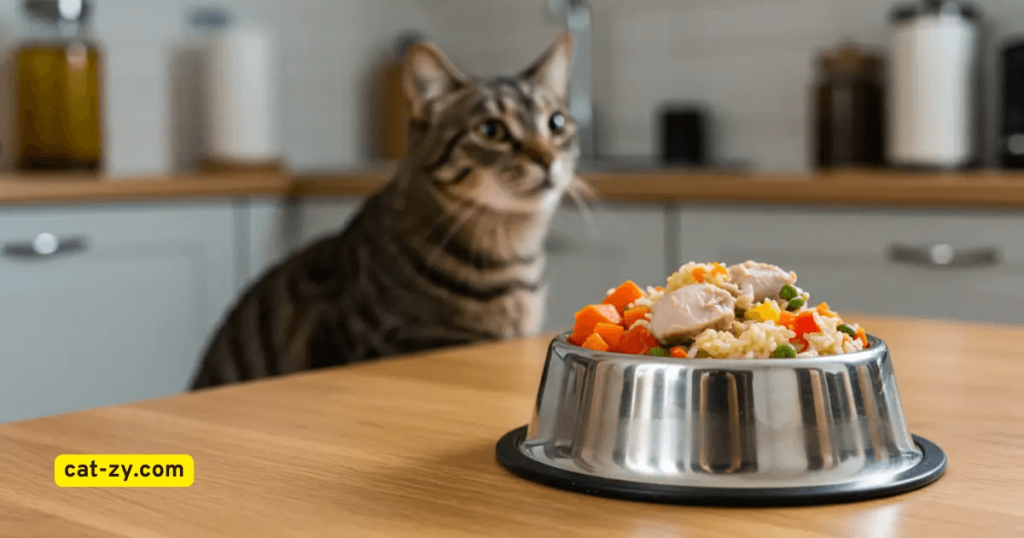
Are you looking for a way to give your cat a healthier, tastier meal? Homemade wet cat food could be the perfect solution.
When you make your own cat food, you control every ingredient, ensuring your furry friend gets the best nutrition without any hidden fillers or preservatives. Imagine your cat eagerly licking their bowl clean, enjoying every bite of food made just for them.
You’ll discover simple recipes, key tips, and expert advice to create delicious and nutritious wet cat food right at home. Ready to see your cat thrive with meals you prepare yourself? Keep reading!

Credit: www.amazon.com
Benefits Of Homemade Wet Cat Food
Making wet cat food at home offers several benefits that go beyond just feeding your feline friend. It allows you to tailor meals specifically for your cat’s needs while ensuring high-quality nutrition. Are you ready to discover how homemade wet cat food can improve your pet’s health and happiness?
Improved Nutrition
Homemade wet cat food lets you provide fresh, whole ingredients without unnecessary fillers. You can focus on including protein sources like chicken, fish, or turkey, which are essential for your cat’s muscle health.
Unlike some commercial foods, you avoid artificial preservatives and additives that may harm your cat over time. Feeding your cat with better nutrition can lead to shinier coats, more energy, and better digestion. Have you noticed changes in your cat’s health after switching to fresher food?
Control Over Ingredients
When you prepare your cat’s meals, you decide exactly what goes into the bowl. This control helps you avoid harmful ingredients like excessive salt, sugars, or fillers that can cause allergies or sensitivities.
You can also add supplements such as taurine, essential vitamins, and minerals that cats need but might be missing in some store-bought options. If your cat has a specific allergy or intolerance, wouldn’t you want to know every ingredient they consume?
Cost-effectiveness
Feeding your cat with homemade wet food can save money in the long run. Buying quality ingredients in bulk or on sale often costs less than premium commercial cat foods.
Plus, you reduce waste by cooking only what your cat will eat, avoiding leftover cans that spoil. Have you ever tossed out half a can of wet food that your cat refused to finish?
Catering To Specific Dietary Needs
Some cats require special diets due to health issues like kidney disease, diabetes, or obesity. Homemade wet food allows you to adjust protein, fat, and carbohydrate levels to fit these needs perfectly.
You can work with your vet to create recipes that help manage your cat’s condition while keeping meals tasty and enjoyable. Wouldn’t it be reassuring to know you’re feeding your cat food designed just for their unique health?

Credit: www.amazon.com
Essential Nutrients For Cats
Cats need specific nutrients to stay healthy and active. Homemade wet cat food can meet these needs well. It is important to understand what nutrients cats require. Each nutrient plays a key role in their growth and daily functions.
Proteins And Amino Acids
Proteins are the building blocks of a cat’s body. Cats need high-quality animal proteins to thrive. These proteins contain essential amino acids like taurine and arginine. Taurine is vital for heart health and vision. Without enough taurine, cats can develop serious health problems. Amino acids support muscle repair and energy. Use meats like chicken, turkey, or fish to supply these proteins.
Fats And Fatty Acids
Fats provide concentrated energy for cats. They also help absorb vitamins A, D, E, and K. Essential fatty acids like omega-3 and omega-6 support skin and coat health. These fats improve brain function and reduce inflammation. Include sources like fish oil or chicken fat in homemade recipes. Avoid using plant oils as they lack key fatty acids for cats.
Vitamins And Minerals
Vitamins and minerals keep cats’ bodies running smoothly. Vitamin A helps with vision and immune function. B vitamins support metabolism and nervous system health. Minerals like calcium and phosphorus strengthen bones and teeth. Zinc and iron aid in healing and oxygen transport. Balanced homemade food must include these nutrients in proper amounts. Using natural sources like organ meats and vegetables helps achieve balance.
Water Content Importance
Cats naturally get most water from their food. Wet food helps prevent dehydration and supports kidney health. Adequate water intake reduces risks of urinary tract problems. Homemade wet food should have high moisture content. This keeps cats hydrated and improves digestion. Adding broth or water to meals boosts water levels effectively.
Safe Ingredients To Use
Choosing safe ingredients is key to making healthy homemade wet cat food. Cats need a balanced diet with high-quality proteins and essential nutrients. Using the right ingredients helps keep your cat strong and happy. Always pick fresh, natural foods without additives or fillers. This section covers safe meats, vegetables, and supplements, along with foods to avoid.
Meats And Poultry Choices
Cats are natural carnivores. Their diet should focus on animal proteins. Good options include:
- Chicken (cooked, skin removed)
- Turkey (lean cuts, cooked)
- Beef (lean, cooked well)
- Lamb (in moderation, cooked)
- Fish like salmon or sardines (cooked, boneless)
Always cook meat thoroughly to kill bacteria. Avoid raw meat due to health risks. Remove bones to prevent choking. Avoid processed meats like sausages or deli cuts.
Vegetables And Supplements
Cats do not need many vegetables, but some are safe and beneficial. Use small amounts of:
- Cooked carrots
- Peas
- Pumpkin (good for digestion)
- Zucchini
Supplements like taurine are essential. Taurine supports heart and eye health. Fish oil can add omega-3 fatty acids. Consult a vet before adding supplements. Avoid feeding too many veggies to prevent upset stomach.
Avoiding Harmful Foods
Some foods are toxic to cats and must be avoided. These include:
- Onions and garlic (cause anemia)
- Chocolate and caffeine (toxic)
- Grapes and raisins (kidney damage)
- Raw eggs and raw fish (risk of bacteria)
- Dairy products (many cats are lactose intolerant)
- Salt and sugar (harmful in excess)
Always check ingredients before feeding. Even small amounts of these can cause serious problems. Safe homemade food means knowing what to leave out.
Basic Equipment And Preparation Tips
Preparing homemade wet cat food can be a rewarding experience for both you and your feline friend. Having the right equipment and knowing how to prepare safely makes the process smoother and ensures your cat enjoys fresh, nutritious meals. Let’s look at essential tools and tips that help you create quality homemade cat food at home.
Kitchen Tools Needed
Start with a reliable blender or food processor to achieve the smooth texture cats prefer. A sharp knife and cutting board are also essential for chopping meat and vegetables into manageable pieces.
Measuring cups and spoons help you keep portions balanced and consistent. Don’t forget airtight containers or silicone molds for portioning and freezing the food.
Storage And Shelf Life
Homemade wet cat food should be stored in airtight containers to maintain freshness and prevent contamination. Refrigerate portions you plan to use within 2-3 days.
For longer storage, freeze the food in small portions. Frozen meals can last up to 3 months, but always thaw in the refrigerator, never at room temperature.
Maintaining Hygiene
Cleanliness is key to keeping your cat’s food safe. Wash all tools, surfaces, and containers with hot, soapy water before and after food preparation.
Keep raw ingredients separate from ready-to-eat foods to avoid cross-contamination. Regularly sanitize your work area, and always wash your hands thoroughly before handling your cat’s meals.
Easy Homemade Wet Cat Food Recipes
Making wet cat food at home can be simpler than you think. You don’t need fancy ingredients or complicated steps to create meals your cat will love. These easy homemade recipes use common foods and deliver nutrition and flavor that store-bought options sometimes miss.
Have you noticed how some cats turn their nose up at canned food? Offering homemade recipes might just excite your feline friend and give you peace of mind about what they are eating. Let’s look at a few simple blends you can prepare quickly.
Chicken And Pumpkin Blend
Chicken is a great protein source that most cats enjoy. Combine cooked, shredded chicken with plain cooked pumpkin to add fiber and aid digestion.
- Use skinless chicken breast, boiled and shredded.
- Add a spoonful of cooked pumpkin (not pumpkin pie filling).
- Mix well and serve at room temperature.
This mix is gentle on the stomach and perfect if your cat has digestive sensitivities. Have you ever noticed how pumpkin helps regulate your cat’s digestion?
Fish And Sweet Potato Mix
Fish offers omega-3 fatty acids that support a shiny coat and healthy skin. Sweet potato adds vitamins and a natural sweetness that cats often enjoy.
- Cook and flake boneless white fish like cod or haddock.
- Boil or steam sweet potato until soft, then mash it.
- Combine fish and sweet potato, stirring until mixed thoroughly.
This recipe introduces variety without overwhelming your cat’s palate. Have you tried mixing different fish types to see which your cat prefers?
Turkey And Carrot Stew
Turkey is lean and packed with protein. Adding carrots gives a slight crunch and important nutrients.
- Cook ground turkey thoroughly.
- Steam or boil finely chopped carrots until tender.
- Mix turkey and carrots and mash slightly for easier eating.
This stew can be refrigerated for a couple of days, making it convenient for busy pet owners. What’s your cat’s reaction when you add a vegetable twist to their meal?

Credit: zigly.com
Adjusting Recipes For Special Needs
Adjusting homemade wet cat food recipes for special needs helps keep cats healthy. Every cat has unique dietary requirements. Tailoring recipes ensures they get proper nutrition and stay happy. Simple changes can support weight control, allergies, or aging concerns. Understanding these needs makes homemade meals safe and effective.
Weight Management
Cats needing weight control benefit from lower calorie meals. Use lean proteins like chicken or turkey. Avoid high-fat ingredients such as liver or fatty fish. Add fiber sources like pumpkin or green beans to increase fullness. Measure portions carefully to avoid overfeeding. Frequent small meals help maintain steady energy levels.
Allergy Considerations
Food allergies require removing common triggers. Common allergens include beef, dairy, and grains. Substitute with hypoallergenic proteins like rabbit or duck. Use limited ingredient recipes to identify safe foods. Avoid artificial additives and fillers. Always introduce new ingredients slowly and monitor reactions.
Senior Cat Nutrition
Older cats need nutrient-rich, easy-to-digest food. Increase protein quality to support muscle health. Include omega-3 fatty acids for joint and brain health. Soften food texture to ease chewing. Add vitamins like B12 and antioxidants for immune support. Keep meals small and frequent to aid digestion.
Feeding Tips And Transitioning
Switching your cat to homemade wet food can be a rewarding experience, but it requires patience and attention. Cats can be picky eaters, and sudden changes may upset their digestion or make them reject the new food altogether. Let’s look at some practical tips to help your feline friend adjust smoothly to their new diet.
Introducing New Food Gradually
Start by mixing a small amount of the homemade wet food with your cat’s current diet. Try a ratio like 25% homemade to 75% old food on the first day.
Over the next 7-10 days, slowly increase the homemade portion while decreasing the old food. This gives your cat’s digestive system time to adapt and reduces the chance of stomach upset.
If your cat refuses the new food at first, don’t give up immediately. Cats often need several exposures before accepting a new flavor or texture.
Monitoring Cat’s Response
Watch your cat closely during the transition. Check for any signs of digestive discomfort such as vomiting, diarrhea, or constipation.
Also pay attention to their energy levels and coat condition—these are good indicators of how well they’re adjusting nutritionally.
If you notice any negative changes, slow down the transition or consult your veterinarian for advice.
Portion Sizes And Frequency
Homemade wet food can be more filling and nutrient-dense than commercial options. Start with smaller portions than you might expect.
Divide the daily amount into two or three meals rather than one large serving. Cats naturally prefer smaller, frequent meals.
Adjust portions based on your cat’s weight, activity level, and appetite. You can keep a feeding journal to track what works best and avoid overfeeding.
Common Mistakes To Avoid
Preparing homemade wet cat food is rewarding but tricky. Many pet owners make simple mistakes that affect their cat’s health. Avoiding these errors ensures your cat enjoys tasty and safe meals. Here are common pitfalls to watch out for.
Overfeeding
Giving too much homemade food can cause weight gain. Cats need controlled portions to stay healthy. Overfeeding leads to obesity and related health issues. Measure meals carefully and avoid free feeding. Stick to your cat’s calorie needs based on age and activity.
Ignoring Nutritional Balance
Cats require a balanced diet rich in protein, fats, and vitamins. Homemade meals lacking essential nutrients harm their health. Avoid feeding only one or two ingredients. Include a mix of meat, organs, and supplements. Consult a vet to ensure the recipe meets nutritional needs.
Using Unsafe Ingredients
Some foods are toxic to cats, even in small amounts. Avoid onions, garlic, chocolate, grapes, and dairy products. Raw fish and bones can also be dangerous. Always research ingredients before adding them. Prioritize safe, cat-friendly foods to protect your pet.
Frequently Asked Questions
What Ingredients Are Best For Homemade Wet Cat Food?
Use high-quality protein like chicken or fish, plus water or broth. Avoid onions, garlic, and harmful additives. Add taurine supplements for cat health.
How Do I Store Homemade Wet Cat Food Safely?
Store in an airtight container in the fridge for up to three days. Freeze leftovers in portions for up to two weeks to maintain freshness.
Can Homemade Wet Cat Food Meet My Cat’s Nutritional Needs?
Yes, if balanced with proteins, fats, and essential nutrients like taurine. Consult a vet or pet nutritionist to ensure complete, safe meals.
How Often Should I Feed My Cat Homemade Wet Food?
Feed homemade wet food once or twice daily, depending on your cat’s age and health. Monitor weight and adjust portions accordingly.
Conclusion
Making homemade wet cat food lets you control what your cat eats. It can be fresh, healthy, and tasty. You know every ingredient in each meal. This helps keep your cat happy and strong. Always check recipes for balanced nutrition.
Talk to your vet to keep your cat safe. Homemade food takes time but is worth it. Your cat deserves good care and good food. Try simple recipes and see the difference. Caring for your cat starts with what you feed.
Simple, fresh meals make a big difference every day.
