

Are you wondering how much canned food to feed your cat but don’t know where to start? Feeding your furry friend the right amount is crucial for their health and happiness.
Too little, and they might stay hungry; too much, and weight problems can sneak in. You’ll discover simple tips to get your cat’s mealtime just right—no confusing charts or guesswork needed. Keep reading to learn exactly how to keep your cat satisfied and thriving with the perfect portion every time.
Factors Influencing Cat Food Amount
Determining the right amount of canned food for your cat depends on several factors. Each cat has unique needs based on their body and lifestyle. Feeding the correct portion helps maintain their health and energy. Consider these key aspects to adjust feeding amounts properly.
Cat’s Age And Weight
Kittens need more calories to grow than adult cats. Older cats may require fewer calories to prevent weight gain. Overweight cats need smaller portions to help them slim down. Underweight cats might need extra food to gain healthy weight. Always check your cat’s weight regularly.
Activity Level
Active cats burn more energy and need more food. Indoor cats with less activity need fewer calories. Outdoor cats or those who play a lot require larger portions. Adjust the food amount based on how much your cat moves daily. Balance is key to avoid weight problems.
Health Conditions
Some health issues affect a cat’s diet and appetite. Cats with diabetes may need special food and controlled portions. Kidney disease often requires a diet low in protein and phosphorus. Cats recovering from illness may need more calories for healing. Always follow your vet’s feeding advice for sick cats.
Daily Caloric Needs For Cats
Understanding a cat’s daily calorie needs helps in feeding the right amount of canned food. Cats need energy to stay healthy and active. The right calories support their growth, maintain weight, and promote good health.
Calorie Requirements By Life Stage
Kittens need more calories per pound for growth. They are very active and require extra energy.
Adult cats need fewer calories than kittens. Their energy supports daily activities and normal body functions.
Senior cats often need fewer calories due to less activity. Obesity risk increases if they eat too much.
| Life Stage | Calories per Day |
|---|---|
| Kitten (up to 1 year) | 200 – 250 |
| Adult (1 – 7 years) | 180 – 220 |
| Senior (7+ years) | 150 – 180 |
Adjusting For Indoor Vs. Outdoor Cats
Outdoor cats burn more calories due to activity and weather exposure. They need more food to maintain energy.
Indoor cats are less active and burn fewer calories. Feeding them too much can cause weight gain.
- Outdoor cats: Increase daily calories by 10-20%
- Indoor cats: Stick to standard calorie needs
Watch your cat’s weight and adjust food amounts as needed. Regular vet visits help track health and calories.
Reading Canned Cat Food Labels
Reading canned cat food labels is key to feeding your cat the right amount. Labels hold clues about calories, nutrients, and serving sizes that can help you make smarter feeding decisions. Don’t let the tiny print confuse you—understanding these details can prevent overfeeding or underfeeding your furry friend.
Calories Per Can
Check the calories listed on the label to know how much energy your cat will get from one can. Cats need a specific calorie intake based on their weight, age, and activity level. If a can has 150 calories, and your cat needs about 300 calories per day, you know to feed roughly two cans daily.
Sometimes, the calorie info is in kilocalories (kcal), which is the same as calories for pet food. Watch out for cans that don’t list calories clearly—these can make it tricky to measure portions accurately.
Nutritional Content
Look for the guaranteed analysis on the label. It tells you the percentages of protein, fat, fiber, and moisture. Cats are obligate carnivores, so they need high protein and moderate fat for energy and health.
Pay attention if the protein percentage is too low or if there’s too much filler like grains. This can affect your cat’s health and energy. Also, check if essential nutrients like taurine are included, as missing these can cause serious health issues.
Serving Size Recommendations
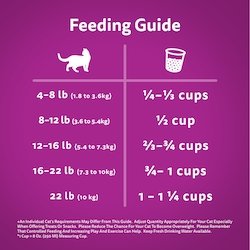
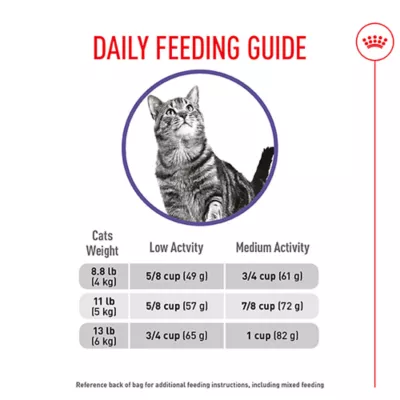
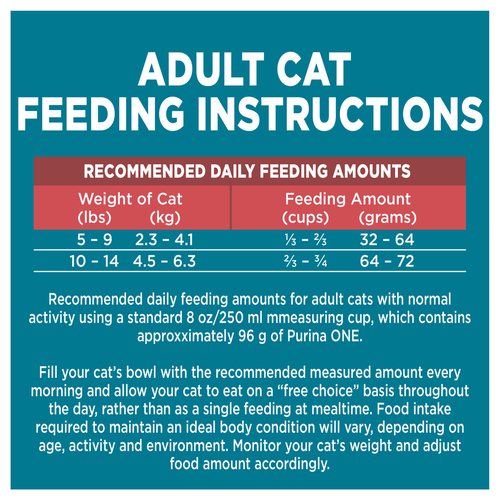
Most canned cat foods provide a suggested serving size based on your cat’s weight. Use these as a starting point, but remember your cat’s needs might vary. For instance, a very active cat or a growing kitten may need more than the label suggests.
Adjust portions gradually and watch your cat’s weight and energy levels. Feeding too much can lead to obesity, while too little might cause nutrient deficiencies. Have you noticed how your cat’s appetite changes with the seasons or activity? That’s a good sign to tweak serving sizes accordingly.
Credit: www.petsmart.com
Calculating Portion Sizes
Determining the right portion size of canned food for your cat is essential to keep them healthy and happy. Overfeeding can lead to obesity, while underfeeding may cause malnutrition. Learning how to calculate portions correctly helps you provide balanced meals tailored to your cat’s needs.
Using Weight-based Formulas
The most reliable way to calculate your cat’s canned food portion is by using their body weight. Typically, cats need about 20 to 30 calories per pound each day, depending on their activity level and age. You can check the calorie content on the can label to figure out how much to feed.
For instance, if your cat weighs 10 pounds and needs 25 calories per pound, that’s 250 calories daily. If one can of food contains 100 calories, your cat should eat about 2.5 cans per day. This approach ensures your cat gets enough energy without overeating.
Have you noticed your cat’s energy level or weight shifting? Adjusting portions based on weight and calorie needs can help maintain their ideal condition.
Dividing Meals Throughout The Day
Splitting the daily portion into multiple smaller meals can improve digestion and keep your cat satisfied. Most cats do well with two to three meals a day, but some prefer more frequent, smaller feedings.
If your cat’s daily amount is 2.5 cans, try feeding one can in the morning, one can in the evening, and half a can as a midday snack. This prevents hunger spikes and reduces begging behavior.
Think about your schedule and your cat’s habits. Can you commit to dividing meals evenly? Consistency helps your cat know when to expect food, which can reduce stress and promote healthy eating habits.
Mixing Canned Food With Dry Food
Mixing canned food with dry food can offer a balanced approach to feeding your cat. This combination allows you to enjoy the benefits of both food types, tailoring meals to your cat’s preferences and nutritional needs. Understanding how to blend these foods properly ensures your cat stays healthy and satisfied.
Benefits Of Combination Feeding
Combining canned and dry food can improve your cat’s hydration since canned food contains more moisture. This helps support kidney health and can reduce urinary tract problems.
Dry food is convenient and helps keep your cat’s teeth clean by reducing plaque buildup. Mixing both types means your cat enjoys variety, which can prevent picky eating habits.
Have you noticed your cat getting bored with the same meal every day? Adding canned food can reignite their interest and make mealtime something they look forward to.
Balancing Nutrients And Calories
Each type of cat food has a different calorie count and nutrient profile. Canned food often has higher protein and moisture but fewer calories per serving than dry food.
To avoid overfeeding, calculate the total daily calories your cat needs, then split the portions between canned and dry food accordingly. This ensures your cat gets enough energy without gaining extra weight.
Here’s a simple way to balance the two:
- Check the calorie content on each food label.
- Decide what percentage of daily calories should come from canned food versus dry food.
- Adjust portion sizes based on your cat’s activity level and weight goals.
Would your cat benefit from a feeding plan that adjusts portions based on their lifestyle? Tracking calories helps you make smarter feeding choices.
Signs Of Overfeeding And Underfeeding
Knowing the signs of overfeeding and underfeeding your cat is crucial to keeping them healthy and happy. Feeding too much canned food can lead to weight gain and health problems, while too little can cause malnutrition and behavioral issues. Watch your cat closely for these key indicators to adjust their diet properly.
Weight Changes
One of the easiest ways to tell if your cat is eating the right amount is by tracking their weight. Sudden weight gain may mean you are giving too much canned food. On the other hand, if your cat is losing weight or looks thinner, they might not be getting enough nutrition.
Try weighing your cat regularly and keep a journal of their food intake. This helps you notice any patterns before they become serious problems. Have you checked your cat’s weight recently?
Behavioral Indicators
Your cat’s behavior can reveal a lot about their feeding needs. Overfed cats might become lazy or less active because they feel sluggish. Conversely, an underfed cat may show increased restlessness, constant meowing, or even try to sneak food from your plate.
Look for changes in their energy levels and appetite. If your cat seems unusually demanding or uninterested in food, it’s time to reconsider their feeding schedule and amount. How does your cat act after meals?
Veterinary Advice
Consulting your vet is essential when you notice signs of overfeeding or underfeeding. They can provide tailored recommendations based on your cat’s age, weight, and health condition. Sometimes, what seems like overfeeding might be a sign of an underlying medical issue.
Don’t hesitate to ask your vet about portion sizes or special dietary needs. Your cat’s health depends on balanced nutrition, and professional guidance can make a big difference. When was your cat’s last vet checkup?
Tips For Feeding Canned Food
Feeding your cat canned food can be a great way to provide moisture and nutrition, but it requires a bit of care and attention. How you store, serve, and even encourage your cat to eat canned food can make a big difference in their health and enjoyment. Let’s look at some practical tips to help you get the most out of canned feeding.
Proper Storage
Once opened, canned food should be stored properly to keep it fresh and safe for your cat. Avoid leaving leftover food in the can, as it can develop a metallic taste and spoil quickly.
- Transfer leftovers to an airtight container before refrigerating.
- Store the container in the fridge and use within 2-3 days.
- Check the smell and appearance before feeding leftovers to your cat.
Have you ever noticed your cat turning away from canned food that’s been left out too long? Proper storage helps prevent waste and keeps your cat’s meals appealing.
Serving Temperature
Serving canned food at the right temperature can make a surprising difference in your cat’s willingness to eat. Cold food straight from the fridge can be off-putting for many cats.
- Let the food sit at room temperature for about 10-15 minutes before serving.
- If in a hurry, warm the food slightly using a microwave for 5-10 seconds—never hot.
- Stir the food well to avoid hot spots.
Does your cat seem more excited about meals when the food smells warm? That’s their natural instinct, as warm food mimics freshly caught prey.
Encouraging Picky Eaters
Some cats can be very particular about canned food. If your cat refuses to eat, small changes might help.
- Mix a bit of canned food with their dry kibble to introduce the new texture gradually.
- Add a small amount of warm water or low-sodium broth to enhance aroma and soften the food.
- Try different flavors or brands—variety can spark interest.
I once had a cat who ignored all canned food until I added a spoonful of tuna juice. It was a game changer. What subtle tweaks could make your cat more enthusiastic about mealtime?
Credit: www.sobeys.com
Credit: stellarnook.com
Frequently Asked Questions
How Much Canned Food Should I Feed My Cat Daily?
Feed your cat about 3 ounces of canned food per 5 pounds of body weight daily. Adjust portions based on activity and age to maintain a healthy weight.
Can I Feed Only Canned Food To My Cat?
Yes, cats can eat only canned food if it is nutritionally complete. Ensure the food contains all essential nutrients and consult your vet.
How Often Should I Feed Canned Food To My Cat?
Feed canned food two to three times a day in measured portions. Regular feeding helps maintain steady energy and supports digestion.
Is Canned Food Better Than Dry Food For Cats?
Canned food has higher moisture, which helps hydration. It’s often more palatable but costlier than dry food. Choose based on your cat’s needs.
Conclusion
Feeding your cat the right amount of canned food keeps them healthy and happy. Watch their weight and energy to adjust portions as needed. Cats have different needs based on age, size, and activity. Always provide fresh water alongside their meals.
Remember, quality matters more than quantity. Consult your vet for personalized advice. Feeding with care shows your love and helps your cat thrive. Simple steps make a big difference in your pet’s life.
