

If you’re a cat owner, you know how frustrating hairballs can be—for both you and your furry friend. Those little lumps can cause discomfort for your cat and messes around your home.
But what if you could help reduce hairballs through your cat’s food? Choosing the right cat hairball control food can make a big difference in your pet’s comfort and your peace of mind. Keep reading to discover how the right nutrition can keep hairballs at bay and make your cat feel healthier and happier.
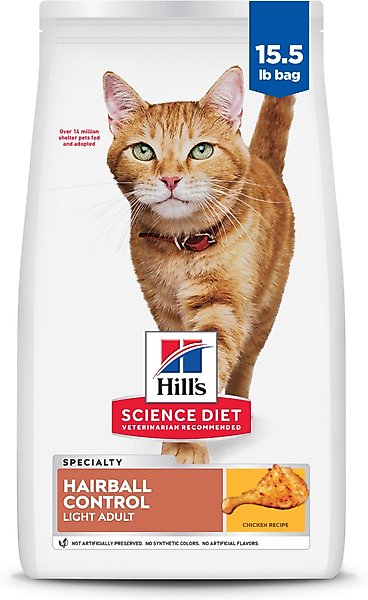
Credit: www.chewy.com
Causes Of Cat Hairballs
Understanding the causes of cat hairballs is key to managing them effectively. Hairballs happen when your cat swallows loose fur during grooming, which then accumulates in their stomach. Knowing what triggers this can help you choose the right hairball control food and other solutions to keep your cat comfortable.
How Cats Ingest Hair
Cats spend a significant part of their day grooming themselves with their tongues. Their rough tongues catch loose hair and pull it into their mouths. This hair then travels down to their stomach, where it can form clumps if not passed naturally.
Have you noticed your cat licking more than usual during shedding season? This increased grooming often leads to more hair ingestion and, consequently, more hairballs.
Common Triggers For Hairballs
Shedding is one of the main triggers for hairball formation. During seasonal changes, cats shed more, increasing the amount of loose fur they swallow.
Other triggers include stress, poor diet, and inadequate hydration. Stress can make cats groom excessively, while a diet low in fiber can slow hair passage through the digestive system.
- Seasonal shedding
- Stress or anxiety
- Low-fiber diets
- Dehydration
Breed And Age Factors
Long-haired breeds like Persians and Maine Coons are more prone to hairballs because their thick fur sheds heavily. Short-haired cats can get hairballs too, but generally less often.
Age also plays a role. Older cats may groom less effectively, leading to more loose hair in their stomach. They might also have slower digestion, which can worsen hairball issues.
Does your cat’s breed or age make hairball control food a more urgent need? Tailoring their diet to these factors can make a big difference.
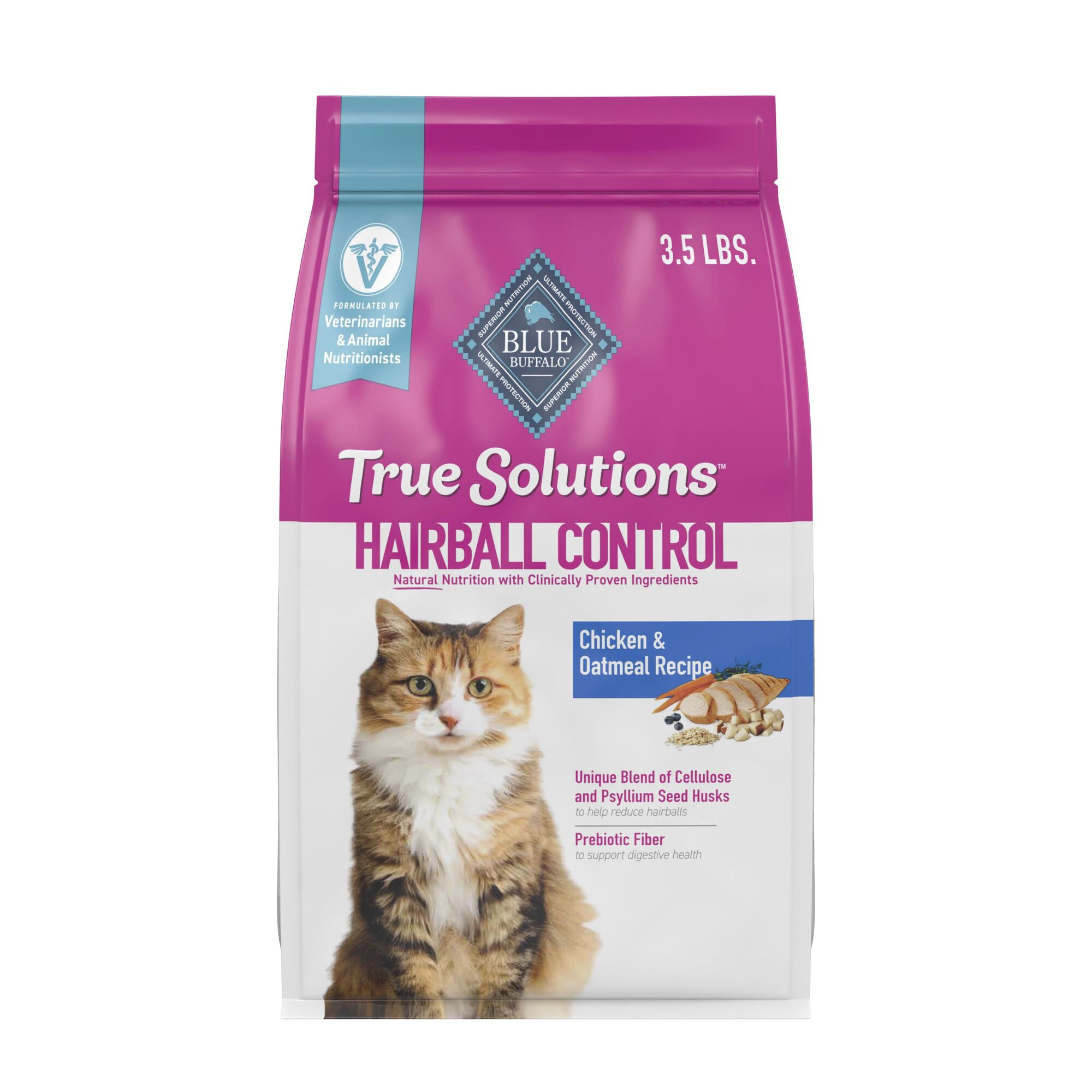
Credit: www.walmart.com
Symptoms Of Hairball Issues
Hairballs can be more than just a messy nuisance for your cat. Recognizing the symptoms early can help you manage their discomfort and prevent more serious health issues. Knowing what to look for allows you to take action and choose the right hairball control food to support your cat’s digestive health.
Signs Your Cat Has Hairballs
Hairballs often show up as coughing or gagging, but it’s not always obvious. You might notice your cat retching repeatedly or making hacking sounds without producing anything. This can be alarming, especially if it happens frequently.
Other signs include:
- Vomiting up clumps of fur
- Loss of appetite or reluctance to eat
- Constipation or changes in stool
- Lethargy and unusual hiding behavior
One time, my cat started coughing several times a day and seemed less playful. A quick check showed she had hairballs causing her discomfort. Switching to a specialized hairball control food made a noticeable difference within a week.
When To See A Vet
Hairballs are normal to some extent, but persistent symptoms need professional attention. If your cat is vomiting frequently, has trouble passing stool, or shows signs of pain, don’t wait.
Watch closely for:
- Repeated vomiting without producing hairballs
- Signs of dehydration like dry gums or sunken eyes
- Abdominal swelling or discomfort
- Sudden weight loss or behavioral changes
Ignoring these signs can lead to serious blockages or infections. A vet can check for complications and recommend treatments, including the best diet options to reduce hairball formation.
Types Of Hairball Control Foods
Cat hairball control foods come in different types to help reduce hairball issues. Choosing the right type depends on your cat’s needs and preferences. Each type works in a unique way to support digestion and hair passage.
High-fiber Diets
High-fiber diets include extra fiber to move hair through the digestive system. Fiber helps prevent hair from forming clumps in the stomach. It also supports regular bowel movements, which reduce hairball formation.
Common fiber sources in cat food are beet pulp, psyllium husk, and cellulose. These ingredients improve digestion and keep hair moving smoothly. High-fiber diets also help maintain a healthy gut for your cat.
Specialized Hairball Formulas
Specialized hairball formulas contain specific ingredients to break down hair inside the stomach. These foods often have lubricants like oils or fats. Lubricants make it easier for hair to pass through the digestive tract.
These formulas may include added vitamins and minerals to support skin and coat health. A healthy coat means less shedding and fewer hairballs. Specialized foods target hairball problems with balanced nutrition.
Natural Ingredient Options
Natural ingredient options use plant-based fibers and oils to control hairballs. Ingredients like pumpkin, flaxseed, and natural oils support digestion naturally. These foods avoid artificial additives and focus on wholesome nutrition.
Natural options can be gentler on your cat’s stomach. They promote overall wellness while reducing hairball issues. Cats with sensitive digestion may benefit from these gentle formulas.

Credit: www.amazon.com
Key Ingredients To Look For
Choosing the right cat hairball control food means understanding what ingredients help reduce hairballs. Certain components support digestion and help move swallowed hair through the digestive tract. These ingredients also keep your cat’s coat healthy and skin hydrated. Knowing what to look for makes it easier to pick the best food for your feline friend.
Fiber Sources
Fiber is key to moving hair through the digestive system. It helps hair pass naturally without forming clumps. Common fiber sources include:
- Beet pulp
- Oat bran
- Rice bran
- Pumpkin
These fibers add bulk to stool and improve digestion. They reduce the chance of hairballs forming in the stomach.
Lubricants And Oils
Oils and lubricants coat swallowed hair and ease its passage. They keep the digestive tract smooth and help hair slide through. Look for:
- Fish oil
- Flaxseed oil
- Sunflower oil
These oils also support healthy skin and a shiny coat, reducing shedding and hairball formation.
Digestive Enzymes
Digestive enzymes break down food and improve nutrient absorption. They aid in digesting hair and other materials in the stomach. Key enzymes include:
- Protease
- Amylase
- Lipase
These enzymes keep your cat’s digestive system working smoothly and reduce discomfort from hairballs.
Benefits Of Hairball Control Food
Hairball control food offers many benefits for cats prone to hairball issues. It helps manage hair ingestion naturally and supports overall cat health. Feeding the right food can reduce discomfort and keep your cat happy.
Reducing Hairball Formation
Hairball control food contains special fibers that help move swallowed hair through the digestive tract. This reduces the chance of hairballs forming in the stomach. It makes hair easier to pass in stools, lowering hairball buildup.
Improving Digestive Health
These foods support good digestion with balanced fiber and nutrients. They promote healthy bowel movements and prevent constipation. A healthy gut helps your cat absorb nutrients better and stay active.
Enhancing Coat Quality
Hairball control food often includes omega fatty acids and vitamins. These ingredients nourish the skin and coat. A shiny, healthy coat means less shedding and less hair to swallow.
Choosing The Right Food For Your Cat
Choosing the right food for your cat is key to managing hairballs effectively. Cats with frequent hairballs need special nutrition to keep their digestive system healthy. The right food helps reduce hairball formation and supports your cat’s overall well-being.
Assessing Your Cat’s Needs
Every cat is unique. Age, breed, and lifestyle affect their dietary needs. Long-haired cats often need food that controls hairballs better than short-haired cats. Cats with sensitive stomachs require gentle ingredients. Notice your cat’s hairball frequency and general health. This helps select the most suitable food.
Reading Food Labels
Food labels reveal important information. Look for foods with added fiber to help move hair through the digestive tract. Ingredients like beet pulp and psyllium husk are good sources. Check for natural oils that promote a healthy coat. Avoid foods with too many fillers or artificial additives. Quality ingredients make a big difference.
Consulting With Your Veterinarian
Veterinarians provide expert advice on diet choices. They understand your cat’s health history and specific needs. Share details about your cat’s hairball issues and eating habits. Your vet can recommend foods or supplements that support hairball control. Trust their guidance to keep your cat healthy and comfortable.
Feeding Tips For Hairball Management
Managing hairballs in cats requires more than just special food. Proper feeding habits play a big role in reducing hairball issues. The right meal schedule and portion size help digestion and lower hairball formation. Combining diet with grooming makes the process smoother. Watching your cat’s reaction to changes ensures the best results.
Meal Frequency And Portions
Feed your cat small meals throughout the day. This helps prevent overeating and hairball buildup. Split the daily food amount into three or four servings. Smaller portions improve digestion and keep your cat’s stomach calm. Avoid free-feeding, as it can lead to excess hair ingestion.
Combining Diet With Grooming
Groom your cat regularly to remove loose hair. Brushing reduces the hair your cat swallows. Use a soft brush suitable for your cat’s fur type. Grooming before meals can lower hair intake during eating. Clean your cat’s fur daily, especially during shedding seasons.
Monitoring Your Cat’s Response
Watch for changes in your cat’s hairball frequency. Note any digestive issues or appetite changes. If hairballs persist, adjust meal size or frequency. Track your cat’s weight and energy to ensure health. Consult a vet if problems continue despite feeding and grooming efforts.
Alternative Hairball Remedies
Hairballs can be uncomfortable for cats and frustrating for owners. Alternative hairball remedies help reduce hairball formation and ease your cat’s discomfort. These methods support the digestive system and keep your cat’s coat healthy.
Hairball Supplements
Hairball supplements often contain fiber and lubricants. These help move hair through the digestive tract. Common ingredients include malt, psyllium husk, and mineral oils. They come in paste, chew, or powder form. Regular use can reduce hairball frequency. Always follow the dosage instructions on the package.
Regular Brushing
Brushing your cat removes loose fur before it can be swallowed. It lowers the amount of hair your cat ingests. Use a brush suited to your cat’s fur type. Brushing daily is ideal for long-haired cats. Short-haired cats benefit from brushing a few times a week. This simple step improves coat health and reduces hairballs.
Hydration Importance
Water helps keep your cat’s digestive system moving. Proper hydration softens the hair in the stomach. This makes hairballs easier to pass or avoid. Provide fresh water at all times. Wet cat food is a good way to increase water intake. Hydration supports overall health and reduces hairball problems.
Common Mistakes To Avoid
Dealing with cat hairballs can be frustrating, especially when you’re trying to manage them through specialized hairball control food. However, certain mistakes can make your efforts less effective or even worsen the problem. Knowing what to avoid helps you support your cat’s health more effectively and keeps those hairballs under control.
Ignoring Persistent Hairballs
Hairballs are normal to some extent, but persistent vomiting or frequent hairballs might signal a bigger issue. If your cat keeps coughing up hairballs despite eating hairball control food, don’t just accept it as part of life. Persistent hairballs could mean digestive problems or other health concerns that need attention.
Ignoring this can delay important treatment. Ask yourself: How often is my cat coughing up hairballs? Is there any change in their behavior or appetite? These questions can guide you to seek help early.
Overfeeding Hairball Products
More isn’t always better with hairball control food. Overfeeding can lead to weight gain and digestive upset, which might make your cat feel worse. It’s tempting to give extra servings hoping for faster results, but that can backfire.
Follow the feeding guidelines carefully, and consider your cat’s activity level and overall diet. If you’re unsure about the right amount, consult your vet instead of guessing. Have you ever increased your cat’s food portions and noticed any negative changes?
Delaying Veterinary Advice
Sometimes, hairballs can be a sign of underlying health problems like allergies, intestinal blockages, or skin conditions. Waiting too long to get veterinary advice might let these issues worsen. Early intervention can save your cat discomfort and prevent complications.
Don’t hesitate to schedule a vet visit if hairballs become frequent or if you notice other symptoms like weight loss or lethargy. Your cat’s health is worth the prompt attention. What might you be overlooking about your cat’s condition that a vet could catch?
Frequently Asked Questions
What Is Cat Hairball Control Food?
Cat hairball control food is specially formulated cat food. It helps reduce hairball formation by aiding digestion. It contains fiber and nutrients that promote healthy hair and gut movement. This food supports cats who groom frequently and struggle with hairballs.
How Does Hairball Control Food Work For Cats?
Hairball control food works by increasing dietary fiber. Fiber helps move swallowed hair through the digestive tract. It also contains ingredients that support healthy skin and coat. This reduces hair shedding and hairball formation over time. Regular feeding improves overall digestive health.
Which Ingredients Help Reduce Cat Hairballs?
Ingredients like beet pulp, psyllium husk, and cellulose fiber help. These fibers increase gut motility to pass hair naturally. Omega-3 fatty acids support healthy skin and reduce shedding. Some formulas also include natural lubricants to ease hair passage through intestines.
Can Hairball Control Food Prevent All Hairballs?
Hairball control food significantly reduces hairballs but may not prevent all. Cats that groom excessively or have long fur may still form hairballs. Combining food with regular grooming and hydration gives the best results. Consult a vet if hairballs persist despite control food.
Conclusion
Choosing the right food helps reduce your cat’s hairballs. It supports healthy digestion and keeps your cat comfortable. Feeding special hairball control food can improve your cat’s quality of life. Watch your cat closely for any changes in behavior. A balanced diet makes hairball problems less common.
Keep your pet happy and healthy with good nutrition. Small changes in food can bring big relief. Your cat deserves the best care every day.
