

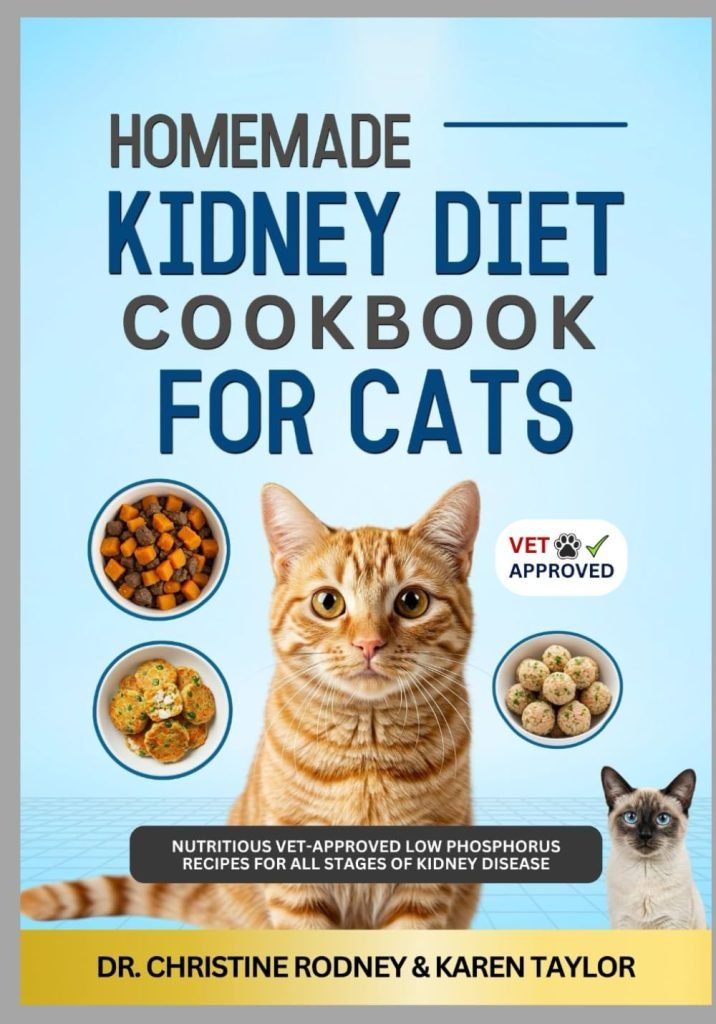
If your cat has kidney disease, you want to give them the best care possible. One of the most important things you can do is choose the right food.
What your cat eats can make a big difference in how they feel every day. But with so many options out there, it’s easy to feel overwhelmed. This article will guide you step-by-step to find the perfect food that supports your cat’s kidneys and keeps them happy.
Keep reading to discover simple, effective ways to improve your cat’s health through their diet.
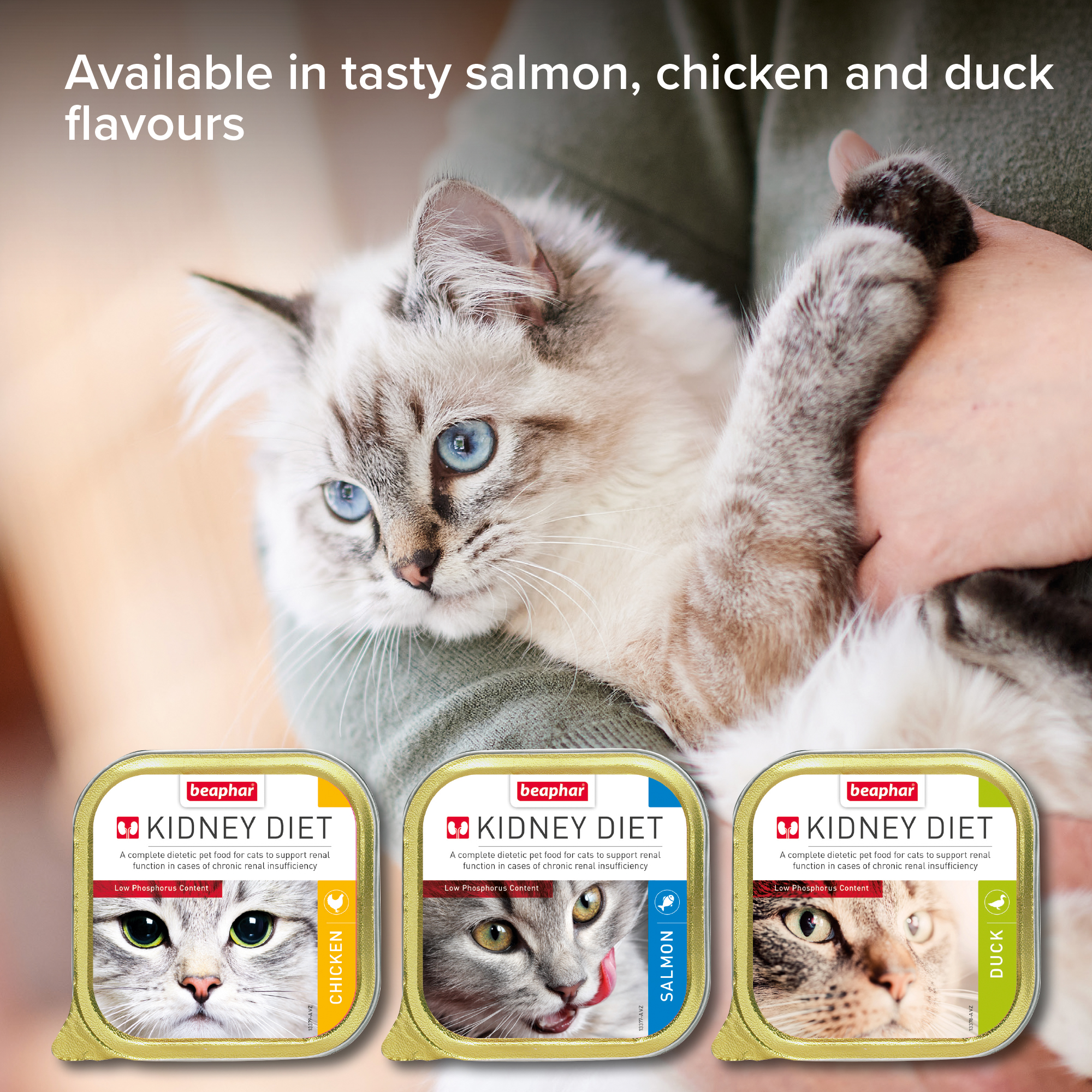
Credit: www.beaphar.co.uk
Kidney Disease In Cats
Kidney disease in cats is a serious health issue that affects many feline companions, especially as they age. Understanding the causes and symptoms can help you catch the problem early and improve your cat’s quality of life. Let’s look closer at what kidney disease means for your cat and how it impacts their overall health.
Causes And Symptoms
Kidney disease often develops slowly, making it hard to notice at first. Common causes include aging, infections, toxins, and genetics. Sometimes, your cat might get exposed to harmful substances like antifreeze or certain medications that damage the kidneys.
Symptoms can be subtle. You might see increased thirst and urination, weight loss, or a decrease in appetite. Some cats become lethargic or vomit frequently. If your cat shows any of these signs, it’s crucial to visit the vet for testing.
Impact On Cat Health
Kidney disease affects many body functions since kidneys filter waste and balance fluids. When kidneys fail, toxins build up in your cat’s body, making them feel sick. This can lead to dehydration, high blood pressure, and anemia.
Your cat’s energy and mood will likely drop. They may hide more or stop enjoying playtime. Have you noticed changes like these in your cat? Early intervention can slow disease progression and improve their comfort.
Dietary Needs For Cats With Kidney Disease
Cats with kidney disease need special diets to support their health. Their kidneys cannot filter waste well. Food must ease the kidneys’ work. The right diet helps slow disease progress. It also improves quality of life. Understanding their dietary needs is key to managing kidney disease effectively.
Key Nutrients To Focus On
- Protein:Moderate high-quality protein helps maintain muscle without straining kidneys.
- Phosphorus:Lower phosphorus levels reduce kidney damage and slow disease progression.
- Omega-3 Fatty Acids:Fish oils reduce inflammation and support kidney health.
- Water:Encouraging hydration helps flush toxins and supports kidney function.
- Antioxidants:Vitamins C and E protect kidney cells from damage.
Nutrients To Limit Or Avoid
- Sodium:Excess salt can increase blood pressure and harm kidneys.
- Excess Protein:Too much protein creates more waste for kidneys to process.
- Phosphorus:High phosphorus speeds kidney decline and must be limited.
- Potassium:Levels need monitoring; too much or too little can cause issues.
- Artificial Additives:Avoid preservatives and flavor enhancers that may stress kidneys.
Top Nutritious Food Choices
Choosing the right food for cats with kidney disease can make a big difference in their health and comfort. Kidney issues require a special diet that supports kidney function without adding extra strain. Here are some key food choices to help you provide the best nutrition for your feline friend.
Wet Vs. Dry Food
Wet food offers higher moisture content, which helps keep your cat hydrated—a crucial factor for kidney health. It’s easier to eat and digest, making it ideal for cats with decreased appetite.
Dry food, on the other hand, often contains more phosphorus and less water. However, if you choose dry food, look for formulations specifically made for kidney support. Have you noticed if your cat prefers one texture over the other? That preference can guide your choice.
High-quality Protein Sources
Protein is essential, but too much can burden the kidneys. Focus on high-quality proteins like chicken, turkey, or fish, which provide necessary nutrients without excess waste products.
Some kidney-friendly diets use egg whites or lean meats to balance protein needs. What protein sources does your cat enjoy the most? Offering their favorite could improve their willingness to eat.
Low Phosphorus Ingredients
Phosphorus can accelerate kidney damage if levels are too high. Foods with reduced phosphorus help slow the progression of kidney disease.
Look for ingredients like rice or sweet potatoes instead of grains high in phosphorus. You might be surprised how much difference this makes in your cat’s energy and wellbeing.
Essential Fatty Acids
Omega-3 fatty acids support kidney function and reduce inflammation. Fish oil supplements or foods rich in these fats can benefit cats with kidney disease.
Adding a small amount of omega-3s can improve coat health and overall vitality. Have you tried including these fats in your cat’s diet yet?
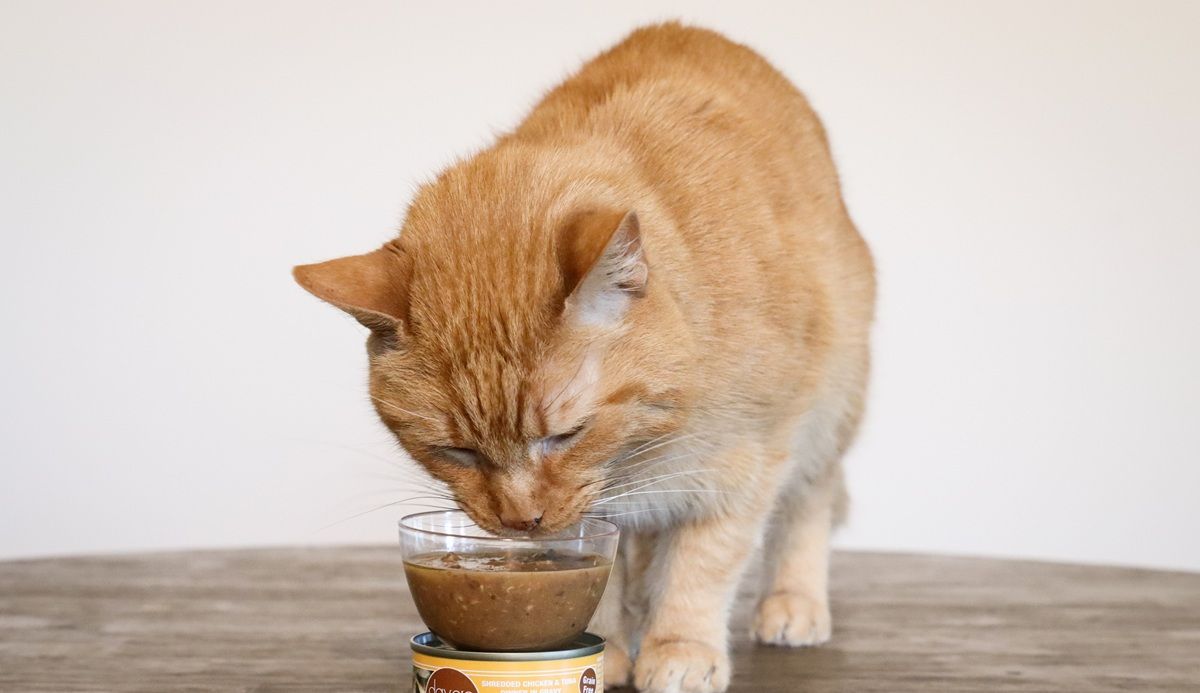
Credit: cats.com
Homemade Diets And Recipes
Feeding your cat with kidney disease a homemade diet can feel overwhelming at first. But it’s a chance to control exactly what they eat and support their health naturally. You’ll want to focus on ingredients that are gentle on their kidneys and provide the right balance of nutrients.
Safe Ingredients For Kidney Health
Choosing safe ingredients is the foundation of a homemade kidney-friendly diet. Low phosphorus and moderate protein sources are key to easing the kidney’s workload.
- Lean meats:Skinless chicken, turkey, and rabbit are great protein options that don’t overload the kidneys.
- Fish:White fish like cod or haddock offer gentle protein and omega-3 fatty acids which may help reduce inflammation.
- Eggs:A well-cooked egg provides high-quality protein that’s easy to digest.
- Vegetables:Pumpkin, carrots, and green beans add fiber and vitamins without harmful minerals.
- Supplements:Talk to your vet about adding omega-3 oils or potassium if your cat’s diet needs a boost.
Have you noticed how certain meats affect your cat’s appetite? Using ingredients they love can encourage eating, which is vital for cats with kidney issues.
Sample Meal Ideas
Creating meals at home doesn’t have to be complicated. Simple recipes often work best for cats recovering or managing kidney disease.
| Meal | Ingredients | Preparation |
|---|---|---|
| Chicken & Pumpkin Stew | 100g skinless chicken breast, 2 tbsp cooked pumpkin, 1 tsp fish oil | Boil chicken until tender, mash pumpkin, mix with fish oil, serve lukewarm |
| Fish & Veggie Mash | 80g white fish fillet, 1 tbsp cooked green beans, 1 boiled egg yolk | Steam fish and beans, mash together with egg yolk, cool before serving |
| Turkey & Carrot Mix | 90g ground turkey, 2 tbsp cooked carrots, pinch of taurine supplement | Cook turkey thoroughly, blend with soft carrots and taurine, serve fresh |
How much time can you realistically dedicate to preparing meals? Even a few simple recipes can make a huge difference if you focus on consistency and quality.
Commercial Kidney Support Foods
Commercial kidney support foods offer a convenient way to manage your cat’s kidney health. These specially formulated diets help reduce the workload on the kidneys while providing essential nutrients. Choosing the right product can make a big difference in your cat’s quality of life.
Popular Brands And Formulas
Several trusted brands create kidney support foods designed specifically for cats. Hill’s Prescription Diet k/d, Royal Canin Renal Support, and Purina Pro Plan Veterinary Diets NF are among the top choices recommended by veterinarians.
Hill’s k/d is known for its balanced protein and low phosphorus content, which helps slow kidney damage. Royal Canin offers multiple formula options, including wet and dry foods, tailored for different stages of kidney disease. Purina Pro Plan NF focuses on reducing toxins that kidneys struggle to filter.
Have you noticed how your cat responds differently to each formula? Sometimes, texture and flavor preferences can influence how well they stick to the diet. That’s why exploring different brands might be necessary to find the best fit.
What To Look For On Labels
Reading labels carefully is crucial when selecting kidney support foods. Look for reduced protein levels that are high quality, as this eases kidney strain without causing malnutrition.
Phosphorus content should be low because excess phosphorus worsens kidney damage. Omega-3 fatty acids, often listed as fish oil or EPA and DHA, help reduce inflammation and support kidney function.
Also, check for added antioxidants like vitamin E and C, which protect cells from damage. Avoid foods with excessive sodium, as it can lead to dehydration and increased kidney workload.
- Low protein but high-quality sources
- Reduced phosphorus levels
- Added omega-3 fatty acids
- Antioxidants like vitamins E and C
- Limited sodium content
Have you ever wondered why some kidney diets include extra fiber? Fiber can help control toxin buildup by improving digestion, which eases the kidneys’ filtering job.
Feeding Tips And Hydration
Feeding a cat with kidney disease requires special care to support their health without overwhelming their sensitive system. You must focus on both encouraging your cat to eat and ensuring they stay well hydrated. These two factors play a crucial role in managing kidney issues and improving your cat’s quality of life.
Encouraging Appetite
Kidney disease often reduces a cat’s desire to eat, which can be frustrating to watch. Try offering smaller, more frequent meals instead of one or two large portions. This can make eating feel less overwhelming and more manageable for your cat.
Warming up food slightly can enhance its smell and make it more appealing. Sometimes adding a bit of low-sodium broth or a small amount of tuna juice can entice your cat to eat. Have you noticed your cat preferring wet food over dry? Wet food is usually easier to eat and can be more appealing to cats with kidney issues.
Switching flavors or textures regularly might also spark interest. It’s about patience and observation—what works for one cat might not work for another. Are you tracking which foods your cat enjoys most? This can help you tailor meals to their preferences.
Increasing Water Intake
Hydration is vital for cats with kidney disease, as it helps flush toxins from their bodies. Encourage your cat to drink more water by placing multiple water bowls around your home. Sometimes cats prefer fresh, running water, so a pet water fountain can be a good investment.
Adding water or broth to your cat’s food is an effective way to boost fluid intake without relying solely on drinking. You can also try offering ice cubes as treats—some cats enjoy licking them, which adds extra moisture to their diet.
Monitor your cat’s water intake closely and watch for signs of dehydration like dry gums or lethargy. If your cat resists drinking, consult your vet promptly for advice tailored to your cat’s needs. What strategies have you tried to keep your cat hydrated?
Monitoring And Adjusting Diet
Adjusting your cat’s diet for kidney disease isn’t a one-time task. It requires ongoing monitoring to ensure the food you provide is helping, not harming. Your observations and small tweaks can make a big difference in your cat’s health and comfort.
Signs Of Improvement Or Decline
Watch your cat’s energy levels closely. Increased playfulness and alertness usually mean the diet is working well.
Check their appetite daily. A steady or growing interest in food signals progress, while refusal to eat can be a warning.
Keep an eye on their weight. Losing too much weight too fast or gaining excess weight can both be signs that the diet needs adjustment.
Notice changes in thirst and urination. If your cat drinks or urinates more than usual, it could indicate kidney stress despite the diet.
Also, monitor for vomiting, diarrhea, or unusual behavior. These might show that certain ingredients aren’t agreeing with your cat.
When To Consult A Vet
If you see any worrying signs like persistent vomiting, lethargy, or drastic weight loss, don’t hesitate to call your vet. Early intervention can prevent serious complications.
Regular checkups are crucial. Schedule vet visits every few months to track kidney function and adjust the diet based on test results.
Ask your vet about specific food brands or homemade diet options tailored to your cat’s condition. They can provide guidance based on the latest research and your cat’s needs.
Remember, your vet is your best partner in managing your cat’s kidney health. When was the last time you discussed your cat’s diet with them?
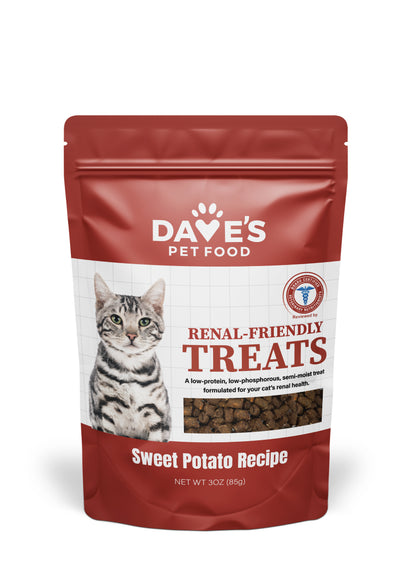
Credit: davespetfood.com
Frequently Asked Questions
What Foods Help Cats With Kidney Disease?
For cats with kidney disease, consider low-phosphorus, high-quality protein foods. Canned food is often recommended due to higher moisture content. Prescription diets specifically formulated for kidney health can be beneficial. Always consult with your veterinarian for personalized dietary recommendations.
Can Dry Food Harm Cats With Kidney Disease?
Dry food can be harmful as it lacks moisture, which is crucial. Cats with kidney disease need hydration. Opting for wet or canned food can help maintain kidney function. Consult your vet for the best dietary options tailored to your cat’s needs.
Is Homemade Food Better For Kidney Disease In Cats?
Homemade food can be beneficial if properly balanced for kidney health. It allows control over ingredients, ensuring low phosphorus and high-quality protein. However, consulting with a vet or a pet nutritionist is essential for creating a suitable diet plan.
Should Cats With Kidney Disease Avoid Protein?
Cats with kidney disease should not avoid protein entirely. They need high-quality, easily digestible proteins. The focus should be on reducing phosphorus intake rather than protein. It’s crucial to consult a vet for appropriate dietary adjustments.
Conclusion
Feeding cats with kidney disease takes care and attention. Choose foods low in protein and phosphorus. Keep your cat hydrated with fresh water always. Small, frequent meals help maintain energy and appetite. Regular vet visits ensure your cat stays healthy.
Watch your cat’s weight and behavior closely. Good nutrition supports their comfort and quality of life. Caring for a cat with kidney disease needs patience and love. Every meal counts in helping them feel better. Your effort makes a big difference in their health.
