

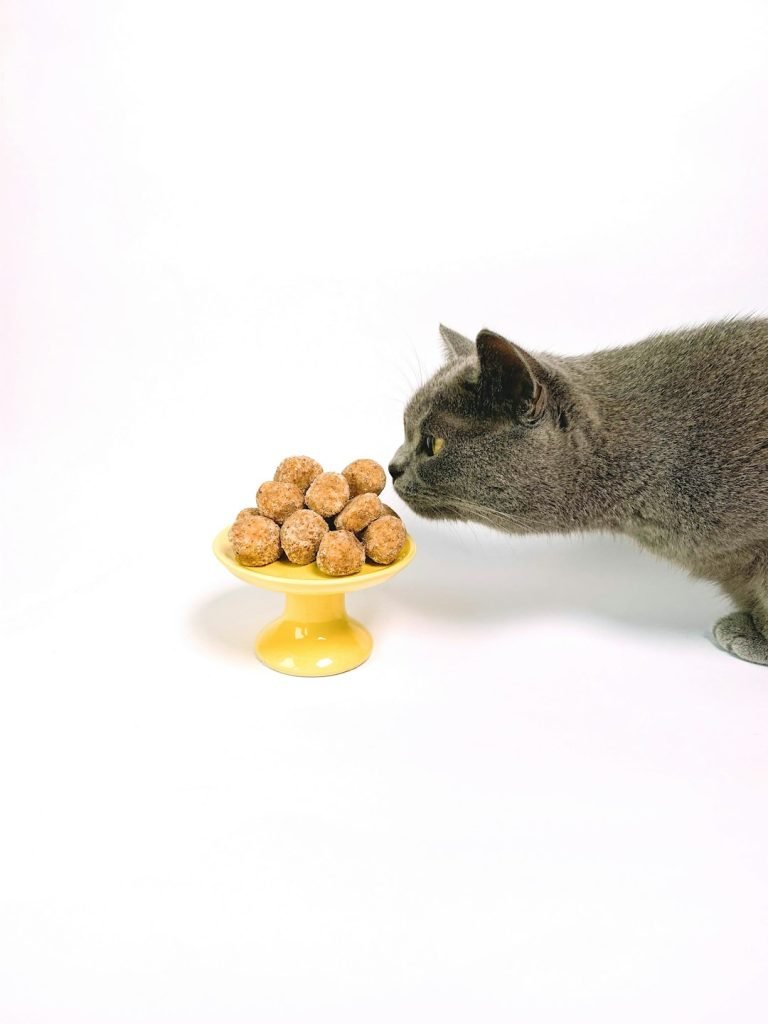
If you have a senior cat, you know how important it is to keep them comfortable and healthy. Choosing the right food can make a big difference in their energy and happiness.
Soft dry cat food for senior cats is designed to meet their special needs. It’s easier to chew, gentle on their teeth, and packed with nutrients that support aging bodies. You’ll discover why soft dry food might be the perfect choice for your furry friend and how it can improve their quality of life.
Keep reading to learn how to give your senior cat the care they deserve.
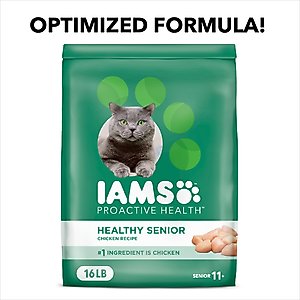
Credit: www.chewy.com
Benefits Of Soft Dry Cat Food
Choosing the right food for your senior cat can make a big difference in their comfort and health. Soft dry cat food offers unique benefits that support aging cats in ways traditional dry kibble might not. It combines ease of eating, hydration support, and appealing taste, all tailored to your cat’s changing needs.
Easier Chewing For Older Cats
As cats age, their teeth may weaken, and chewing hard kibble can become painful. Soft dry cat food has a gentler texture that reduces the strain on their teeth and gums. This helps your senior cat enjoy their meals without discomfort, encouraging consistent eating habits.
If you’ve noticed your cat dropping food or avoiding meals, switching to softer options could be the solution. It’s not just about softness; the food still retains a dry-like crunch, which keeps the eating experience interesting for your cat.
Improved Hydration
Senior cats often drink less water, which can lead to dehydration and urinary issues. Soft dry cat food contains more moisture than traditional dry kibble, helping to boost your cat’s fluid intake. This subtle increase in hydration supports kidney health and overall wellbeing.
Have you ever tried mixing water with dry food and seen your cat lose interest? Soft dry cat food naturally includes moisture without dilution, making it more appealing. This can be a practical way to keep your senior cat hydrated without extra effort.
Palatability And Taste
Older cats can develop picky eating habits or lose interest in bland food. Soft dry cat food often has enhanced flavors and aromas that appeal to your cat’s senses. This can encourage them to eat more regularly and maintain a healthy weight.
Think about your own food preferences as you age—wouldn’t you want meals that excite your taste buds? Your senior cat is no different. Choosing food that tastes good can make mealtime a positive experience and improve their quality of life.
Key Nutrients For Senior Cats
Senior cats need special nutrients to stay healthy and active. Their bodies change with age, so their diet must support these changes. Soft dry cat food can provide these key nutrients in a gentle form, easy for older cats to eat and digest.
Protein Quality And Quantity
Protein helps maintain muscles and repair tissues in senior cats. High-quality protein sources like chicken, fish, or turkey are best. Older cats need enough protein but not too much to avoid kidney strain. Balanced protein supports strong muscles and overall health.
Essential Fatty Acids
Fatty acids like omega-3 and omega-6 keep skin and coat healthy. They also reduce inflammation and support brain function. These fats improve joint comfort and help with mobility. Soft dry foods often include fish oil or flaxseed as sources.
Vitamins And Minerals
Vitamins A, E, and C protect cells and boost the immune system. Minerals like calcium and phosphorus keep bones strong. Senior cats need antioxidants to fight aging effects. Proper vitamins and minerals support energy and wellness daily.
Joint Support Ingredients
Ingredients like glucosamine and chondroitin help keep joints flexible. They reduce stiffness and ease movement for older cats. Soft dry food with these supplements supports active and comfortable living. Maintaining joint health is key for senior cat happiness.
Selecting The Right Soft Dry Food
Choosing the right soft dry food for your senior cat can be tricky. As cats age, their nutritional needs change, and so does their ability to chew and digest food. You want to find a product that supports their health while being gentle on their teeth and stomach.
Reading Ingredient Labels
Look closely at the ingredient list to understand what you’re feeding your cat. Ingredients are listed by weight, so the first few items are the most important. Prioritize foods with real meat or fish as the top ingredients—these provide essential proteins and amino acids.
Avoid vague terms like “meat by-products” or “animal digest.” Instead, seek specific sources like “chicken meal” or “salmon.” Also, check for added vitamins and minerals that support joint health and immune function, which are crucial for older cats.
Avoiding Harmful Additives
Many soft dry cat foods contain artificial colors, flavors, or preservatives that can upset your senior cat’s digestion or cause allergies. Watch out for ingredients like BHA, BHT, and ethoxyquin, which are linked to health risks.
Natural preservatives like mixed tocopherols (vitamin E) are safer choices. If your cat has shown signs of food sensitivity, consider grain-free options or formulas without common allergens such as corn or soy.
Brands Specializing In Senior Nutrition
Some brands focus specifically on the needs of senior cats, offering formulas designed to support aging joints, kidney health, and weight management. These brands often include supplements like glucosamine, omega-3 fatty acids, and antioxidants.
Brands such as Hill’s Science Diet, Royal Canin, and Blue Buffalo have dedicated senior lines. However, remember that every cat is unique—what works for one might not suit another. Have you noticed your cat’s energy levels or coat quality improve after switching to a senior-specific formula?
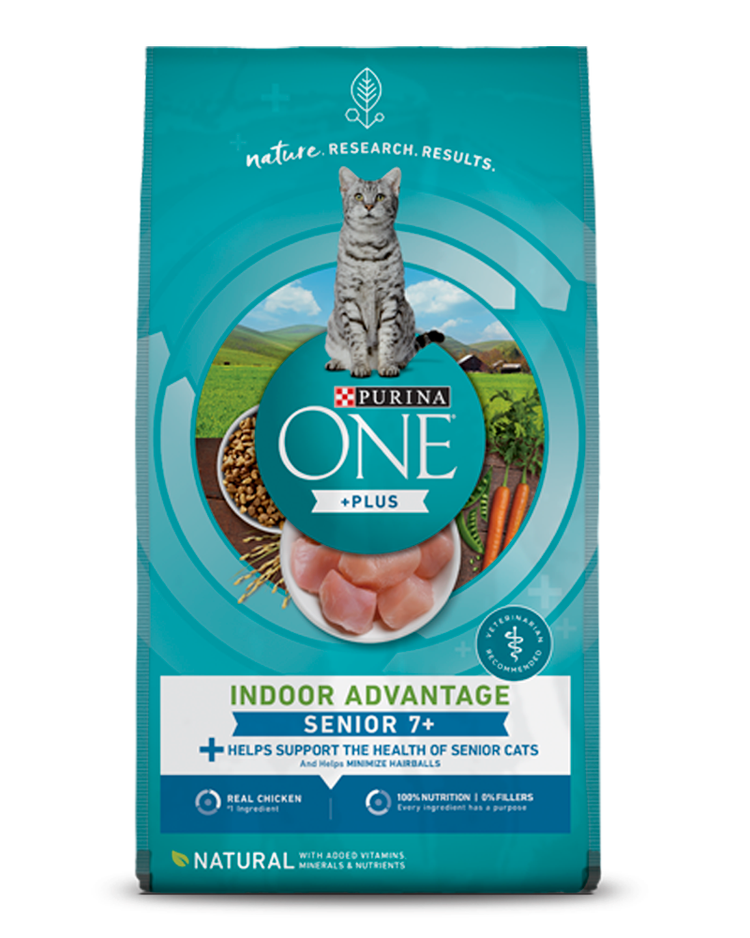
Credit: www.purina.com
Feeding Tips For Senior Cats
Feeding senior cats requires special care and attention. Their bodies change, and so do their nutritional needs. Soft dry cat food is a great option, but feeding it properly matters a lot. Here are some useful tips to help you feed your older cat the right way.
Portion Control And Frequency
Senior cats often eat less than younger cats. Overfeeding can lead to weight gain and health issues. Divide their daily food into smaller portions. Serve meals two to three times a day to keep their energy steady. Watch their appetite and adjust portions as needed. Consistency helps avoid digestive problems.
Transitioning To Soft Dry Food
Switching foods suddenly can upset your cat’s stomach. Mix the new soft dry food with the old food. Start with a small amount of soft food and increase it gradually. This process should take about one to two weeks. It helps your cat get used to the new texture and taste without stress.
Monitoring Weight And Health
Keep track of your cat’s weight regularly. Use a simple scale or visit the vet for check-ups. Look for signs like changes in eating habits or energy levels. Soft dry food is easier to chew, which can improve eating comfort. Report any unusual behavior to your vet right away. Early detection of health issues is crucial for senior cats.
Common Health Concerns In Senior Cats
As your cat ages, you’ll notice some changes in their health that require special care. Senior cats face unique challenges that can affect their quality of life. Recognizing these common health concerns helps you choose the right diet, like soft dry cat food, to support their needs effectively.
Dental Issues And Soft Food Benefits
Many senior cats develop dental problems such as gum disease, tooth decay, or tooth loss. Chewing hard kibble can become painful or difficult for them.
Soft dry cat food offers a gentle alternative that’s easier to chew while still providing the crunch cats enjoy. It helps maintain oral health without causing discomfort, encouraging your cat to eat regularly. Have you noticed your cat avoiding hard food lately? This could be a sign to switch to softer options.
Kidney Health And Hydration
Kidney disease is common in older cats and requires careful management of their diet and water intake. Soft dry cat food typically contains more moisture than traditional kibble, helping your cat stay hydrated.
Hydration supports kidney function and overall health. You can also add a bit of water or broth to the food to boost moisture further. How often do you check your cat’s water bowl? Keeping it full and fresh can make a big difference.
Weight Management
Senior cats often experience changes in metabolism and activity levels, which can lead to weight gain or loss. Maintaining a healthy weight is crucial to avoid other health issues like diabetes or arthritis.
Soft dry cat food designed for seniors usually has balanced calories and nutrients to help control weight. Monitoring portion sizes and feeding schedules helps prevent overeating while keeping your cat satisfied. Have you tried weighing your cat regularly? It’s a simple way to catch weight changes early.
Homemade Soft Dry Cat Food Options
Homemade soft dry cat food offers a wonderful way to tailor your senior cat’s diet to their specific needs. You control the ingredients, texture, and freshness, ensuring your furry friend enjoys meals that are both tasty and gentle on their aging digestive system. Crafting your own food also lets you avoid preservatives and fillers commonly found in commercial options.
Safe Ingredients For Seniors
Choosing the right ingredients is crucial for senior cats. Focus on high-quality proteins like cooked chicken, turkey, or fish, as they support muscle health without overloading the kidneys. Add soft, cooked vegetables such as pumpkin or carrots to aid digestion and provide fiber.
Be cautious with ingredients that can cause allergies or are hard to digest, such as onions, garlic, or dairy products. Bone broth can be a great addition for hydration and joint support, but always ensure it’s free from harmful additives. Have you noticed your cat reacting poorly to certain foods? Avoid those in your homemade recipes.
Simple Recipes
Keeping recipes simple helps you maintain consistency and monitor your cat’s reaction to new foods. Try mixing shredded chicken with a small amount of mashed pumpkin and a spoonful of bone broth. Dehydrate the mixture slightly to achieve a soft dry texture that your senior cat can easily chew.
Another quick recipe includes cooked fish flakes mixed with finely chopped steamed green beans and a bit of cooked quinoa. These ingredients provide protein, vitamins, and gentle fiber. Have you experimented with texture before? Adjust the dryness to your cat’s preference for easier eating.
Storage And Shelf Life
Homemade soft dry cat food won’t last as long as commercial products. Store it in an airtight container in the refrigerator to keep it fresh for up to 3-4 days. For longer storage, consider freezing portions and thawing as needed.
Label your containers with the date to avoid feeding stale food. If you notice any off smell or texture changes, discard the food immediately. Have you tried freezing small batches? It’s a practical way to save time and ensure your senior cat always has nutritious meals ready.
Credit: www.businessinsider.com
Frequently Asked Questions
What Are The Benefits Of Soft Dry Cat Food For Seniors?
Soft dry cat food is easier to chew and digest for senior cats. It supports dental health and hydration. Plus, it often contains nutrients tailored for aging cats, helping maintain their energy and overall well-being.
How Does Soft Dry Cat Food Help Senior Cat Digestion?
Soft dry cat food has a gentler texture that reduces strain on older cats’ teeth and gums. It also includes fiber and prebiotics to promote healthy digestion and prevent constipation common in senior cats.
Can Soft Dry Cat Food Improve Senior Cats’ Hydration?
Yes, soft dry cat food contains higher moisture than traditional dry food. This added moisture helps keep senior cats hydrated, supporting kidney health and reducing risks of urinary tract issues.
What Nutrients Should Soft Dry Food Contain For Senior Cats?
Senior cat food should include proteins, omega-3 fatty acids, antioxidants, and vitamins. These nutrients support muscle maintenance, joint health, and immune function in aging cats.
Conclusion
Soft dry cat food suits senior cats’ changing needs well. It offers easy chewing and gentle digestion. Nutrients in soft food support health and energy. Choosing the right food helps your cat feel better. Pay attention to ingredients and texture.
Your senior cat deserves comfort and good nutrition. Keep their meals simple and tasty for best results. Small changes can improve their quality of life. Soft dry food is a smart choice for aging cats.
