

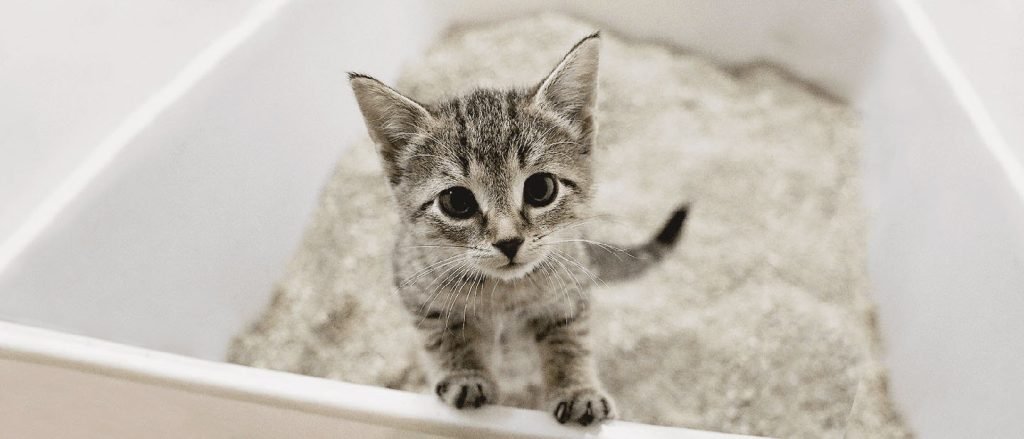
Getting your cat to use the litter box can feel like a challenge, but it doesn’t have to be. If you want a clean home and a happy pet, mastering kitty litter training is key.
Imagine never having to worry about accidents on your carpet or furniture again. In this guide, you’ll discover simple, effective tips that make teaching your cat easy and stress-free. Ready to transform your cat’s habits and enjoy a fresh-smelling home?
Keep reading to find out how you can start litter training your cat today.
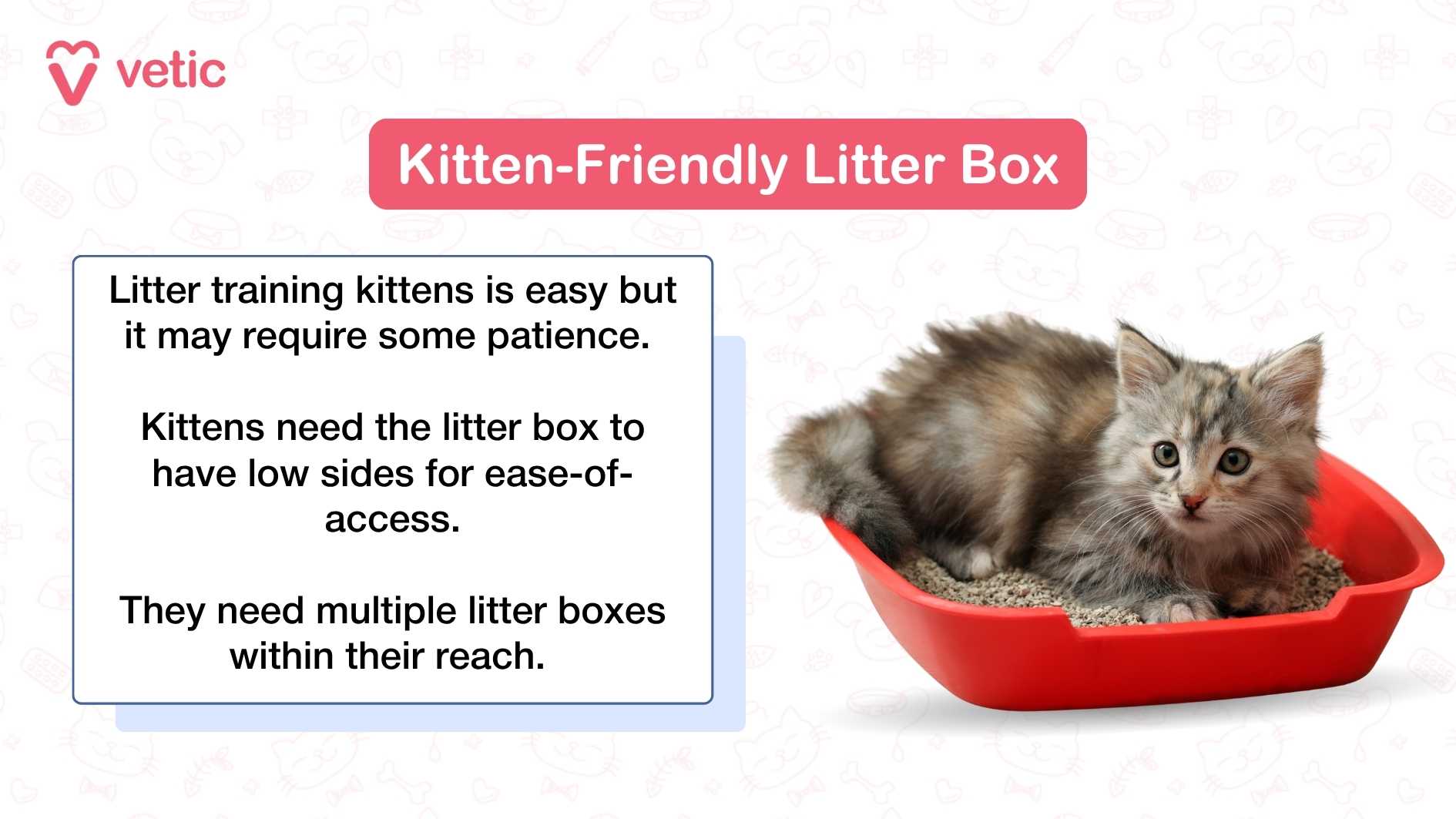
Credit: vetic.in
Choosing The Right Litter
Choosing the right kitty litter plays a huge role in successful litter training. Your cat’s comfort and your ease of cleaning depend on it. Picking the right litter can prevent accidents and keep your home fresh.
Types Of Kitty Litter
There are several types of kitty litter available, each with unique benefits. Clay-based litters are popular for their strong clumping ability but can be dusty. Crystal or silica gel litters absorb moisture well and control odors but might feel unusual to some cats.
Natural litters made from materials like corn, wheat, or pine offer biodegradability and low dust. Think about your cat’s preferences and your cleaning habits before choosing. Have you noticed your cat avoiding the box after switching litter types?
Litter Texture And Scent
Texture matters more than you might expect. Cats tend to prefer fine-grained litter because it feels softer on their paws. Rough or coarse textures can discourage use, leading to accidents outside the box.
Scented litters mask odors but can irritate sensitive noses. Unscented options are often safer and more comfortable for cats. Can you recall a time when a scented litter turned your cat away from their box?
Eco-friendly Options
If you want to reduce your environmental impact, eco-friendly litters are a great choice. These litters break down naturally and often come from renewable resources. Options like recycled paper pellets or wood chips are gentle on paws and the planet.
Using eco-friendly litter can also cut down on landfill waste, benefiting your community. Have you tried an eco-friendly litter that your cat enjoyed just as much as traditional types?
Setting Up The Litter Box
Setting up the litter box correctly is a crucial step in teaching your cat where to go. It affects your cat’s comfort and willingness to use the box consistently. Paying attention to a few important details will save you from future frustration and mess.
Ideal Location
Choose a quiet, low-traffic spot for the litter box. Cats prefer privacy but also want easy access. Avoid placing it near their food and water bowls, as they dislike eliminating close to where they eat.
Have you noticed your cat avoiding the box? It might be in a noisy or busy area. Try moving it to a calm corner or even a bathroom where your cat can feel secure.
Box Size And Type
Pick a litter box that fits your cat comfortably. Larger cats need bigger boxes to move around freely. A cramped box can discourage use and cause accidents.
Open or covered boxes? Many cats prefer open ones because they feel less trapped. But some shy cats like the privacy of a covered box. Watch your cat’s behavior to decide what works best.
Number Of Litter Boxes
Have more than one cat? The rule of thumb is one box per cat, plus one extra. This helps prevent territorial disputes and keeps your cats happy.
Even if you have a single cat, placing multiple boxes around the house can reduce accidents. Think about your home’s layout and where your cat spends time. Would they prefer a box near their favorite resting spot?
Introducing Your Cat To The Litter Box
Introducing your cat to the litter box is the first key step in training. It sets the stage for good bathroom habits. Cats need to feel comfortable and safe around their new litter box. A calm and patient approach helps them learn quickly.
First-time Introduction
Place the litter box in a quiet, easy-to-access spot. Avoid noisy or busy areas that might scare your cat. Show the cat the box gently. Let them sniff and explore at their own pace. Do not force the cat inside the box. This can cause fear or stress.
Encouraging Exploration
Allow the cat to walk around and touch the litter. You can gently scratch the litter surface to show its use. Some cats learn by watching others. If possible, place the cat near another cat using the litter box. Keep the box clean and fresh. A dirty box can discourage use.
Positive Reinforcement
- Praise your cat softly when it uses the box.
- Offer small treats immediately after use.
- Use calm, happy tones to encourage good behavior.
- Avoid punishment or scolding for accidents.
Positive rewards build trust and repeat good habits. Your cat will soon understand the litter box is the right place to go.

Credit: scrumbles.co.uk
Maintaining Cleanliness
Maintaining cleanliness is key to successful kitty litter training. A clean litter box encourages your cat to use it regularly. It also keeps your home fresh and free from unpleasant smells. Consistent care helps prevent accidents and keeps your cat healthy.
Daily Cleaning Routine
Remove clumps and solid waste every day. Use a scoop with small holes to sift the litter. This saves good litter and keeps the box tidy. Add fresh litter if the level is low. Wash your hands after cleaning to stay hygienic.
Deep Cleaning Schedule
Empty the entire litter box once a week. Wash the box with warm water and mild soap. Avoid strong-smelling cleaners that can scare your cat. Dry the box completely before adding new litter. Clean the surrounding area to prevent dirt buildup.
Dealing With Odors
Use baking soda to control bad smells naturally. Sprinkle a thin layer under the litter before adding fresh litter. Change the litter regularly to avoid strong odors. Ventilate the room to let fresh air in. Consider using a covered litter box if smells spread.
Handling Common Challenges
Handling common challenges in kitty litter training helps keep your cat happy and your home clean. Some problems may appear during training, but patience and the right steps solve most issues. Understanding these challenges makes the process smoother for both you and your cat.
Avoiding Accidents
Accidents happen with cats learning litter habits. Clean all accidents quickly to stop smells. Place the litter box in a quiet, easy-to-reach spot. Keep the box clean by scooping daily and changing litter regularly. Use the right type of litter your cat prefers. Watch for signs your cat needs to go, like sniffing or scratching near the box.
Addressing Litter Box Aversion
Some cats avoid the litter box due to bad experiences or discomfort. Check if the box is clean and large enough. Try different types of litter to find a favorite. Avoid scented or dusty litters that irritate some cats. Place the box in a calm, private area without loud noises. Use positive rewards when your cat uses the box correctly. If problems continue, consult a vet to rule out health issues.
Managing Multiple Cats
Multiple cats need special care with litter boxes. Provide one litter box per cat plus one extra. Place boxes in different parts of the house to prevent fights. Keep all boxes clean to avoid territorial problems. Watch for signs of bullying or guarding the boxes. Separate cats temporarily if needed to reset good habits. Multiple boxes reduce stress and encourage proper litter use.

Credit: cats-magazine.com
Training Kittens Vs Adult Cats
Training a kitten and an adult cat to use the litter box involves different approaches. Kittens are learning and exploring, while adult cats often have habits set in place. Understanding these differences helps improve success in litter training.
Kittens respond well to gentle guidance and frequent reminders. Adult cats need patience and sometimes extra encouragement to change old behaviors. Both require a clean, accessible litter box and positive reinforcement.
Kitten-specific Tips
- Place the litter box in a quiet, easy-to-find spot.
- Show kittens the box after meals and naps.
- Use a shallow box for easy entry and exit.
- Keep the litter clean to encourage use.
- Reward kittens with praise or gentle petting when they use the box.
- Expect accidents and clean them up quickly without scolding.
Adult Cat Adjustments
- Check for health issues that may affect litter habits.
- Use a larger box with higher sides to suit their size.
- Place the box in a calm, low-traffic area.
- Try different types of litter to find a preference.
- Clean the box often to prevent avoidance.
- Use patience and gentle encouragement to build new habits.
Using Training Aids
Using training aids can make a big difference when teaching your cat to use the litter box. These tools help guide your cat’s behavior and make the litter box more appealing. They can also address specific issues like avoidance or confusion, making the training process smoother for both of you.
Litter Attractants
Litter attractants are additives designed to encourage your cat to use the litter box. These products often contain natural scents that cats find appealing, helping to draw them in.
Adding a litter attractant can be especially helpful if your cat is hesitant or keeps going outside the box. I once tried a mix with attractants for my shy cat, and she started using the box almost immediately. Have you noticed your cat avoiding the box without a clear reason? Attractants might be the nudge they need.
Behavioral Tools
Tools like clickers or reward systems can reinforce good litter box behavior. Positive reinforcement, such as treats or praise after successful use, helps your cat associate the box with good experiences.
Consistency is key here. If you reward your cat every time they use the litter box, they quickly learn that it’s the right place to go. Sometimes, just a small treat can turn training from a chore into a game your cat enjoys.
Consulting A Veterinarian
If your cat suddenly stops using the litter box, it could be due to a medical issue. A veterinarian can check for infections, urinary problems, or other health concerns that might cause litter box avoidance.
Don’t hesitate to reach out to a vet if training aids don’t work or if your cat’s behavior changes abruptly. Sometimes, what looks like a training problem is actually a health problem that needs professional care. Have you ruled out health issues when your cat refuses the litter box?
Frequently Asked Questions
How Do I Start Kitty Litter Training My Cat?
Begin by placing the litter box in a quiet, accessible spot. Show your cat the box and gently place them inside after meals. Use unscented, clumping litter for easy cleaning and positive experience. Consistency and patience are key for successful training.
What Type Of Kitty Litter Is Best For Training?
Clumping, unscented litter is ideal for training. It helps cats easily cover waste and keeps the box clean. Avoid strong fragrances or dusty litters, as they may deter cats. Choose a litter that is safe, comfortable, and easy to maintain.
How Often Should I Clean The Litter Box?
Clean the litter box daily by scooping waste. Completely change the litter and wash the box weekly. Regular cleaning prevents odors and encourages your cat to use the box consistently. A clean box supports good litter habits.
What If My Cat Refuses To Use The Litter Box?
If your cat avoids the box, check for cleanliness, location, or litter type. Ensure the box is quiet and private. Consult a vet to rule out health issues. Patience and positive reinforcement help retrain your cat effectively.
Conclusion
Training your cat to use the litter box takes time and patience. Keep the box clean and in a quiet spot. Praise your cat when it uses the box correctly. Avoid punishment; it can cause fear and confusion. Watch for signs if your cat avoids the box.
Consistency helps your cat learn faster. Soon, your pet will use the litter box without trouble. A happy cat means a happy home. Keep trying, and success will follow.
