


Are you worried that your cat is gaining too much weight? Finding the right weight control cat food can be the key to helping your furry friend stay healthy and active.
You want to give your cat tasty meals that don’t lead to extra pounds. But with so many options out there, how do you know which food truly works? You’ll discover simple tips and expert advice to choose the best weight control cat food.
Keep reading to learn how you can support your cat’s health and keep those extra pounds away.
Importance Of Weight Control In Cats
Keeping your cat at a healthy weight is more than just about appearance. It directly impacts their quality of life and longevity. Weight control in cats helps prevent serious health problems and keeps them lively and active.
Health Risks Of Obesity
Obesity in cats can lead to several health issues that reduce their happiness and lifespan. Overweight cats are more prone to diabetes, joint problems, and heart disease.
Excess weight puts extra strain on your cat’s organs and can cause breathing difficulties. You might notice your cat becoming less playful or having trouble grooming itself properly.
Have you ever seen a cat struggling to jump on furniture or climb stairs? That’s often a sign that weight is becoming a problem.
Benefits Of Maintaining Ideal Weight
Cats with a healthy weight enjoy better mobility and more energy. They can jump, run, and play without discomfort, which supports their mental and physical well-being.
Maintaining ideal weight also means fewer vet visits and lower medical costs over time. Your cat’s immune system works better, helping them fight off infections and recover faster from illnesses.
Think about the last time your cat was active and engaged. Keeping that energy is easier when their weight is managed well. Wouldn’t you want your cat to stay playful and healthy for as long as possible?
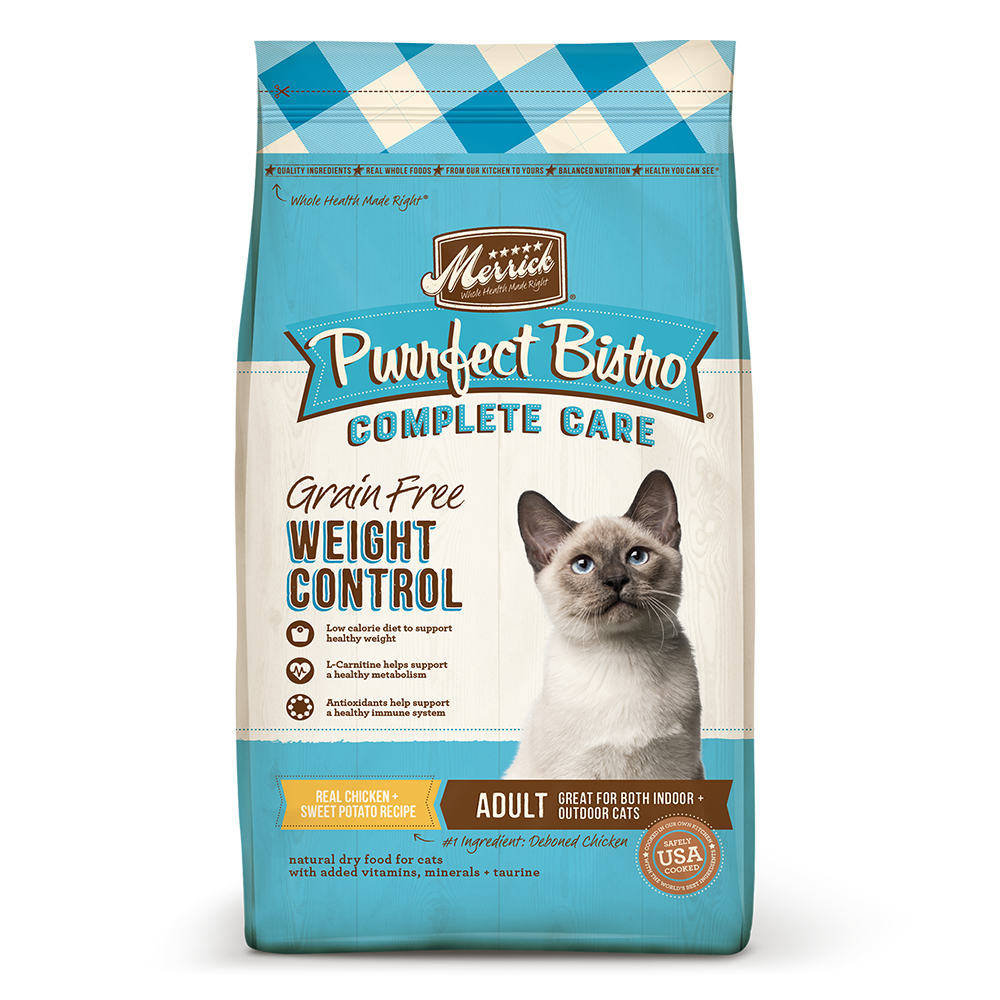
Credit: www.merrickpetcare.com
Key Ingredients In Weight Control Cat Food
Choosing the right weight control cat food means paying close attention to its ingredients. These ingredients don’t just help your cat shed pounds—they keep them healthy, satisfied, and full of energy. Understanding what goes into the food can help you make smarter choices for your furry friend’s diet.
High Protein Content
Protein is the cornerstone of weight control cat food. Cats need ample protein to maintain lean muscle mass while losing fat. Foods rich in chicken, turkey, or fish provide essential amino acids that support metabolism and keep your cat active.
Have you noticed how your cat stays playful longer with high-protein meals? That’s because protein fuels their energy better than carbs. Look for foods where protein is listed as the first ingredient to ensure quality.
Low Carbohydrate Levels
Cats are natural carnivores, so their bodies don’t process carbohydrates as efficiently. Weight control cat foods keep carbs low to prevent unnecessary calorie intake. Reduced carbs can help avoid blood sugar spikes, which may contribute to weight gain.
Think about what your cat would eat in the wild—mostly protein, very little grain or starch. Foods that limit ingredients like corn, wheat, or soy are often better for controlling weight. You might be surprised how cutting carbs improves your cat’s digestion and energy.
Fiber For Satiety
Fiber plays a key role in helping your cat feel full without adding many calories. Ingredients like beet pulp, pumpkin, or psyllium husk add fiber that slows digestion and curbs hunger. This helps prevent begging and overeating between meals.
Have you ever seen your cat finish a meal and still seem hungry? Fiber can change that. It helps your cat feel satisfied longer, making weight management easier for both of you.
Choosing The Right Weight Control Cat Food
Choosing the right weight control cat food is key to managing your cat’s health. It helps maintain a healthy weight and keeps your cat active. Understanding different options and what fits your cat’s needs makes a big difference.
Reading Labels Effectively
Labels reveal important details about the cat food. Look for the calorie content to control your cat’s intake. Check the protein and fat levels. High protein with moderate fat supports weight loss.
Ingredients matter too. Avoid foods with fillers like corn or wheat. Choose foods rich in meat or fish. Natural ingredients support better nutrition and weight control.
Wet Vs. Dry Food Options
Wet food contains more moisture, which helps cats feel full. It often has fewer calories per serving than dry food. Dry food is convenient and can help keep teeth clean. Both types can support weight control if portioned correctly.
Consider your cat’s preferences and lifestyle. Mixing wet and dry food can balance hydration and convenience.
Special Dietary Needs
Some cats have special health concerns like diabetes or allergies. These conditions require tailored diets. Weight control cat food may include added fiber to aid digestion. Some formulas reduce carbohydrates to manage blood sugar.
Consult your vet for foods that meet your cat’s unique health needs. A proper diet supports weight loss and overall well-being.
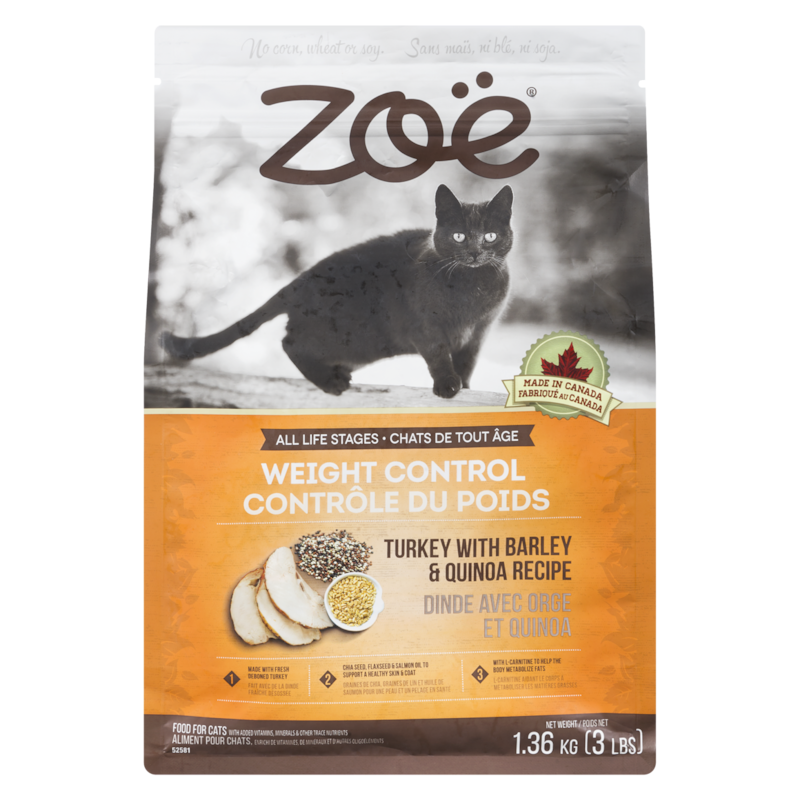
Credit: www.fortinos.ca
Feeding Strategies For Weight Management
Feeding your cat the right way helps control their weight effectively. Careful feeding supports healthy weight and avoids overeating. Good strategies keep your cat satisfied without extra calories.
These feeding tips make managing weight easier and healthier for your cat.
Portion Control Techniques
Measure your cat’s food using a standard cup or scoop. Follow the feeding guidelines on the food label. Adjust portions based on your cat’s activity and weight goals.
Use a digital scale for precise measurement. Avoid free-feeding, which can lead to overeating. Serve meals in a bowl to control intake better.
Meal Timing And Frequency
Feed your cat at regular times every day. Split daily food into two or three small meals. This keeps their metabolism steady and reduces hunger.
A consistent schedule helps your cat expect meals and avoid begging. Avoid leaving food out all day. Timed meals help track how much your cat eats.
Incorporating Treats Wisely
Limit treats to less than 10% of daily calories. Choose low-calorie, healthy treats designed for cats. Use treats as rewards for good behavior or training.
Break treats into smaller pieces to reduce calories. Avoid feeding table scraps or human food. Treats should support weight control, not add extra pounds.
Monitoring Your Cat’s Weight And Health
Monitoring your cat’s weight and health helps keep your pet happy and active. Regular checks catch issues early. Healthy weight supports longer life and better quality of life. Paying attention to changes shows how well your cat’s diet works.
Regular Weigh-ins
Weigh your cat at home or at the vet every two to four weeks. Use the same scale for accuracy. Track the numbers in a notebook or app. Small changes over time matter more than daily fluctuations. Consistency helps spot trends in weight gain or loss.
Behavioral And Physical Signs
Watch for signs like less energy or reluctance to jump. Notice changes in eating or drinking habits. Check if your cat’s coat looks dull or if the skin feels loose. Observe if the ribs or spine become more visible. These signs may indicate weight or health problems.
When To Consult A Veterinarian
Contact your vet if your cat loses or gains weight quickly. Seek advice if your cat shows unusual behavior or physical symptoms. Regular vet visits help manage your cat’s diet and health plan. Early professional help prevents serious health issues.
Credit: www.zehrs.ca
Common Myths About Weight Control Cat Food
Weight control cat food often gets misunderstood. Myths can cloud your judgment about what’s best for your feline friend. Sorting facts from fiction helps you make smarter choices for your cat’s health and happiness.
Myth: Weight Control Food Means Less Nutrition
Many believe that weight control cat food lacks essential nutrients. This isn’t true. These foods are specially designed to provide balanced nutrition but with fewer calories.
Think of it this way: the food is made to keep your cat full and satisfied without overloading them with energy. This means your cat still gets vital vitamins, minerals, and proteins needed for a healthy life.
I once switched my overweight cat to a weight control diet and noticed her energy levels stayed high. She was still playful and active, proving that good nutrition was intact.
Myth: All Cats Need Weight Control Diets
Not every cat needs a weight control diet. These foods are meant for cats who struggle with excess weight or are prone to obesity.
Feeding a healthy-weight cat a weight control diet might lead to underfeeding or missing out on nutrients. It’s important to consult your vet before making any diet changes.
Ask yourself: Is your cat actually overweight, or just a bit fluffy? Proper portion sizes and regular exercise could be enough without switching diets.
Frequently Asked Questions
What Is Weight Control Cat Food?
Weight control cat food is specially formulated to help cats maintain a healthy weight. It contains fewer calories and balanced nutrients. This food supports weight loss or prevents obesity in cats, promoting overall health and reducing risk of related diseases.
How Does Weight Control Cat Food Benefit Cats?
It helps cats burn fat while preserving muscle mass. This food improves metabolism and reduces calorie intake. It supports joint health and boosts energy levels. Weight control cat food also helps prevent obesity-related illnesses, enhancing your cat’s quality of life.
Can Weight Control Cat Food Prevent Obesity In Cats?
Yes, it helps prevent obesity by managing calorie intake. The food contains high fiber and protein to keep cats full longer. This reduces overeating and unhealthy snacking. Feeding weight control cat food supports a balanced diet for healthy weight maintenance.
How To Choose The Best Weight Control Cat Food?
Look for foods with high protein and low fat. Check for fiber content to help digestion and fullness. Choose products with natural ingredients and no fillers. Consult your vet for tailored recommendations based on your cat’s needs.
Conclusion
Choosing the right weight control cat food helps your pet stay healthy. It supports a balanced diet and keeps your cat active. Regular feeding with proper portions avoids weight gain. Always check the ingredients for quality and nutrition. Consult your vet to find the best food for your cat’s needs.
Healthy cats live longer and feel better every day. Small changes make a big difference in your cat’s health. Give your cat the care it deserves with good food.
