

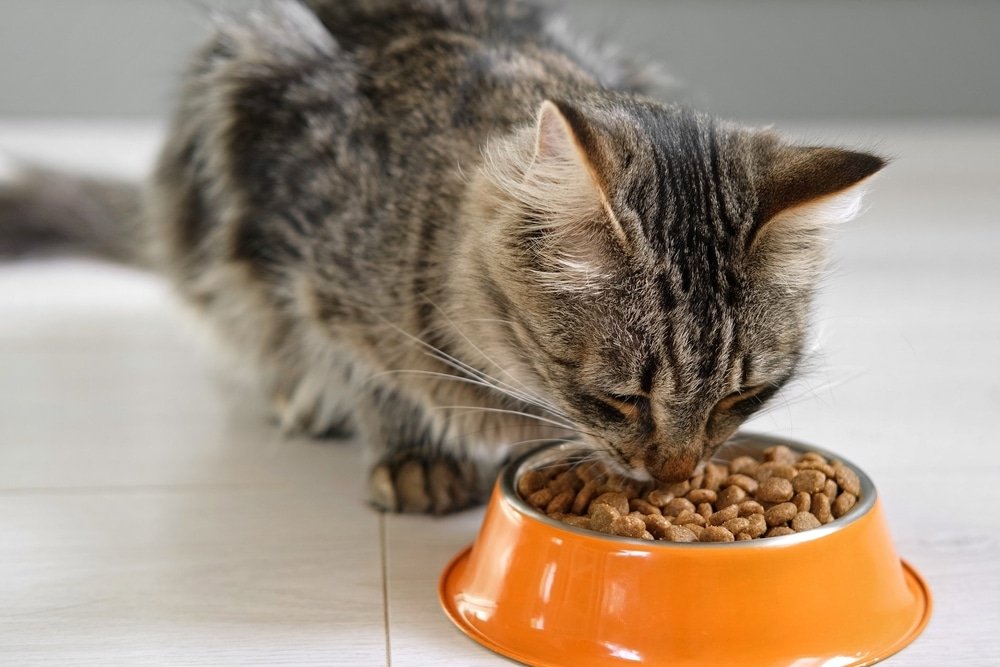
Have you ever watched your cat eat and wondered if they’re truly getting the best nutrition? What your cat eats affects their energy, mood, and overall health more than you might realize.
Understanding your cat’s eating habits can help you make smarter choices for their food. You’ll discover key tips to keep your furry friend happy and healthy at mealtime. Keep reading to learn how to make every bite count for your cat’s well-being.
Choosing The Right Cat Food
Choosing the right cat food is important for your cat’s health and happiness. Cats need balanced nutrition to stay active and strong. Different foods offer various benefits and can suit different cats’ needs.
Wet Vs Dry Food
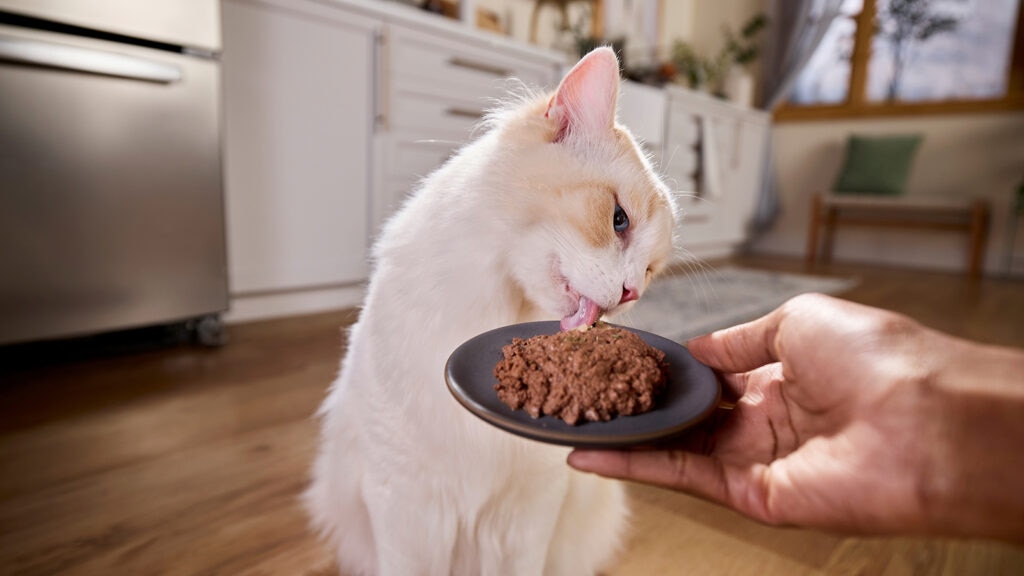
Wet food has high moisture, which helps keep cats hydrated. It is soft and easy to eat, especially for older cats. Dry food is crunchy and helps clean teeth. It lasts longer and is easier to store. Both types have good nutrients, so mixing them can work well.
Grain-free Options
Grain-free cat food avoids corn, wheat, and soy. Some cats have allergies or sensitive stomachs and feel better with grain-free meals. Grain-free food often uses meat or vegetables instead. Check if your cat reacts well to grains before changing food.
Understanding Ingredients
Look for meat or fish as the first ingredient. Cats need protein to build muscles and stay healthy. Avoid foods with too many fillers like by-products or artificial additives. Natural ingredients support better digestion and energy. Reading labels helps you choose quality food.
Credit: www.chewy.com
Feeding Schedule Tips
Setting a proper feeding schedule is key for your cat’s health and happiness. Cats thrive on routine. A good schedule helps control weight and supports digestion. It also prevents begging and overeating habits. Here are some tips to create a balanced feeding routine.
Meal Frequency
Cats usually eat several small meals daily. Adult cats benefit from two to three meals a day. Kittens need more frequent meals, about four to six times daily. Consistent timing helps regulate their appetite and energy levels. Avoid leaving food out all day to maintain this routine.
Portion Control
Measure your cat’s food portions carefully. Follow feeding guidelines on the cat food label. Adjust portions based on your cat’s age, weight, and activity level. Use a kitchen scale or measuring cup for accuracy. Proper portions prevent hunger and excess weight gain.
Avoiding Overfeeding
Overfeeding can lead to obesity and health problems. Watch for signs like leftover food or frequent begging. Limit treats and table scraps. Keep feeding times consistent and stick to portion sizes. A steady schedule helps your cat stay healthy and active.
Enhancing Palatability
Enhancing palatability is key to encouraging cats to eat their food. Cats have sensitive noses and taste buds. Making food more appealing can help picky eaters enjoy their meals. Small changes improve the smell, taste, and texture of the food. This invites cats to eat more willingly. Simple tricks make mealtime more enjoyable for your feline friend.
Warming Food
Warming food releases its natural aroma. Cats rely heavily on smell to decide if food is tasty. Heat helps enhance the scent and flavor. Warm food is closer to a cat’s natural prey temperature. Avoid overheating, as it can burn your cat’s mouth. A few seconds in the microwave or a warm water bath works well.
Adding Toppers
Food toppers add texture and flavor to plain meals. Use small amounts of cooked chicken, tuna juice, or commercial cat toppers. These extras make food more exciting and appealing. Toppers can also add moisture, which is good for cats who drink less water. Always check ingredients to avoid harmful items like onions or garlic.
Rotating Flavors
Rotating flavors keeps cats interested in their meals. Offer different protein sources like fish, chicken, or beef. Change between wet and dry food to add variety. This prevents boredom and encourages regular eating habits. A varied diet supports balanced nutrition and satisfies natural hunting instincts.

Credit: www.lilyskitchen.co.uk
Special Dietary Needs
Every cat has unique dietary needs that can change over time or due to specific health conditions. Recognizing these special dietary requirements helps you keep your feline friend healthy and happy. Ignoring these needs can lead to health problems that might have been easily prevented.
Age-based Nutrition
Kittens need more protein and calories to support rapid growth, while senior cats require fewer calories but higher-quality nutrients to maintain muscle mass. Your cat’s diet should evolve as they age, reflecting these changes. Have you noticed how your older cat’s appetite and energy levels shift? Adjusting their food accordingly can make a big difference in their vitality.
Weight Management
Overweight cats face risks like diabetes and joint issues. If your cat is gaining weight, switching to a weight control formula or controlled portion sizes can help. You might try feeding smaller, frequent meals or adding more playtime to burn calories. How often do you check your cat’s weight and adjust their diet?
Allergy Considerations
Cats can develop food allergies or sensitivities, which often cause itching, digestive upset, or ear infections. Identifying the allergen usually requires trial and error with limited ingredient diets or hypoallergenic food. Pay attention if your cat suddenly starts scratching more or has unusual symptoms after eating. Have you ever faced the challenge of finding the right food to soothe your cat’s allergies?
Hydration And Its Role
Hydration plays a key role in a cat’s health and well-being. Water helps keep their body systems working properly. It supports digestion, nutrient absorption, and temperature control. Cats often drink less water than needed, which can lead to health problems.
Importance Of Water Intake
Water keeps cats’ kidneys healthy and flushes out toxins. Without enough water, cats can get urinary tract issues. It also helps maintain their energy and mood. Cats lose water through breathing, sweating, and waste. They must replace it daily to stay healthy.
Encouraging Drinking
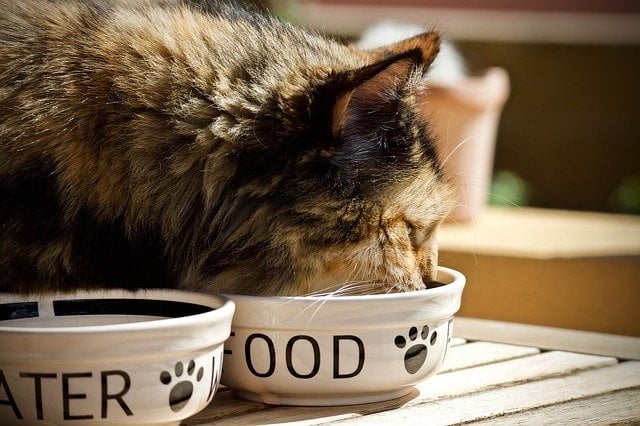
Some cats do not drink much water naturally. Try fresh, clean water in multiple bowls around the house. Using a pet water fountain can attract cats to drink more. Changing the water often keeps it appealing. Offering ice cubes can add interest and coolness.
Wet Food Benefits
Wet food contains high water content, helping hydration. It is easier to chew and digest for cats. Wet food can reduce the risk of dehydration. It also supports urinary health by increasing fluid intake. Mixing wet food with dry can balance nutrition and moisture.
Avoiding Harmful Foods
Feeding your cat the right food is more than just keeping them full—it’s about protecting their health. Avoiding harmful foods is essential to prevent serious health issues that might not be obvious at first. Knowing what to watch out for can save you from stressful vet visits and keep your furry friend happy and energetic.
Toxic Ingredients
Certain ingredients can be deadly to cats, even in small amounts. Common toxic foods include onions, garlic, chocolate, and grapes. These can cause symptoms like vomiting, diarrhea, and even organ failure.
Remember, some ingredients hide in processed foods, so always check labels carefully. If your cat accidentally eats something toxic, contact your vet immediately. Acting fast can make all the difference.
Human Food Risks
It might be tempting to share your snacks, but many human foods are unsafe for cats. Foods high in salt, sugar, or fat can lead to obesity and other health problems. Avoid giving your cat bones, caffeine, alcohol, or dairy products, as these can cause digestive upset or poisoning.
Have you noticed your cat begging during meals? Try redirecting their attention with safe alternatives rather than sharing your plate. Your cat’s health is worth the extra effort.
Safe Treat Alternatives
Looking for treats your cat will love and that won’t harm them? Choose specially made cat treats or small amounts of cooked chicken or fish without seasoning. These options satisfy their taste buds while keeping them safe.
You can even offer small pieces of cooked pumpkin or carrots as a crunchy snack. Always introduce new treats slowly to monitor for any allergic reactions. Treat time should be fun and safe for both of you!
Monitoring And Adjusting Diet
Keeping a close eye on your cat’s eating habits and health helps you catch problems early and keep their diet balanced. Adjusting their food based on how they respond ensures they stay happy and healthy. This ongoing process requires attention to detail and a willingness to change things up as needed.
Tracking Weight Changes
Weigh your cat regularly to notice any weight gain or loss. Sudden drops might signal an underlying health issue or that the food isn’t meeting their needs. If your cat’s weight creeps up, consider reducing treats or switching to a lower-calorie food.
Use a simple chart to track weight over time. This makes patterns easier to spot than relying on memory alone. Have you ever caught a subtle change in your cat’s weight before it became a problem?
Recognizing Food Intolerances
Watch for signs like vomiting, diarrhea, or itchy skin after meals. These symptoms can mean your cat isn’t tolerating certain ingredients well. Try eliminating one ingredient at a time to identify the culprit.
Keep a food diary to record what your cat eats and any reactions. This helps connect symptoms to specific foods quickly. Has your cat ever reacted badly to a new brand or flavor?
Consulting A Veterinarian
If you notice persistent issues or sudden changes in behavior, talk to your vet. They can recommend tests or special diets tailored to your cat’s health needs. Don’t wait—early intervention often leads to better outcomes.
Your vet can also guide you on the right portion sizes and nutrient balance. This expert advice takes the guesswork out of feeding your feline friend. When was the last time you checked with your vet about your cat’s diet?
Credit: companion-vets.com
Frequently Asked Questions
What Type Of Food Is Best For Cats To Eat?
Cats need high-protein, meat-based food to stay healthy. Wet and dry cat food both work, but wet food helps with hydration. Avoid foods with fillers like corn or soy, as cats are obligate carnivores and require animal proteins.
How Often Should I Feed My Cat Daily?
Most adult cats do well with two meals per day, spaced about 12 hours apart. Kittens need more frequent feeding, around three to four times daily. Consistent feeding times help regulate their digestion and maintain a healthy weight.
Can Cats Eat Human Food Safely?
Some human foods like cooked chicken or fish are safe in small amounts. Avoid onions, garlic, chocolate, and dairy, as these can be toxic to cats. Always consult your vet before introducing new foods to your cat’s diet.
Why Does My Cat Eat Slowly Or Quickly?
Cats eat speed varies by personality and environment. Some eat quickly due to competition or hunger, while others eat slowly when relaxed. Providing a calm, quiet feeding area can help regulate their eating pace and prevent overeating.
Conclusion
Cats need good food to stay healthy and happy. Feeding them right helps their energy and mood. Watch your cat’s eating habits to spot any problems early. Choose food that suits their age and health needs. Fresh water should always be available too.
A well-fed cat will be more playful and loving. Take care of your cat’s diet for a long, joyful life together. Simple steps make a big difference in your cat’s health.
