

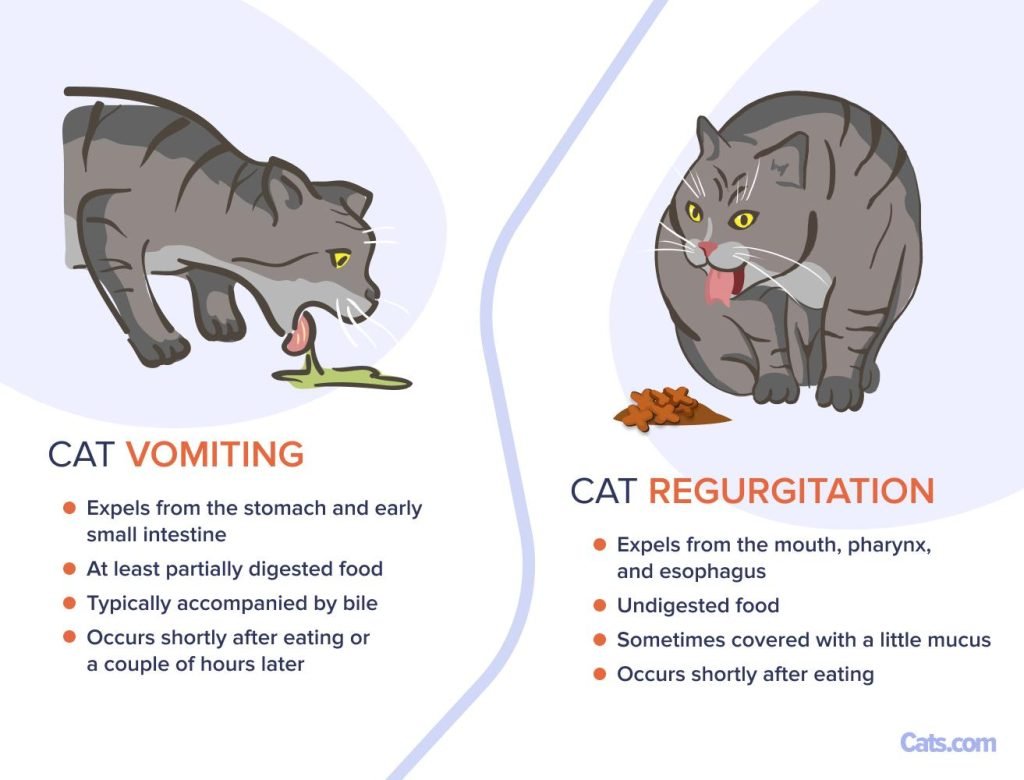
Is your cat throwing up undigested food? It’s a worrying sight that can leave you feeling confused and concerned.
You want to understand why this is happening and what it means for your furry friend’s health. This article will help you uncover the possible reasons behind your cat’s vomiting, what signs to watch for, and when to seek help.
Keep reading to learn how you can protect your cat and keep them feeling their best.

Credit: www.youtube.com
Common Causes Of Vomiting
Vomiting in cats can be alarming, especially when you see undigested food being thrown up. Understanding the common causes helps you respond quickly and protect your cat’s health. Let’s break down the main reasons why your feline friend might be vomiting and what you can do about each.
Dietary Issues
Sudden changes in your cat’s diet often lead to vomiting. Cats have sensitive stomachs, and switching food brands or types too quickly can upset their digestion.
Overeating or eating too fast also causes your cat to throw up undigested food. Try feeding smaller, more frequent meals and observe if that reduces the issue.
Hairballs And Digestive Blockages
Hairballs are a frequent cause of vomiting in cats, especially those that groom themselves excessively. The hair accumulates in the stomach and irritates it, leading to vomiting.
More serious is a digestive blockage caused by swallowed objects or large hairballs. These blockages can prevent food from passing through properly, causing your cat to vomit repeatedly and need urgent veterinary care.
Infections And Illnesses
Various infections like gastrointestinal viruses or bacterial infections can cause vomiting. Illnesses such as kidney disease or pancreatitis also disrupt digestion and lead to throwing up.
If your cat shows other symptoms like lethargy, diarrhea, or loss of appetite, getting a vet’s diagnosis is crucial to address these underlying issues.
Food Allergies And Intolerances
Cats can develop allergies or intolerances to certain ingredients in their food. This might cause repeated vomiting, skin problems, or diarrhea.
Identifying the problematic ingredient through a vet-guided elimination diet can improve your cat’s digestion and overall well-being.
Toxic Ingestions
Ingesting toxic substances such as plants, chemicals, or spoiled food can cause immediate vomiting. This is your cat’s way of trying to rid harmful items from their stomach.
If you suspect poisoning, seek emergency veterinary help immediately. Prompt action can save your cat’s life and prevent further complications.
When To Seek Veterinary Care
Knowing when to seek veterinary care is vital if your cat throws up undigested food. Vomiting can happen for many reasons. Some are minor and clear up quickly. Others may signal a serious health problem that needs immediate attention.
Watching your cat closely helps catch warning signs early. Quick action can prevent complications and ease your cat’s discomfort. Below are key signs to watch for that mean a vet visit is necessary.
Persistent Vomiting
Vomiting more than twice in 24 hours needs veterinary care. Persistent vomiting can cause dehydration and nutrient loss. It may also indicate infections, blockages, or other illnesses. Don’t wait if vomiting continues or worsens.
Signs Of Dehydration
Vomiting can quickly lead to dehydration in cats. Check for dry gums, sunken eyes, or lethargy. Skin that doesn’t snap back when gently pinched is another sign. Dehydration requires prompt veterinary treatment to avoid serious harm.
Changes In Behavior
If your cat becomes unusually quiet or restless, take note. Loss of appetite, hiding, or aggression can signal pain or illness. Sudden behavior changes combined with vomiting need a vet’s evaluation. Early care improves recovery chances.
Other Concerning Symptoms
- Blood in vomit or stool
- Difficulty breathing or coughing
- Excessive drooling or swallowing
- Abdominal swelling or pain
- Weakness or collapse
Any of these signs alongside vomiting require immediate veterinary attention. They may point to serious conditions needing urgent care.
Home Remedies And Care Tips
Watching your cat throw up undigested food can be worrying. Simple home care can ease your cat’s discomfort. Proper feeding and hydration help reduce vomiting. Managing hairballs and safe supplements support digestion. These steps improve your cat’s health at home.
Adjusting Feeding Habits
Feed smaller portions more often to avoid stomach overload. Use slow feeders or puzzle bowls to slow eating. Avoid sudden changes in food type or brand. Maintain a consistent feeding schedule to help digestion. Keep feeding areas clean to prevent bacteria buildup.
Hydration Strategies
Ensure fresh water is always available to your cat. Use water fountains to encourage drinking. Add water or broth to dry food for extra moisture. Monitor water intake to spot early signs of dehydration. Avoid giving milk, as it can upset digestion.
Managing Hairballs
Brush your cat regularly to reduce loose fur. Choose hairball control cat food with added fiber. Provide grooming treats designed to help hairball passage. Use gentle hairball remedies approved by veterinarians. Keep your cat indoors to limit dirt and hair ingestion.
Safe Dietary Supplements
- Probiotics to balance gut bacteria and improve digestion.
- Omega-3 fatty acids to reduce inflammation and support gut health.
- Digestive enzymes to help break down food properly.
- Fiber supplements to aid bowel movements and reduce vomiting.
Consult a vet before starting any supplements. Use only products made for cats to ensure safety.
Credit: stellarnook.com
Preventive Measures
Preventing your cat from throwing up undigested food starts with simple, everyday habits you can easily manage. Understanding what affects your cat’s digestion helps you act before issues arise. Small changes in diet, grooming, environment, and health checks can make a big difference in keeping your feline friend comfortable and happy.
Balanced Diet Choices
Feeding your cat a balanced diet tailored to their age, weight, and health is key. Avoid sudden food changes that can upset their stomach. Instead, introduce new food gradually over a week to help their digestive system adjust.
High-quality cat food with easily digestible ingredients reduces the chance of vomiting. You might want to split their daily food into smaller, more frequent meals. This prevents overeating and helps food move smoothly through the digestive tract.
Regular Grooming
Hairballs are a common reason cats vomit undigested food. Brushing your cat regularly reduces the amount of loose hair they swallow. For long-haired cats, daily grooming can make a big difference.
If your cat grooms themselves excessively, check their fur for mats or dirt that could cause irritation or swallowing problems. Grooming is not just about appearance; it’s an important part of digestive health.
Safe Environment
Make sure your cat’s environment is free from harmful substances they might ingest. Plants, chemicals, and small objects can upset their stomach or cause blockages. Keep these hazards out of reach to protect their digestive system.
Also, monitor your cat’s behavior. Are they eating things they shouldn’t? Sometimes boredom leads cats to chew on unusual items, which can cause vomiting. Providing toys and interactive play can distract them from these habits.
Routine Health Checks
Regular vet visits can catch underlying health problems before they become serious. Digestive issues might be signs of infections, allergies, or other conditions. Early diagnosis lets you treat your cat promptly and avoid frequent vomiting.
Ask your vet about routine screenings and vaccinations. They can advise on specific tests based on your cat’s age and lifestyle. Staying proactive with health checks means you can spot problems even when your cat seems fine.

Credit: www.youtube.com
Frequently Asked Questions
Why Is My Cat Throwing Up Undigested Food?
Cats may vomit undigested food due to eating too fast or digestive issues. It can also signal infections or hairballs. If vomiting is frequent, consult a vet for proper diagnosis and treatment to ensure your cat’s health and comfort.
How To Prevent Cat Vomiting Undigested Food?
Feed your cat smaller, frequent meals and slow down their eating pace. Use puzzle feeders to reduce gulping. Ensure a balanced diet and regular vet check-ups. Prevent hairballs with grooming. These steps help maintain healthy digestion and reduce vomiting episodes.
When Should I Worry About My Cat’s Vomiting?
Worry if vomiting occurs more than twice a week, or if your cat shows lethargy, diarrhea, or weight loss. Persistent vomiting could indicate serious illness requiring immediate veterinary care. Early intervention prevents complications and ensures your cat’s well-being.
Can Food Allergies Cause Vomiting In Cats?
Yes, food allergies or intolerances can trigger vomiting in cats. Common allergens include certain proteins or additives. Identifying and eliminating the allergen with vet guidance can improve symptoms and prevent further digestive upset, enhancing your cat’s health.
Conclusion
Cats throwing up undigested food can worry any pet owner. This sign may show your cat’s stomach is upset or sick. Watch their eating habits and behavior closely. Giving fresh water and a calm place helps recovery. Seek a vet if vomiting continues or worsens.
Early care can prevent serious problems. Keep your cat healthy by acting fast and gentle. Small changes often make a big difference in their comfort. Stay alert and show your cat extra care every day.
