

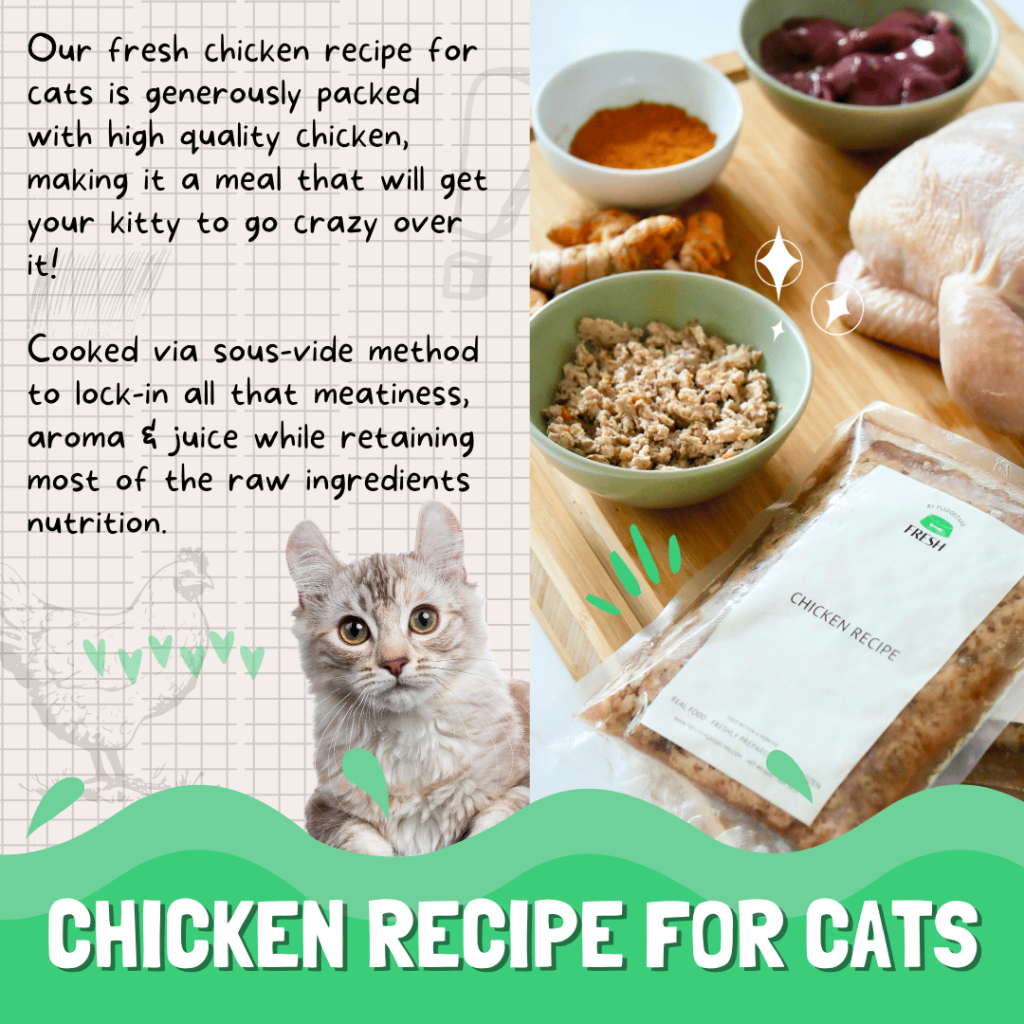
Are you looking for a simple way to give your cat the best nutrition possible? Making your own cat food recipe can be a game-changer for your furry friend’s health and happiness.
You might wonder if it’s hard or time-consuming, but it doesn’t have to be. In fact, with the right tips and ingredients, you can prepare meals that your cat will love and that support their well-being. Keep reading to discover easy steps and expert advice that will help you create homemade cat food your pet can’t resist.
Your cat deserves the best, and you can make it happen today.
Benefits Of Homemade Cat Food
Homemade cat food offers many benefits for pet owners and their cats. It allows you to provide fresh, wholesome meals tailored to your cat’s needs. Preparing food at home helps ensure quality and safety. It also builds a stronger bond between you and your pet through care and attention.
Nutritional Advantages
Homemade cat food lets you control the nutrients your cat receives. You can balance proteins, fats, and vitamins precisely. Fresh ingredients retain more nutrients than processed foods. This helps support your cat’s health and energy. It also reduces risks of allergies and digestive issues.
Control Over Ingredients
Making food at home means you know every ingredient used. You avoid artificial additives, preservatives, and fillers. This reduces exposure to harmful chemicals. You can select high-quality meats and fresh vegetables. It’s ideal for cats with special dietary needs or allergies.
Cost-effectiveness
Homemade cat food can save money over time. Buying raw ingredients in bulk is cheaper than premium pet foods. You control portion sizes to avoid waste. Preparing meals at home reduces vet bills by promoting better health. It’s a budget-friendly way to care for your cat.
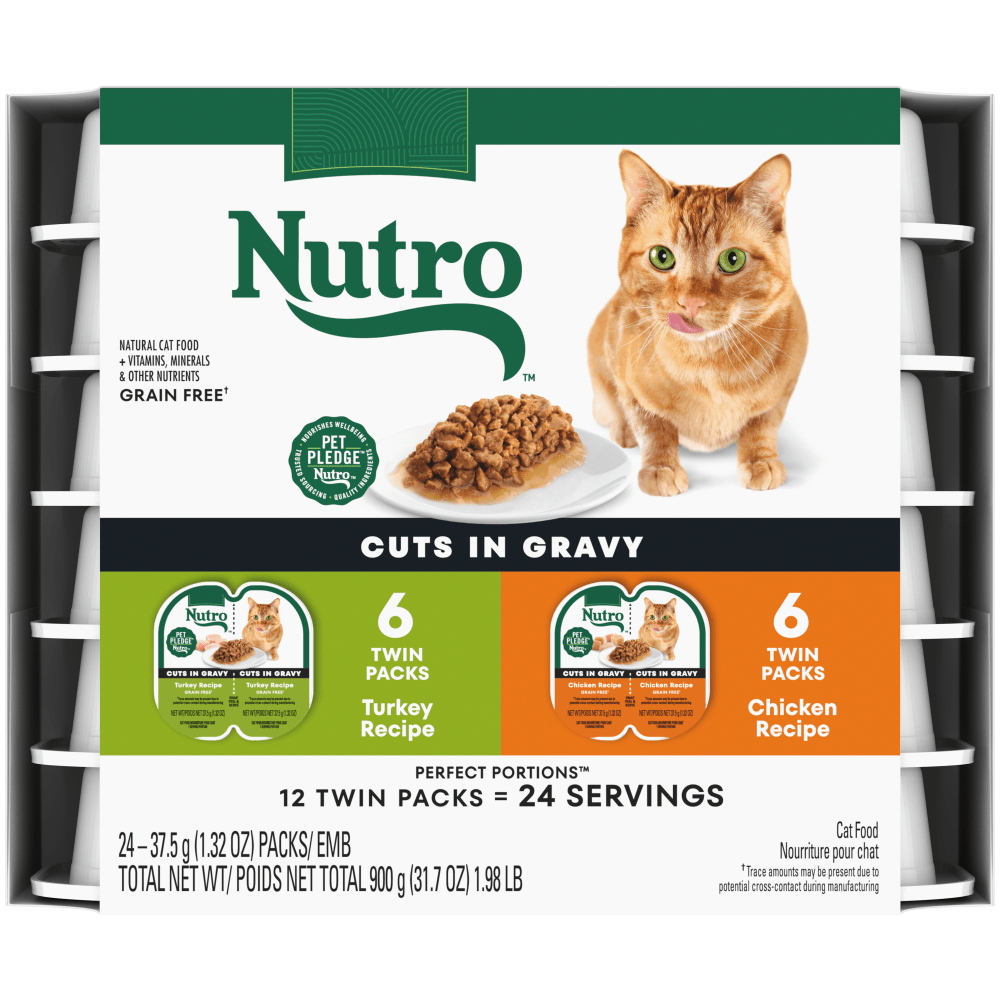
Credit: www.nutro.ca
Essential Nutrients For Cats
Cats need specific nutrients to stay healthy and active. These nutrients support their growth, energy, and overall well-being. A balanced cat food recipe must include essential proteins, fats, vitamins, and minerals. Each plays a vital role in keeping your feline friend strong and happy.
Proteins And Amino Acids
Proteins are the building blocks of a cat’s body. Cats require high-quality animal proteins for muscles and tissue repair. Amino acids like taurine are crucial since cats cannot produce enough on their own. Lack of taurine leads to serious health problems, including heart and eye issues.
Good protein sources include chicken, turkey, fish, and beef. Ensure your cat food recipe contains enough protein to meet their daily needs. Proteins also help maintain a shiny coat and healthy skin.
Fats And Fatty Acids
Fats provide energy and help absorb vitamins. Essential fatty acids, such as omega-3 and omega-6, support brain function, skin health, and a glossy coat. These fats also reduce inflammation and improve the immune system.
Sources of healthy fats are fish oil, chicken fat, and flaxseed oil. A balanced cat food recipe includes the right amount of fats for energy and health benefits.
Vitamins And Minerals
Vitamins and minerals regulate many body functions. Vitamin A helps with vision and immune health. Vitamin D supports bone strength. B vitamins aid in energy metabolism. Minerals like calcium and phosphorus build strong bones and teeth.
Include a variety of vitamins and minerals in the recipe. Natural sources include liver, eggs, and vegetables. Supplementing may be necessary to ensure your cat gets all essential nutrients.
Safe Ingredients To Use
Choosing the right ingredients for your cat’s homemade food is crucial. Your cat’s health depends on what you feed them, so it’s important to know which ingredients are safe and beneficial. Understanding safe ingredients helps you avoid health risks and ensures your cat enjoys a balanced diet.
Meats And Proteins
Cats are obligate carnivores, so meat should be the main part of their diet. Safe options include chicken, turkey, lean beef, and fish like salmon or sardines. Always cook meat thoroughly to kill harmful bacteria, but avoid seasoning or adding oils.
Raw diets can be risky unless you source high-quality meat and handle it carefully. If you want to try raw, consult your vet first. Remember, organ meats like liver are excellent in small amounts, providing essential vitamins and minerals.
Vegetables And Supplements
Though cats don’t need vegetables as much as proteins, some safe veggies can add fiber and nutrients. Cooked pumpkin, carrots, and peas are gentle on their stomachs. Avoid raw vegetables since cats can’t digest them well.
Supplements like taurine, fish oil, and certain vitamins may be necessary to meet your cat’s dietary needs. Taurine is especially important because cats cannot produce enough of it on their own. Have your vet recommend the right supplements to avoid deficiencies.
Avoiding Toxic Foods
Knowing which foods are toxic can save your cat’s life. Never feed onions, garlic, chocolate, grapes, or raisins—they can cause severe health problems. Also, avoid artificial sweeteners like xylitol, which are extremely dangerous for cats.
It’s easy to accidentally offer unsafe foods, especially when sharing meals. Ask yourself: Is this ingredient safe for a cat’s digestive system? If you’re unsure, it’s better to skip it and stick to trusted ingredients. Your cat will thank you with better health and energy.
Simple Homemade Cat Food Recipes
Making simple homemade cat food recipes can be a rewarding experience for both you and your feline friend. You gain full control over the ingredients, ensuring your cat gets fresh and nutritious meals without unnecessary additives. Plus, it’s easier than you think to whip up tasty dishes that your cat will love.
Homemade recipes allow you to tailor the diet to your cat’s specific needs, whether they require more protein, fiber, or certain vitamins. Have you ever wondered if your cat’s store-bought food really meets their dietary needs? Trying out these easy recipes might give you a new perspective.
Chicken And Rice Delight
This recipe combines lean chicken with easily digestible rice, making it gentle on your cat’s stomach. Use boneless, skinless chicken breasts cooked thoroughly, then shred into small pieces.
- Cook 1 cup of white rice until soft.
- Mix shredded chicken with rice in a 2:1 ratio.
- Add a teaspoon of olive oil for healthy fats.
Serve in small portions and refrigerate leftovers for up to three days. This simple dish provides a balanced protein and carbohydrate combo that many cats enjoy.
Fish And Pumpkin Mix
Fish offers high-quality protein and omega-3 fatty acids, which support your cat’s coat and brain health. Adding pumpkin adds fiber and helps with digestion.
- Use cooked white fish like cod or haddock, flaked into small pieces.
- Mix in 2 tablespoons of pure canned pumpkin (not pie filling).
- Optional: Add a pinch of taurine supplement to support heart health.
This recipe is great if your cat has digestive sensitivities or needs a boost in omega fatty acids. Have you noticed how some cats prefer fish over meat? This might be a good way to introduce variety.
Turkey And Sweet Potato Blend
Turkey is a lean protein that many cats find flavorful, while sweet potatoes provide vitamins and fiber. Together, they make a wholesome meal that’s both tasty and nutritious.
- Cook ground turkey thoroughly and drain any fat.
- Boil or bake sweet potatoes until soft, then mash.
- Combine turkey and sweet potato in a 3:1 ratio.
- Add a teaspoon of fish oil for extra nutrients.
This blend is especially good for cats with sensitive stomachs or those needing a nutrient boost. How often do you switch up your cat’s food to keep mealtime exciting?
Preparation Tips And Storage
Preparing homemade cat food requires careful attention to both cooking and storage. Proper techniques ensure your cat gets the maximum nutrition from each meal. Storing it correctly maintains freshness and safety, preventing waste and health risks.
Cooking Techniques
Cooking your cat’s food gently preserves nutrients and flavors. Steaming or boiling meat is ideal because it cooks thoroughly without adding unhealthy fats or chemicals. Avoid seasoning or using oils that might upset your cat’s stomach.
Slow cooking can break down tougher meats, making them easier for your cat to digest. However, high heat or frying can destroy essential vitamins and create harmful compounds. Always check the texture and temperature before serving to avoid burns or choking hazards.
Portioning And Freezing
Divide your homemade cat food into small, individual portions before freezing. This makes mealtime quick and convenient, and reduces waste since you only thaw what your cat needs. Use airtight containers or freezer bags to keep the food fresh and prevent freezer burn.
- Label each portion with the date of preparation.
- Consider using ice cube trays for perfectly sized servings.
- Thaw frozen portions overnight in the fridge to keep nutrients intact.
Have you noticed how much easier feeding becomes when you prep in advance? Portioning saves time during busy days and ensures your cat always has a fresh meal ready.
Shelf Life And Freshness
Fresh homemade cat food usually lasts about 3 days in the refrigerator. Beyond this, the risk of spoilage and bacteria growth increases. Pay close attention to any changes in smell, texture, or color before serving.
Freezing extends shelf life up to 2-3 months, but even then, quality can degrade over time. Regularly rotate your frozen stock to use older portions first. Have you ever served food that looked fine but your cat refused to eat it? That’s a good reminder to trust your senses and your pet’s instincts.
Transitioning Your Cat To Homemade Food
Switching your cat to homemade food takes patience and care. Cats have sensitive stomachs and strong food preferences. Sudden changes can upset their digestion or cause refusal to eat. A smooth transition helps your cat accept new meals without stress. Watch their reactions closely and adapt as needed. This ensures your cat stays healthy and happy with homemade food.
Gradual Introduction
Start by mixing a small amount of homemade food with your cat’s current diet. Increase the homemade portion slowly over 7 to 10 days. This gives your cat’s digestive system time to adjust. Offer fresh water alongside meals to support digestion. Observe if your cat eats the new food willingly or shows hesitation.
Monitoring Health And Preferences
Track your cat’s weight and energy levels daily. Look for signs like vomiting, diarrhea, or constipation. Note your cat’s favorite ingredients and textures. Some cats prefer soft, moist food while others like firmer bites. Pay attention to changes in appetite or behavior. Consult a vet if any health issues arise during the transition.
Adjusting Recipes As Needed
Modify recipes based on your cat’s feedback and health. Add or reduce protein, fats, or veggies to suit their tastes. Avoid ingredients that cause allergies or digestive upset. Keep meals balanced with essential nutrients for cats. Try different cooking methods like boiling or baking. This keeps meals interesting and appealing for your cat.
Consulting Your Veterinarian
Before you dive into making homemade cat food, consulting your veterinarian is essential. Your vet understands your cat’s unique health needs and can guide you to create a safe and balanced diet. This step helps prevent nutritional gaps and health issues that homemade recipes might cause.
Health Assessments
Your veterinarian will perform a thorough health assessment of your cat. This includes checking weight, activity levels, and any underlying medical conditions like kidney disease or allergies. These factors influence which ingredients and nutrients are suitable for your cat’s diet.
Imagine trying to feed a cat with kidney problems a high-protein meal—this could worsen their condition. Getting a clear health picture from your vet helps avoid such risks and ensures your recipe supports your cat’s well-being.
Nutritional Guidance
Balancing nutrients in homemade cat food is tricky. Your vet can provide detailed advice on the right proportions of protein, fats, vitamins, and minerals. Cats need specific nutrients like taurine, which aren’t found in plant-based ingredients, so guidance is crucial.
You might think adding more chicken means more protein, but too much can lead to imbalances. Your vet can help you tailor the recipe so it meets all of your cat’s nutritional requirements without overdoing any ingredient.
Supplement Recommendations
Sometimes, homemade meals lack certain nutrients, even with careful planning. Your veterinarian can recommend supplements to fill these gaps, such as taurine, omega-3 fatty acids, or calcium. These additions keep your cat’s diet complete and healthy.
Have you considered how to provide enough calcium if you’re not including bones or dairy? Your vet’s suggestions on supplements solve these challenges, making sure your homemade recipe supports your cat’s long-term health.
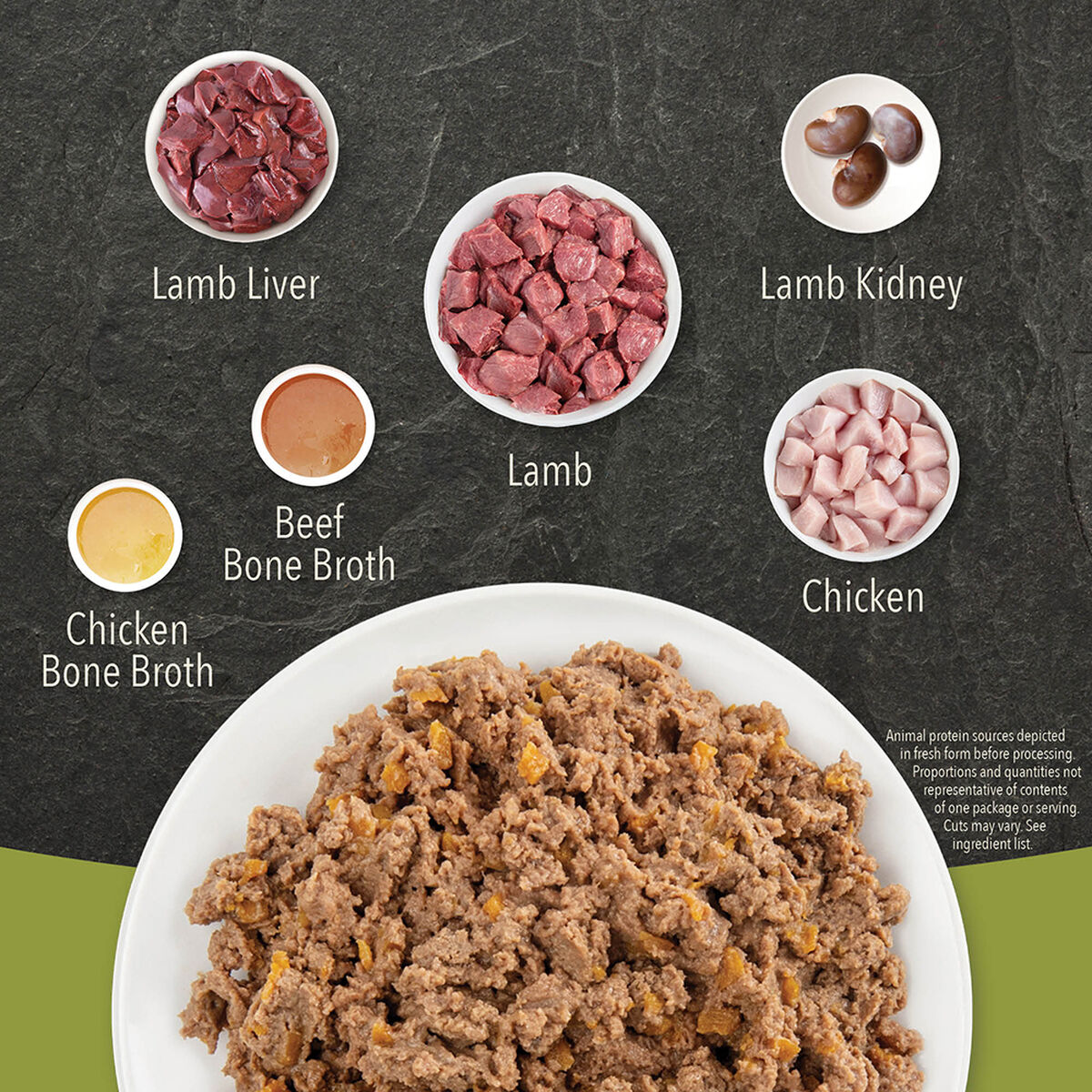
Credit: www.acana.com

Credit: wellnessmama.com
Frequently Asked Questions
What Ingredients Are Best For Homemade Cat Food?
High-quality protein like chicken or fish is essential. Include taurine-rich foods, small amounts of cooked vegetables, and avoid harmful ingredients like onions.
How Do I Balance Nutrition In Cat Food Recipes?
Ensure a mix of protein, fats, vitamins, and minerals. Use supplements like taurine and calcium for complete nutrition tailored to cats.
Can I Feed My Cat Raw Homemade Food Safely?
Raw diets can be risky due to bacteria. Consult a vet and use safe handling practices to reduce health risks.
How Often Should I Prepare Homemade Cat Food?
Prepare fresh meals daily or store portions in the refrigerator for up to 3 days. Avoid feeding spoiled food.
Conclusion
Feeding your cat homemade food can be healthy and safe. Choose fresh ingredients and avoid harmful foods. Always keep your cat’s needs and preferences in mind. Regularly check with your vet to ensure proper nutrition. Cooking at home lets you control what your cat eats.
Enjoy making meals that your cat will love and benefit from. Simple, balanced recipes help keep your pet happy and strong. Try new recipes but watch how your cat reacts. Healthy food supports a long and joyful life for your cat.
