

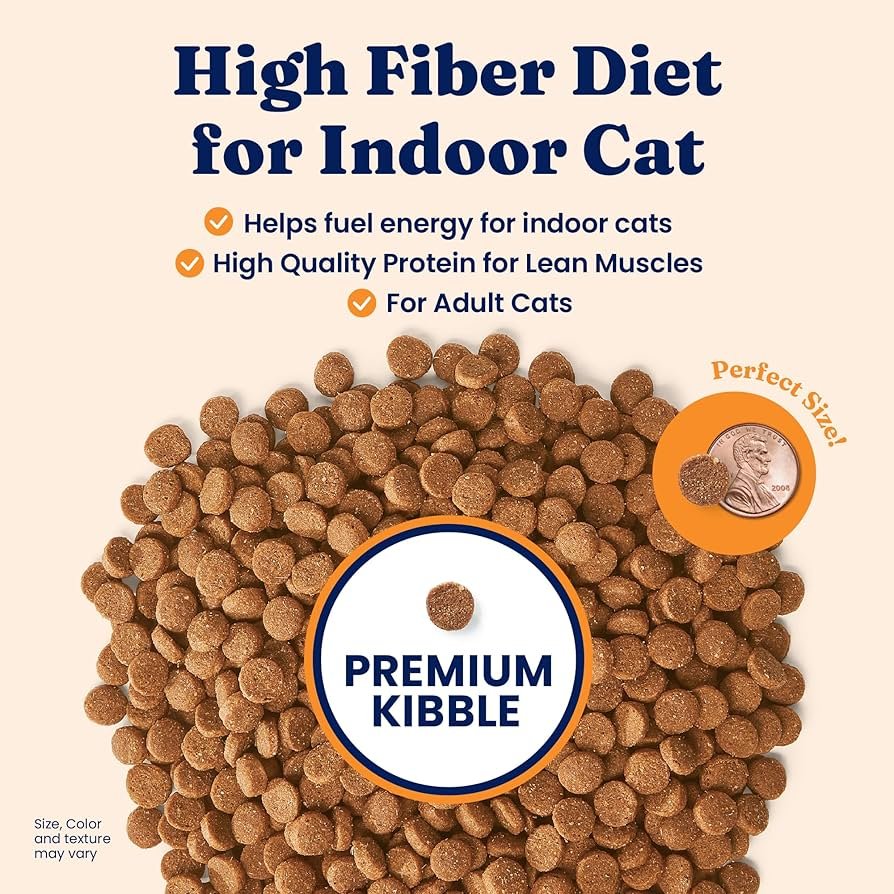
If you want your cat to feel healthier and happier, paying attention to their diet is key. One important part of that diet is fiber.
High fiber foods for cats can improve digestion, prevent constipation, and even help with weight management. But how do you know which foods are best? You’ll discover simple, effective ways to add fiber to your cat’s meals. Keep reading to learn how these changes can make a big difference in your furry friend’s well-being.
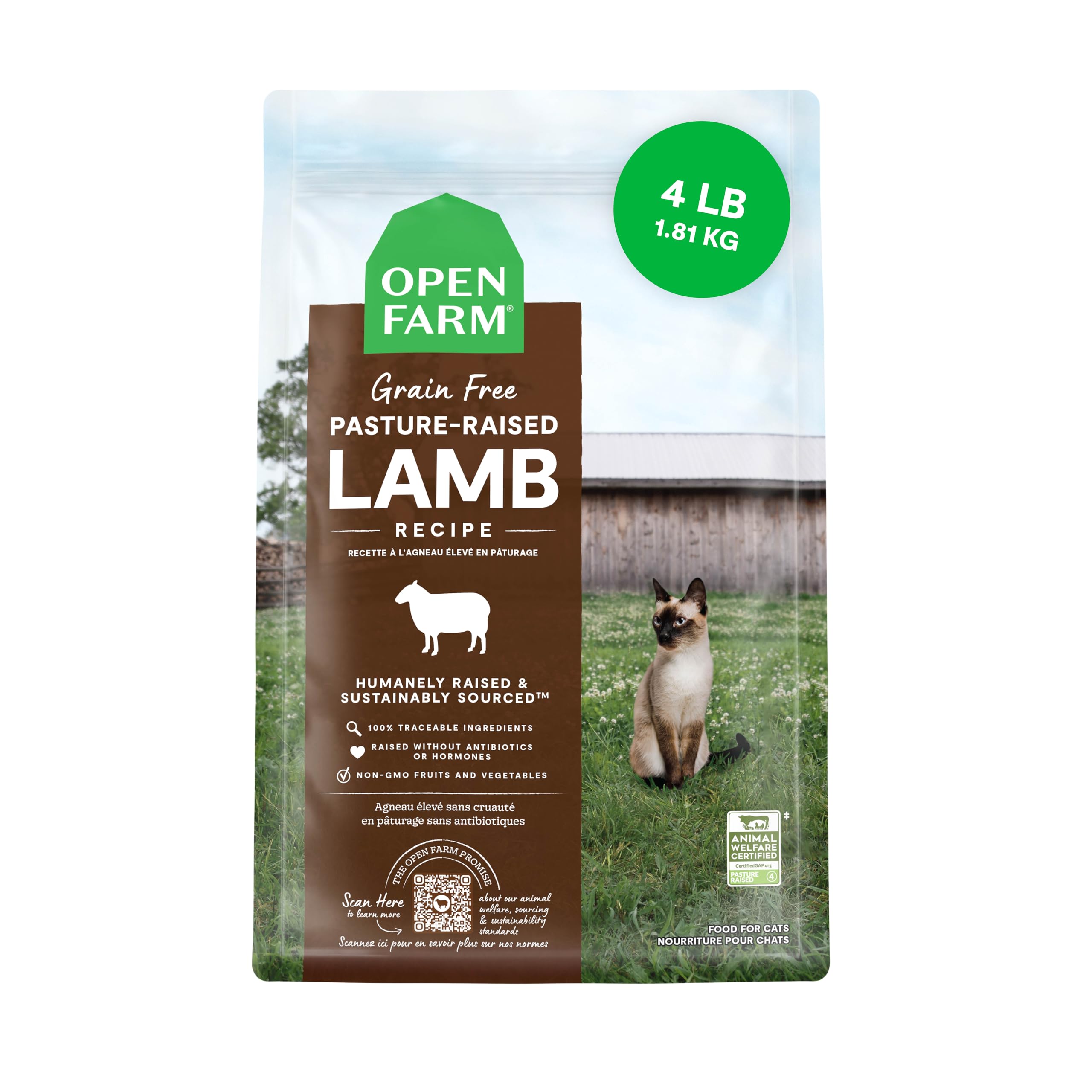
Credit: www.amazon.com
Benefits Of Fiber For Cats
Fiber plays a vital role in a cat’s overall health. It helps maintain a balanced digestive system and supports other key bodily functions. Including high fiber foods in a cat’s diet can bring several benefits that enhance their well-being.
Improved Digestion
Fiber aids the digestive process by adding bulk to the stool. This helps food move smoothly through the intestines. It can prevent constipation and promote regular bowel movements. Fiber also supports healthy gut bacteria, which improves nutrient absorption.
Weight Management
Fiber helps cats feel full for longer periods. This reduces the urge to overeat or snack between meals. It supports a healthy weight by controlling calorie intake. A diet with fiber can be part of a plan to prevent obesity in cats.
Blood Sugar Control
Fiber slows down the absorption of sugar into the bloodstream. This helps keep blood sugar levels stable. Stable blood sugar reduces the risk of diabetes or helps manage it better. Fiber supports overall metabolic health in cats.
Types Of Fiber In Cat Diets
Understanding the types of fiber in your cat’s diet can make a big difference in their digestive health. Fiber isn’t just one thing; it comes in two main forms, each playing a unique role in how your cat’s body processes food. Knowing these can help you choose the right foods or supplements to keep your feline friend comfortable and regular.
Soluble Fiber
Soluble fiber dissolves in water and turns into a gel-like substance in the gut. This type of fiber helps slow down digestion, which can be great if your cat has diarrhea or needs to absorb nutrients better. It also feeds the good bacteria in your cat’s intestines, supporting a healthy gut environment.
Common sources of soluble fiber in cat food include:
- Oats
- Psyllium husk
- Apples (in small amounts)
- Carrots
I once added a small amount of psyllium husk to my cat’s diet after a vet recommended it for mild constipation. Within days, I noticed a big improvement in his digestion and energy levels. Have you ever thought about how certain fibers could help your cat’s specific digestive issues?
Insoluble Fiber
Insoluble fiber doesn’t dissolve in water and mainly adds bulk to the stool. It helps food move through the digestive system faster and can prevent constipation by encouraging regular bowel movements. This fiber type is essential for cats who tend to have slow digestion or hairball problems.
Foods rich in insoluble fiber include:
- Whole grains like brown rice
- Vegetable peels
- Green beans
- Pumpkin skin
Adding a bit of canned pumpkin to my cat’s meals was a simple way to boost insoluble fiber. It helped reduce hairballs and improved his regularity without any fuss. Could your cat benefit from a little more fiber bulk to keep things moving?
High Fiber Foods Safe For Cats
Fiber plays an important role in a cat’s diet. It helps with digestion and prevents constipation. Some high fiber foods are safe and healthy for cats. These foods can add variety and support your cat’s well-being. Introducing them in small amounts is key.
Pumpkin
Pumpkin is a top choice for adding fiber to a cat’s diet. It is easy to digest and gentle on the stomach. Canned pumpkin without spices or sugar works best. Just a teaspoon mixed with food can improve digestion. Pumpkin also helps with both diarrhea and constipation.
Carrots
Carrots provide fiber and important vitamins. They can be cooked or steamed for easy chewing. Raw carrots may be hard for cats to eat. Cut carrots into small pieces before serving. Carrots add crunch and nutrients without many calories.
Green Beans
Green beans are low in calories and high in fiber. They support a healthy digestive system. Serve cooked or steamed green beans plain. Avoid adding salt or seasoning. Many cats enjoy the soft texture and mild flavor of green beans.
Commercial High Fiber Cat Foods
Choosing the right commercial high fiber cat food can make a big difference in your cat’s digestive health. These foods are designed to provide extra fiber, which helps with digestion, weight management, and even hairball control. But with so many options on the market, understanding what to look for can be confusing.
Dry Vs. Wet Options
Dry high fiber cat foods are popular because they are easy to store and usually more affordable. They offer a crunchy texture that some cats enjoy, which can also help keep teeth clean. However, dry foods often have less moisture, so you’ll need to ensure your cat drinks enough water.
Wet high fiber cat foods contain more moisture, which supports hydration and can be easier for cats with dental issues to eat. They tend to have a stronger aroma and flavor, which can entice picky eaters. Keep in mind that wet food spoils faster once opened, so portion control and storage are important.
Ingredients To Look For
Not all fiber is created equal. Look for ingredients like beet pulp, pumpkin, psyllium husk, and chicory root—these provide soluble and insoluble fiber that supports gut health effectively. Some formulas also include prebiotics, which feed the good bacteria in your cat’s intestines.
Beware of foods with excessive fillers or artificial additives that don’t offer real fiber benefits. Check the label for whole food sources of fiber rather than just fiber additives. Have you noticed how your cat reacts to different fiber sources? Their preference can guide your choice.
Incorporating Fiber Into Your Cat’s Diet
Adding fiber to your cat’s diet supports healthy digestion and weight management. Fiber helps regulate bowel movements and can reduce hairballs. It also promotes a feeling of fullness, which can help control overeating. Introducing fiber thoughtfully ensures your cat adjusts well to the change.
Gradual Introduction
Start with a small amount of fiber to avoid stomach upset. Mix fiber-rich foods with your cat’s regular meals. Increase the fiber slowly over several days or weeks. Watch for changes in stool consistency and overall behavior. Sudden changes can cause diarrhea or discomfort. A slow approach helps your cat’s system adapt comfortably.
Recommended Serving Sizes
Fiber amounts depend on your cat’s size and health. Typical servings are small but effective. For example:
- 1 to 2 teaspoons of canned pumpkin per day
- A pinch of psyllium husk mixed in food
- Small amounts of cooked green beans or carrots
Always consult your vet before starting fiber supplements. They can help set the right serving size for your cat’s needs.

Credit: www.amazon.com
Potential Side Effects And Precautions
Adding high fiber foods to your cat’s diet can bring many benefits, but it’s important to be aware of possible side effects and take precautions. Every cat reacts differently, so monitoring their response is key. Understanding these factors helps you keep your feline friend healthy and comfortable.
Digestive Upset
Too much fiber too quickly can cause digestive problems like gas, diarrhea, or constipation in cats. I once added pumpkin to my cat’s meals and noticed mild bloating for a couple of days before her system adjusted. This shows how gradual introduction is crucial.
Watch for signs like changes in stool consistency, frequent vomiting, or loss of appetite. If you spot any of these, reduce the fiber amount or pause the addition altogether. Your cat’s comfort should always come first.
Consulting A Veterinarian
Before making significant changes, talk to your vet about your cat’s specific needs. They can recommend the right type and amount of fiber based on your cat’s health and lifestyle. Don’t hesitate to ask questions about potential allergies or interactions with medications.
Have you considered how fiber fits into your cat’s overall diet? A vet can help you create a balanced plan that avoids nutrient imbalances and supports digestion. Remember, professional guidance is the safest way to make diet changes.

Credit: mysquarepet.com
Frequently Asked Questions
What Are The Best High Fiber Foods For Cats?
High fiber foods for cats include pumpkin, green beans, and psyllium husk. These fibers aid digestion and prevent hairballs effectively. Always introduce fiber gradually and consult your vet for proper amounts.
How Does Fiber Benefit A Cat’s Digestive Health?
Fiber improves digestion by regulating bowel movements and reducing constipation. It also helps manage weight and controls blood sugar levels in cats. A balanced fiber diet supports overall gut health and nutrient absorption.
Can High Fiber Foods Help With Cat Hairballs?
Yes, fiber helps move hair through the digestive tract, reducing hairball formation. It softens stool and promotes regular elimination, preventing hair from accumulating in the stomach. Regular fiber intake is essential for long-haired cats.
Are There Any Risks Of Too Much Fiber In Cat Food?
Excessive fiber can cause diarrhea, bloating, or nutrient absorption issues in cats. Always provide fiber within recommended limits and monitor your cat’s response. Consult a vet before making significant diet changes.
Conclusion
Feeding cats high fiber foods supports healthy digestion and weight control. Fiber helps reduce hairballs and keeps their bowels regular. Choose natural sources like pumpkin, peas, or bran carefully. Introduce fiber slowly to avoid stomach upset. Always check with a vet before changing your cat’s diet.
Balanced fiber intake makes cats feel better and more active. Small changes can improve your pet’s overall health. Keep fiber part of a varied and tasty meal plan. Your cat will thank you with better energy and comfort.
