

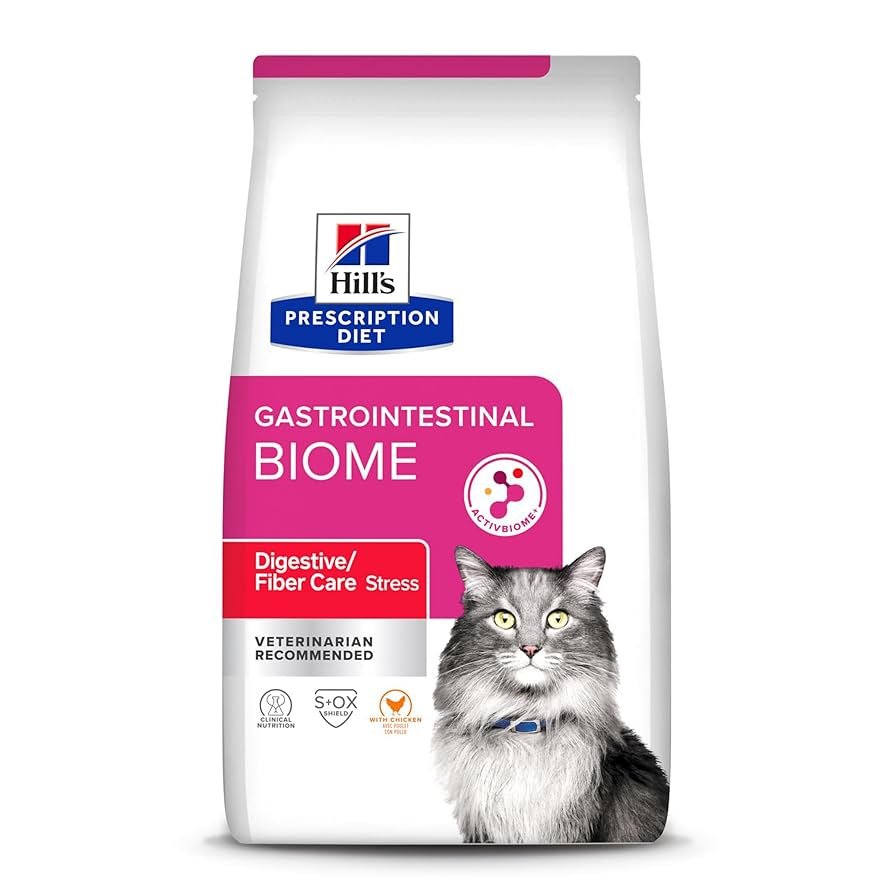
If your cat struggles with digestive issues, finding the right food can feel overwhelming. You want to give your furry friend something that soothes their stomach, supports their health, and tastes good too.
That’s where gastrointestinal cat food comes in. This special type of cat food is designed to ease digestion and keep your cat feeling comfortable every day. Keep reading to discover how the right diet can make a big difference for your cat’s well-being—and how you can choose the best options for their unique needs.
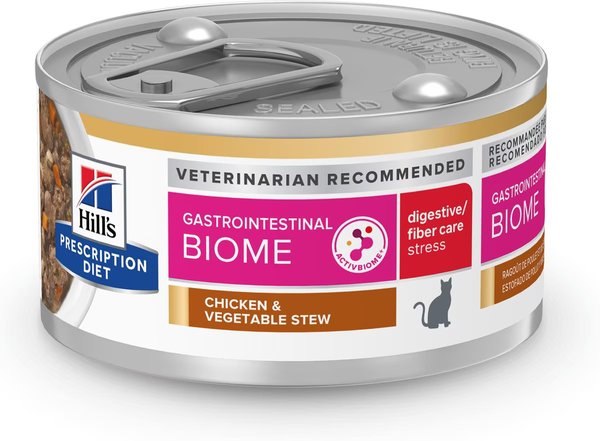
Credit: www.chewy.com
Benefits Of Gastrointestinal Cat Food
Gastrointestinal cat food offers specific benefits for cats with sensitive stomachs or digestive problems. It supports overall gut health and helps cats feel better daily. These foods contain special ingredients that ease digestion and reduce discomfort.
Improved Digestion
This cat food contains easily digestible proteins and fibers. These ingredients help break down food quickly and smoothly. Cats can process their meals without stress or pain. This leads to less vomiting and diarrhea. It also helps maintain regular bowel movements.
Enhanced Nutrient Absorption
Gastrointestinal cat food promotes better absorption of vitamins and minerals. A healthy gut lining allows nutrients to pass into the bloodstream efficiently. Cats get more energy from the same amount of food. This supports their immune system and overall health.
Reduced Gastrointestinal Issues
Special formulas calm inflamed stomachs and intestines. They reduce gas, bloating, and cramping. These foods often include prebiotics and probiotics to balance gut bacteria. Balanced bacteria protect against infections and other digestive troubles. Cats feel more comfortable and active.
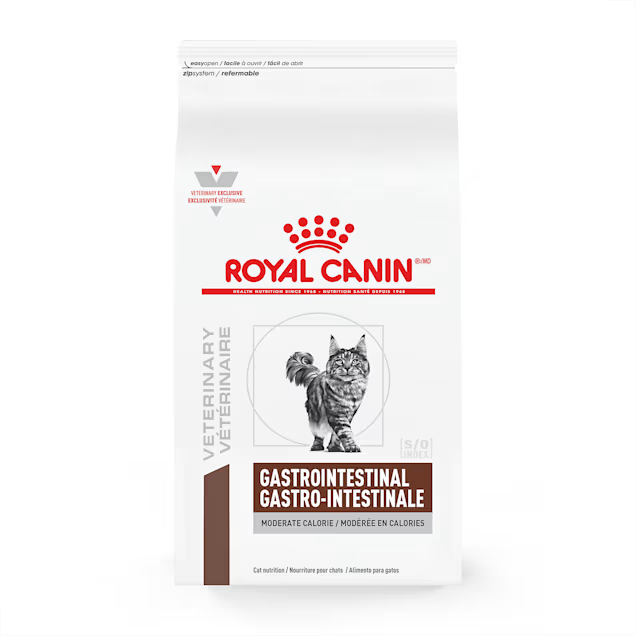
Credit: www.petco.com
Key Ingredients To Look For
Choosing the right ingredients in gastrointestinal cat food can support your cat’s digestion and overall health. The right nutrients help soothe sensitive stomachs and improve nutrient absorption. Focus on ingredients that are gentle, nourishing, and promote a healthy gut environment.
Highly Digestible Proteins
Proteins are essential for your cat’s body repair and energy. Highly digestible proteins break down easily in the stomach. They reduce the risk of digestive upset and food allergies. Common sources include chicken, turkey, and fish. These proteins provide needed amino acids without stressing the digestive system.
Prebiotics And Probiotics
Prebiotics feed good bacteria in the gut. Probiotics add live beneficial bacteria to maintain balance. Together, they support a healthy digestive tract and improve stool quality. Ingredients like chicory root and yogurt are natural sources. These help reduce diarrhea and boost immune health.
Essential Vitamins And Minerals
Vitamins and minerals keep your cat’s body strong and healthy. They support the immune system and aid in healing. Important nutrients include vitamin E, zinc, and B vitamins. These help repair tissues and reduce inflammation. A balanced blend improves digestion and overall well-being.
Signs Your Cat Needs Special Diet
Cats with sensitive stomachs need special diets to stay healthy. Recognizing signs early helps prevent serious health issues. Certain symptoms show that your cat might need gastrointestinal cat food. Watch closely for changes in behavior and health.
Frequent Vomiting Or Diarrhea
Vomiting or diarrhea often can harm your cat’s health. It may signal food intolerance or digestive problems. Persistent upset stomachs need a diet that soothes and supports digestion. Special cat food can reduce these symptoms and improve gut health.
Weight Loss And Poor Appetite
Sudden weight loss is a warning sign in cats. Loss of appetite also points to digestive troubles or discomfort. Cats that eat less may struggle to get enough nutrients. A tailored diet helps restore appetite and supports healthy weight gain.
Lethargy And Discomfort
Low energy and signs of pain can mean digestive distress. Cats may hide or act restless when feeling unwell. A gastrointestinal diet can ease discomfort and boost energy levels. Proper nutrition helps your cat feel active and happy again.
Choosing The Right Gastrointestinal Cat Food
Choosing the right gastrointestinal cat food is key to supporting your cat’s digestive health. Cats with sensitive stomachs or digestive issues need special nutrition. The correct food helps reduce symptoms like vomiting, diarrhea, and gas. It also improves nutrient absorption and overall well-being.
Consulting Your Veterinarian
Your veterinarian knows your cat’s health best. They can diagnose digestive problems and recommend suitable foods. Sharing your cat’s symptoms and history helps your vet suggest the right diet. Follow their advice closely to avoid worsening issues.
Reading Labels And Ingredients
Look for foods with easily digestible ingredients. Simple protein sources like chicken or fish work well. Avoid foods with fillers, artificial colors, and preservatives. Fiber content is important—it supports healthy digestion. Also, check for added vitamins and minerals.
Evaluating Brand Reputation
Choose brands known for quality and safety. Research customer reviews and expert opinions. Trusted brands often conduct feeding trials and use high-quality ingredients. Avoid new or unknown brands without clear ingredient information. Consistency matters for your cat’s health.
Transitioning Your Cat To New Food
Switching your cat to a new gastrointestinal diet requires patience and care. Sudden changes can upset their sensitive stomachs, causing discomfort or refusal to eat. Understanding how to introduce the new food gently will help your cat adjust smoothly and maintain their digestive health.
Gradual Introduction Tips
Start by mixing a small amount of the new food with your cat’s current meal. Aim for about 10% new food and 90% old food on the first day. Slowly increase the new food portion over 7 to 10 days until your cat is eating only the new diet.
Watch for signs of hesitation or refusal. If your cat resists, slow down the transition pace. Sometimes, warming the food slightly or adding a bit of water can make it more appealing.
Monitoring Your Cat’s Response
Keep a close eye on your cat’s behavior and digestion during the transition. Look for changes like vomiting, diarrhea, or constipation, which may indicate that the new food isn’t agreeing with them.
Also, note your cat’s energy levels and appetite. A drop in either can signal discomfort or dislike. How does your cat respond when you offer the new food—eagerly or with hesitation?
Adjusting Portions And Frequency
Sometimes, smaller, more frequent meals can ease the transition. Try breaking your cat’s daily food into 3-4 portions instead of 2 large ones. This can help reduce digestive stress and improve acceptance.
If your cat shows signs of digestive upset, consider reducing the portion size temporarily. Gradually increase it again as your cat’s system adapts. Have you noticed if your cat prefers eating smaller meals during changes?

Credit: www.amazon.com
Homemade Options For Gi Health
Homemade diets can support your cat’s gastrointestinal health by offering gentle, easy-to-digest meals. Preparing food at home gives control over ingredients. It helps avoid additives or fillers that may irritate your cat’s stomach. Fresh, simple foods often soothe digestive issues and improve nutrient absorption.
Choosing the right ingredients and recipes is important. Some foods promote healing and reduce inflammation in the gut. Others may cause discomfort or worsen symptoms. Understanding when homemade feeding suits your cat is key to safe and effective care.
Safe Ingredients To Include
- Boiled chicken or turkey without skin
- Cooked white rice or pumpkin
- Plain mashed sweet potatoes
- Low-fat cottage cheese or plain yogurt
- Carrots or green beans, cooked soft
- Small amounts of fish like salmon
- Bone broth without seasoning
These ingredients are gentle on the stomach and easy to digest. Avoid spices, onions, garlic, and fatty meats. Always check for allergies or intolerances before introducing new foods.
Simple Recipes To Try
| Recipe | Ingredients | Preparation |
|---|---|---|
| Chicken and Rice | Boiled chicken breast, cooked white rice | Mix equal parts chicken and rice. Serve warm. |
| Pumpkin and Turkey | Boiled turkey, mashed pumpkin | Combine turkey with pumpkin. Feed small portions. |
| Fish and Sweet Potato | Steamed salmon, mashed sweet potato | Mix and serve in small amounts. |
Serve fresh and avoid leftovers to prevent bacterial growth. Keep portion sizes small to avoid overloading the stomach.
When To Avoid Homemade Diets
- Your cat has severe or chronic digestive issues
- There is a lack of veterinary guidance
- The diet cannot meet all nutritional needs
- Your cat requires special medical foods
- You cannot maintain strict hygiene in food prep
Homemade meals are not a replacement for prescribed veterinary diets in serious cases. Always consult your vet before changing your cat’s diet. Proper care ensures your cat’s gut health and overall well-being.
Common Myths About Gastrointestinal Cat Food
Gastrointestinal cat food often gets a bad rap because of some common myths floating around. These misconceptions can confuse you and make it harder to decide what’s truly best for your cat’s digestive health. Let’s clear up some of these misunderstandings so you can make informed choices.
Misconceptions About Cost
Many pet owners think that gastrointestinal cat food is always expensive and not worth the price. While it can cost more than regular cat food, the benefits often outweigh the upfront cost by reducing vet visits and improving your cat’s comfort.
Think about it this way: Would you rather spend a little more now or face costly treatments later? Special diets can prevent digestive flare-ups that lead to emergency visits.
Effectiveness Of Special Diets
Some people believe that gastrointestinal diets are just a marketing gimmick with no real benefits. However, these foods are formulated with specific nutrients that support digestion, reduce inflammation, and manage symptoms like diarrhea or vomiting.
Have you noticed a difference when switching your cat’s food? Many cat owners report improved energy and less digestive trouble after starting a gastrointestinal diet.
Natural Vs. Prescription Foods
You might wonder if natural or homemade diets are better than prescription gastrointestinal cat foods. While natural diets can be healthy, they often lack the precise balance of nutrients and additives needed to manage serious digestive issues effectively.
Prescription foods are tested and approved by veterinarians to target specific problems. If your cat has ongoing digestive issues, relying solely on natural foods might delay proper treatment.
Frequently Asked Questions
What Is Gastrointestinal Cat Food?
Gastrointestinal cat food is specially formulated to support cats with digestive issues. It contains easily digestible ingredients and added nutrients to soothe the stomach and promote gut health. This food helps manage symptoms like vomiting, diarrhea, and inflammation.
When Should I Feed My Cat Gastrointestinal Food?
Feed gastrointestinal cat food when your cat shows digestive problems or after vet diagnosis. It is ideal for cats with sensitive stomachs, food allergies, or recovery from intestinal illness. Always consult your vet before switching to this specialized diet.
How Does Gastrointestinal Cat Food Benefit Cats?
This food improves digestion by providing balanced nutrients and gentle proteins. It reduces inflammation, supports gut lining repair, and restores healthy gut flora. Overall, it enhances nutrient absorption and reduces gastrointestinal discomfort in cats.
Can Gastrointestinal Cat Food Prevent Future Digestive Issues?
Yes, it can help prevent future problems by maintaining gut health and reducing stress on the digestive system. Regular feeding of this diet can strengthen the stomach and intestines, minimizing the risk of flare-ups or chronic digestive conditions.
Conclusion
Choosing the right gastrointestinal cat food helps keep your cat healthy. It supports digestion and reduces stomach problems. Cats feel better and have more energy. Always read labels to find gentle ingredients. Speak with your vet to find the best option.
Feeding your cat well makes a big difference. Good care leads to a happy, active pet. Simple changes in food can improve your cat’s life. Trust the process and watch your cat thrive.
