

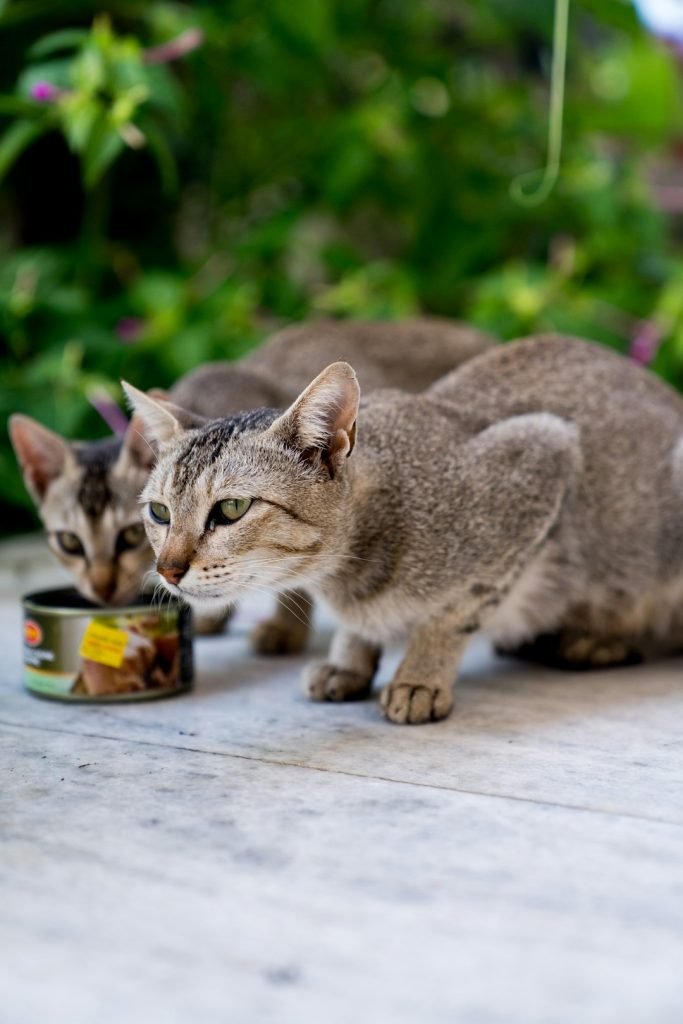
If you have a new kitten at home, you might be wondering, “Can kittens eat adult cat food?” It’s a common question because you want to make sure your little furball gets the right nutrition to grow strong and healthy. What you feed your kitten now can impact their health for years to come.
Keep reading to find out why choosing the right food matters and what could happen if you get it wrong. Your kitten’s well-being depends on it!
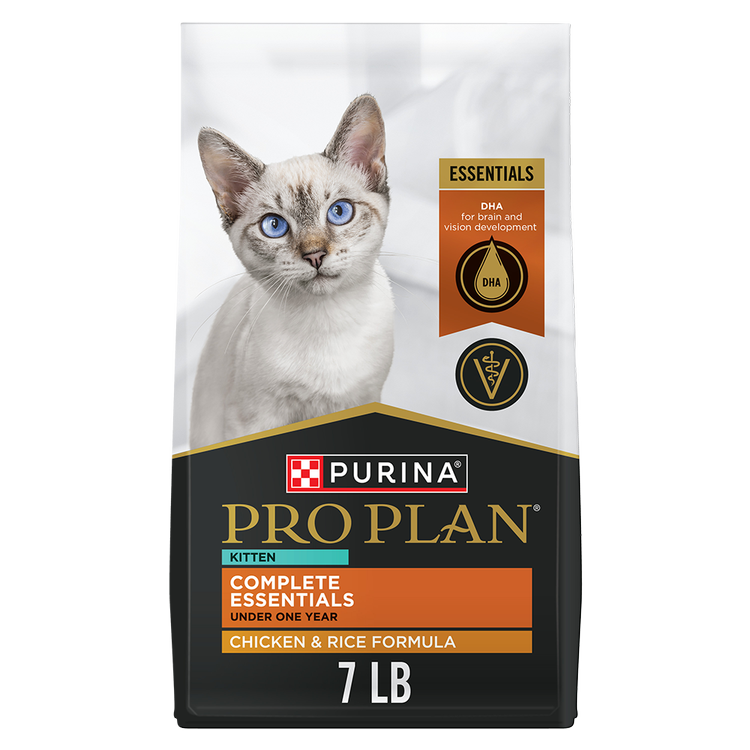
Credit: www.purina.com
Nutritional Needs Of Kittens
Kittens have special nutritional needs that differ from adult cats. Their bodies grow quickly and need the right food to support this rapid development. Proper nutrition helps kittens build strong bones, muscles, and a healthy immune system. Feeding them the right diet is essential for their long-term health and happiness.
Growth Requirements
Kittens grow faster than any other time in their lives. Their diet must provide enough calories and nutrients to fuel this growth. They need food that is rich in energy to keep up with their active lifestyle. Smaller, frequent meals help kittens absorb nutrients better and maintain steady energy levels.
Adult cat food often lacks the extra calories kittens need. It may not support their fast growth or high energy demands. Kittens need a diet made specifically for their age to stay healthy and strong.
Key Nutrients For Development
- Protein:Vital for building muscles and repairing tissues.
- Fat:Provides energy and supports brain development.
- Calcium and Phosphorus:Essential for strong bones and teeth.
- Taurine:An amino acid crucial for heart and eye health.
- Vitamins:Support immune function and overall growth.
- DHA (Docosahexaenoic Acid):Important for brain and vision development.
Kittens need these nutrients in higher amounts than adult cats. Balanced kitten food ensures they get the right mix for healthy growth. Feeding adult cat food can leave nutritional gaps that harm their development.
Differences Between Kitten And Adult Cat Food
Understanding the differences between kitten and adult cat food is key to ensuring your furry friend grows up healthy and strong. Kitten food is specially designed to meet the unique nutritional needs of growing cats, which differ significantly from those of adult cats. Feeding your kitten the right type of food supports their rapid development and helps avoid potential health problems down the line.
Calorie And Protein Content
Kittens need more calories than adult cats because they burn energy quickly while exploring and playing. Kitten food contains higher calorie levels to fuel this active growth phase. Additionally, protein content in kitten food is significantly higher to support muscle development and overall body growth.
Adult cat food, on the other hand, has fewer calories to prevent weight gain since adult cats are generally less active. The protein levels are adequate for maintenance but not designed to support rapid growth. Have you noticed how your kitten seems to eat more but still stays lean? That’s the power of a protein-rich diet tailored for kittens.
Vitamin And Mineral Levels
Vitamins and minerals in kitten food are carefully balanced to support bone growth, immune function, and brain development. For example, kitten food often contains extra calcium and phosphorus to strengthen bones and teeth during their critical growth stages. It also includes higher amounts of DHA, an omega-3 fatty acid vital for eye and brain health.
Adult cat food has lower concentrations of these nutrients since their growth has stabilized. Feeding adult cat food to kittens might leave them without enough essential vitamins and minerals, affecting their long-term health. Can you imagine a growing child missing out on key nutrients? The same applies to your kitten—it’s a matter of giving them what they truly need.
Risks Of Feeding Adult Food To Kittens
Feeding your kitten adult cat food might seem like a simple solution, especially if you have multiple cats of different ages. However, this choice can carry serious risks that affect your kitten’s development and overall health. Understanding these risks helps you make better decisions for your kitten’s nutrition.
Potential Nutritional Deficiencies
Adult cat food is formulated to meet the needs of fully grown cats, not growing kittens. It often lacks the right balance of essential nutrients like protein, fat, and certain vitamins that kittens require in higher amounts.
For instance, kittens need more taurine, an amino acid critical for heart and eye health. Adult food might not provide enough, which could lead to deficiencies that affect their development.
Have you noticed your kitten seems less energetic or not gaining weight as expected? This could be a sign of nutritional gaps caused by inappropriate food.
Impact On Growth And Health
Kittens grow rapidly during their first few months, and their diet should support this intense growth phase. Feeding adult cat food can slow down their growth or cause improper bone development.
Besides physical growth, your kitten’s immune system relies on proper nutrition to build strong defenses. Inadequate food can increase their risk of infections and illnesses.
Imagine your kitten struggling with frequent health issues or delayed milestones—could the food you provide be a hidden culprit? Monitoring their diet closely is key to keeping them healthy and thriving.

Credit: www.petscare.com
When Adult Food Might Be Acceptable
Kittens need special nutrition for healthy growth. Their food has more protein, fat, and calories than adult cat food. Still, there are rare moments when feeding adult cat food to kittens might be okay. Understanding these moments helps keep kittens safe and healthy.
Short-term Feeding Scenarios
Sometimes, kitten food may not be available. In emergencies, adult cat food can be a temporary option. It provides basic nutrients but lacks kitten-specific vitamins and minerals. Use adult cat food only for a few days maximum. Avoid long-term feeding to prevent growth problems.
Older kittens closer to one year may tolerate adult food better. Their nutritional needs start to match adult cats. Still, gradual switching is best to avoid stomach upset. Monitor kitten health carefully during this time.
Consulting A Veterinarian
Veterinarians give the best advice on kitten nutrition. They assess health, age, and dietary needs. Always ask a vet before using adult cat food. They may suggest special formulas or supplements. A vet’s guidance ensures kittens grow strong and healthy.
Professional advice helps avoid risks like nutrient deficiencies or digestive issues. Keep regular vet check-ups to track kitten development. Early intervention prevents future health problems.
Transitioning Kittens To Adult Food
Transitioning kittens to adult food is an important phase in their growth. Kittens need special nutrients for development, which adult food might lack. Changing food too fast can upset their stomach. A smooth change helps them adjust to new tastes and textures easily.
Ideal Timing For Switch
Kittens usually grow fast during the first year. Most vets suggest starting the switch at about 9 to 12 months old. At this age, their growth rate slows, and their nutritional needs change. Switching too early might cause nutrient gaps. Switching too late can lead to weight gain or health issues.
Steps For Gradual Change
Start by mixing a small amount of adult food with kitten food. Increase the adult food portion slowly over 7 to 10 days. Watch your kitten’s reaction to the new food. Look for changes in appetite or digestion. Keep fresh water available at all times during the transition.
- Day 1-3: 25% adult food, 75% kitten food
- Day 4-6: 50% adult food, 50% kitten food
- Day 7-9: 75% adult food, 25% kitten food
- Day 10: 100% adult food

Credit: www.youtube.com
Choosing The Right Food For Your Kitten
Choosing the right food for your kitten is crucial for their growth and overall health. Kittens have different nutritional needs than adult cats, so feeding them the correct food ensures they get the essential vitamins and minerals. Are you confident that the food you pick supports their development?
Reading Food Labels
Look closely at the label to find key information about the food’s nutritional content. Focus on protein sources listed at the top of the ingredients list—high-quality animal proteins like chicken, turkey, or fish are best.
Check if the food is specially formulated for kittens or labeled as “growth” or “all life stages.” These formulas contain higher levels of calcium, phosphorus, and fat needed for healthy bones and energy.
Avoid foods with too many fillers like corn or wheat, which add little nutritional value. Also, watch out for artificial colors or flavors that might upset your kitten’s sensitive stomach.
Recommended Brands And Formulas
Brands like Royal Canin, Hill’s Science Diet, and Blue Buffalo offer kitten-specific formulas that meet strict nutritional standards. These products are backed by veterinary research and often receive positive reviews from pet owners.
Try wet food options as well—they provide extra moisture, which benefits your kitten’s hydration. Mixing wet and dry food can create a balanced diet that’s both tasty and nutritious.
Have you noticed how some kittens prefer certain textures or flavors? Experiment with a few trusted brands until you find what your kitten loves and thrives on.
Frequently Asked Questions
Can Kittens Eat Adult Cat Food Safely?
Kittens can eat adult cat food, but it lacks essential nutrients for growth. Kitten food contains higher protein, fat, and calories needed for development. Feeding only adult food may lead to nutritional deficiencies and slow growth. Always choose specially formulated kitten food for optimal health.
What Happens If Kittens Eat Adult Cat Food?
If kittens eat adult cat food, they may miss critical nutrients. This can cause weak immune systems, poor bone development, and low energy. Adult food is less calorie-dense, which may not meet a kitten’s energy needs. It’s best to feed kittens food designed for their age.
When Should Kittens Switch To Adult Cat Food?
Kittens should switch to adult cat food around 12 months old. By this time, their growth slows and nutritional needs change. Gradually transition over one week to avoid digestive upset. Always consult a vet to ensure the timing fits your kitten’s health.
Can Adult Cat Food Cause Digestive Issues In Kittens?
Adult cat food can cause digestive issues in kittens. It’s not formulated with the right nutrients or fiber for young cats. This may lead to diarrhea, constipation, or upset stomach. Feeding kitten-specific food helps support healthy digestion and growth.
Conclusion
Kittens need special food to grow strong and healthy. Adult cat food lacks some nutrients kittens require. Feeding kittens only adult food can cause health problems. Always choose food made for kittens during their early months. This helps their bones, teeth, and energy develop well.
Consult your vet for the best feeding plan. Give your kitten the right food. Watch them thrive and stay happy. Good nutrition sets the foundation for a long, healthy life.
