

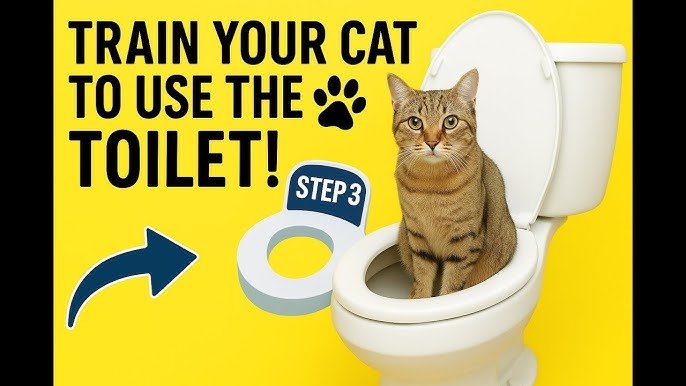
Potty training a cat might sound tricky, but it’s easier than you think. Imagine a home where your cat uses the toilet just like you do—no more litter boxes to clean or messes to worry about.
If you want a cleaner space and a smarter pet, this guide is for you. Keep reading, and you’ll discover simple steps that make potty training your cat possible, even if you’ve never tried before. Ready to change your cat’s habits and enjoy a fresher home?
Let’s dive in!
Benefits Of Potty Training Cats
Potty training a cat offers many benefits for both you and your pet. It helps maintain a cleaner home and creates a healthier space. Cats that use the toilet often feel more comfortable and less stressed. Training also saves money and supports eco-friendly living. Understanding these benefits can encourage pet owners to try this method.
Hygiene Improvements
Potty training reduces litter box odors and messes. It prevents litter tracking around the house. Your cat’s bathroom area stays cleaner and fresher. This lowers the risk of bacteria spreading in your home. A cleaner environment means fewer allergens and better health for everyone.
Cost Savings
Using the toilet cuts down on litter expenses. You no longer need to buy bags of litter regularly. It also reduces the cost of cleaning supplies for litter messes. Over time, these savings add up. Potty training can be a smart financial choice for pet owners.
Environmental Impact
Litter production uses natural resources and creates waste. Potty training helps reduce this waste significantly. Less litter means fewer plastic bags and less landfill trash. It lowers your cat’s environmental footprint. This practice supports a greener and cleaner planet.

Credit: www.purina.com
Choosing The Right Toilet Training Method
Choosing the right toilet training method for your cat is a crucial step that can make or break the process. Every cat has a unique personality and comfort zone, so what works for one may not work for another. Understanding your cat’s behavior and preferences will help you pick a method that feels natural and stress-free for both of you.
Litter Box Transition
Start by slowly moving the litter box closer to the toilet over several days. This reduces confusion and helps your cat adjust gradually to the new location. Be patient—some cats take longer to adapt than others.
Once the litter box is next to the toilet, begin raising it a little each day using sturdy objects like books or boxes. The goal is to match the height of the toilet seat so your cat becomes comfortable jumping up to use it. Have you noticed how your cat reacts to new heights or unfamiliar spots around the house? That observation can guide your pace.
Using A Training Seat
Training seats designed specifically for cats fit over the toilet and hold litter. These seats provide a familiar surface while your cat gets used to the toilet’s edge. They often come with removable rings that allow you to gradually reduce the litter area.
Reducing litter bit by bit encourages your cat to balance on the seat and use the toilet directly. Some cats need extra encouragement, like praise or treats, to feel confident with this change. Do you think your cat responds well to treats or verbal encouragement during new experiences?
Alternative Techniques
If traditional methods don’t suit your cat, consider alternatives like using flushable litter or placing a shallow pan on the toilet seat. These options can ease the transition by combining familiar elements with new habits. They also allow flexibility based on your cat’s comfort level.
Another option is clicker training to reinforce positive toilet behavior. This method requires patience but can be very effective for cats that respond well to training cues. What motivates your cat most—food, play, or affection? Tailoring training to their favorite rewards can boost success.
Step-by-step Training Process
Potty training a cat needs patience and a clear plan. The process involves familiarizing your cat with a new way to relieve itself. Each stage builds on the last, helping your cat adjust step by step. Consistency and positive reinforcement are key to success.
Preparing The Bathroom
Choose a quiet bathroom with a toilet your cat can access easily. Remove any obstacles around the toilet. Place a stable training seat on the toilet bowl. Make sure the bathroom is warm and comfortable for your cat.
Introducing The Training Seat
Allow your cat to explore the training seat without pressure. Place some litter on the seat to mimic the litter box feel. Encourage your cat to step onto the seat using treats or toys. Repeat this until your cat is comfortable sitting on the seat.
Gradual Litter Reduction
Slowly reduce the amount of litter on the training seat. This helps your cat adjust to using the toilet without litter. Monitor your cat’s behavior to avoid stress or accidents. Make changes gradually over several weeks.
Encouraging Successful Attempts
Reward your cat after each successful use of the toilet. Use gentle praise and small treats to motivate your cat. Keep the bathroom routine consistent every day. Celebrate progress to build your cat’s confidence.

Credit: www.purina.com
Common Challenges And Solutions
Potty training a cat can be a rewarding experience, but it often comes with a set of challenges that test your patience and creativity. Understanding these common obstacles can help you stay on track and find effective solutions. Let’s look at some issues you might face and practical ways to overcome them.
Reluctance To Use The Toilet
Your cat might hesitate to switch from a litter box to the toilet. This can happen because the toilet feels unfamiliar or unstable under their paws.
Try making the transition gradual. Start by moving the litter box closer to the toilet, then place it on top of the closed toilet seat. You can also add a training seat that fits inside the toilet bowl to provide extra stability and comfort.
Patience is key here. If your cat shows signs of stress, take a step back and allow them to get used to the new setup at their own pace. Have you noticed if your cat prefers certain surfaces or textures? This insight can guide your adjustments.
Accidents And Setbacks
Accidents are common during training and can feel frustrating. Your cat might go back to using the floor or litter box unexpectedly.
Instead of punishing, observe where and when accidents happen. Is your cat avoiding the toilet because of noise or difficulty balancing? Sometimes, small changes like keeping the bathroom door open or adding non-slip mats can help.
Reinforce positive behavior with treats and praise when your cat uses the toilet correctly. Consistency and calm responses will encourage progress, even if it’s slow.
Dealing With Multiple Cats
Training one cat is challenging enough, but multiple cats add complexity. Each cat may have different comfort levels and habits.
Train each cat individually if possible. This helps avoid confusion and lets you focus on each cat’s unique pace. Be mindful of territorial behavior; some cats might resist sharing the toilet or feel stressed by the presence of others.
Providing multiple litter boxes during the transition period reduces competition and accidents. How do your cats interact around their current litter boxes? Observing this can help you plan the best strategy.
Safety And Health Considerations
Potty training a cat is not just about convenience—it involves important safety and health considerations that protect your feline friend’s well-being. You need to think beyond the litter box and focus on how training affects your cat’s comfort, hygiene, and overall health. Paying close attention to these factors can prevent stress and illness during the transition.
Avoiding Stress
Cats are creatures of habit, and sudden changes can easily upset them. You should introduce potty training gradually to avoid overwhelming your cat. Watch your cat’s behavior closely—if you notice signs of anxiety like excessive grooming or hiding, slow down the process.
Have you ever noticed how your cat reacts to a new environment or routine? Use that observation to guide your training pace. Creating a calm and positive atmosphere helps your cat feel safe and confident.
Maintaining Cleanliness
Cleanliness is key to successful potty training and your cat’s health. Make sure to clean the training area regularly to prevent odors and bacteria buildup. Use mild, pet-safe cleaning products to avoid irritating your cat’s sensitive paws and skin.
Keeping the potty area dry and free from waste also discourages your cat from avoiding it. Remember, a clean space is more inviting, so check the area at least once a day and spot-clean as needed.
Monitoring Cat’s Health
Potty training can sometimes reveal underlying health issues. If your cat starts having accidents outside the designated area, it might signal urinary tract infections or other medical problems. Pay attention to changes in your cat’s litter habits and overall behavior.
Regular vet check-ups during training help catch any health concerns early. Are you ready to act promptly if your cat shows discomfort or unusual symptoms? Staying vigilant ensures your cat stays healthy and happy throughout the training.

Credit: www.amazon.com
Expert Tips For Long-term Success
Potty training a cat takes time and care. Success depends on simple habits and good understanding. Following expert tips helps keep progress steady and lasting. Patience and clear routines make training easier for both you and your cat.
Each cat learns differently. Adjusting to your cat’s style helps avoid frustration. Rewarding good behavior encourages your cat to repeat it. Keep these ideas in mind for lasting success.
Consistency And Patience
Set a clear routine for your cat’s bathroom time. Use the same spot and type of litter box. Avoid changing locations too often. Patience is key. Cats need time to learn new habits. Give your cat space and calm during training. Avoid punishment. Calm persistence builds trust and good behavior.
Positive Reinforcement
Reward your cat immediately after using the litter box correctly. Use treats, gentle petting, or soft praise. Positive rewards make cats want to repeat actions. Avoid scolding or negative reactions. They can cause fear and confusion. Celebrate small wins to keep your cat motivated.
Adjusting To Your Cat’s Personality
Observe how your cat reacts to training methods. Some cats need more quiet and privacy. Others enjoy attention and encouragement. Tailor your approach to your cat’s mood and habits. Be flexible and patient with shy or nervous cats. Respect their limits while guiding them gently.
Frequently Asked Questions
How Long Does It Take To Potty Train A Cat?
Potty training a cat usually takes 4 to 6 weeks. Consistency and patience are key. Each cat learns at its own pace.
What Supplies Are Needed To Potty Train A Cat?
You’ll need a litter box, cat litter, and a training seat. Positive reinforcement treats also help encourage good behavior.
Can All Cats Be Potty Trained Successfully?
Most cats can learn with proper training. Some may resist due to age or personality. Early training improves success chances.
How Do I Transition My Cat From Litter To Toilet?
Gradually move the litter box closer to the toilet. Use a training seat with litter. Reduce litter until the cat uses the toilet.
Conclusion
Potty training a cat takes time and patience. Start slow and use positive rewards. Watch your cat’s behavior and adjust steps as needed. Keep the potty area clean and comfortable. Celebrate small successes to encourage progress. Remember, every cat learns at its own pace.
Stay calm and consistent throughout the process. Soon, your cat will use the potty confidently. Enjoy a cleaner home and happy pet. Patience truly pays off in the end.
