

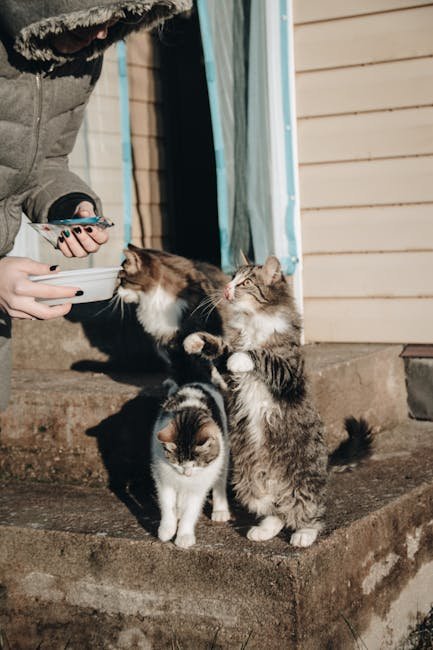
Are you wondering if your cat really needs vegetables in their diet? It’s a question many pet owners ask but don’t always find clear answers to.
You want to give your furry friend the best nutrition, but with so much information out there, it’s easy to feel confused. What if adding veggies could improve your cat’s health? Or what if it could do more harm than good?
Keep reading, and you’ll discover the truth about cats and vegetables—so you can make the smartest choices for your pet’s well-being.
Cats And Their Diet
Understanding what your cat really needs in its diet is key to keeping it healthy and happy. Cats are not like us; their dietary needs are unique and specific. Knowing these needs helps you make smarter decisions about what to feed your feline friend.
Carnivore Nature
Cats are obligate carnivores, which means their bodies are built to eat meat. Their digestive systems are designed to break down animal proteins and fats efficiently. Unlike omnivores, they don’t rely on plants or vegetables for survival.
Have you ever noticed your cat ignoring vegetables on your plate? That’s because their taste buds and metabolism don’t crave or process plant matter the way ours do. Meat provides essential nutrients cats can’t get from vegetables.
Nutritional Requirements
Cats need specific nutrients that come almost exclusively from animal sources. These include taurine, arachidonic acid, and vitamin A, which plants cannot supply in adequate amounts. Without these, your cat can develop serious health problems.
Proteins and fats are their main energy sources. While fiber from vegetables can aid digestion in some animals, cats don’t require it in their diet. So, does adding vegetables truly benefit your cat, or is it just extra filler?
- Taurine: Critical for heart and eye health
- Arachidonic acid: A fatty acid vital for skin and coat
- Vitamin A: Supports vision and immune function
Feeding your cat a balanced diet rich in these nutrients is more important than adding vegetables. Think about the last time you fed your cat something green—did you notice any interest or benefit? Most likely, their preference and health point towards meat-based meals.
Role Of Vegetables In Cat Nutrition
Cats are known for their carnivorous nature, making meat the primary component of their diet. However, a question often arises: do cats benefit from vegetables? The role of vegetables in cat nutrition can be intriguing, especially as many commercial cat foods include them. Understanding the potential benefits and limitations of vegetables in your cat’s diet can help you make informed choices for your furry friend’s health.
Are Vegetables Necessary?
While cats are obligate carnivores, meaning they primarily require meat for their nutritional needs, vegetables can still play a supportive role. They are not necessary for survival, but they can add fiber and certain vitamins to your cat’s diet. However, the essential nutrients that cats need, such as taurine and arachidonic acid, are found in animal-based products, not vegetables.
Incorporating small amounts of vegetables can offer some health benefits, such as aiding digestion. Yet, it’s crucial to remember that vegetables should never replace meat as the main dietary component. Always consider the overall balance of your cat’s diet and consult with your veterinarian if you have concerns about nutritional adequacy.
Common Vegetables In Cat Food
Commercial cat foods often contain vegetables like peas, carrots, and sweet potatoes. These ingredients are typically added in small amounts to provide additional fiber and vitamins. Peas, for example, offer vitamin K, while carrots are a source of vitamin A.
However, it’s essential to be cautious about the types of vegetables and their quantities. Some vegetables, like onions and garlic, are toxic to cats and should be avoided entirely. Always check the ingredient list on cat food labels to ensure it’s safe and beneficial for your pet.
As a cat owner, you might wonder if homemade meals with vegetables can be beneficial. While preparing food for your cat can be rewarding, it’s essential to ensure a well-balanced diet. If you’re considering adding vegetables, do so in moderation and always prioritize meat as the primary ingredient.
Benefits Of Vegetables For Cats
Vegetables can offer surprising benefits to your cat’s diet, even though they are primarily carnivores. Adding the right kinds of vegetables can support your cat’s overall health in small but meaningful ways. Are you curious about what veggies can do for your feline friend?
Fiber And Digestion
Fiber from vegetables helps keep your cat’s digestive system running smoothly. It can prevent constipation and promote regular bowel movements. Have you noticed your cat having trouble with digestion? Adding a bit of pumpkin or green beans to their meals might ease those issues.
Fiber also feeds the good bacteria in the gut. This supports better nutrient absorption and a stronger immune system. Think about how a healthy gut can improve your cat’s energy and mood.
Vitamins And Antioxidants
Vegetables provide essential vitamins and antioxidants that your cat might not get enough of from meat alone. Vitamins like A, C, and K help with vision, skin health, and blood clotting. Antioxidants protect cells from damage and support long-term health.
For example, carrots and spinach are rich in beta-carotene and other antioxidants. Adding small amounts can boost your cat’s vitamin intake without overloading their system. Have you tried sneaking in a tiny bit of veggie puree to see if your cat enjoys the taste?
Risks Of Feeding Vegetables
Feeding vegetables to cats carries certain risks. Cats are obligate carnivores. Their bodies are designed mainly to digest meat. Vegetables can sometimes cause harm or discomfort. Knowing these risks helps protect your cat’s health.
Toxic Vegetables To Avoid
Some vegetables are harmful or deadly to cats. These include:
- Onions and garlic – Cause red blood cell damage
- Leeks and chives – Can lead to anemia
- Raw potatoes – Contain solanine, which is toxic
- Rhubarb leaves – Contain oxalates, harmful to kidneys
Even small amounts of these vegetables can cause serious problems. Always keep these away from your cat.
Digestive Issues
Cats have sensitive stomachs. Vegetables often contain fiber and compounds cats cannot digest well.
Feeding vegetables might cause:
- Diarrhea
- Vomiting
- Gas and bloating
- Stomach pain
These symptoms can make your cat uncomfortable or sick. Introduce any new food slowly and watch for signs of upset.
How To Introduce Vegetables Safely
Introducing vegetables to your cat’s diet needs care and attention. Cats are carnivores, so their digestive systems are not built for many plant foods. Start with small amounts to see how your cat reacts. Watch for any signs of upset stomach or allergies. Gradually add vegetables to avoid stress or refusal.
Choosing The Right Vegetables
Pick vegetables that are safe and easy to digest. Some good choices include:
- Carrots
- Pumpkin
- Green beans
- Zucchini
Avoid toxic vegetables like onions, garlic, and leeks. These can harm your cat’s health.
Preparation Tips
Always wash vegetables thoroughly to remove dirt and pesticides. Cook vegetables by steaming or boiling to soften them. Avoid adding salt, spices, or oils. Chop vegetables into small, bite-sized pieces. This helps your cat eat them easily without choking.
Portion Control
Keep vegetable portions very small. Treat them as occasional snacks, not main meals. Start with a teaspoon mixed into their regular food. Increase slowly if your cat likes it and tolerates it well. Too many vegetables can cause digestive problems and nutrient imbalance.
Alternatives To Vegetables
If you’re wondering whether your cat truly needs vegetables, it helps to consider alternatives that can provide similar benefits. Cats are obligate carnivores, so their nutritional needs are quite different from ours. Luckily, there are effective ways to ensure your feline friend gets essential nutrients without relying on veggies.
Commercial Cat Foods
Many commercial cat foods are designed to meet all nutritional requirements, including fiber and vitamins often found in vegetables. These products often include animal-based ingredients enriched with added nutrients to support digestion and overall health.
Choosing high-quality brands means your cat can get balanced nutrition without you needing to add vegetables yourself. Look for labels that mention complete and balanced nutrition certified by organizations like AAFCO. Have you checked if your cat’s food already covers those vital nutrients?
Supplements
Supplements offer another way to fill any nutritional gaps that vegetables might cover. Options like taurine, omega-3 fatty acids, and fiber supplements can support your cat’s heart, coat, and digestive health.
Before adding supplements, consult your vet to know what your cat actually needs. Not all cats benefit from the same supplements, and too much of some can be harmful. What specific health goals do you have for your cat, and could supplements help you achieve them?
Signs Of Nutritional Imbalance
Nutritional imbalance in cats can lead to serious health issues. Cats need a balanced diet to stay healthy and active. Signs of poor nutrition may show up in their behavior or physical condition. Early detection helps prevent long-term damage and ensures your cat thrives.
Behavioral Changes
- Increased irritability or aggression
- Less interest in playing or exploring
- Excessive sleeping or lethargy
- Changes in appetite, such as overeating or refusal to eat
- Restlessness or anxiety
These behavioral shifts often indicate a lack of essential nutrients. Cats rely on specific vitamins and minerals for brain and body function.
Physical Symptoms
- Dull, dry, or thinning fur
- Weight loss or sudden gain
- Weak muscles or difficulty walking
- Frequent vomiting or diarrhea
- Swollen or bleeding gums
- Slow healing of wounds
Physical changes show the body is not getting what it needs. A balanced diet helps maintain a shiny coat and strong body. Ignoring these signs can lead to chronic problems.
Consulting A Veterinarian
When considering whether to add vegetables to your cat’s diet, consulting a veterinarian is essential. Cats have unique nutritional needs that differ significantly from humans and many other pets. A vet’s guidance helps ensure your cat stays healthy while trying new foods.
When To Seek Advice
Reach out to a vet if your cat has health issues like allergies, digestive problems, or weight concerns. Even if your cat seems healthy, it’s wise to ask before changing their diet drastically. Sudden changes can cause upset stomachs or nutrient imbalances.
Have you ever noticed your cat reacting differently after eating something new? That’s a sign to check with your vet before continuing. Your veterinarian can also help if you’re unsure about which vegetables, if any, are safe for your cat.
Customized Diet Plans
Every cat is different, and vets can create diet plans tailored to your cat’s age, breed, health status, and lifestyle. They know exactly how much protein, fat, and fiber your cat needs.
Some cats may benefit from small amounts of certain vegetables, while others should avoid them altogether. A vet’s plan might include specific types of vegetables to add vitamins and minerals without causing harm.
Would you want a diet plan that protects your cat’s health and fits their unique needs? Your vet’s customized approach can make that possible, avoiding guesswork and keeping your furry friend happy and strong.
Frequently Asked Questions
Do Cats Need Vegetables In Their Diet?
Cats are obligate carnivores and primarily need meat for nutrients. Vegetables are not essential but can provide fiber and some vitamins in small amounts.
Can Vegetables Harm A Cat’s Health?
Certain vegetables like onions and garlic are toxic to cats. Safe vegetables should be given in moderation to avoid digestive issues.
What Vegetables Are Safe For Cats To Eat?
Cats can safely eat small amounts of cooked carrots, peas, and pumpkin. Always introduce new veggies gradually and watch for reactions.
How Do Vegetables Benefit A Cat’s Digestion?
Vegetables add fiber to a cat’s diet, which can help regulate bowel movements and improve gut health in moderation.
Conclusion
Cats mainly need meat to stay healthy. Vegetables do not provide all the nutrients cats require. Some cats may enjoy small amounts of certain veggies. Always check with a vet before adding vegetables to their diet. Feeding too many veggies can cause stomach upset.
Keep your cat’s diet balanced and focused on their needs. Simple and natural food works best for most cats. Trust your vet’s advice to keep your cat happy and healthy.
