

Are you looking for the best food to keep your Siamese cat happy and healthy? Choosing the right diet for your Siamese is more important than you might think.
Their unique body type and active nature need special nutrition to thrive. You’ll discover what makes Siamese cat food different and how to pick the perfect meal that your furry friend will love. Keep reading to unlock the secret to a vibrant, energetic Siamese cat!
Nutritional Needs Of Siamese Cats
Siamese cats need special nutrition to stay healthy and active. Their slim bodies and high energy levels require a well-balanced diet. Proper food supports their muscles, skin, and overall well-being. Knowing their nutritional needs helps you choose the best cat food.
Protein Requirements
Siamese cats need a high amount of protein. Protein builds strong muscles and supports energy. Look for foods with quality animal protein like chicken or fish. Plant proteins do not meet their needs well. Protein helps keep their coat shiny and skin healthy.
Essential Fats
Fats are a key energy source for Siamese cats. They also keep the skin soft and the coat glossy. Omega-3 and Omega-6 fatty acids are especially important. These fats reduce inflammation and support brain health. Choose cat food with fish oil or flaxseed oil for good fats.
Vitamins And Minerals
Vitamins and minerals help Siamese cats grow and stay strong. Vitamin A, D, and E are important for vision and bones. Calcium and phosphorus keep teeth and bones healthy. Taurine is an essential amino acid for heart and eye health. Check cat food labels to ensure these nutrients are included.
Hydration Importance
Siamese cats need plenty of water to stay hydrated. Water helps digestion and keeps organs working well. Wet cat food has more moisture than dry food. Offering fresh water daily is a must. Proper hydration prevents urinary problems and keeps cats feeling good.
Best Ingredients For Siamese Cats
Siamese cats need special care in their diet. Their slim bodies and active nature require food rich in good nutrients. Choosing the right ingredients helps keep them strong and healthy. Quality ingredients support their muscles, skin, and energy levels. Understanding key components in their food is important for their well-being.
High-quality Protein Sources
Protein builds muscles and keeps Siamese cats energetic. The best foods use real meat like chicken, turkey, or fish. These proteins are easier to digest and full of essential amino acids. Avoid foods with vague terms like “meat by-product.” Look for named protein sources to ensure quality and nutrition.
Grain-free Vs. Grain-inclusive
Some Siamese cats digest grains well, others do not. Grain-free foods avoid corn, wheat, and soy, which can cause allergies. Grain-inclusive foods often use rice or oats, which are easier to digest. Choose based on your cat’s sensitivity and preference. Both types can provide balanced nutrition if made properly.
Natural Additives And Supplements
Natural additives support health beyond basic nutrition. Ingredients like taurine are vital for heart and eye health. Omega-3 and omega-6 fatty acids improve skin and coat condition. Probiotics help digestion and immune system. Vitamins and minerals keep bones and teeth strong. Check labels for these natural boosts to enrich Siamese cat food.
Types Of Cat Food
Choosing the right food for your Siamese cat can feel overwhelming with so many options available. Each type of cat food offers different benefits and challenges that can affect your cat’s health and happiness. Understanding these types helps you make informed decisions tailored to your Siamese’s unique needs.
Dry Kibble Benefits And Drawbacks
Dry kibble is popular due to its convenience and longer shelf life. It’s easy to store and often more affordable than other options. Many cat owners find kibble practical for free-feeding throughout the day.
However, dry food typically contains less moisture, which might not be ideal for Siamese cats prone to urinary issues. Some brands include fillers and artificial ingredients that don’t support optimal health. Have you noticed if your cat drinks more water when eating kibble? That could be a sign to balance their diet with wetter options.
Wet Food Advantages
Wet food provides higher moisture content, which helps keep your Siamese hydrated and supports kidney health. Its texture and aroma often appeal more to picky eaters, making mealtime more enjoyable. Wet food can also be richer in protein, matching the natural diet of cats more closely.
On the downside, wet food can be pricier and requires refrigeration after opening. You might also find it messier and less convenient for free-feeding. How does your cat react when you switch to wet food? Observing their preference can guide your feeding routine.
Raw And Homemade Diets
Raw and homemade diets allow full control over ingredients, ensuring your Siamese eats fresh, high-quality food. Many cat owners report improved coat shine, energy levels, and digestion with these diets. Preparing food yourself also helps avoid additives and preservatives found in commercial products.
But this option demands time, effort, and knowledge to balance nutrients properly. Mistakes in preparation can lead to deficiencies or health problems. Are you ready to invest the time and research needed, or would consulting a pet nutritionist make this easier?

Credit: www.petsstation.com.sg
Common Food Allergies And Sensitivities
Food allergies and sensitivities can be a hidden struggle for many Siamese cats. These issues often cause discomfort and can affect their overall health. Understanding the signs and knowing how to manage these reactions is key to keeping your feline friend happy and healthy.
Identifying Allergic Reactions
Watch your Siamese cat closely for symptoms like itching, excessive grooming, vomiting, or diarrhea. These signs might appear shortly after eating certain foods. Sometimes, reactions are subtle, like recurring ear infections or sneezing, which many owners overlook.
Have you noticed your cat scratching more than usual or developing bald patches? These behaviors can signal a food allergy. Keeping a food diary can help pinpoint which ingredients trigger these reactions.
Elimination Diets
An elimination diet is a practical way to identify problem foods. Start by feeding your cat a simple diet with limited ingredients that it has never eaten before. Monitor their health over several weeks for any improvement or worsening of symptoms.
This process requires patience but offers clear results. If symptoms disappear and then reappear when you reintroduce a suspected ingredient, you’ve likely found the culprit. Always consult your vet before starting an elimination diet to ensure nutritional balance.
Safe Ingredient Alternatives
Choosing the right ingredients can make a big difference for cats with sensitivities. Options like duck, rabbit, or venison often cause fewer allergic reactions compared to common proteins like chicken or beef. Grains such as rice or oats are usually better tolerated than wheat or corn.
Have you tried feeding your Siamese cat foods labeled as hypoallergenic or grain-free? These can be beneficial but always check the ingredient list carefully. Sometimes, homemade diets tailored to your cat’s needs provide the best solution.
Feeding Tips For Siamese Cats
Feeding Siamese cats requires attention to their unique needs. Their slender bodies and high energy demand a balanced diet. Proper feeding supports their health and lively nature.
Portion Control
Measure food carefully to avoid overfeeding. Siamese cats have fast metabolisms but can gain weight. Use a kitchen scale or measuring cup for accuracy.
Follow feeding guidelines on the cat food label. Adjust portions based on your cat’s activity and weight changes. Keep treats to a minimum to prevent extra calories.
Feeding Frequency
Feed adult Siamese cats two times a day. Consistent meal times help with digestion and routine. Kittens need more frequent meals, about three to four times daily.
Small, regular meals keep their energy steady throughout the day. Avoid free-feeding, which can lead to overeating and obesity.
Transitioning Foods Safely
Change your Siamese cat’s food slowly over seven to ten days. Sudden changes can cause stomach upset or diarrhea. Mix a small amount of new food with the old food.
Gradually increase the new food portion while reducing the old one. Watch your cat for any signs of discomfort during the transition. A smooth change helps maintain good digestion and appetite.

Credit: tailybuddy.com
Recommended Siamese Cat Food Brands
Choosing the right food for your Siamese cat is vital for its health and happiness. Siamese cats need balanced nutrition with quality ingredients. Several brands cater specifically to their unique needs. These brands offer options that fit different budgets and dietary requirements. Here are some recommended Siamese cat food brands to consider for your pet.
Premium Commercial Brands
Premium brands provide high-quality ingredients and balanced nutrition. They often include real meat, vitamins, and minerals. These brands support muscle health and shiny coats.
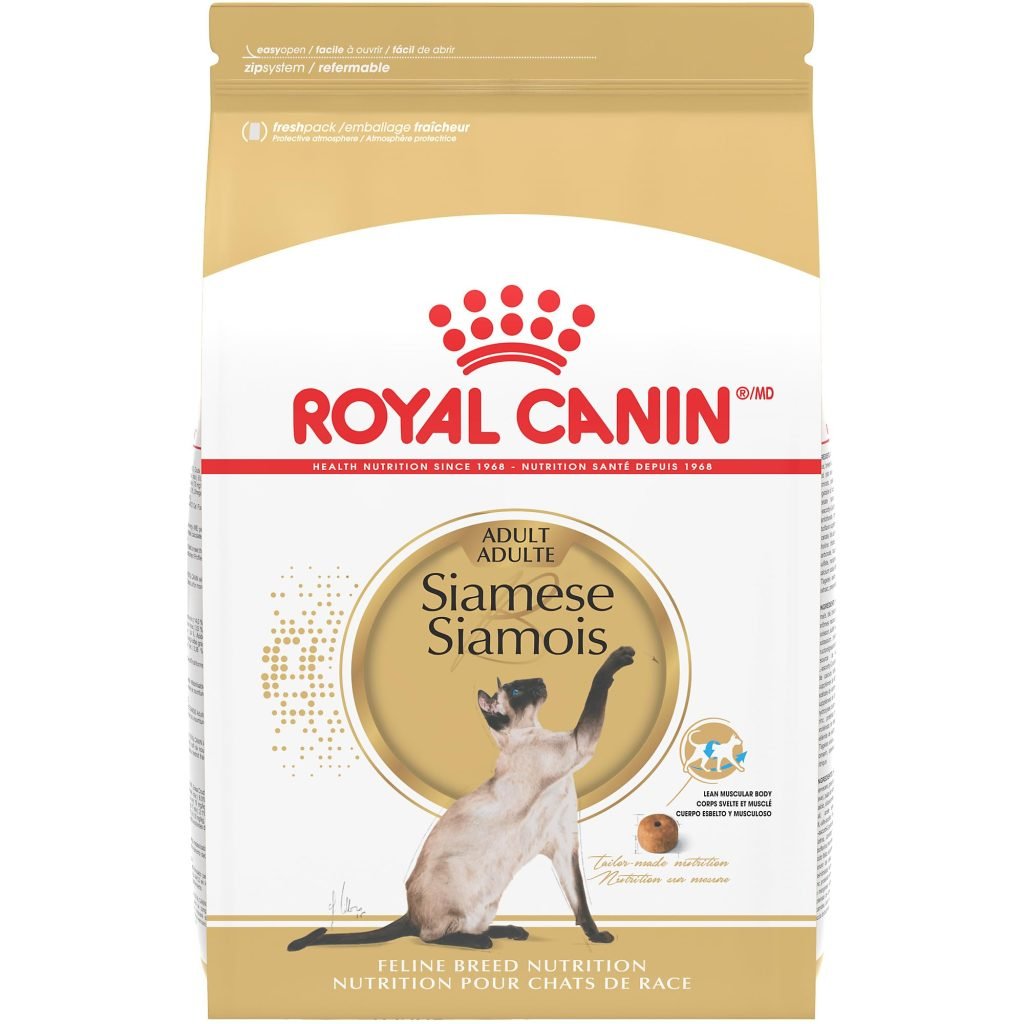
- Royal Canin Siamese Adult: Tailored for Siamese cats with specific nutrient blends.
- Blue Buffalo Wilderness: High protein, grain-free formula with natural ingredients.
- Wellness CORE: Focuses on meat-based nutrition with added antioxidants.
Budget-friendly Options
Affordable brands offer good nutrition without a high price. These brands still provide essential proteins and nutrients for Siamese cats.
- Purina ONE SmartBlend: Balanced nutrition with real meat and natural ingredients.
- Hill’s Science Diet Adult: Trusted brand with formulas supporting overall health.
- Friskies Classic Pate: A tasty option that fits tight budgets.
Specialty And Veterinary Diets
Some Siamese cats need special diets for health issues. Veterinary diets help manage allergies, weight, or digestive problems.
- Hill’s Prescription Diet: Specific formulas to address medical conditions.
- Royal Canin Veterinary Diet: Supports kidney, urinary, and digestive health.
- Blue Buffalo Natural Veterinary Diet: Made for cats with sensitive stomachs.
Homemade Food Recipes
Creating homemade food recipes for your Siamese cat can be a rewarding experience. It allows you to control the ingredients and tailor meals to your cat’s specific needs and preferences. Plus, it’s a great way to strengthen the bond with your feline friend while ensuring they get nutritious, delicious food.
Balanced Meal Ideas
Start with a base of high-quality protein such as cooked chicken, turkey, or fish. Add small amounts of cooked vegetables like pumpkin or carrots for fiber and vitamins. Don’t forget a source of healthy fat, such as a bit of fish oil or chicken fat, which supports your cat’s skin and coat.
A simple balanced meal could be:
- 70% cooked lean meat
- 20% cooked vegetables
- 10% healthy fats
Have you noticed your cat prefers certain proteins over others? Adjusting recipes based on what your Siamese enjoys can make mealtime more exciting for them.
Safe Ingredients List
Only use ingredients that are safe and healthy for cats. Avoid onions, garlic, chocolate, grapes, and anything with artificial sweeteners like xylitol. Stick to:
- Chicken, turkey, lean beef, and fish (fully cooked)
- Cooked carrots, pumpkin, and peas
- Eggs (cooked)
- Small amounts of plain yogurt or cottage cheese
Remember, your Siamese cat’s digestive system is sensitive. Always introduce new ingredients gradually and watch for any signs of allergies or upset stomach.
Preparation And Storage Tips
Prepare meals in small batches to keep the food fresh and safe. Use airtight containers to store portions in the fridge for up to three days. For longer storage, freeze meals in individual servings.
Always thaw frozen food in the fridge, never at room temperature. When reheating, ensure the food is lukewarm—not hot—to prevent burning your cat’s mouth.
Have you tried prepping meals ahead for busy days? It can save you time and reduce stress while keeping your cat’s diet consistent and healthy.

Credit: www.amazon.ca
Frequently Asked Questions
What Is The Best Food For Siamese Cats?
Siamese cats thrive on high-quality protein-rich diets. Look for cat foods with chicken, turkey, or fish. Avoid fillers like corn and soy. Wet food is often preferred, as it provides hydration. Ensure the diet is balanced with essential vitamins and minerals for overall health.
How Often Should Siamese Cats Eat?
Siamese cats should eat two to three times daily. Consistent feeding schedules help maintain their metabolism. Portion control is crucial to prevent obesity. Adjust meal frequency based on your cat’s age, activity level, and health needs. Consult your vet for personalized feeding advice.
Do Siamese Cats Need Special Diets?
Siamese cats don’t require special diets but benefit from high-protein meals. Their active nature demands nutrition that supports energy levels. Consider age-appropriate formulas. Avoid diets high in carbohydrates. Monitor their weight and health to adjust the diet as needed. Consult a veterinarian for specific dietary recommendations.
Can Siamese Cats Eat Human Food?
Siamese cats should avoid most human foods, especially processed or seasoned items. Foods like chocolate, onions, and garlic are toxic. Small amounts of plain cooked meat can be an occasional treat. Always ensure human food is safe and won’t disrupt their balanced diet.
Consult your vet for safe options.
Conclusion
Choosing the right food helps your Siamese cat stay healthy and happy. Good nutrition supports their energy and shiny coat. Always pick food with quality ingredients and balanced nutrients. Fresh water is important too. Watch your cat’s weight and adjust food as needed.
Feeding your Siamese well shows how much you care. Small changes can make a big difference. Keep learning about their needs for the best care. Your cat will thank you with love and playfulness.
