

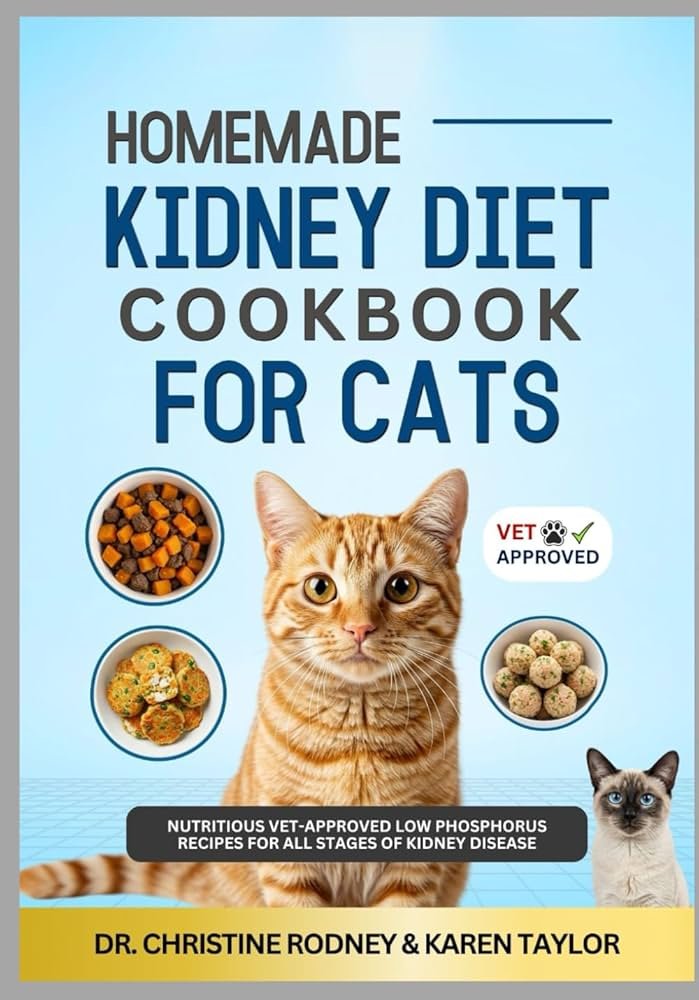
If your cat is dealing with kidney problems, you know how important it is to choose the right food. What you feed your cat can make a big difference in their health and comfort.
But with so many options out there, how do you find the best kidney food that truly supports your furry friend? This guide will help you understand what to look for and how the right diet can improve your cat’s quality of life.
Keep reading to discover simple tips that can make a powerful impact on your cat’s kidney health.

Credit: www.amazon.com
Signs Of Kidney Issues In Cats
Kidney problems in cats often develop slowly. Early signs may be subtle and easy to miss. Recognizing these signs helps protect your cat’s health. Paying attention to behavior changes can save your cat from serious illness.
Common Symptoms To Watch
- Increased thirst and frequent urination
- Loss of appetite or weight loss
- Vomiting or nausea
- Lethargy and weakness
- Bad breath with a chemical smell
- Dry or poor coat condition
- Difficulty or pain while urinating
When To Visit The Vet
Visit the vet if you notice any symptoms above. Early testing can detect kidney issues before serious damage occurs. Blood tests and urine analysis reveal kidney function clearly. Regular check-ups help monitor your cat’s health. Immediate care improves treatment success and quality of life.
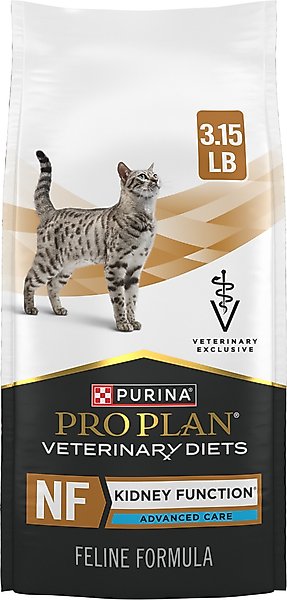
Credit: www.chewy.com
Nutritional Needs For Kidney Health
Your cat’s kidneys play a vital role in filtering waste and balancing fluids. When these organs struggle, diet becomes a powerful tool in supporting their function. Understanding what your cat needs nutritionally can make a real difference in managing kidney health and improving their quality of life.
Key Nutrients To Include
Protein is important, but too much can strain the kidneys. Choose high-quality, easily digestible proteins to help maintain muscle without overloading the kidneys.
Phosphorus control is essential. Lower phosphorus levels in food help reduce kidney workload and slow disease progression.
- Omega-3 Fatty Acids:These help reduce inflammation and support kidney health.
- Antioxidants:Vitamins E and C can protect kidney cells from damage.
- Water:Keeping your cat well-hydrated is crucial; wet food can help increase fluid intake.
Have you noticed how some cats prefer wet food over dry? That preference can be a hidden advantage for kidney support through better hydration.
Ingredients To Avoid
Avoid high phosphorus ingredients like bone meal and certain grains that can worsen kidney strain.
Excess sodium can increase blood pressure and harm kidney function. Check labels to steer clear of added salts.
- Artificial Additives:Preservatives and artificial colors can add unnecessary toxins.
- Excessive Protein:While protein is necessary, too much can accelerate kidney damage.
Have you ever checked the ingredient list on your cat’s food? Sometimes what looks healthy isn’t the best for their kidneys.
Types Of Kidney-friendly Cat Food
Choosing the right kidney-friendly food for your cat can feel overwhelming. There are several types available, each designed to support kidney health in different ways. Understanding these options helps you make the best choice for your cat’s unique needs.
Prescription Diets
Prescription diets are specially formulated by veterinarians to support cats with kidney issues. These foods typically have reduced protein, phosphorus, and sodium levels to ease the workload on the kidneys.
Brands like Hill’s Prescription Diet and Royal Canin offer these diets, which often require a vet’s approval. Many cat owners find these diets effective in slowing kidney disease progression and improving quality of life.
Natural And Homemade Options
You might wonder if natural or homemade food can also help your cat’s kidneys. Preparing meals at home allows you to control ingredients, focusing on low phosphorus and moderate protein.
Adding kidney-supportive supplements, like omega-3 fatty acids, can be beneficial. Always consult your vet before switching to homemade food to ensure it meets your cat’s nutritional needs.
Wet Vs Dry Food
Deciding between wet and dry kidney-friendly food is important. Wet food provides extra moisture, which helps keep your cat hydrated and supports kidney function.
Dry food is convenient but often contains more phosphorus and less water. Many vets recommend wet food for cats with kidney problems, but some cats prefer dry. What does your cat like better, and how does it affect their hydration?
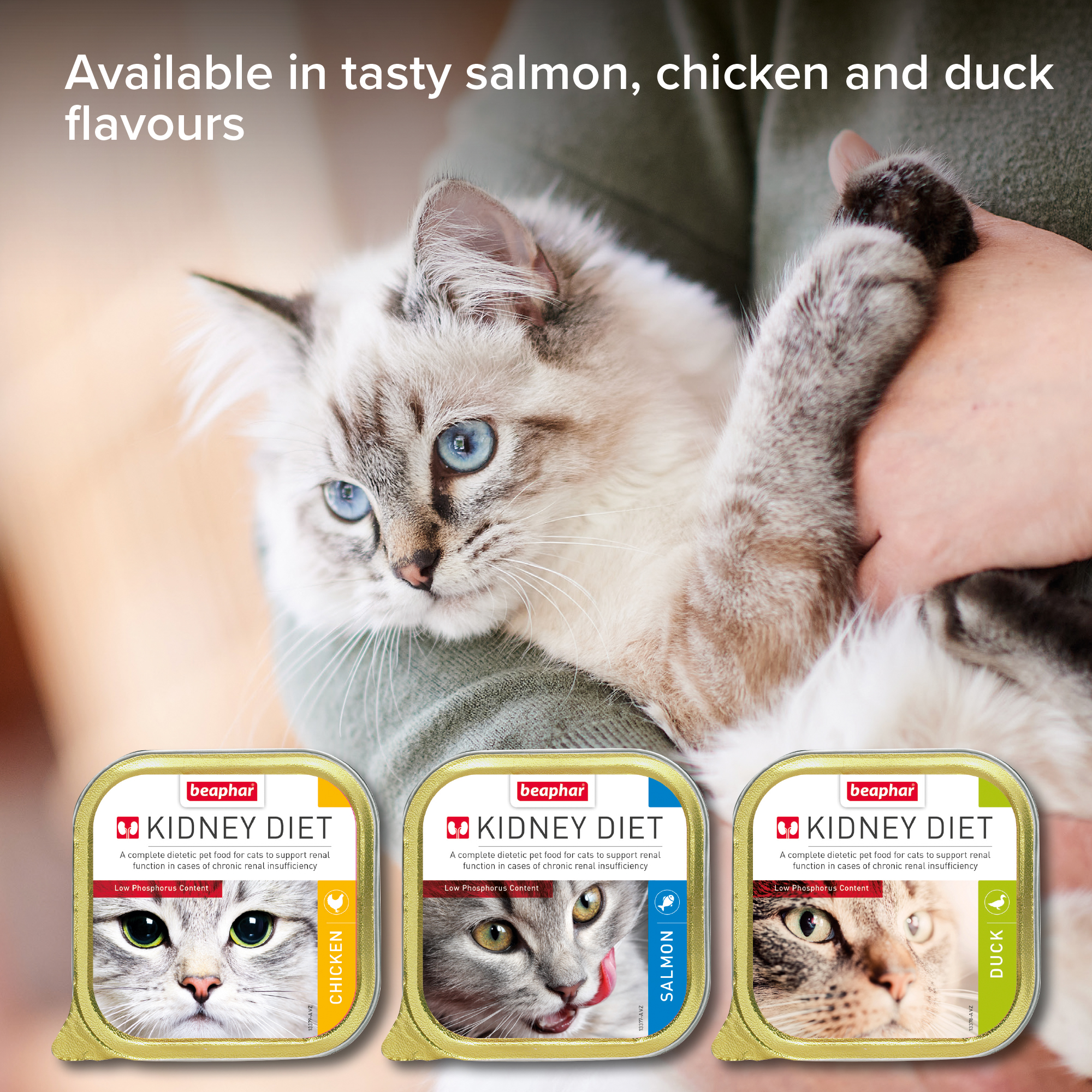
Credit: www.beaphar.co.uk
Benefits Of Specialized Kidney Diets
Specialized kidney diets offer key benefits for cats with kidney issues. These diets help manage symptoms and support kidney function. Feeding the right food can make a big difference in your cat’s health and comfort.
Slowing Disease Progression
Kidney diets reduce the workload on damaged kidneys. They contain lower protein and phosphorus levels to ease kidney strain. This helps slow down the disease and preserve kidney function longer. Controlled sodium levels in the food also help maintain healthy blood pressure. The diet supports overall kidney health and delays serious complications.
Improving Quality Of Life
Specialized diets improve energy and appetite in cats with kidney disease. They provide essential nutrients that are easy to digest. This helps reduce vomiting and nausea often linked to kidney problems. Better nutrition supports muscle strength and hydration. Cats feel more comfortable and active with these tailored diets.
Tips For Feeding Cats With Kidney Disease
Feeding a cat with kidney disease requires extra care and attention. Adjusting their diet can help manage symptoms and improve their quality of life. Here are practical tips to guide you in feeding your feline friend during this challenging time.
Meal Frequency And Portions
Smaller, more frequent meals can ease digestion and reduce stress on the kidneys. Instead of two large meals, try offering four to six smaller ones throughout the day.
Pay close attention to portion sizes. Overfeeding can strain your cat’s kidneys, while underfeeding might lead to weight loss and weakness. Use a kitchen scale or measuring cups to ensure accuracy.
Encouraging Appetite
Kidney disease often reduces a cat’s desire to eat. You might notice your cat turning away from food that used to excite them. How can you make meals more appealing?
- Warm the food slightly to enhance its aroma.
- Offer a variety of textures—mix wet and dry kidney-friendly foods.
- Try hand feeding or placing food near your cat’s favorite resting spot.
In my experience, gently massaging my cat’s cheeks while feeding helped stimulate appetite. It’s a small gesture that can make a big difference in encouraging your cat to eat.
Hydration Importance
Hydration is critical for cats with kidney disease. Dehydration puts extra pressure on the kidneys and worsens their condition.
Always provide fresh water in multiple locations around your home. Some cats prefer running water, so a pet fountain might encourage them to drink more.
Including wet food in your cat’s diet increases their fluid intake naturally. Have you noticed your cat drinking less? Adding ice cubes or broth (without onions or garlic) to their water bowl can also help.
Monitoring And Adjusting Diet Plans
Monitoring and adjusting your cat’s kidney diet plan is essential to keep their health on track. Kidney disease can change over time, so your cat’s dietary needs may shift too. Regularly checking and tweaking the food plan ensures your cat gets the right nutrients at every stage.
Regular Vet Checkups
Scheduling regular vet visits is key to tracking your cat’s kidney health. Your vet can run tests to measure kidney function and spot any changes early.
These checkups allow you to adjust the diet based on real health data, not guesswork. Your vet might suggest lowering protein or phosphorus levels if kidney function worsens.
Have you noticed how your cat’s appetite or energy changes before your vet does? Sharing these observations can help your vet tailor the diet better.
Adapting To Changing Needs
Kidney disease is a progressive condition. What worked for your cat’s diet last month might not be enough now.
Watch for signs like increased thirst, weight loss, or vomiting. These can indicate the need to modify the diet or add supplements.
Adjustments can include:
- Adding wet food to increase hydration
- Reducing protein or phosphorus further
- Including appetite stimulants if your cat eats less
Have you ever tried different kidney-friendly foods to see which your cat prefers? Finding the right texture or flavor can make a big difference in their willingness to eat and stay nourished.
Frequently Asked Questions
What Is The Best Food For Cats With Kidney Disease?
The best food for cats with kidney disease is low in protein and phosphorus. It supports kidney function and reduces waste buildup. Prescription renal diets or specially formulated kidney foods help manage symptoms effectively.
How Does Cat Kidney Food Help Kidney Health?
Cat kidney food lowers toxins by reducing protein and phosphorus intake. It helps maintain hydration and supports kidney function. Nutrients in these foods slow disease progression and improve quality of life for affected cats.
Can Homemade Food Be Suitable For Cats With Kidney Issues?
Homemade food can be suitable if balanced for low protein and phosphorus. Consult a vet or pet nutritionist to ensure proper nutrient levels. Homemade diets must meet specific needs to support kidney health safely.
How Often Should I Feed Kidney-specific Cat Food?
Feed kidney-specific cat food twice daily in measured portions. Regular meals help maintain steady nutrient intake and support kidney function. Follow your vet’s advice for feeding schedules and portion sizes.
Conclusion
Feeding your cat kidney-friendly food helps support their health. Choosing the right diet keeps their kidneys working well. Always check ingredients for low protein and phosphorus. Fresh water should be available at all times. Regular vet visits catch problems early.
This care can improve your cat’s quality of life. Small changes make a big difference. Healthy kidneys mean a happier cat every day. Keep learning and stay informed for your pet’s best care.
