

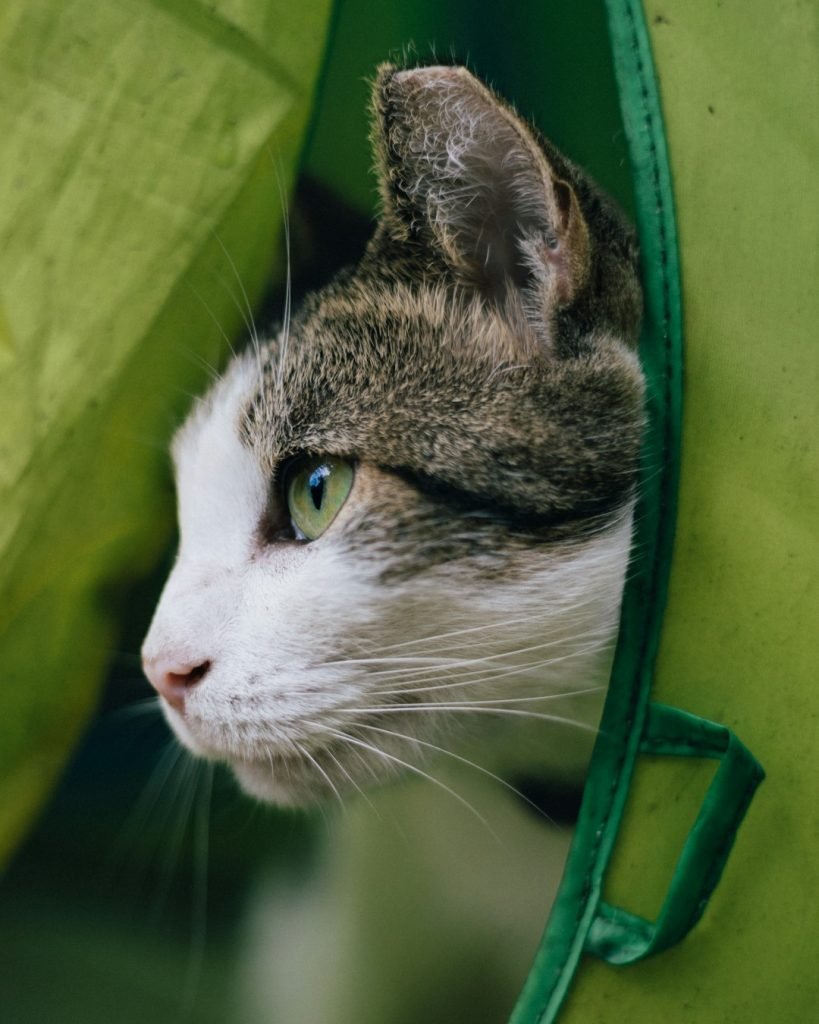
Training cats might sound tricky, but it’s easier than you think. If you’ve ever wished your cat would stop scratching the furniture or come when called, this guide is for you.
You’ll discover simple, effective ways to teach your furry friend new habits that make life better for both of you. Ready to unlock your cat’s potential and build a stronger bond? Keep reading—you’re about to learn secrets that most cat owners don’t know.
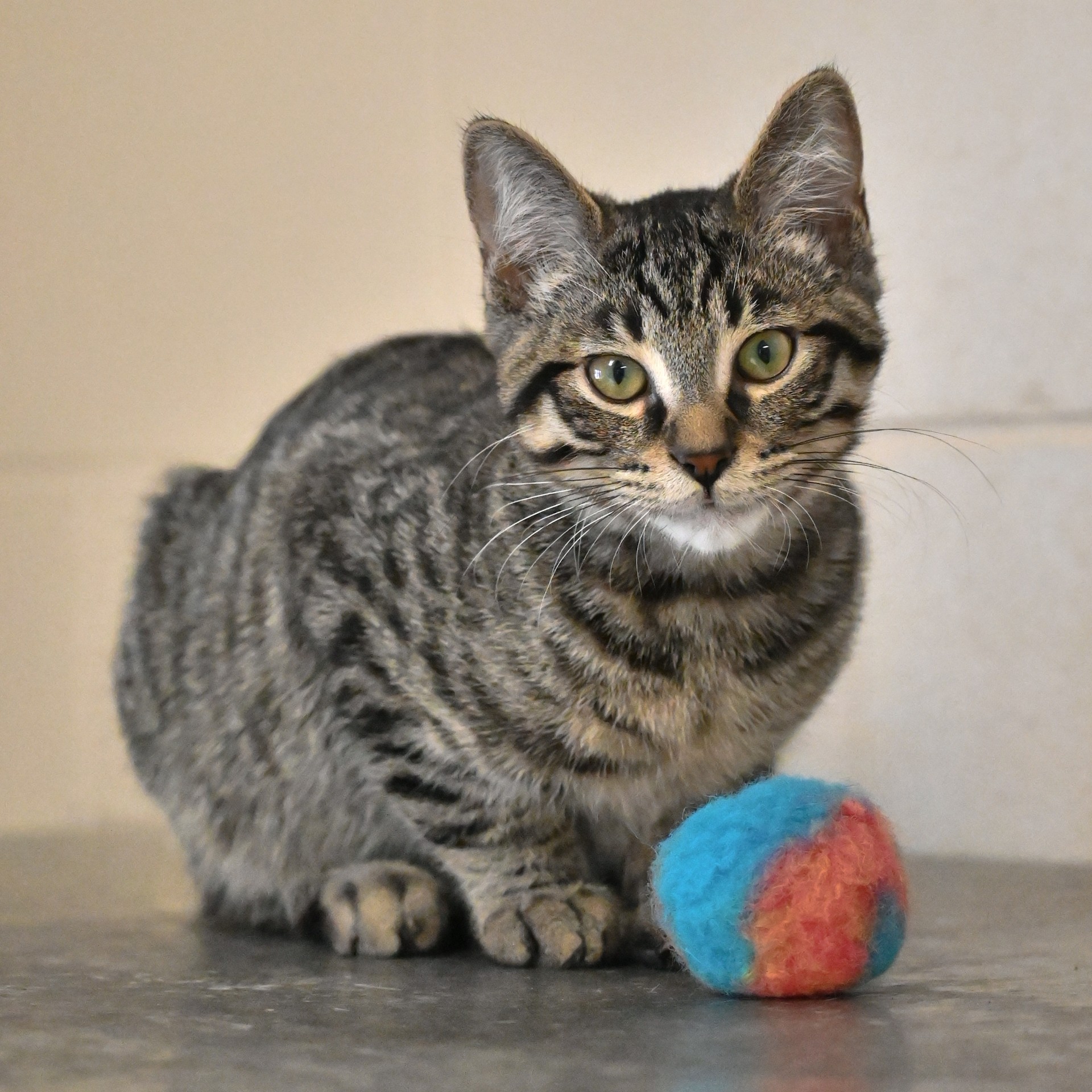
Credit: ontariospca.ca
Benefits Of Training Cats
Training cats offers more than just teaching tricks—it shapes their behavior and deepens your connection. Many cat owners find that investing time in training transforms daily life, making it smoother and more enjoyable. Have you ever wondered how training could change your cat’s attitude and your relationship?
Improving Behavior
Training helps reduce unwanted behaviors like scratching furniture or jumping on counters. By guiding your cat on what’s acceptable, you create a peaceful home environment. Consistent commands and rewards teach your cat boundaries without stress or punishment.
Think about using clicker training to stop excessive meowing or litter box issues. These small efforts can prevent frustration for both you and your feline friend. What specific behavior would you like to improve today?
Strengthening Bond
Training sessions become special moments of interaction that build trust between you and your cat. When your cat responds to commands or learns a new trick, it shows they trust and respect you. This positive feedback loop enhances your emotional connection daily.
During training, you learn your cat’s unique personality and preferences. That insight helps you communicate better and meet their needs more effectively. How might a stronger bond improve your cat’s overall happiness?
Enhancing Mental Stimulation
Cats need mental challenges to stay sharp and prevent boredom, and training offers just that. Teaching new skills exercises their brain, which can reduce destructive behaviors caused by lack of stimulation. Puzzle toys combined with training commands make learning fun and rewarding.
Regular mental activity also supports your cat’s wellbeing as they age. Training keeps their mind active and engaged, much like exercise keeps their body healthy. What new trick or command could you introduce to stimulate your cat today?
Essential Training Tools
Training a cat requires the right tools to keep sessions effective and fun. Essential training tools help communicate clearly with your cat. They also make learning easier and more enjoyable.
Using appropriate tools creates a positive environment. This encourages your cat to pay attention and respond well. Here are key tools every cat trainer should have.
Choosing The Right Treats
Treats are powerful motivators for cats during training. Pick small, soft treats that your cat loves. They should be easy to chew and swallow quickly.
Use treats low in calories to avoid overfeeding. Try different flavors to find what excites your cat most. Keep treats special and only give them during training.
Using Clicker Training
A clicker is a small device that makes a sharp sound. It marks the exact moment your cat does something right. This helps your cat connect action with reward faster.
Clicker training improves focus and speeds up learning. Start by clicking and giving a treat together. Soon, your cat will understand the click means a reward.
Setting Up Training Space
Choose a quiet, comfortable area for training sessions. Remove distractions like toys or loud noises. This helps your cat concentrate better.
Keep the space small to make your cat feel secure. Use a mat or blanket as a training spot. Consistent space helps build a routine for your cat.
Basic Commands For Cats
Training your cat might sound challenging, but teaching basic commands can make your life easier and deepen your bond. Cats are intelligent and capable of learning simple cues if you approach training with patience and consistency. Understanding these fundamental commands helps you communicate better and keeps your feline friend safe.
Teaching Name Recognition
Start by saying your cat’s name clearly and cheerfully. When your cat looks at you, immediately reward them with a treat or gentle petting. Repeating this several times a day helps your cat associate their name with positive attention.
Try to use your cat’s name only when you want their attention. This avoids confusion and makes the command more effective. How often do you call your cat’s name just to catch their interest? Cutting down on random use can improve recognition.
Responding To Come
Call your cat using their name followed by “come” in a friendly tone. When they approach, offer a treat or playtime as a reward. Keep sessions short but frequent to build this behavior steadily.
Make sure the environment has few distractions during training. You want your cat to connect the “come” command with positive outcomes. Have you noticed how your cat reacts to your voice in different rooms? Use this awareness to pick the best spots for training.
Sitting On Command
Hold a treat above your cat’s head and slowly move it back. Most cats will naturally sit to keep their eyes on the treat. As soon as they sit, say “sit” and give the treat immediately.
Practice this regularly and add praise like “good job!” to strengthen the command. Cats respond well to clear, consistent signals. What kind of rewards does your cat prefer? Experiment with different treats or affection to keep them motivated.

Credit: www.brindlepets.ca
Advanced Training Techniques
Advanced training techniques take your bond with your cat to a new level. These methods require patience, consistency, and a clear understanding of your cat’s personality. You’ll find that training becomes more rewarding when you see your cat respond to complex commands and adapt to new behaviors.
Litter Box Training Tips
Even if your cat already uses the litter box, refining this skill can prevent accidents and keep your home fresh. Try placing the litter box in a quiet, accessible spot that your cat prefers. Make sure the box is cleaned frequently—cats are very sensitive to odors.
If your cat avoids the box, experiment with different types of litter. Some cats prefer unscented, fine-grain litter, while others like clumping varieties. Have you noticed your cat’s preference for texture or smell?
Adding an extra litter box in a different location can help, especially in multi-cat households. This reduces stress and territorial disputes, making training smoother.
Leash Training Steps
Leash training your cat opens up safe outdoor exploration. Start indoors by letting your cat wear a lightweight harness for short periods. Reward calm behavior with treats and praise to build positive associations.
Once comfortable, attach the leash and follow your cat’s lead. Move slowly and avoid pulling. Your cat should feel in control, which reduces fear and resistance.
Practice in a quiet outdoor area before venturing into busier spaces. How does your cat respond to new environments? Watch their body language closely to avoid stress.
Trick Training Ideas
Teaching your cat tricks stimulates their mind and strengthens your connection. Begin with simple commands like “sit” or “high five” using small treats as incentives. Keep sessions short—cats have limited attention spans.
Use a clicker or a consistent sound to mark successful behaviors. This clear communication helps your cat understand what you want. Have you tried combining tricks into a routine?
Challenge your cat with more complex tricks like rolling over or fetching. Celebrate every small success to keep them motivated and eager to learn more.
Common Challenges And Solutions
Training cats can feel like a puzzle with pieces that don’t always fit easily. You’ll likely face some common challenges that test your patience and creativity. Understanding these hurdles and having clear solutions can make your training sessions more productive and enjoyable for both you and your cat.
Dealing With Distractions
Distractions are everywhere—from sudden noises to other pets wandering nearby. Cats have short attention spans, so keeping their focus is tricky. Try training in a quiet room with minimal activity to start.
Use high-value treats or favorite toys to capture your cat’s attention. If your cat gets distracted, pause and wait for them to calm down before continuing. Have you noticed how certain sounds or movements instantly pull your cat away? Identifying these triggers helps you control the environment better.
Managing Unwanted Behavior
Unwanted behaviors like scratching furniture or ignoring commands can be frustrating. Instead of punishment, redirect your cat’s energy to acceptable activities. For example, provide scratching posts and reward your cat when they use them.
Use clear, consistent signals to communicate what you want. If your cat jumps on counters, gently remove them and offer a treat when they stay off. Remember, your cat isn’t being stubborn—they’re testing boundaries and learning what works.
Patience And Consistency
Training cats demands patience—you’ll need to repeat lessons many times. Keep sessions short, around 5-10 minutes, to match their attention span. Consistency in commands and rewards is key to making progress.
Celebrate small wins, like your cat responding to their name or sitting on command. Have you ever felt like giving up because your cat didn’t catch on quickly? Sticking with it and staying calm makes a big difference over time.
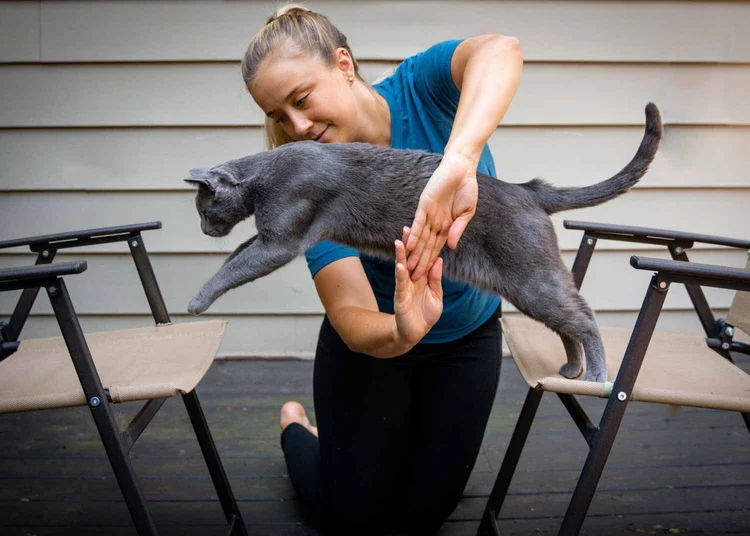
Credit: www.catschool.co
Maintaining Training Progress
Maintaining the progress you’ve made in training your cat is just as important as the initial teaching. Consistency and patience keep your cat engaged and prevent old habits from creeping back. It’s easy to lose momentum, but small, regular efforts make a big difference over time.
Regular Practice Routines
Set aside short training sessions daily or several times a week. Cats respond well to routine, so try to practice at the same time each day. Even five minutes of focused training can reinforce behaviors and keep your cat’s skills sharp.
Mix up the exercises to keep things interesting. For example, alternate between commands like “sit,” “come,” and using the scratching post. This variety prevents boredom and helps your cat stay mentally active.
Reward Systems
Rewards motivate your cat to repeat good behavior. Use treats that your cat loves, but avoid overfeeding by offering small pieces. You can also use affection or playtime as rewards—many cats value these just as much as food.
Keep your rewards consistent and immediate. If you wait too long, your cat might not connect the praise with the behavior. Think about how you can make rewards feel special every time.
Adapting To Cat’s Personality
Every cat is different. Some are eager learners, while others need more patience and encouragement. Pay attention to how your cat responds and adjust your approach accordingly.
If your cat gets frustrated, try breaking tasks into smaller steps. If they lose interest quickly, shorten sessions but increase their frequency. What tricks can you use to match your training style to your cat’s unique personality?
Frequently Asked Questions
How Long Does Cat Training Usually Take?
Cat training duration varies by cat’s age and personality. Most cats learn basic commands within weeks. Consistent, short training sessions speed up learning. Patience and positive reinforcement are key to success.
What Are The Best Methods For Training Cats?
Positive reinforcement with treats and praise works best. Avoid punishment as it causes fear and stress. Use clicker training for clear communication. Consistency and patience improve training effectiveness.
Can Cats Learn Tricks Like Dogs?
Yes, cats can learn tricks such as sit, shake, and fetch. Training taps into their natural curiosity and intelligence. Use treats and praise as rewards. Regular practice ensures lasting results.
How Do I Stop My Cat From Scratching Furniture?
Provide scratching posts near favorite spots. Use catnip or toys to attract them. Cover furniture with protective materials or double-sided tape. Reward scratching on posts to encourage good behavior.
Conclusion
Training cats takes time, patience, and gentle care. Cats learn best with small, clear steps. Rewards like treats or praise help them understand. Consistency makes habits stick and builds trust. Every cat is different; be kind and watch closely. Training can strengthen your bond and make life easier.
Keep sessions short and fun to hold their interest. Enjoy the process, and celebrate small wins along the way. Patience pays off with happy, well-behaved cats.
