

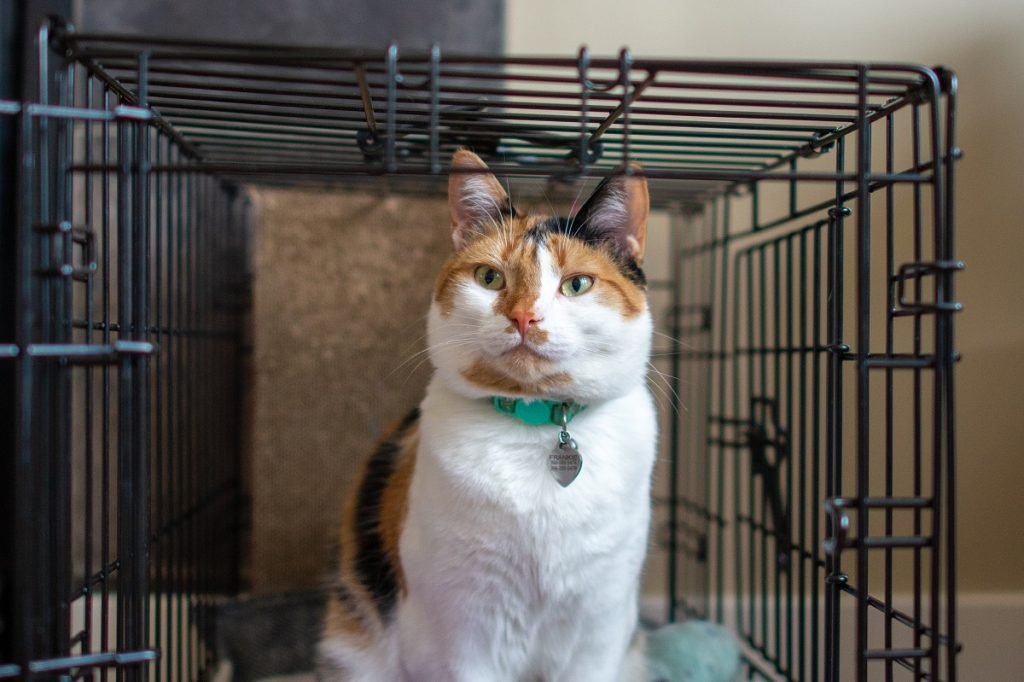
Have you ever wondered if your cat can learn to stay comfortably in a kennel? If you’re planning a trip or need a safe space for your feline friend, kennel training might be the solution you’re looking for.
You might think cats are too independent for this kind of training, but the truth could surprise you. You’ll discover simple steps to help your cat feel calm and secure in a kennel. Keep reading to find out how you can make kennel time stress-free for both you and your furry companion.
Benefits Of Kennel Training Cats
Kennel training your cat offers more than just a place for them to stay. It creates a sense of routine and comfort that benefits both you and your feline friend in many ways. Understanding these benefits can make you more confident about introducing a kennel into your cat’s life.
Safety And Security
A kennel provides a safe space where your cat can retreat when things get overwhelming. It acts as a personal sanctuary, especially during loud noises like thunderstorms or fireworks. You give your cat control over their environment, which can reduce anxiety and stress.
Think about times when your cat hides under furniture during visitors. A kennel offers a dedicated spot that feels just as private but more secure. It can prevent your cat from getting into dangerous areas or ingesting harmful substances when you’re not watching.
Easier Travel
Traveling with a cat can be stressful for both of you. A kennel-trained cat is already familiar with their crate, making car rides or vet visits less frightening. The kennel becomes their safe zone, reducing the chance of escape or injury during transport.
Imagine having to visit the vet without a kennel-trained cat — the struggle to keep them calm and contained can be exhausting. With kennel training, your cat learns that the crate is a normal part of life, so trips away from home become smoother for everyone.
Managing Behavior
Kennel training helps you manage your cat’s behavior effectively. When you need to limit your cat’s access to certain areas or supervise them closely, the kennel provides a controlled environment. It’s useful during times of recovery from illness or injury, or even when introducing new pets.
You might worry about your cat feeling confined, but with positive reinforcement, they often come to see the kennel as a cozy spot. This training teaches patience and helps prevent destructive habits like scratching furniture or getting into trash bins when you’re busy.
Choosing The Right Kennel
Choosing the right kennel is key to successful cat training. The right kennel keeps your cat safe and calm. It provides a cozy space your cat will accept. Picking the best kennel means thinking about size, material, ventilation, and ease of use.
Size And Comfort
Choose a kennel big enough for your cat to stand and turn. The cat should also lie down comfortably without feeling cramped. A kennel too small makes cats stressed. Too large, and the cat may feel insecure. Add soft bedding to make the space warm and inviting.
Material And Durability
Strong materials resist scratching and biting. Look for kennels made from sturdy plastic or metal. These materials last longer and stay clean easily. Avoid kennels with sharp edges or loose parts. They can hurt your cat or break quickly.
Ventilation And Accessibility
Good airflow keeps the kennel fresh and cool. Choose kennels with multiple vents or mesh sides. Your cat can breathe easily and stay comfortable. Doors should open smoothly for easy access. This helps with cleaning and makes it simple to place your cat inside.
Preparing Your Cat For Kennel Training
Preparing your cat for kennel training takes patience and care. Cats need time to adjust to new spaces. Creating a calm and welcoming environment helps them feel safe. Slowly introducing the kennel can reduce stress. Positive experiences make the kennel a happy place for your cat.
Creating A Positive Space
Place the kennel in a quiet room with little noise. Add soft bedding inside for comfort. Keep the door open at first so your cat can explore freely. Avoid forcing your cat inside. Let your cat go in and out on their own. This builds trust and reduces fear.
Familiarizing With The Kennel
Allow your cat to sniff and inspect the kennel. Leave the kennel door open for several days. Place familiar blankets or toys inside. This makes the kennel smell like home. Sit near the kennel to show your cat it is safe. Gradually encourage your cat to enter for short periods.
Using Treats And Toys
Use small treats to reward your cat for approaching the kennel. Toss treats inside to encourage exploration. Use favorite toys to create positive associations. Play near or inside the kennel to make it fun. Reward calm behavior with gentle praise or petting. This motivates your cat to enjoy the kennel space.

Credit: www.catbosstv.com
Step-by-step Kennel Training Process
Kennel training a cat might sound unusual, but it can be a great way to provide your feline friend with a safe, cozy space. The key is patience and a clear plan. Breaking down the process into manageable steps helps your cat feel comfortable and secure inside the kennel.
Introducing Short Sessions
Start by placing the kennel in an area your cat already loves. Open the door and let your cat explore at their own pace without pressure. Toss a few treats or favorite toys inside to create positive associations.
Keep these initial sessions very short—just a few minutes at a time. This way, your cat won’t feel trapped or stressed. Have you noticed your cat’s curiosity spike when new things appear around the house? Use that natural curiosity to your advantage here.
Gradual Increase In Time
Once your cat willingly enters the kennel, slowly extend the time they spend inside. Try closing the door briefly while offering treats or gentle petting. Always stay nearby to reassure them.
Increase the duration by a minute or two each day. Watch for signs of discomfort or anxiety and adjust accordingly. What small cues does your cat give when feeling uneasy? Tuning into these can prevent setbacks.
Encouraging Calm Behavior
Encourage calmness by making the kennel a quiet, relaxing spot. Add soft bedding and familiar scents, like a piece of your clothing. Avoid loud noises or sudden movements around the kennel.
Reward your cat’s calm behavior with gentle praise or treats. If your cat starts to get restless or agitated, pause and try again later. How does your cat usually show they feel safe and relaxed? Use those signals to guide your training.
Common Challenges And Solutions
Kennel training a cat can be tricky. Cats are independent and sensitive animals. They may not like the kennel at first. Many cat owners face challenges during training. Understanding these common problems helps. Solutions make the process easier and less stressful.
Dealing With Anxiety
Cats often feel scared in a new space. The kennel can seem like a trap. Signs of anxiety include meowing, scratching, and hiding. To calm your cat, use soft bedding inside the kennel. Place familiar toys or a piece of your clothing there. Speak softly and sit near the kennel. Let your cat explore at its own pace. Never force your cat inside the kennel.
Handling Resistance
Some cats refuse to enter the kennel. Resistance comes from fear or bad past experiences. Make the kennel inviting by feeding your cat near it. Try placing treats or catnip inside the kennel. Reward your cat for small steps, like stepping inside. Practice short sessions and slowly increase the time inside. Patience is key to reduce resistance.
Maintaining Consistency
Training works best with regular practice. Set a daily schedule for kennel time. Keep the kennel in the same quiet spot. Use the same commands or signals every time. Consistency helps your cat understand the kennel is safe. Avoid sudden changes to avoid confusing your cat. Regular positive experiences build trust with the kennel.
When Kennel Training May Not Be Suitable
Kennel training a cat isn’t always the best choice for every feline or owner. Understanding when it may not suit your cat’s needs can save you and your pet from unnecessary stress. Let’s look at some key reasons why kennel training might not be a fit and what you can do instead.
Health Concerns
Some cats have health conditions that make kennel confinement unsafe or uncomfortable. For example, cats with respiratory issues might struggle in small, enclosed spaces that limit airflow. Older cats or those with arthritis may find it painful to stay in a kennel for long periods.
If your cat has recently undergone surgery or has anxiety-related health problems, kennel training can worsen their condition. Always check with your vet before starting kennel training to ensure it won’t harm your cat’s well-being.
Behavioral Issues
Cats with certain behavioral problems may react negatively to kennel training. A cat prone to aggression or severe anxiety might become more stressed when confined. This can lead to destructive behavior or refusal to eat and drink inside the kennel.
Imagine trying to kennel a cat that’s already scared of new environments—forcing them into a kennel could damage your trust and make future training harder. Recognize your cat’s personality and stress signals before deciding to kennel train.
Alternative Approaches
If kennel training doesn’t work, there are other ways to keep your cat safe and comfortable. Consider creating a quiet, cozy corner with familiar bedding and toys instead of a kennel. This space can serve as a safe retreat without the feeling of confinement.
You might also try gradual desensitization by introducing your cat to the kennel in short, positive sessions. Or use a playpen or a larger enclosed area that offers more freedom while still providing security.
What small changes can you make today to ensure your cat feels secure without forcing them into a kennel? Sometimes, understanding your cat’s unique needs leads to better solutions than strict kennel training.
Tips For Successful Kennel Training
Kennel training a cat takes time and care. Cats need to feel safe and calm inside their kennel. Success comes from gentle steps and understanding your cat’s needs. Here are some helpful tips to make kennel training easier and more effective for your furry friend.
Patience And Positive Reinforcement
Patience is key to helping a cat accept a kennel. Let your cat explore the kennel at their own pace. Use treats and soft praise to reward calm behavior. Avoid forcing your cat inside; this can cause fear. Positive reinforcement builds trust and makes the kennel a happy place.
Routine And Environment
Keep a regular schedule for kennel time. Cats feel safer with routines they can predict. Place the kennel in a quiet, cozy spot in your home. Make the kennel comfortable with soft bedding and familiar smells. A calm environment reduces stress and helps your cat relax.
Monitoring Your Cat’s Comfort
Watch your cat’s body language during kennel time. Signs of stress include hiding, meowing, or scratching. Adjust the kennel setup if your cat seems uneasy. Keep sessions short at first and gradually increase the time. Always ensure your cat has water and toys nearby for comfort.

Credit: www.reddit.com

Credit: pethelpful.com
Frequently Asked Questions
Can Cats Be Trained To Stay In A Kennel?
Yes, cats can be trained to stay in a kennel with patience. Start by making the kennel comfortable and inviting. Use treats and toys to encourage your cat. Gradually increase kennel time to build positive associations and reduce stress.
How Long Does It Take To Kennel Train A Cat?
Kennel training a cat usually takes a few weeks. Consistency and positive reinforcement are key. Each cat learns at its own pace. Short, frequent sessions work best to help your cat adjust comfortably to the kennel.
What Are The Benefits Of Kennel Training A Cat?
Kennel training provides safety during travel or vet visits. It reduces cat anxiety by creating a familiar space. It also helps manage behavior during emergencies. Overall, kennel training improves your cat’s comfort and security in new environments.
Is Kennel Training Stressful For Cats?
Kennel training can be stressful if rushed or forced. Gradual introduction and positive rewards reduce stress. Creating a cozy, quiet kennel helps your cat feel safe. Patience and understanding make the process smoother and less stressful.
Conclusion
Kennel training a cat takes time and patience. Cats need a quiet, safe space to feel comfortable. Use treats and gentle praise to encourage good behavior. Keep training sessions short to avoid stress. Remember, each cat learns at its own pace.
Not every cat will like a kennel, and that’s okay. Consistency helps cats understand what you expect. A well-trained cat can enjoy travel or vet visits more. Small steps lead to big progress. Trust and kindness make training easier for both you and your cat.
