

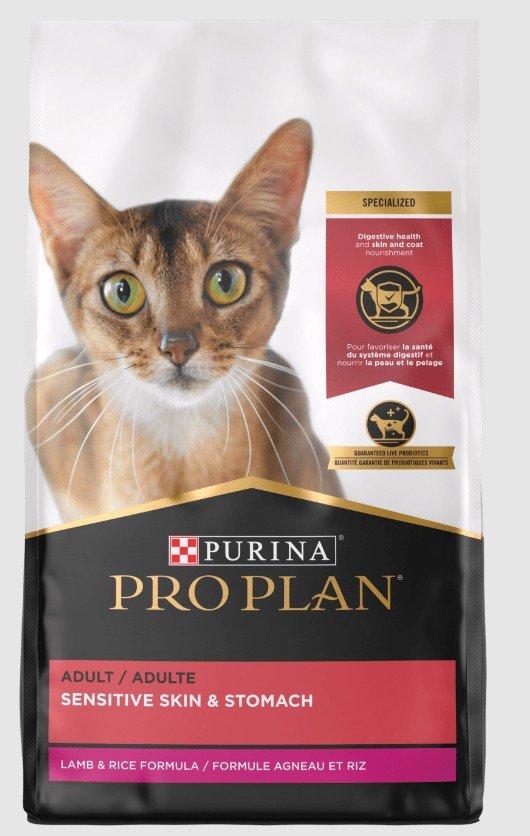
If your cat is throwing up regularly, you know how worrying and frustrating it can be. You want to help your furry friend feel better, but choosing the right food can be confusing.
What if the food you pick is making the problem worse? Understanding which cat food can soothe your cat’s stomach and reduce vomiting is key to keeping them happy and healthy. You’ll discover simple, effective tips and the best types of cat food designed specifically for cats that throw up.
Keep reading to find out how you can make mealtime easier for your cat—and for yourself.
Common Causes Of Vomiting In Cats
Vomiting in cats can worry pet owners. Understanding the common causes helps in choosing the right cat food. Cats vomit for many reasons, some simple, some serious. Identifying these causes guides better care and feeding choices.
Dietary Triggers
Some foods upset a cat’s stomach. Sudden changes in diet often cause vomiting. Rich or fatty foods can be hard to digest. Allergies to certain ingredients may lead to stomach upset. Eating spoiled or contaminated food also triggers vomiting.
Health Conditions
Several illnesses cause vomiting in cats. Infections from bacteria or viruses affect the stomach. Parasites in the digestive tract often cause vomiting. Chronic diseases like kidney or liver problems play a role. Gastrointestinal blockages and tumors also lead to vomiting.
Eating Habits
How cats eat influences their digestion. Eating too fast can cause vomiting. Swallowing too much air while eating leads to discomfort. Overeating or eating small, frequent meals matters. Stress and anxiety may change eating patterns and cause vomiting.
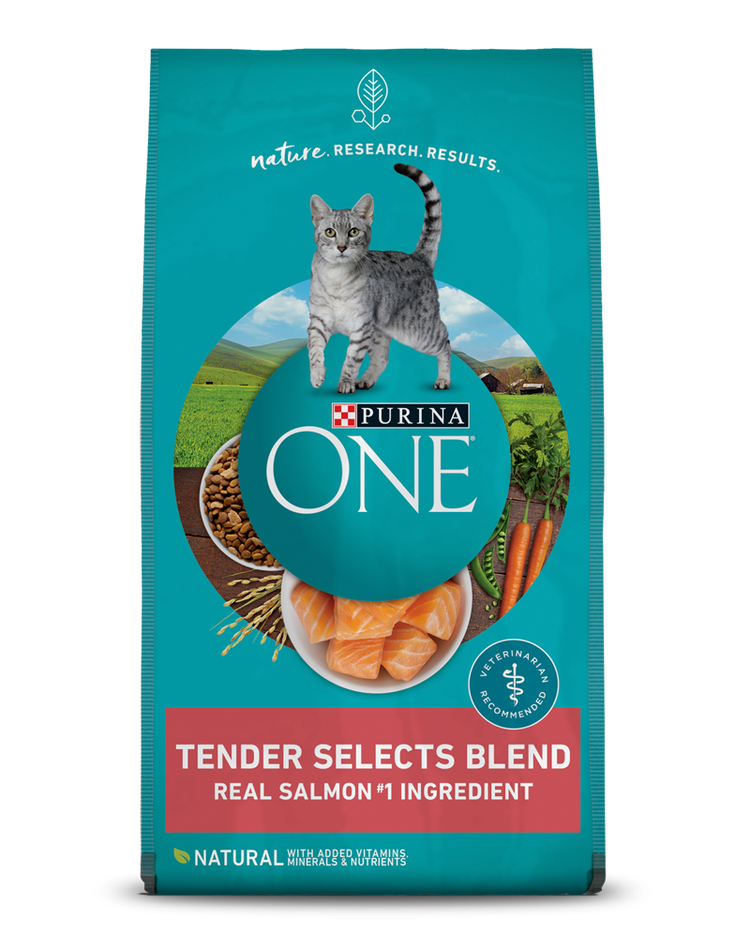
Credit: www.purina.com
Key Ingredients To Avoid
Choosing the right cat food is crucial for cats that often throw up. Some ingredients can irritate their stomach and make vomiting worse. Avoiding certain components helps protect your cat’s digestive health.
Understanding which ingredients cause problems is the first step. Some foods contain additives and fillers that upset sensitive tummies. Others include allergens that trigger reactions. Knowing these key ingredients keeps your cat comfortable and healthy.
Artificial Additives
Artificial additives include colors, flavors, and preservatives. These chemicals can irritate your cat’s stomach lining. They often cause nausea and vomiting. Choose foods free from artificial dyes and synthetic preservatives for a gentler diet.
Fillers And Grains
Fillers like corn, wheat, and soy add bulk but little nutrition. Many cats cannot digest these grains well. They may cause stomach upset and vomiting. Look for grain-free or limited-grain cat foods with real meat instead.
Dairy And Allergens
Many cats are lactose intolerant and cannot digest dairy products. Dairy in food often leads to vomiting and diarrhea. Common allergens like beef, chicken, or fish can also cause reactions. Select hypoallergenic or novel protein diets to reduce risks.
Best Ingredients For Sensitive Stomachs
Cats with sensitive stomachs need special care in their diet. The right ingredients can reduce vomiting and improve digestion. Choosing foods with gentle, easy-to-digest components helps keep cats healthy and comfortable. Understanding what to look for is key to supporting sensitive tummies.
Novel Proteins
Novel proteins come from sources your cat has not eaten before. Examples include duck, rabbit, or venison. These proteins reduce the chance of allergies and stomach upset. They offer a fresh option for cats with food sensitivities. Using novel proteins can calm an irritated digestive system.
Limited Ingredient Formulas
Limited ingredient formulas contain fewer components. They focus on one protein and a small number of carbs or vegetables. This simplicity helps identify and avoid allergens. These formulas lower the risk of digestive reactions. They provide a balanced diet without overwhelming the stomach.
Digestive Enzymes And Probiotics
Digestive enzymes help break down food into smaller parts. This makes digestion easier and reduces vomiting. Probiotics add good bacteria to the gut. They support a healthy digestive system and improve nutrient absorption. Together, enzymes and probiotics promote a calm and strong stomach.
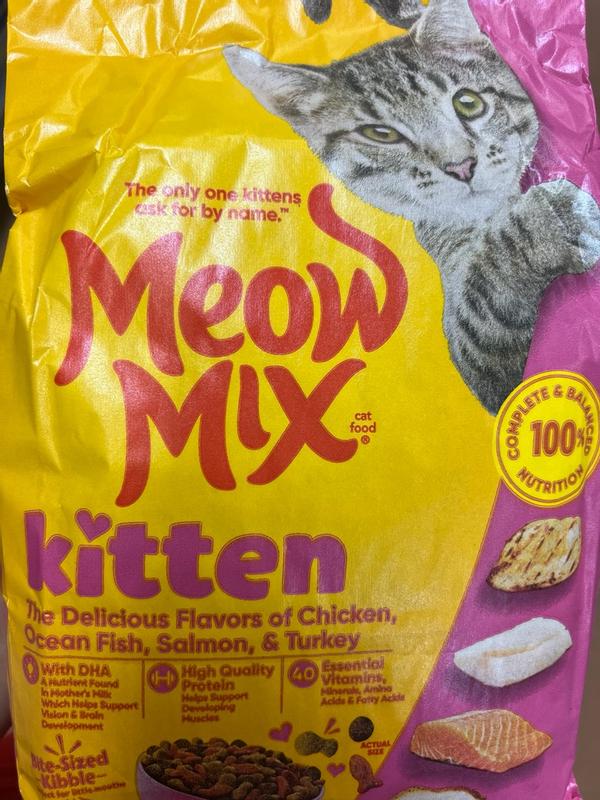
Credit: www.meowmix.com
Types Of Cat Food For Vomiting Cats
Choosing the right food helps cats that vomit feel better. Some foods are easier to digest. Others calm the stomach and reduce vomiting. Different types of cat food suit different needs. Knowing the options helps pet owners pick the best choice. Here are the main types of cat food for vomiting cats.
Wet Vs Dry Food
Wet food contains more moisture, which helps keep cats hydrated. It is softer and easier to digest. Wet food often causes less stomach upset. Dry food is crunchy and can help clean teeth. It has less water, so cats may drink more. Some cats find dry food harder to digest. For vomiting cats, wet food usually works better.
Prescription Diet Options
Veterinarians offer special prescription diets for cats with sensitive stomachs. These foods have limited ingredients to prevent allergies. They include highly digestible proteins and fibers. Prescription diets can reduce vomiting and improve digestion. They come in wet and dry forms. Always follow the vet’s advice when using prescription food.
Homemade Diets
Homemade diets allow control over ingredients. They can be made with simple, fresh foods. Cooked chicken, rice, and pumpkin often soothe upset stomachs. Homemade food avoids fillers and preservatives. Preparing balanced meals needs guidance from a vet or pet nutritionist. Homemade diets can help some vomiting cats feel better.
Feeding Tips To Reduce Vomiting
Vomiting in cats can be stressful for both you and your furry friend. Adjusting how you feed your cat can make a significant difference in reducing these episodes. Here are some practical feeding tips that you can start applying today to help your cat feel better and keep your home cleaner.
Portion Control
Overfeeding is a common cause of vomiting. Try offering smaller portions throughout the day instead of one or two large meals. This prevents your cat’s stomach from becoming too full too quickly.
Think about your own eating habits—do you feel uncomfortable after eating a huge meal? Your cat feels the same way. Smaller portions are easier to digest and reduce the chance of throwing up.
Feeding Frequency
Increasing the number of feeding times can help your cat’s digestion. Instead of feeding twice a day, you might try four or five small meals. This keeps food moving steadily through their system.
Some cats do better with frequent, consistent feeding schedules. Have you noticed your cat begging for food even after a big meal? Feeding more often can prevent hunger-driven gulping that leads to vomiting.
Slow Feeding Techniques
Eating too fast is a major reason cats vomit. You can slow down your cat by using special slow feeder bowls or by spreading the food out on a flat surface. This makes them work harder to get each bite.
Another trick is to hand-feed your cat small amounts at a time. This encourages slower eating and strengthens your bond. Have you tried feeding puzzles or toys that challenge your cat to earn their food?
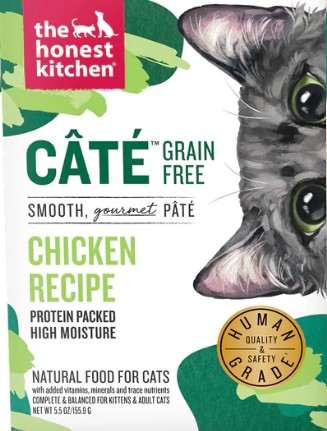
Credit: kohapet.com
When To Consult A Veterinarian
Knowing when to consult a veterinarian is important for cats that frequently throw up. Occasional vomiting might not be serious, but repeated episodes can signal health issues. Early veterinary care helps find the cause and prevent complications. Pay close attention to your cat’s behavior and symptoms. Acting quickly can protect your cat’s health and comfort.
Persistent Vomiting Signs
Persistent vomiting means your cat vomits more than twice in 24 hours. Watch for these signs:
- Loss of appetite
- Weight loss
- Lethargy or weakness
- Dehydration, like dry gums or sunken eyes
- Blood or unusual color in vomit
- Diarrhea or abdominal pain
These signs need prompt veterinary attention.
Diagnostic Tests
Veterinarians use tests to find why your cat vomits. Common tests include:
- Blood work to check organ function
- X-rays or ultrasound for stomach and intestines
- Fecal tests for parasites
- Endoscopy to look inside the digestive tract
- Allergy testing if food sensitivity is suspected
These tests help guide the right treatment.
Treatment Options
Treatment depends on the cause of vomiting. It may involve:
- Diet changes to special cat food formulas
- Medications to reduce nausea or inflammation
- Fluid therapy to prevent dehydration
- Parasite or infection control
- Surgery in rare cases with blockages or serious problems
Follow your vet’s advice for the best care.
Frequently Asked Questions
What Causes Cats To Vomit After Eating?
Cats may vomit due to food allergies, eating too fast, or digestive issues. Certain ingredients can irritate their stomach, causing vomiting.
Which Cat Foods Reduce Vomiting In Sensitive Cats?
Look for limited ingredient diets, grain-free options, and easily digestible proteins. These foods help minimize stomach upset and reduce vomiting frequency.
How To Transition Cat Food To Prevent Vomiting?
Switch foods gradually over 7-10 days by mixing increasing new food amounts. This allows the cat’s digestive system to adjust smoothly.
Can Wet Food Help Cats That Throw Up Often?
Yes, wet food has higher moisture and is easier to digest. It can soothe the stomach and reduce vomiting incidents in sensitive cats.
Conclusion
Choosing the right cat food helps reduce vomiting in cats. Gentle ingredients and easy digestion make a big difference. Always watch your cat’s reaction to new food. Consistency and patience are key to better health. Consult your vet if vomiting continues or worsens.
Healthy cats feel happier and more active every day. Small changes in diet can lead to big improvements. Keep your cat comfortable with the best food choices.
