

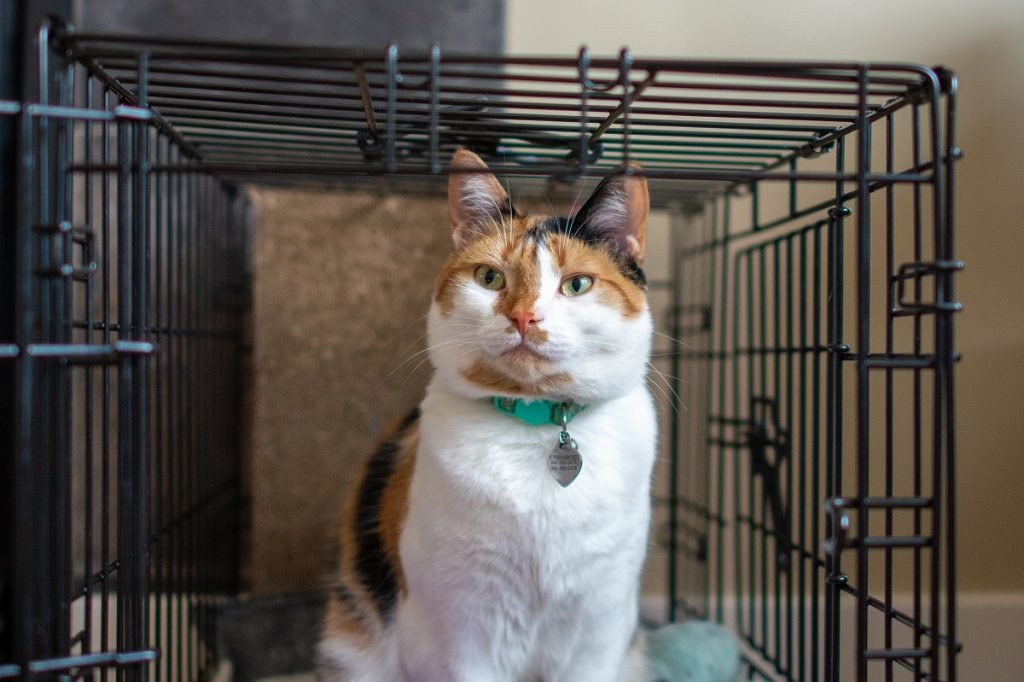
Have you ever wondered if you can crate train a cat? If you’re looking for a way to keep your feline friend safe during travel or create a cozy space at home, crate training might be the answer.
But cats are different from dogs—so can they really learn to enjoy a crate? You’ll discover simple steps to help your cat feel comfortable and secure in a crate. Keep reading to find out how you can make crate training work for both you and your cat.
Benefits Of Crate Training Cats
Crate training cats might sound unusual, but it offers several benefits that can improve both your cat’s life and your own. By creating a safe, familiar space, you help your cat feel more comfortable and reduce stress in various situations. Let’s look at how crate training can enhance safety, travel, and behavior management for your feline friend.
Safety And Security
A crate provides a secure hideaway where your cat can retreat during stressful moments like thunderstorms or home renovations. It acts as a personal sanctuary, reducing anxiety and preventing your cat from hiding in dangerous spots like behind appliances.
When my cat Bella first encountered loud fireworks, having her crate ready made a huge difference. She stayed calm inside her crate instead of trying to escape or hide under the furniture. Could giving your cat a safe space reduce their stress during unexpected events?
Ease Of Travel
Traveling with cats can be challenging, but crate training makes it smoother and safer. A familiar crate minimizes your cat’s fear and helps them stay calm during car rides or vet visits.
Imagine how much easier it is to transport your cat when they willingly enter their crate because it feels like home. This avoids frantic escapes and reduces the risk of injury during travel. Have you noticed how a calm cat changes the entire travel experience?
Managing Behavioral Issues
Crate training can help manage behavioral problems such as scratching furniture or excessive roaming. Offering a crate as a controlled environment allows you to limit access to certain areas and teach your cat boundaries gently.
When my cat started scratching the couch, spending short periods in her crate with toys helped redirect her energy. It also gave me time to introduce scratching posts without constant stress. Could a crate be the key tool you need to address your cat’s challenging habits?
Choosing The Right Crate
Choosing the right crate is key to successful crate training for cats. The crate must feel safe and cozy. It should suit your cat’s size and habits. A good crate makes your cat want to enter and stay calm inside. Consider these factors to pick the best crate for your feline friend.
Size And Comfort
The crate should be big enough for your cat to stand, turn, and lie down comfortably. Small crates cause stress and discomfort. Too large crates may feel empty and unsafe. Add soft bedding or a blanket to create a warm, inviting space. Cats love cozy spots that feel like a den.
Materials And Design
Choose crates made of sturdy, safe materials. Plastic crates offer privacy and warmth. Wire crates provide better ventilation and visibility. Avoid sharp edges or loose parts that could hurt your cat. A simple, easy-to-clean design saves time and keeps the crate hygienic.
Accessibility Features
Look for crates with wide doors for easy entry and exit. Multiple doors can help place your cat inside gently. Removable trays or floors make cleaning quick and simple. Some crates have foldable designs for easy storage and transport. These features improve your cat’s comfort and your convenience.
Preparing Your Cat For The Crate
Preparing your cat for crate training sets the foundation for a calm and stress-free experience. This phase is crucial because cats are creatures of habit and can be wary of new spaces. By carefully preparing your cat, you help them see the crate as a safe and inviting spot rather than a place of confinement.
Creating A Positive Space
Start by placing the crate in a quiet, familiar area where your cat usually spends time. Add soft bedding and a small blanket that smells like your cat or your home to make it cozy. You want the crate to feel more like a comfy retreat than a cage.
Think about your cat’s favorite spots and try to mimic that comfort inside the crate. This will encourage your cat to explore it willingly. Have you noticed your cat curling up in a sunny corner or a quiet nook? Try to recreate that vibe.
Introducing The Crate Gradually
Let your cat explore the crate at their own pace. Keep the crate door open initially, so it doesn’t feel like a trap. Place the crate near their food or litter box to normalize its presence in their environment.
Don’t rush this step. Some cats might take minutes; others might take days to feel comfortable. Watch your cat’s body language closely—curiosity and relaxed postures are good signs. If your cat seems stressed, give them more time before closing the door.
Using Treats And Toys
Use your cat’s favorite treats to lure them into the crate. Scatter a few inside to encourage exploration without pressure. Pair treats with play by introducing toys inside the crate to create positive associations.
Try interactive toys like feather wands or small balls that your cat enjoys chasing. This method turns the crate into a fun zone rather than a place they avoid. Have you ever noticed how a favorite toy can distract your cat from fear? Use that to your advantage.

Credit: www.reddit.com
Step-by-step Crate Training Process
Crate training a cat takes patience and a calm approach. The process helps your cat feel safe and comfortable inside the crate. This step-by-step guide breaks down the training into simple parts. Follow each step to help your cat adjust at their own pace.
Short Initial Sessions
Start with very brief crate sessions. Keep the door open and place the crate in a quiet room. Let your cat explore the crate on their own. Offer treats and gentle praise to create a positive feeling. Aim for just a few minutes at first. This avoids stress and builds trust.
Encouraging Voluntary Entry
Make the crate inviting by adding soft bedding and toys. Place favorite treats or catnip inside the crate. Allow your cat to enter without forcing them. Use calm, encouraging words to guide them. Repeat this often to build a habit. Voluntary entry helps cats associate the crate with comfort.
Extending Time Inside
Gradually increase the time your cat spends in the crate. Close the door for short moments while staying nearby. Watch for signs of anxiety or stress. Slowly build up to longer stays as your cat relaxes. Always reward calm behavior with treats or petting. This step makes crate time a normal part of their day.
Common Challenges And Solutions
Crate training a cat can be rewarding, but it comes with its own set of challenges. Understanding these common obstacles and how to address them helps make the process smoother. Here are some practical solutions you can try if you face resistance, stress, or negative associations from your feline friend.
Dealing With Resistance
Many cats instinctively avoid confined spaces, so resistance is normal. To ease this, start by placing the crate in a quiet area where your cat already feels safe. Leave the door open and toss in some favorite toys or treats to make the crate inviting.
Try feeding your cat near or inside the crate to create positive connections. Patience is key—expect multiple short sessions rather than forcing your cat inside. Have you noticed your cat responds better to certain treats or toys? Use those to encourage exploration.
Handling Stress And Anxiety
Stress shows in behaviors like excessive meowing, scratching, or refusal to enter the crate. To reduce anxiety, keep the environment calm and avoid sudden movements around the crate. Covering the crate partially with a blanket can create a cozy, den-like feeling.
Use pheromone sprays or diffusers designed for cats to promote relaxation. Short, frequent crate visits build comfort without overwhelming your pet. What small changes could you make to your cat’s routine to lower stress during training?
Avoiding Negative Associations
Cats quickly link experiences to emotions, so avoid using the crate as punishment. If your cat only sees the crate when headed to the vet, it will develop fear. Instead, associate the crate with positive things like playtime or naps.
- Use treats and soft bedding inside the crate
- Keep crate time voluntary and stress-free
- Gradually increase the time your cat spends inside
Have you tried making the crate part of your cat’s daily routine in a fun way? Consistency and positive vibes turn the crate from a scary box into a cozy retreat.

Credit: pethelpful.com
Tips For Travel And Vet Visits
Traveling with a cat or taking them to the vet can be stressful for both of you. Proper crate training can ease this experience, making trips smoother and safer. Here are practical tips to help your cat feel comfortable and calm during travel and vet visits.
Making The Crate Familiar
Start by placing the crate in a quiet corner of your home. Leave the door open and add soft bedding with your cat’s scent. This way, your cat can explore and enter at their own pace without pressure.
Try feeding your cat inside the crate or placing treats there. This creates positive associations. You might be surprised how quickly your cat starts seeing the crate as a safe space rather than a trap.
Keeping Your Cat Calm
Use calming aids like pheromone sprays or a familiar blanket inside the crate. These small comforts can reduce anxiety significantly. You can also talk softly to your cat during the trip to reassure them.
Consider covering the crate with a light cloth to block out overwhelming sights. Have you noticed how covering a cat’s eyes can instantly lower their stress? It’s a simple trick that works wonders.
Packing Essentials
Bring along your cat’s favorite toys and a small bowl for water. Hydration is important, especially if the trip is long. Don’t forget to pack a leash and harness for safe handling outside the crate.
Also, carry a copy of your cat’s medical records and any medications. Being prepared ensures the vet visit goes smoothly and you can focus on your cat’s care. What items do you think are must-haves for your cat’s travel kit?
Alternatives To Crate Training
Crate training is not the only way to keep your cat safe and comfortable. Many cats dislike confined spaces. Alternatives offer more freedom and reduce stress. These options help create secure environments without using a crate. They also support your cat’s natural behavior and curiosity.
Using Playpens
Playpens provide a larger, enclosed area for your cat to explore safely. They allow cats to move around freely while staying contained. Playpens come in various sizes and materials to suit different needs.
Place toys and bedding inside to keep your cat entertained and cozy. Playpens work well for short-term confinement or supervised playtime. They are easy to set up and clean.
Creating Safe Rooms
Safe rooms give your cat a quiet space to relax and feel secure. Choose a small room and remove hazards like wires or breakable items. Add a litter box, food, water, and comfortable bedding.
Safe rooms reduce anxiety during loud noises or changes at home. Your cat can retreat there anytime without feeling trapped. This option suits cats that prefer solitude and calm environments.
Harness Training
Harness training allows your cat to explore outdoors safely under your control. Use a well-fitting harness designed for cats to prevent slipping out. Start indoors and let your cat get used to the harness gradually.
Take short walks outside in quiet areas. Harness training provides exercise and mental stimulation. It strengthens your bond and satisfies your cat’s curiosity without risking escape.

Credit: www.catbosstv.com
Frequently Asked Questions
Can Cats Be Crate Trained Like Dogs?
Yes, cats can be crate trained with patience and positive reinforcement. Start slowly, using treats and toys to create a safe, comfortable space.
How Long Does It Take To Crate Train A Cat?
Crate training a cat typically takes a few weeks. Progress depends on the cat’s personality and consistent gentle training.
What Are The Benefits Of Crate Training A Cat?
Crate training offers safety during travel, vet visits, and emergencies. It provides a secure space for cats to relax and feel calm.
How To Make A Crate Comfortable For My Cat?
Add soft bedding, familiar toys, and occasional treats. Keep the crate clean and place it in a quiet, cozy area.
Conclusion
Crate training a cat can take time and patience. Cats need gentle guidance to feel safe inside a crate. Small steps help your cat get used to the space. Keep the crate comfortable with soft bedding and toys. Reward your cat with treats to encourage positive feelings.
Not all cats will love the crate right away. Stay calm and consistent to build trust over time. A well-trained cat in a crate can make travel and vet visits easier. Remember, kindness helps your cat feel secure and happy.
