

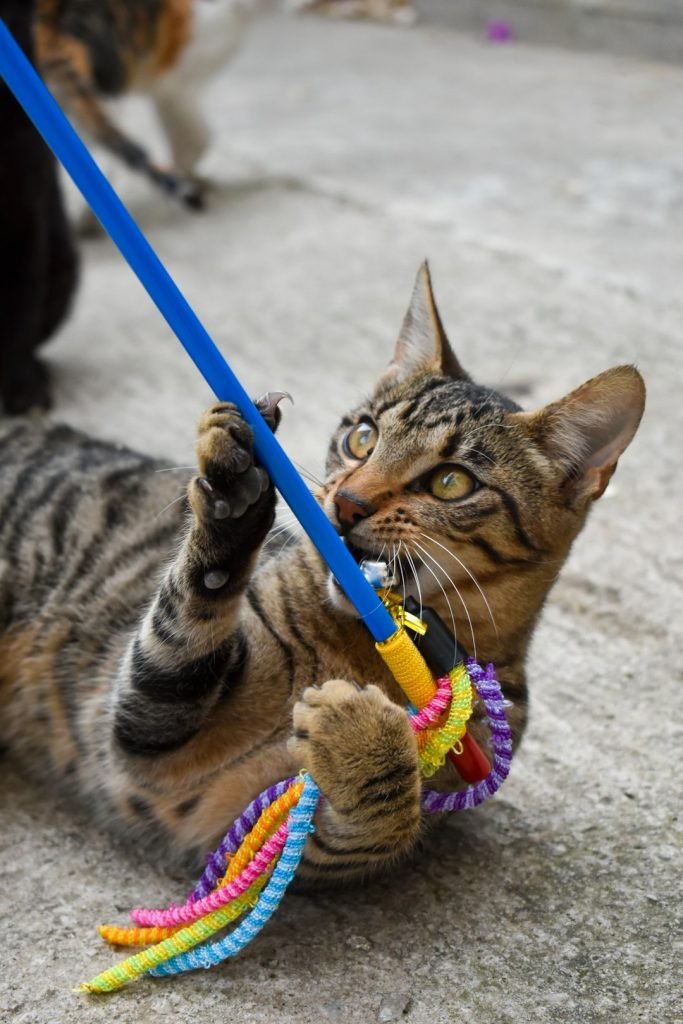
Have you ever wished you could take your cat on outdoor adventures safely? Training a cat on a leash can open up a whole new world for both you and your furry friend.
It might sound tricky, but with the right approach, you can enjoy peaceful walks and explore nature together. Imagine the joy of watching your cat discover fresh scents and sights while staying close and secure. Keep reading to learn simple, step-by-step tips that will make leash training a fun and rewarding experience for you and your cat.

Credit: justcatsclinic.com
Choosing The Right Leash And Harness
Choosing the right leash and harness is key to making outdoor adventures enjoyable and safe for your cat. Not all leashes and harnesses are created equal, especially for feline friends who have different needs than dogs. Picking gear that fits well and suits your cat’s personality can turn walking time into bonding time.
Types Of Leashes Suitable For Cats
Cat leashes usually come in a few common types, each with its own benefits.
- Standard Nylon Leash:Lightweight and easy to handle, these leashes come in various lengths. They are durable and ideal for beginners.
- Retractable Leash:Offers flexibility by allowing your cat to roam a bit more while you stay in control. However, they require careful handling to avoid sudden jerks.
- Leather Leash:More stylish and sturdy but slightly heavier. Good if you want a leash that lasts and feels comfortable in your hand.
Think about how much freedom your cat needs and how much control you want before choosing the leash type.
Selecting A Comfortable Harness
Your cat’s comfort will determine how quickly they adapt to walking outside. Harnesses designed specifically for cats usually have a soft, breathable material that won’t irritate their skin.
- Vest Harness:Covers more of the cat’s body and distributes pressure evenly, reducing strain on the neck.
- H-Harness:Lightweight and simple, wrapping around the chest and shoulders, offering good control.
- Figure-8 Harness:Adjustable and secure, but some cats may find it restrictive.
Try the harness on your cat indoors first. Does your cat move freely? Can you fit two fingers between the harness and their body? These are signs you’ve found a good fit.
Safety Considerations
Safety should always come first when training your cat on a leash. A harness that’s too loose can allow your cat to slip out, while one that’s too tight can cause discomfort or injury.
- Check all buckles and fasteners to ensure they are secure and easy to release in an emergency.
- A reflective leash or harness adds visibility during early morning or evening walks.
- Always supervise your cat closely outside to protect them from hazards like traffic, other animals, or toxic plants.
Have you noticed how some cats instantly try to escape a harness? That’s a sign you need to rethink the fit or style. Your cat’s trust is worth the extra effort.
Preparing Your Cat For Leash Training
Preparing your cat for leash training takes patience and care. Cats need time to accept new things. Start by making the harness and leash familiar. Create a calm space where your cat feels safe. Keep sessions short and positive. The goal is to make your cat comfortable and happy with this new experience.
Getting Your Cat Used To The Harness
Let your cat sniff and explore the harness first. Place it near their bed or favorite spot. After a day or two, gently put the harness on. Watch your cat’s reaction and remove it if they seem stressed. Try to increase the time the harness stays on. Praise and pet your cat while wearing it. This helps your cat see the harness as a friendly thing.
Introducing The Leash Indoors
Attach the leash to the harness inside your home. Let your cat walk around freely with it dragging behind. Check that the leash is not too tight or heavy. Pick up the leash gently to guide your cat. Avoid pulling or forcing movement. Let your cat explore and move at their own pace. This builds trust and comfort with the leash.
Building Positive Associations
Use treats and gentle petting during training sessions. Reward your cat for calm behavior and small steps forward. Speak softly to keep your cat relaxed. End each session on a happy note, even if it is brief. Positive experiences make your cat want to try again. Over time, leash training will feel normal and fun for your cat.
Step-by-step Leash Training
Leash training a cat requires patience and gentle guidance. Breaking the process into small, manageable steps helps your cat feel safe and confident. This approach builds trust and encourages your cat to enjoy outdoor adventures.
Starting With Short Indoor Sessions
Begin leash training inside your home. Let your cat wear the harness and leash for a few minutes. Allow them to get used to the feeling without pressure.
Use treats and soft praise to create positive associations. Keep sessions short, around five to ten minutes. Gradually increase the time as your cat becomes comfortable.
Encouraging Walking And Exploration
Hold the leash loosely and follow your cat’s lead. Let them explore at their own pace. Avoid pulling or dragging the leash.
Use toys or treats to encourage movement. Walk in quiet, familiar areas at first. Celebrate small progress to build confidence.
Handling Resistance And Distractions
Expect some hesitation or resistance. Stay calm and patient. If your cat stops or pulls back, pause and wait.
Remove distractions during early walks. Gradually introduce new environments as your cat adapts. Always return to a safe, quiet spot if stress appears.

Credit: www.timescolonist.com
Outdoor Adventures With Your Cat
Taking your cat outside on a leash opens a new world for both of you. It lets your feline friend explore fresh air and new sights safely. Outdoor adventures create bonding moments and provide healthy exercise. Patience and care make every trip enjoyable and stress-free for your cat.
Choosing Safe Outdoor Locations
Pick quiet places with little traffic and few strangers. Parks and quiet gardens work well. Avoid busy streets and crowded areas. Look for spots with soft grass and shade. Check for harmful plants or sharp objects. Keep away from places where dogs or wild animals roam freely.
Monitoring Your Cat’s Behavior
Watch your cat’s body language closely. Signs of stress include crouching, tail twitching, or ears flattening. Stop the walk if your cat seems scared or restless. Praise and reward calm behavior with treats. Let your cat sniff and explore at its own pace. Short walks build confidence over time.
Dealing With Wildlife And Noises
Wildlife can surprise your cat and cause fear. Sudden noises might startle your feline friend. Stay calm to help your cat feel safe. Gently redirect attention if your cat fixates on animals or loud sounds. Bring favorite toys or treats to comfort your cat. Avoid areas with loud construction or barking dogs.
Common Challenges And Solutions
Training a cat on a leash brings unique challenges that many pet owners face. These hurdles might seem frustrating, but each has practical solutions that can turn your walks into enjoyable adventures. Understanding these common issues helps you stay patient and find the right approach for your cat.
Cat Refusing The Harness
Many cats resist wearing a harness at first. They might freeze, scratch, or try to escape. To ease this, start by letting your cat sniff and explore the harness without putting it on.
Try rewarding your cat with treats or affection when they show calm behavior around the harness. Gradually, place the harness on for short periods indoors, increasing the time as your cat becomes more comfortable.
Have you noticed your cat relaxing after a few days of gentle practice? That small progress means you’re on the right path.
Leash Tangling Issues
Leash tangling can quickly turn a peaceful walk into a frustrating experience. Cats often twist and turn in unpredictable ways, causing the leash to knot.
Using a shorter leash can reduce tangling by limiting how much slack your cat has to twist. Also, consider a leash with a swivel clip to prevent the line from twisting as your cat moves.
Practice gentle leash handling by guiding your cat slowly and stopping to untangle before the knots get worse. How might your control improve if you stop and reset instead of pulling through tangles?
Managing Fear And Anxiety
Outdoor sights and sounds can overwhelm a cat new to leash training. Signs of fear include crouching, wide eyes, and attempts to bolt.
Start in quiet, familiar areas to build your cat’s confidence. Use calm tones and offer treats frequently to associate the outdoors with positive experiences.
If your cat freezes or hides, give them time and space without pressure. Sometimes, stepping back to indoor leash practice helps reduce anxiety before trying outside again.
Tips For Successful Leash Training
Training a cat to walk on a leash takes effort and care. Success comes from understanding your cat’s needs and habits. Using the right approach makes the experience pleasant for both you and your pet. These tips will guide you through the process smoothly.
Patience And Consistency
Patience plays a key role in leash training. Cats do not learn quickly like dogs do. Give your cat time to get used to the harness and leash. Practice daily in short sessions to build comfort and trust. Consistency helps your cat know what to expect. Keep the training routine steady for best results.
Using Treats And Rewards
Treats motivate cats to cooperate during training. Use small, tasty snacks your cat loves. Offer treats when your cat wears the harness or follows your lead. Praise your cat softly to create a positive connection. Rewards encourage your cat to repeat good behavior.
Setting Realistic Goals
Start with simple goals that your cat can reach easily. Let your cat explore indoors on the leash first. Gradually increase time and space outside. Avoid pushing your cat too fast to prevent stress. Celebrate small successes to keep training enjoyable.

Credit: cats.fandom.com
Frequently Asked Questions
How Do I Start Training My Cat To Wear A Leash?
Begin by letting your cat wear the harness indoors for short periods. Reward calm behavior with treats. Gradually attach the leash and let your cat drag it around to get used to the feeling before supervised outdoor walks.
What Type Of Harness Is Best For Leash Training Cats?
Choose a harness specifically designed for cats, like an H-style or vest harness. Ensure it fits snugly but comfortably. Avoid collars, as cats can slip out or injure themselves. A secure harness keeps your cat safe during leash training.
How Long Does Leash Training A Cat Usually Take?
Leash training duration varies but typically takes 2 to 4 weeks. Patience and consistency are key. Short, positive sessions daily help your cat adapt quickly. Every cat learns at its own pace, so adjust based on their comfort level.
Can Leash Training Reduce A Cat’s Stress Outdoors?
Yes, leash training helps cats explore safely, reducing anxiety. It prevents sudden escapes and dangerous encounters. Gradual exposure to outdoor sights and sounds builds confidence. This controlled environment minimizes stress compared to unsupervised outdoor roaming.
Conclusion
Training a cat on a leash takes time and patience. Start slow and keep sessions short. Let your cat explore at their own pace. Use treats and gentle praise to encourage good behavior. Stay calm and consistent throughout the training.
Walking a cat can be fun and safe with practice. Enjoy the new way to bond with your pet. Little steps bring big progress. Keep trying, and your cat will get used to the leash.
