

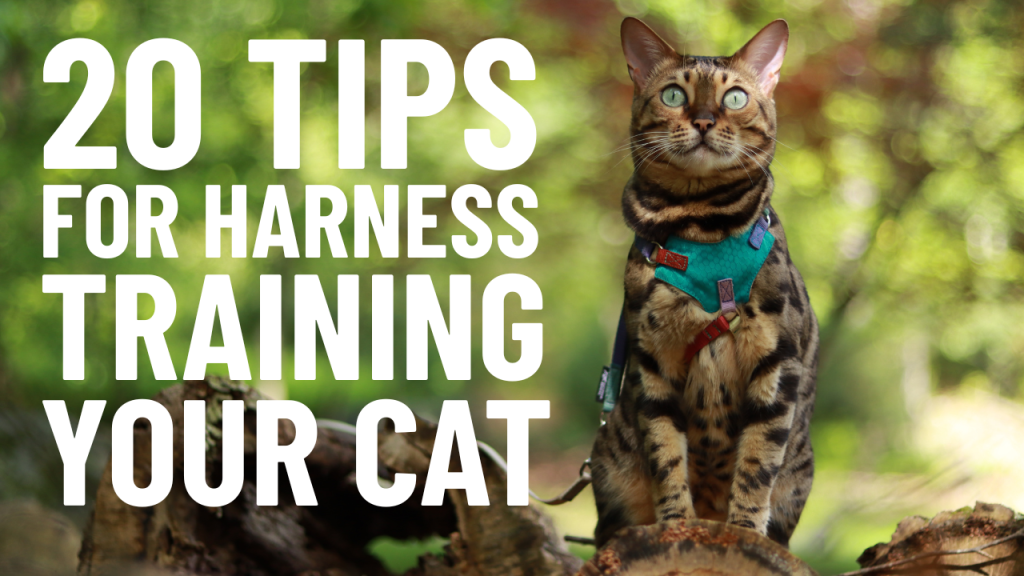
If you want to take your cat outside safely, a harness is your best friend. But training your cat to wear one can feel tricky.
You might wonder how to make your furry friend comfortable and eager to explore without stress. This guide will show you simple, step-by-step tips to help your cat accept the harness with ease. By the end, you’ll feel confident turning outdoor adventures into fun and safe moments for both of you.
Ready to get started? Let’s dive into cat harness training!

Credit: www.rspcansw.org.au
Benefits Of Harness Training
Training your cat to wear a harness can open up a world of opportunities for both of you. Beyond just controlling your feline friend outdoors, harness training brings several important benefits that improve their well-being and your relationship. Understanding these advantages can motivate you to start this training today.
Enhancing Outdoor Safety
Using a harness keeps your cat secure during outdoor adventures. Unlike collars, harnesses distribute pressure evenly, reducing the risk of injury if your cat pulls or tries to escape.
With a harness, you can confidently explore parks or busy streets without worrying about your cat slipping away. Have you noticed how quickly cats can dash into unexpected places? A harness prevents those scary moments and lets your cat enjoy fresh air safely.
Boosting Cat’s Confidence
Many cats feel hesitant or scared when faced with new environments. Wearing a harness gradually introduces them to the outside world in a controlled way.
When your cat realizes they can explore safely, their curiosity grows. Over time, this builds their confidence, making future outings less stressful and more enjoyable for both of you.
Strengthening Owner-pet Bond
Harness training requires patience and positive reinforcement, which naturally strengthens your bond with your cat. Spending this focused time together builds trust and understanding.
Walking your cat outside becomes a shared adventure, turning ordinary moments into special memories. Have you ever thought about how your cat’s trust deepens when you guide them safely through new experiences?

Credit: www.reddit.com
Choosing The Right Harness
Choosing the right harness is key for your cat’s safety and comfort. The right harness helps your cat enjoy outdoor adventures without stress. A poor choice can cause discomfort or make training harder. Focus on fit, style, and material to find the best match for your cat.
Types Of Cat Harnesses
There are several types of harnesses designed for cats. Each has its own benefits and fits different needs.
- H-Style Harness:Simple design, fits around the neck and chest.
- Vest Harness:Covers more area, offers extra control and comfort.
- Figure-8 Harness:Lightweight and easy to adjust, but less secure.
Choose a style based on your cat’s activity and comfort level.
Sizing And Fit Tips
Proper sizing is crucial to prevent escape or discomfort. Measure your cat’s neck and chest with a soft tape.
- Allow two fingers to fit between harness and skin.
- Adjust straps to avoid tightness or looseness.
- Check fit often as your cat moves.
A harness that fits well stays secure without restricting movement.
Materials And Comfort
Comfort depends on the harness material. Soft, breathable fabrics reduce irritation and overheating.
- Nylon: Durable and easy to clean.
- Mesh: Lightweight and breathable.
- Leather: Strong but less flexible.
Look for harnesses with padded areas to protect your cat’s skin. Avoid rough or stiff materials that may cause chafing.
Preparing Your Cat
Getting your cat ready for harness training takes patience and a gentle approach. Cats are creatures of habit, so sudden changes can be unsettling. Taking time to prepare your cat properly will make the experience smoother and more enjoyable for both of you.
Introducing The Harness Indoors
Start by letting your cat see and sniff the harness without putting it on. Place it near their favorite resting spot or toys to create a positive association. Wearing the harness can feel strange, so try gently draping it over your cat’s back for short periods.
Allow your cat to walk around with the harness loose at first. This helps them get used to the feeling without any pressure. Have you noticed how your cat reacts to new objects? Observing their curiosity or caution can guide your approach.
Using Treats And Positive Reinforcement
Pair the harness introduction with your cat’s favorite treats or playtime. Every time your cat interacts with or wears the harness, offer a small reward. This builds a positive link between the harness and something enjoyable.
Keep training sessions short and upbeat to avoid frustration. Praise your cat calmly and avoid forcing the harness on. Have you tried using a clicker or gentle voice cues to encourage good behavior?
Recognizing Stress Signals
Watch for signs like flattened ears, tail flicking, or hiding. These signals indicate your cat is feeling stressed or uncomfortable. Respect these signs by pausing the session and giving your cat space.
Stress can set back training, so patience is key. Offering a quiet, safe environment helps your cat feel secure during harness practice. How do you usually help your cat calm down after a stressful event?
Step-by-step Training Guide
Training your cat to wear a harness takes patience and a gentle approach. The goal is to help your cat feel comfortable and safe at every stage. Below is a clear guide to make the process smooth and enjoyable for both you and your feline friend.
Initial Wearing Sessions
Start by letting your cat sniff and explore the harness without putting it on. This helps reduce fear and builds curiosity. Once your cat seems comfortable, gently place the harness on them for just a few minutes.
Keep these first sessions very short—around 5 minutes—and stay close to offer calm reassurance. Praise your cat softly and give treats to create a positive connection. Don’t rush; if your cat resists, wait a day before trying again.
Leash Attachment And Control
After your cat accepts the harness, attach the leash indoors for short periods. Let your cat drag the leash around to get used to the feeling without tension. Watch how they react and avoid pulling.
Next, hold the leash and gently guide your cat while they walk. Use treats to encourage movement and stop if your cat freezes or becomes stressed. Control means patience—force never works well here.
Short Outdoor Walks
Choose a quiet, safe outdoor space for your cat’s first walks. Keep outings brief, around 10 minutes, and stay alert to your cat’s body language. If your cat seems overwhelmed, head back inside immediately.
Try to walk on soft grass or smooth paths to keep your cat comfortable. Let your cat explore at their own pace, and offer treats or gentle praise for curiosity. How will you make these walks a positive adventure for your cat?
Common Challenges
Training your cat to wear a harness can be rewarding, but it often comes with its share of hurdles. Understanding these common challenges helps you stay patient and adapt your approach. Let’s look at some typical obstacles you might face and how to handle them effectively.
Dealing With Resistance
Many cats don’t like the feeling of a harness at first. They might freeze, try to wiggle out, or even hiss. It’s important not to force the harness on too quickly.
Start by letting your cat sniff and explore the harness. Then, gently place it on for just a few seconds before removing it. Gradually increase the time as your cat gets more comfortable.
Have you noticed your cat calming down after a few tries? That small progress is a big win. Rewards like treats and gentle petting can turn the harness into a positive experience.
Adjusting To Different Environments
Your cat might accept the harness indoors but become uneasy outside. New sights, sounds, and smells can be overwhelming at first. Take it slow and choose quiet, familiar spots for early outdoor sessions.
Bring along favorite toys or treats to keep your cat’s attention. Short, calm walks help your cat build confidence. Watch for signs of stress, like crouching or wide eyes, and be ready to retreat if needed.
Think about where your cat feels safest. Could starting near a window or porch bridge the gap to fully outdoor adventures?
Overcoming Fear And Anxiety
Fear can stop your cat from even trying the harness. If your cat hides or freezes, don’t push. Instead, create a calm space where your cat feels secure.
Use soothing voices and gentle touch to reassure your pet. Sometimes, pairing the harness with playtime or meal times helps your cat associate it with good things. Patience is key—some cats take weeks to adjust.
Have you tried breaking the process into tiny steps, like just holding the harness during cuddle time? Small wins build trust and reduce anxiety over time.
Safety Tips For Outdoor Adventures
Taking your cat outdoors can be fun and enriching. Safety is key during these adventures. Follow simple tips to keep your cat safe and comfortable outside. These tips help avoid risks and make walks enjoyable for both of you.
Avoiding Hazardous Areas
Choose quiet places for walks. Stay away from busy roads and construction zones. Avoid areas with sharp objects or toxic plants. Keep clear of places with aggressive animals or loud noises. Always watch your cat closely to prevent accidents.
Monitoring Weather Conditions
Check the weather before heading out. Avoid extreme heat or cold. Protect your cat from rain and strong winds. Shorter walks suit hot days better. Bring water to keep your cat hydrated. Watch for signs of discomfort or overheating.
Using Identification Tags
Attach an ID tag to your cat’s harness. Include your phone number and address. Microchipping adds extra security. Tags help others return your cat if lost. Make sure the harness fits well and won’t slip off.
Maintaining Harness And Gear
Keeping your cat’s harness and gear in top shape is key to safe and enjoyable outdoor adventures. A well-maintained harness stays comfortable for your cat and prevents accidents caused by wear and tear. Paying attention to the condition of your equipment also saves you money and hassle in the long run.
Cleaning And Storage
Regular cleaning prevents dirt buildup and odors that might bother your cat. Use mild soap and warm water to gently scrub the harness, avoiding harsh chemicals that can irritate your pet’s skin. Let it air dry completely before storing to prevent mold or mildew.
Store the harness in a cool, dry place away from direct sunlight to keep the material strong. Have you ever noticed how a smelly or dirty harness makes your cat reluctant to wear it? Clean gear helps your cat stay comfortable and eager for the next walk.
Regular Fit Checks
Your cat’s size and weight can change, so fitting the harness frequently is essential. Check that the straps are snug but not tight—your cat should fit two fingers comfortably between the harness and their body. This simple habit prevents chafing and escape attempts.
Inspect buckles and clips for secure fastening every time before heading out. A loose harness can be dangerous, and catching issues early keeps your cat safe. When was the last time you checked your cat’s harness fit?
Replacing Worn Equipment
Even the best harness wears down over time. Look for frayed straps, broken buckles, or stretched elastic that no longer holds well. Replacing worn parts promptly avoids unexpected failures during walks.
Keep a spare harness or leash handy, especially if you rely on daily outings. Investing in quality replacements protects your cat and gives you peace of mind. Have you considered how worn gear might affect your cat’s safety?

Credit: medium.com
Frequently Asked Questions
How Long Does Cat Harness Training Take?
Cat harness training usually takes 1 to 2 weeks. Each cat learns at its own pace. Start slow, use treats, and be patient.
What Is The Best Harness For Cats?
A soft, adjustable, and lightweight harness is best. Look for one that fits snugly but comfortably. Avoid harnesses that restrict movement.
How Do I Introduce A Harness To My Cat?
Let your cat sniff and explore the harness first. Then gently put it on for a short time. Reward with treats and praise.
Can All Cats Be Trained To Wear A Harness?
Most cats can learn, but some may resist. Patience and gradual training improve success. Older or shy cats may take longer.
Conclusion
Training your cat to wear a harness takes time and patience. Start slow and let your cat get used to it. Praise your cat with treats and gentle words. Keep practice sessions short and positive. Soon, your cat will enjoy safe outdoor walks.
This simple habit improves your cat’s health and happiness. Stay calm and consistent throughout the training process. Your efforts will bring joy to both you and your pet. Trust the journey, and enjoy every small success along the way.
