

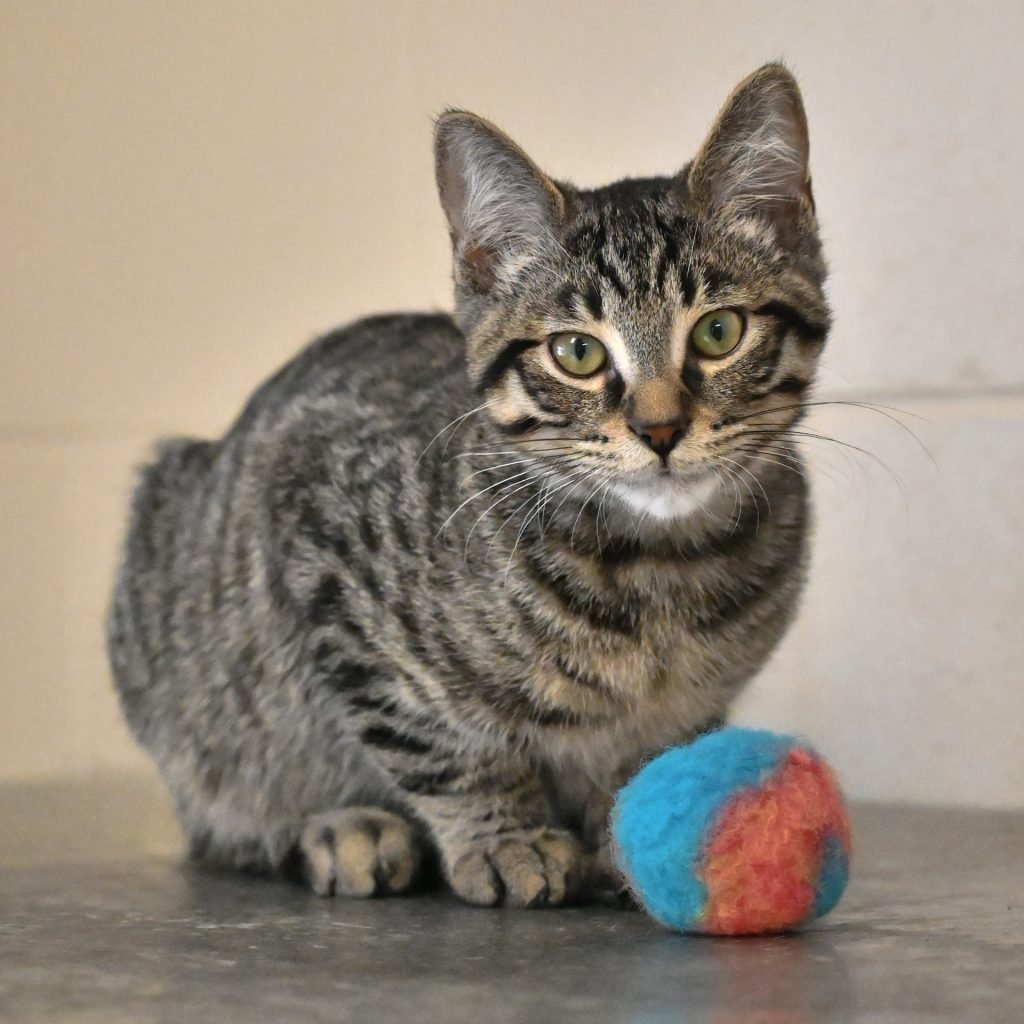
Do you ever wish your cat would listen to you better or stop those unwanted habits? Training your cat might sound tricky, but it’s easier than you think.
Imagine having a well-behaved feline that follows simple commands and makes your life stress-free. You’ll discover simple, effective ways to train your cat step by step. By the end, you’ll have the tools to build a stronger bond with your furry friend and enjoy a happier home.
Ready to transform your cat’s behavior? Let’s get started!
Why Train Your Cat
Training your cat might seem unusual, but it can transform your daily life together. Cats are smart and can learn much more than you expect. Understanding why training matters helps you see the value beyond simple tricks.
Benefits For You And Your Cat
Training builds a stronger bond between you and your cat. When you spend time teaching your cat new behaviors, it creates trust and communication. You also gain better control over your cat’s actions, making your home more peaceful.
Your cat benefits too. Training provides mental stimulation that keeps their mind sharp and reduces boredom. It also encourages physical activity, which helps maintain a healthy weight. Imagine your cat responding to commands like “come” or “stay” — that’s safety and convenience rolled into one.
Common Behavioral Issues
Many cat owners struggle with unwanted behaviors like scratching furniture, jumping on counters, or aggressive play. Training can address these problems effectively by redirecting your cat’s energy and teaching acceptable alternatives.
For example, instead of letting your cat scratch the sofa, you can train them to use a scratching post. If your cat jumps on the kitchen counter, training “off” commands can keep them off surfaces where they shouldn’t be. Have you noticed how consistent training reduces frustration for both you and your cat?

Credit: www.lovemeow.com
Basics Of Cat Behavior
Understanding cat behavior forms the foundation of effective training. Cats use subtle cues to show their feelings and intentions. Observing these signs helps you respond properly and build trust. The basics include recognizing body language and communication styles.
Reading Cat Body Language
Cats express emotions through their bodies. Watch their tail, ears, and eyes closely. A raised tail means happiness or confidence. Flattened ears signal fear or anger. Slow blinking shows comfort and trust. Puffed-up fur indicates stress or aggression. Notice their posture—relaxed cats lie down with soft muscles. Tense bodies suggest anxiety or readiness to act. Understanding these signs helps you avoid misunderstandings and react wisely.
Understanding Cat Communication
Cats use sounds and actions to communicate. Meowing targets humans, often asking for attention or food. Purring usually means contentment but can also show pain. Hissing warns to stay away. Chirps and trills invite play or interaction. Cats also use scent marking to claim territory. Recognizing these signals lets you meet their needs better. Responding correctly improves your bond and eases training.
Essential Training Tools
Training a cat requires patience and the right tools. Using effective tools helps make the training process smoother and more enjoyable for both you and your cat. Essential tools include treats, clickers, and toys. Each tool plays a unique role in encouraging good behavior and keeping your cat engaged.
Choosing The Right Treats
Treats motivate cats to learn new behaviors. Pick treats that your cat loves and finds tasty. Small, soft treats work best because cats can eat them quickly. Avoid large or hard treats that slow down training.
Use treats sparingly to prevent overfeeding. Treats should be a special reward, not a meal replacement. Try different flavors to find your cat’s favorite. Keep treats healthy to support your cat’s well-being.
Using Clickers And Toys
Clickers help mark the exact moment your cat does something right. The clicking sound becomes a clear signal of good behavior. This helps cats understand what you want them to do.
Toys keep training sessions fun and active. Use toys to capture your cat’s attention and reward them with playtime. Wand toys, balls, and laser pointers are great choices.
Combine toys with treats and clickers for strong positive reinforcement. This mix makes training more effective and enjoyable for your cat.
Step-by-step Training Techniques
Training a cat might seem challenging, but breaking it down into clear, manageable steps can make a big difference. Patience and consistency are your best tools. Let’s look at practical techniques you can use to teach your cat new skills and improve behavior.
Teaching Simple Commands
Start with basic commands like “sit,” “come,” or “stay.” Use treats as rewards to encourage your cat. For example, hold a treat above your cat’s head and say “sit.” When they do, immediately give the treat and praise them.
Keep training sessions short—about five minutes—so your cat stays interested. Repeat commands regularly to help your cat remember. Have you noticed how cats respond better when training feels like a fun game?
Litter Box Training Tips
Place the litter box in a quiet, accessible spot. Show your cat where it is right away, especially if they’re new to your home. Clean the box frequently to keep it inviting.
If your cat avoids the box, check the type of litter you’re using. Some cats prefer finer textures or unscented options. You can also reward your cat with treats right after they use the litter box to reinforce the habit.
Discouraging Unwanted Behavior
Identify the behavior you want to change, such as scratching furniture or jumping on counters. Instead of punishment, redirect your cat’s energy to acceptable alternatives like scratching posts or playtime.
Use gentle deterrents like double-sided tape on surfaces you want to protect. When your cat moves away from the forbidden area, reward that choice with attention or treats. Have you tried this positive approach instead of yelling or spraying water?
Positive Reinforcement Strategies
Positive reinforcement is a gentle and effective way to train your cat. It builds trust and encourages good behavior without fear. Using rewards, you can guide your cat to learn new tricks or habits. This approach makes training enjoyable for both you and your pet.
Reward Timing
Timing is key when giving rewards. Offer treats or praise immediately after your cat does something right. Cats connect actions with rewards faster this way. Delaying rewards can confuse your cat about what earned the treat. Always watch closely and reward at the perfect moment.
Avoiding Punishment
Never use punishment during training. Cats do not understand punishment well and may become scared. Fear can harm your bond and slow learning. Focus on rewarding good behavior instead. Patience and kindness lead to better results than punishment.
Credit: www.catschool.co
Troubleshooting Common Problems
Troubleshooting common problems is key to successful cat training. Cats show behaviors that can be challenging. Understanding these behaviors helps to address them calmly. Patience and consistency work best when fixing issues.
Dealing With Aggression
Aggression can appear as hissing, biting, or scratching. It often comes from fear or stress. Keep calm and avoid sudden moves. Give the cat space to feel safe.
Try these tips:
- Use gentle tones to speak softly.
- Offer treats to create positive experiences.
- Redirect attention with toys instead of hands.
- Give quiet time to help the cat relax.
Managing Scratching And Clawing
Scratching is natural but can damage furniture. Provide scratching posts made of cardboard or sisal. Place them near favorite spots.
Encourage use by:
- Spraying catnip on posts.
- Praising the cat when using posts.
- Trimming claws regularly to reduce damage.
- Using soft nail caps if needed.
Advanced Training Ideas
Advanced training for cats goes beyond basic commands. It helps keep cats active and sharp. These ideas challenge your cat’s mind and body. Training builds a stronger bond and keeps your cat happy.
Teaching Tricks And Commands
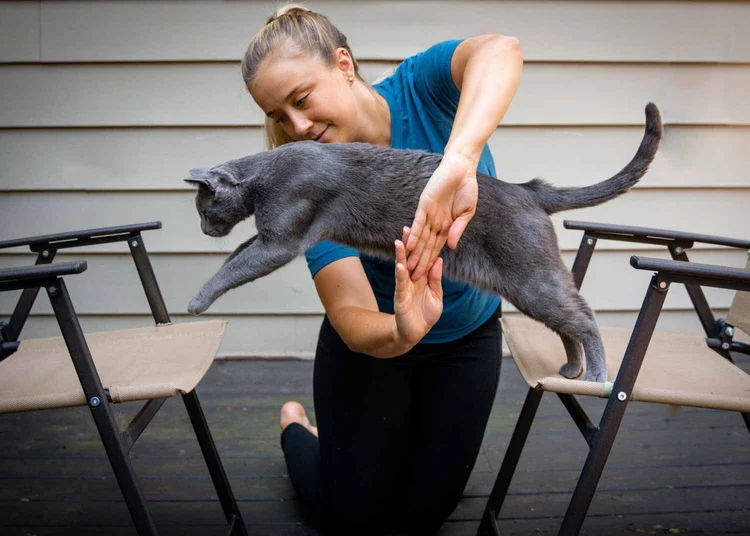
Teaching tricks is fun for you and your cat. Start with simple tricks like “sit” or “high five.” Use treats as rewards to encourage learning. Keep training sessions short, around 5 to 10 minutes. Repeat commands clearly and patiently. Gradually increase difficulty by adding new tricks. Try teaching your cat to fetch toys or spin in circles. Use a clicker or a gentle sound to mark success. Praise your cat with kind words and petting. Consistency helps cats understand what you want.
Enrichment Activities For Mental Stimulation
Mental games keep your cat alert and interested. Puzzle feeders make your cat work for treats. Hide toys around the house for a fun treasure hunt. Rotate toys often to keep them new and exciting. Use boxes and tunnels to create an obstacle course. Try interactive toys that move or make sounds. Training with new objects builds curiosity and confidence. Enrichment activities help reduce boredom and stress. A busy mind means a happy cat.

Credit: www.catster.com
Maintaining Training Success
Keeping your cat trained isn’t just about the initial lessons; it’s about what comes next. Maintaining success means staying engaged with your cat’s learning journey every day. It requires more than just repeating commands—it’s about adapting and growing alongside your feline friend.
Consistency And Patience
You might have noticed that cats respond best when routines are clear and steady. Consistency in commands and rewards helps your cat understand what you expect. If you change the rules too often, your cat can get confused and lose interest.
Patience is just as important. Some days your cat may seem to forget what you taught, but that’s normal. Keep calm and give gentle reminders instead of showing frustration.
Think about how you feel when learning something new. Would you give up after a few mistakes? Probably not. Your cat deserves the same patience and steady guidance.
Adjusting Techniques Over Time
Cats grow and change, so your training methods should too. What worked when your cat was a kitten might not be as effective as it gets older. Pay attention to your cat’s reactions and tweak your approach accordingly.
For example, if your cat stops responding to treats, try using play or affection as a reward instead. Changing the environment or the timing of training sessions can also keep your cat interested.
Ask yourself: Are you listening to your cat’s cues? Sometimes, a small change in your training style can make a big difference in keeping your cat engaged and eager to learn more.
Frequently Asked Questions
How Do I Start Training My Cat Effectively?
Begin with short, consistent sessions using treats as rewards. Focus on simple commands like “sit” or “come. ” Patience is key, as cats learn at their own pace. Use positive reinforcement and avoid punishment to build trust and encourage good behavior.
What Are The Best Treats For Cat Training?
Choose small, soft treats that your cat loves and can eat quickly. Avoid high-calorie options to prevent weight gain. Treats should be healthy and safe. Using treats sparingly helps maintain motivation and keeps training sessions effective and enjoyable.
Can I Train My Cat To Use A Litter Box?
Yes, most cats learn litter box use naturally. Provide a clean, accessible litter box in a quiet area. Reward your cat for using it correctly. If accidents happen, clean thoroughly to remove odors and avoid punishment to prevent fear or confusion.
How Long Does It Take To Train A Cat?
Training duration varies by cat’s age and personality. Simple commands may take a few weeks with regular practice. Complex behaviors require more time and patience. Consistency and positive reinforcement speed up learning and make the process enjoyable for both cat and owner.
Conclusion
Training a cat takes time and patience. Small steps help build trust and good habits. Cats learn best with gentle, clear signals. Keep sessions short and fun to hold their attention. Consistency helps your cat understand what you want. Celebrate small wins and stay calm with mistakes.
A trained cat feels happier and safer at home. Enjoy the process and watch your bond grow stronger. Training your cat is possible with love and care.
