

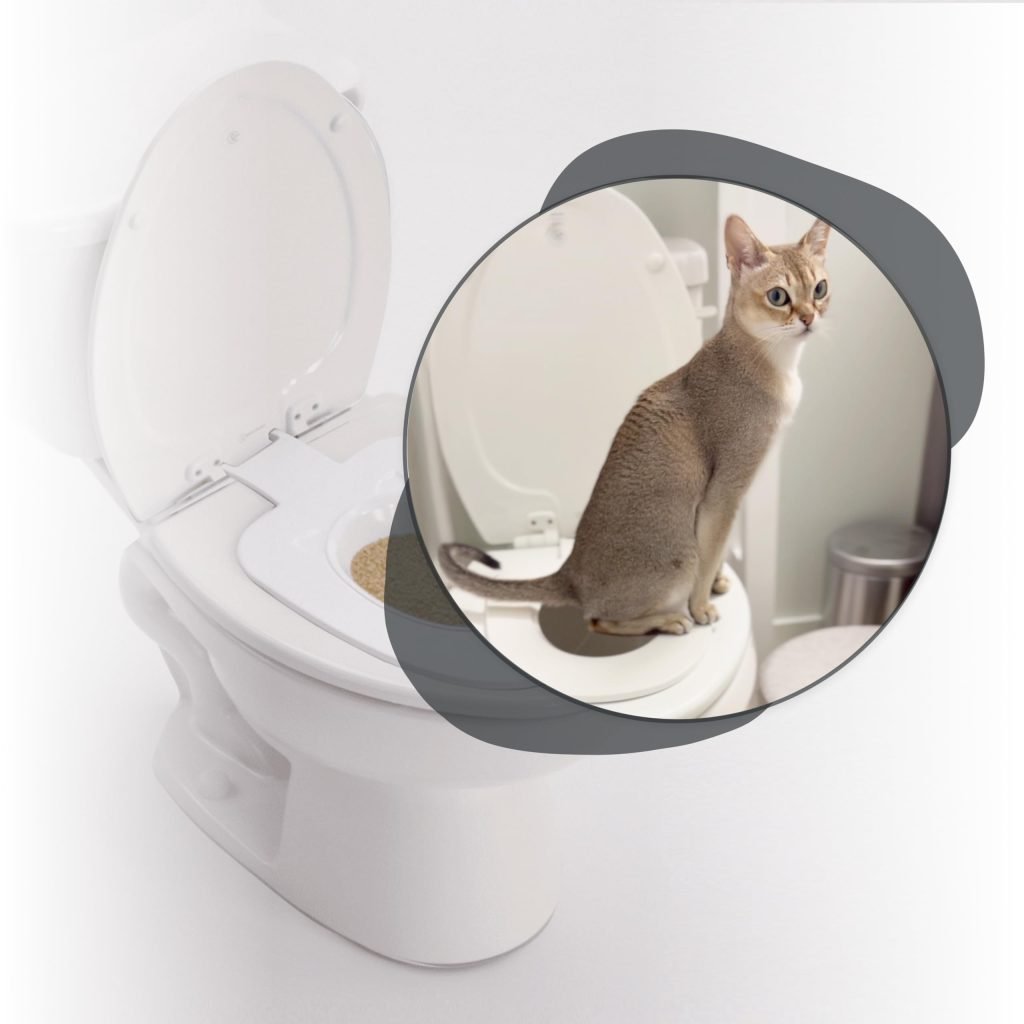
Are you tired of cleaning up endless litter boxes? Imagine if your cat could use the toilet just like you do.
Potty training your cat to use the toilet might sound impossible, but with the right steps, you can make it happen. This method not only saves you time and money but also keeps your home cleaner and fresher. Ready to discover how you can turn this dream into reality?
Keep reading, and you’ll learn simple, effective tips to potty train your cat and transform your daily routine.

Credit: kmccberwick.ca
Benefits Of Cat Toilet Training
Training your cat to use the toilet has many benefits for both you and your pet. It helps keep your home cleaner and can save money on litter. Toilet training also reduces odors and makes caring for your cat easier. Many cat owners find this method more convenient and hygienic.
Improved Hygiene And Cleanliness
Cat toilet training keeps litter out of your house. No more tracking litter across floors. It reduces the chance of bacteria spreading from litter boxes. Your home stays fresher and cleaner every day.
Cost Savings On Cat Litter
Using the toilet cuts down on litter expenses. You no longer need to buy bags of litter. This saves money over time. It also means fewer trips to the store.
Reduced Odor In The Home
Toilet training eliminates the smell of litter boxes. Your house will not have the strong odor of cat waste. This creates a more pleasant living space for you and your guests.
Convenience And Less Maintenance
No scooping or changing litter boxes anymore. Cleaning becomes easier and faster. You save time and effort on daily chores. This makes caring for your cat simpler.
Environmental Benefits
Less litter means less waste going to landfills. It helps reduce your environmental footprint. Toilet training is a greener choice for pet care.
Choosing The Right Toilet Training Kit
Choosing the right toilet training kit for your cat can make a big difference in how smoothly the training goes. The right kit not only fits your cat’s size and temperament but also suits your bathroom setup and personal preferences. Picking carefully can save you time, frustration, and keep your cat comfortable throughout the process.
Understanding Your Cat’s Needs
Every cat is unique, and their comfort with the training kit matters a lot. Consider your cat’s size—kittens and larger cats need different-sized kits. Also, think about your cat’s personality. Is your cat curious and adventurous or shy and cautious? Some kits offer gradual transition features that can ease nervous cats into the process.
Kit Features To Look For
Look for kits that come with adjustable rings or inserts to customize the hole size. This helps your cat gradually get used to the change. Kits with non-slip bases can prevent accidents, keeping your cat safe and confident. Easy cleaning is another important feature; removable trays or liners save you a lot of hassle.
Material And Durability
Choose kits made from sturdy materials like BPA-free plastic or durable silicone. These stand up well to frequent cleaning and your cat’s scratching. A flimsy kit can break or warp, which might confuse your cat and slow down training. Also, think about whether the material might absorb odors—some plastics hold smells more than others.
Compatibility With Your Bathroom Setup
Not all kits fit every toilet. Check the size and shape of your toilet seat before buying a kit. Some kits work better with round toilets, others with elongated ones. You might need a kit with adjustable brackets or a flexible design. Also, consider how easy it is to remove and store the kit when not in use.
Budget And Value
Toilet training kits come in a wide price range. More expensive kits often have extra features, but basic kits can work just as well if chosen carefully. Think about how long the kit will last and whether replacement parts are available. Investing a bit more upfront might save you money if it means faster training or fewer replacements.
Customer Reviews And Recommendations
Reading real customer reviews can reveal surprises about how a kit performs in everyday use. Look for comments about ease of use, durability, and how well cats adapt. Sometimes, a highly rated kit might not suit your specific cat or toilet style. Don’t hesitate to ask fellow cat owners or online communities for advice tailored to your situation.
Preparing Your Cat For Training
Preparing your cat for potty training is more than just placing a special seat on the toilet. It’s about setting the stage for success by understanding your cat’s habits and creating a comfortable learning environment. Patience and gradual steps are key to helping your feline friend make this transition smoothly.
Understanding Your Cat’s Bathroom Habits
Watch how your cat uses the litter box. Notice the times of day they prefer and how long they take. This insight helps you schedule training sessions when your cat is most comfortable and ready.
Some cats are naturally curious, while others may be cautious about new experiences. Recognizing your cat’s personality helps you tailor the training approach to their needs.
Creating A Comfortable Training Space
Choose a quiet bathroom with minimal distractions. Keep the area clean and free from noise that might startle your cat.
Adding familiar scents or toys near the toilet can ease your cat’s anxiety. Comfort matters because a stressed cat will resist change.
Introducing The Potty Train Cat Toilet Gradually
Start by placing the potty trainer next to the litter box. Let your cat explore it at their own pace without pressure.
Try adding some litter from the box into the potty trainer to maintain a familiar smell. This simple step can encourage your cat to try the new spot.
Using Positive Reinforcement To Encourage Progress
- Reward your cat with treats or affection immediately after they use the potty trainer.
- Speak softly and offer praise to build positive associations.
- Stay consistent with rewards to reinforce good behavior.
Have you noticed how your cat responds to rewards during training? This can guide you on what motivates them best.
Step 1: Moving The Litter Box Near The Toilet
Moving your cat’s litter box closer to the toilet is a key first move in potty training. It helps your cat get used to the new location gradually, reducing stress and confusion. This transition makes the next steps easier for both you and your cat.
Choosing The Right Spot Next To The Toilet
Pick a spot right beside the toilet that’s quiet and easy for your cat to access. Avoid busy or noisy areas where your cat might feel unsafe. If your bathroom is small, even the hallway near the toilet can work temporarily.
Adjusting The Height Of The Litter Box
Your cat will need time to get used to the height difference between the floor and the toilet seat. Try raising the litter box gradually using sturdy boxes or a low stool. This helps your cat build confidence and balance before moving fully onto the toilet.
Maintaining Familiar Smells And Setup
Keep the litter and box the same as usual during this move. Cats rely heavily on scent, so familiar smells will keep them comfortable. Avoid changing litter types or cleaning routines at this stage to prevent setbacks.
Watching Your Cat’s Behavior Closely
Observe how your cat reacts to the new spot. Are they hesitant or exploring confidently? If your cat seems stressed, slow down the process and give them more time to adjust. Your patience here sets the tone for success.
Creating A Routine Around The New Location
Encourage your cat to use the litter box near the toilet by keeping it clean and accessible. Reward your cat with gentle praise or treats after they use it. Can you spot any signs your cat is ready to move even closer to the toilet itself?
Step 2: Elevating The Litter Box Gradually
Elevating the litter box gradually helps your cat adjust to using the toilet. This step reduces stress and builds confidence. Cats like stable and familiar places. Changing the height slowly keeps them comfortable.
Start by placing the litter box on a low surface. Each few days, raise it a little higher. Use sturdy objects like books or boxes for support. Keep the surface stable to avoid accidents.
Watch your cat’s behavior during this process. If your cat hesitates or avoids the box, pause the elevation. Let your cat get used to the new height. Patience is key to success.
Choosing The Right Height For Each Stage
- Begin with just a few inches off the floor.
- Increase height by 1-2 inches every few days.
- Stop if your cat shows discomfort or anxiety.
- Reach the toilet seat height before moving to the next step.
Maintaining Cleanliness During Elevation
- Clean the litter box regularly to keep it inviting.
- Remove waste daily to reduce odors.
- Keep the surrounding area tidy to avoid distractions.
- Use unscented litter to prevent irritation.
Ensuring Safety While Raising The Litter Box
- Use stable supports to prevent tipping.
- Place the box away from high traffic areas.
- Check that the box doesn’t wobble at each height.
- Secure any loose objects around the box.

Credit: www.walmart.com
Step 3: Introducing The Toilet Training Seat
Introducing the toilet training seat to your cat is a crucial moment in the potty training journey. This step shifts your cat’s focus from the litter box to the toilet, making it essential to approach with patience and care. You’ll want to create a positive experience that encourages curiosity and comfort around the new setup.
Preparing Your Cat For The New Seat
Start by placing the toilet training seat near your cat’s usual litter area. Let your cat explore the seat at their own pace without pressure. Use treats or gentle petting to build positive associations with the new item.
Have you noticed how cats respond differently to new objects? Some might instantly sniff around, while others prefer a cautious approach. Understanding your cat’s personality helps tailor your encouragement.
Adjusting The Seat For Comfort And Safety
Make sure the training seat is securely attached to the toilet to prevent slipping. Cats value stability, especially when trying something unfamiliar. If the seat feels unstable, your cat might avoid using it altogether.
Check the size of the hole in the training seat—too large can be scary, too small can be uncomfortable. Adjust the size gradually, allowing your cat to get used to the sensation of balancing on the toilet rim.
Encouraging Your Cat To Use The Toilet Seat
Begin by placing a small amount of litter in the training seat. This familiar scent reassures your cat and guides them to the right spot. Praise your cat or offer treats when they show interest or use the seat correctly.
If your cat hesitates, try sitting nearby and gently encouraging them with a calm voice. Persistence is key, but avoid forcing your cat, which can create fear or resistance. What small rewards could motivate your cat best during this phase?
Step 4: Reducing Litter And Using The Training Seat
Reducing litter and using the training seat are key parts of toilet training your cat. This phase helps your cat adjust to the new toilet setup. It also makes the transition smooth and less stressful. Gradually decreasing litter encourages your cat to use the toilet itself. The training seat guides your cat to the right spot. Both steps build confidence and good habits.
How To Reduce Litter Gradually
Start by using less litter in the training seat. Cut down the amount each day or every few days. Watch your cat’s behavior closely. If your cat seems hesitant, slow down the process. The goal is to have little to no litter left by the end.
- Use a small amount of litter in the beginning.
- Remove some litter every few days.
- Keep the litter clean to avoid smells.
- Pause reduction if your cat avoids the seat.
Using The Training Seat Correctly
The training seat fits on top of the toilet bowl. It has a hole in the center where the litter goes. This helps your cat balance and feel safe. Make sure the seat is secure and stable. Place it at a height your cat can reach easily.
- Check the seat daily for cleanliness.
- Encourage your cat to step onto the seat.
- Keep the seat dry and fresh.
- Use treats or praise to reward your cat.
Signs Your Cat Is Ready To Use The Toilet
Your cat will start spending more time on the training seat. It may scratch or dig less in the litter. You might notice fewer accidents outside the toilet. The cat will seem more comfortable sitting on the seat. These signs mean your cat is adapting well to toilet training.
- Cat sits calmly on the training seat.
- Decreased digging behavior.
- Fewer messes outside the toilet area.
- Increased curiosity about the toilet itself.

Credit: www.mackaylawoffice.com
Step 5: Removing The Training Seat
Removing the training seat is a key moment in your cat’s potty training journey. It signals that your feline friend is ready to use the toilet independently. This step requires patience and attentiveness to your cat’s comfort and behavior.
Recognizing When Your Cat Is Ready
Watch your cat closely before removing the training seat. Are they confidently balancing on the toilet without hesitation? If your cat is using the toilet seat without accidents or signs of stress, it’s likely time to remove the training seat.
Remember, every cat adapts at their own pace. Rushing this step can cause setbacks. Have you noticed your cat exploring the toilet area without the training seat? That’s a positive sign.
How To Remove The Training Seat Safely
Start by removing the training seat slowly and carefully. Keep the toilet lid up and observe your cat’s reaction. If they seem unsure, try sitting with them nearby to offer reassurance.
You can also place a non-slip mat on the toilet seat rim to give your cat extra footing. This small adjustment can make a big difference in their confidence. Have you considered using treats or gentle praise to encourage your cat during this change?
Handling Setbacks And Encouraging Confidence
If your cat hesitates or avoids the toilet, don’t panic. Setbacks are common and don’t mean failure. Try reintroducing the training seat for a few days before removing it again.
Consistency is key. Keep the bathroom environment calm and quiet during toilet visits. How can you create a positive experience that motivates your cat to keep trying?
Tips For Successful Toilet Training
Training your cat to use the toilet can save time and keep your home cleaner. Success depends on patience and clear steps. Small changes help your cat adjust comfortably to this new habit. Watch your cat’s behavior and progress closely. Reward positive actions to encourage learning. Keep the training area quiet and free from distractions. Each cat learns at its own pace, so stay calm and consistent.
Choose The Right Time To Start
Select a calm period with no changes in your cat’s routine. Avoid starting during stressful times like moving or new pets arriving. Consistent daily schedules help your cat feel safe and ready to learn.
Introduce The Toilet Gradually
Start by placing the litter box near the toilet. Slowly raise the litter box height over days. This helps your cat get used to jumping up. Replace the box with a special training seat on the toilet. Let your cat explore the seat before use.
Use Positive Reinforcement
- Praise your cat quietly when it uses the toilet setup.
- Offer small treats immediately after success.
- Keep rewards consistent to build good habits.
Be Patient And Observe
Allow your cat time to adjust without rushing the process. Watch for signs of stress or discomfort. If your cat resists, take a step back in training. Patience reduces anxiety and builds confidence.
Maintain Cleanliness
Clean the toilet area regularly to avoid smells that deter use. Use mild cleaners safe for pets. A clean environment encourages your cat to continue using the toilet.
Common Challenges And Solutions
Potty training a cat to use the toilet can be a tricky process. Many cat owners face challenges that slow down progress or cause setbacks. Understanding these common hurdles helps find simple, clear solutions. This section explores typical problems and how to overcome them effectively.
Cat Refuses To Use The Toilet
Some cats may feel scared or confused about the toilet. This fear stops them from trying. Patience is key. Try moving slowly and giving rewards. Use familiar scents on the toilet seat to comfort the cat.
Cat Falls Into The Toilet
Accidents happen. A cat falling into the bowl can feel stressful for both pet and owner. Reduce water level during training. Use a training seat that covers the bowl and offers a flat surface. Always supervise the cat’s first attempts.
Cat Prefers Litter Box Over Toilet
Many cats like the texture of litter. Toilet training removes that comfort. Gradually reduce litter use near the toilet. Mix a small amount of litter on the training seat. This eases the transition for the cat.
Cat Has Accidents Outside The Toilet
Accidents can occur if the cat is unsure where to go. Keep the bathroom clean and quiet. Limit access to other litter boxes. Praise the cat immediately after using the toilet correctly.
Cat Loses Interest During Training
Training can take weeks. Cats may lose interest or get distracted. Keep training sessions short and consistent. Use treats and praise to keep motivation high. End each session on a positive note.
Maintaining Good Toilet Habits
Maintaining good toilet habits is key for a smooth transition to the Potty Train Cat Toilet. Consistency helps your cat feel secure and confident. Cleanliness keeps the area inviting and reduces odors. Observe your cat’s behavior to support their needs and adjust routines accordingly.
Keep The Toilet Area Clean
Clean the Potty Train Cat Toilet regularly. Remove waste every day to prevent smells. Use mild soap and water for thorough cleaning weekly. Avoid strong chemicals that may scare your cat. A fresh toilet area encourages your cat to use it consistently.
Monitor Your Cat’s Behavior
Watch how your cat uses the toilet. Notice any hesitation or accidents. These signs may show discomfort or stress. Adjust training pace to match your cat’s comfort. Praise your cat for successful toilet use to build trust.
Stick To A Routine
Set regular times for toilet visits. Cats thrive on routine and predictability. A schedule reduces accidents and confusion. Keep feeding and playtime consistent to support toilet training. Patience and repetition lead to lasting habits.
Provide Positive Reinforcement
Use gentle praise and treats after toilet success. Positive feedback motivates your cat to repeat good behavior. Avoid punishment for accidents to prevent fear. Celebrate small wins to encourage progress. A happy cat learns faster.
Frequently Asked Questions
How To Start Potty Training A Cat For The Toilet?
Begin by moving the litter box near the toilet. Gradually raise its height with books or boxes. Use a training seat designed for cats. Reward your cat with treats and praise to encourage progress.
How Long Does Potty Training A Cat Take?
Potty training varies but usually takes 4 to 6 weeks. Consistency and patience are crucial during this period. Some cats may learn faster, while others need more time to adjust.
What Are The Benefits Of Toilet Training A Cat?
Toilet training reduces litter mess and saves money on cat litter. It also helps maintain better hygiene and is environmentally friendly by reducing waste.
Can All Cats Be Toilet Trained Successfully?
Most cats can learn with patience, but some may resist. Kittens adapt more easily than older cats. Cats with anxiety or health issues might struggle with training.
Conclusion
Potty training your cat to use the toilet takes time and patience. Small steps help your cat learn without stress. Watch your cat closely and adjust the process as needed. Celebrate each success, no matter how small. This training saves litter costs and keeps your home clean.
Stay calm and consistent throughout the journey. Your cat can learn this new skill with care. The effort brings a cleaner, easier routine for both. Keep trying, and your cat will get there soon.
