

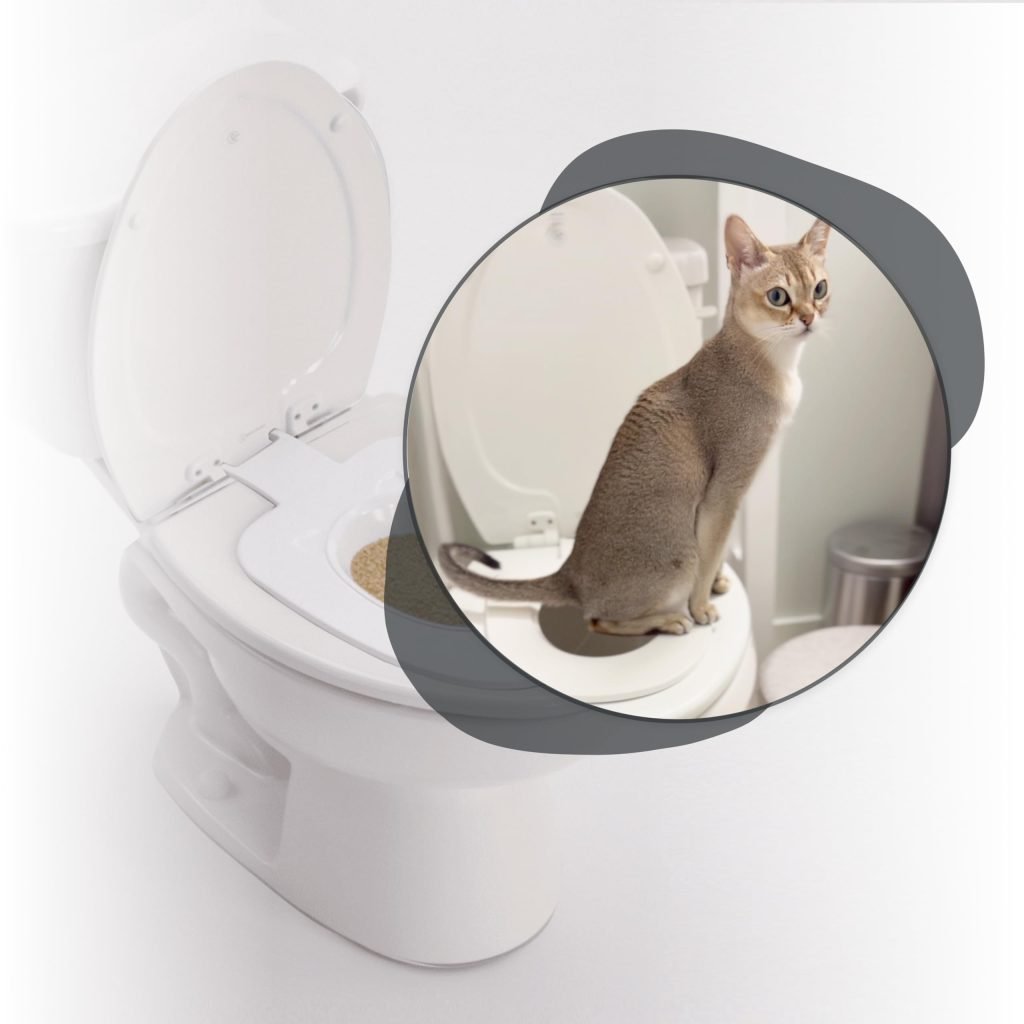
Potty training your cat might sound tricky, but it’s easier than you think. Imagine a home free of litter boxes and constant cleaning.
You want your furry friend to be clean and comfortable, and you want less mess to worry about. You’ll discover simple steps to potty train your cat successfully. By the end, you’ll feel confident and ready to make a big change that benefits both you and your pet.
Keep reading to unlock the secrets to a cleaner, happier home with your cat.
Credit: www.walmart.com
Preparing For Potty Training
Preparing for potty training your cat sets the stage for success. It helps your cat learn quickly and avoids accidents. Getting the right tools and space ready makes the process smooth. Patience and consistency make training easier for both you and your cat.
Choosing The Right Litter Box
Pick a litter box that suits your cat’s size and age. Small cats need smaller boxes with low sides. Older cats or those with mobility issues may prefer boxes with easy access. Covered boxes offer privacy but may trap odors. Open boxes are easier to clean and ventilate well.
Consider the location too. Place the box in a quiet, low-traffic area. Avoid spots near loud machines or busy hallways. Your cat needs a calm place to feel safe.
Selecting Suitable Litter
Choose litter that is soft on paws and controls odor. Unscented clumping litter often works best. Avoid scented litter, as strong smells can scare cats away. Some cats prefer natural options like paper or wood pellets. Experiment to find what your cat likes most.
Keep the litter clean by scooping daily. Fresh litter encourages your cat to use the box regularly.
Setting Up A Training Area
Create a dedicated space for potty training. It should be quiet and easy to access. Place the litter box on a flat surface to avoid spills. Keep food and water bowls away from the litter box. Cats prefer separate areas for eating and toileting.
Limit your cat’s access to other parts of the house during early training. This helps them focus on learning where to go.
Introducing Your Cat To The Litter Box
Introducing your cat to the litter box sets the foundation for good habits. Cats need time and gentle guidance to feel comfortable using it. The right approach builds trust and helps your cat learn quickly.
Encouraging Exploration
Place the litter box in a quiet, low-traffic area. Let your cat sniff and explore it freely. Avoid forcing your cat inside the box. Instead, use gentle pats or toys to draw attention. Keep the litter clean and fresh to attract your cat.
Establishing A Routine
Set consistent times for your cat to use the litter box. After meals and naps are good moments to guide them. Praise your cat softly when they use the box correctly. A steady routine helps your cat understand expectations. Avoid sudden changes in box location or type of litter.
Recognizing Cat Behavior Signals
Watch for signs your cat needs to go. Sniffing, scratching, or circling are common signals. Quickly guide your cat to the litter box when you see these behaviors. Responding fast helps prevent accidents. Understanding these signals improves training success.
Training Techniques That Work
Training your cat to use the potty can seem tricky, but with the right techniques, it becomes manageable and even enjoyable. The key lies in patience and consistency, combined with methods that encourage your cat without causing stress. Let’s look at some effective ways to guide your feline friend through this transition.
Positive Reinforcement Methods
Cats respond well to rewards, so use treats and praise to encourage desired behavior. When your cat uses the potty correctly, immediately offer a small treat or gentle petting. This helps your cat associate the action with something pleasant.
Try to keep rewards consistent but not excessive to avoid overfeeding. You can also use clicker training to mark the moment your cat does the right thing. Have you noticed how cats quickly learn when positive feedback is clear and timely?
Handling Accidents Calmly
Accidents are part of the learning process, so staying calm is essential. Avoid scolding or punishing your cat, as it can create fear and confusion. Instead, clean the area thoroughly to remove any lingering scent that might attract your cat back to that spot.
Observe if accidents happen in a specific place or time and adjust your training accordingly. Could stress or changes in the environment be affecting your cat’s behavior? Understanding this helps you respond better and keeps training on track.
Using Training Aids And Tools
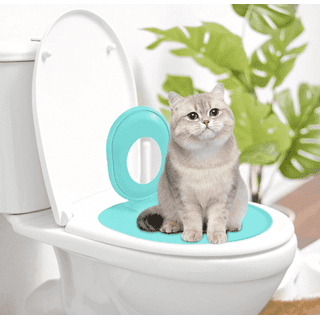
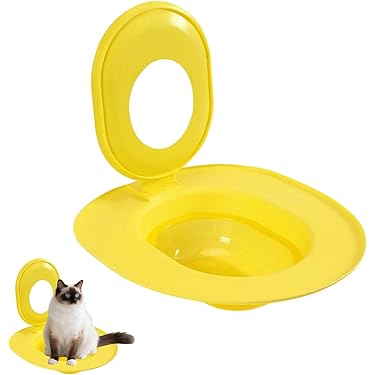
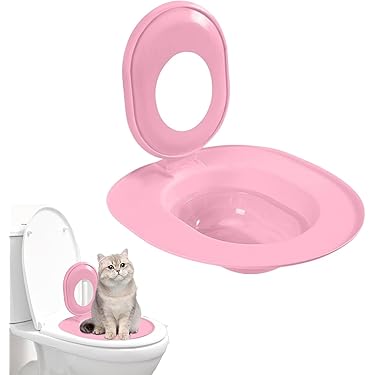
There are several tools designed to make potty training easier for cats. Training seats that fit on the toilet can gradually introduce your cat to the new routine. Start by placing litter in the training seat, then slowly reduce the litter as your cat gets comfortable.
Another helpful tool is a step stool to help your cat reach the toilet safely. Some owners find that pheromone sprays reduce anxiety and encourage their cats to use the designated spot. What small change in your setup could make a big difference in your cat’s progress?
Credit: www.amazon.com
Common Challenges And Solutions
Potty training a cat can come with its share of hurdles. Recognizing common challenges early helps you tackle them effectively. Understanding why your cat resists certain behaviors or spots can make a big difference in your success.
Dealing With Avoidance Issues
Sometimes cats just avoid the potty training process altogether. They might hide or refuse to use the designated spot, which can be frustrating. Try observing when and where your cat avoids the area to identify triggers.
Creating a calm and inviting environment around the potty can help. Use positive reinforcement like treats or gentle petting when your cat approaches the training area. Have you noticed if loud noises or other pets cause your cat to back away?
Managing Litter Box Aversion
Litter box aversion is a common roadblock. Your cat may dislike the litter texture, box location, or cleanliness. Changing the litter type or cleaning more frequently can often resolve this.
Try moving the box to a quiet, low-traffic area. Avoid scented litters as many cats find them off-putting. You might also experiment with different box styles—some cats prefer covered boxes, others open ones. What changes can you make today to improve your cat’s comfort?
Addressing Medical Concerns
Sometimes potty issues stem from health problems. Urinary tract infections, bladder stones, or digestive issues can cause discomfort, leading your cat to avoid the litter box. If your cat suddenly stops using the potty, a vet visit is necessary.
Keeping a close eye on your cat’s behavior and bathroom habits can catch problems early. Have you noticed any changes in frequency, consistency, or signs of pain during elimination? Acting quickly can prevent long-term issues and make training smoother.
Maintaining Cleanliness And Hygiene
Keeping your cat’s potty area clean is crucial for both your pet’s comfort and your home’s hygiene. A tidy litter box encourages your cat to use it consistently, reducing the chances of accidents around the house. Plus, it helps you avoid unpleasant smells and potential health issues.
Regular Litter Box Cleaning
Cleaning the litter box daily is a simple step that makes a big difference. Remove clumps and waste every day to keep the box inviting for your cat. Once a week, empty the entire box and wash it with mild soap and warm water to prevent bacteria buildup.
Have you noticed how your cat behaves differently when the litter box is dirty? Many cats avoid a soiled box, leading to unwanted messes. Staying on top of cleaning helps maintain their routine and comfort.
Controlling Odors
Odor control isn’t just about masking smells; it’s about managing the source. Using unscented, clumping litter can trap odors better without overwhelming your cat’s sensitive nose. You might also try adding baking soda to the litter to absorb extra moisture and smells.
Ventilation plays a big role too. Placing the litter box in a well-ventilated area reduces lingering odors in your home. What small changes could you make to keep your space fresher?
Health Benefits For Your Cat
A clean litter box supports your cat’s health by lowering the risk of infections. Dirty litter can harbor bacteria and parasites that cause urinary tract infections or other illnesses. Regular maintenance helps you spot any unusual waste patterns early, which can be a sign of health issues.
Your cat depends on you for a clean and safe environment. How often do you check your cat’s litter box for signs of trouble? Paying attention can make a real difference in your pet’s wellbeing.
Credit: www.amazon.com
Advanced Tips For Long-term Success
Achieving long-term success in potty training your cat requires more than just the basics. You need strategies that adapt as your cat grows and changes. These advanced tips will help you maintain a clean home and happy cat for years to come.
Transitioning To Different Litter Types
Sometimes you may want to switch your cat’s litter to a different brand or type, such as moving from clumping clay to a natural or crystal-based litter. Sudden changes can confuse your cat, leading to accidents.
Try mixing a small amount of the new litter with the old one to help your cat adjust gradually. Observe your cat’s behavior closely—if they seem hesitant or avoid the box, slow down the transition even more.
Have you noticed your cat prefers finer granules or unscented litter? Paying attention to these preferences can save you frustration and keep your cat using the litter box consistently.
Training Multiple Cats
Training one cat is challenging enough, but managing multiple cats adds a new layer of complexity. Each cat may have different litter preferences or habits that you need to accommodate.
Provide enough litter boxes—ideally one per cat plus one extra—to reduce competition and stress. Place boxes in different quiet locations so each cat feels comfortable.
Watch for signs of bullying or one cat blocking access to the litter box. You might need to separate the cats during training sessions or offer multiple types of litter to meet their preferences.
Adjusting Training As Your Cat Ages
Older cats can develop health issues that affect their litter box habits, like arthritis or urinary problems. You’ll need to adjust training techniques and litter box setup accordingly.
Consider lower-sided litter boxes for easier access and keep the box in a quieter spot. Regular vet check-ups become crucial to catch any medical issues early.
Has your aging cat started having accidents despite being trained? Don’t blame them immediately. Instead, look for changes in behavior or health that might require a new approach or consultation with your vet.
Frequently Asked Questions
How Long Does It Take To Potty Train A Cat?
Potty training a cat usually takes 2 to 4 weeks. Consistency and patience are key. Use positive reinforcement and a clean litter box to speed up progress.
What Supplies Do I Need To Potty Train My Cat?
You need a cat litter box, cat-friendly litter, cleaning supplies, and treats. A covered litter box can help contain messes and encourage use.
Can All Cats Be Potty Trained Successfully?
Most cats can be potty trained with patience and consistency. Some cats may take longer due to age or personality. Start training early for best results.
How Do I Transition My Cat From Litter Box To Toilet?
Gradually move the litter box closer to the toilet. Then, use a training seat and reduce litter amount over weeks. Reward your cat for successful toilet use.
Conclusion
Potty training a cat takes time and patience. Stay calm and consistent every day. Use positive words and gentle praise. Watch your cat’s behavior closely for signs. Keep the training area clean and quiet. Small steps lead to big progress.
Celebrate each success, no matter how small. Your cat will learn at its own pace. Soon, both of you will enjoy a cleaner home. Keep trying—your efforts will pay off.
