

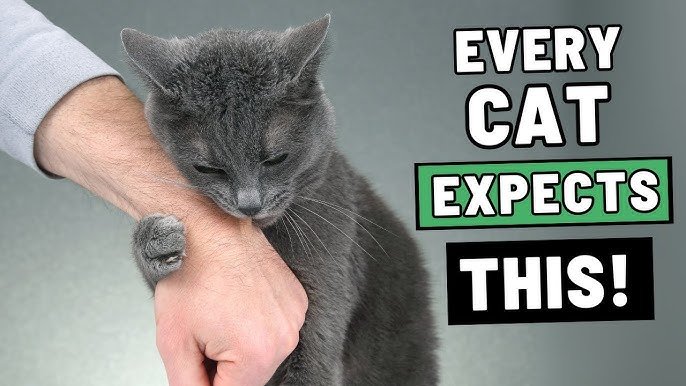
Have you ever wondered if you can actually train your cat? You might think cats are too stubborn or independent to learn tricks or follow commands.
But what if you could teach your feline friend to come when called, use the litter box perfectly, or even perform simple tricks? Training your cat isn’t just possible—it can strengthen your bond and make life at home more enjoyable for both of you.
Keep reading, and you’ll discover how easy and rewarding cat training can be.

Credit: www.rd.com
Why Train Cats
Training cats might seem unusual to some, but it offers many advantages. It helps cats live happier and healthier lives. Training also builds trust and improves communication between cats and their owners. Understanding why training matters can change how you see your feline friend.
Benefits For Cats
- Improves mental stimulation and keeps cats active
- Reduces stress by providing clear expectations
- Encourages good behavior and discourages bad habits
- Enhances safety by teaching cats to respond to commands
- Strengthens the bond with their owner through positive interactions
Benefits For Owners
- Makes living with cats easier and more enjoyable
- Helps manage unwanted behaviors, such as scratching or jumping
- Allows for better control in potentially dangerous situations
- Creates a deeper connection and mutual understanding
- Offers a fun and rewarding experience through shared activities
Common Misconceptions
Many people believe cats cannot be trained, but this is far from true. Misunderstandings about feline behavior often lead to this misconception. Let’s break down some common myths and see what really happens when you try to train a cat.
Cats Vs Dogs
People often compare cats to dogs and expect similar training results. Dogs are naturally eager to please and respond well to commands, while cats are more independent by nature.
This doesn’t mean cats can’t learn tricks or commands—it just means their motivation and communication style differ. Have you noticed how your cat reacts when you call their name? They might come if something really interests them, like food or play.
Training Challenges
Training cats requires patience and understanding of their unique mindset. Unlike dogs, cats don’t respond well to punishment or harsh corrections.
Positive reinforcement, like treats and praise, works best. But remember, cats might take longer to learn because they weigh the benefit more carefully before responding.
Have you ever tried to teach your cat a new trick and wondered why they suddenly lose interest? That’s a typical challenge—cats decide when and how they want to engage.
Key Training Principles
Training your cat might seem like a challenge, but understanding the key principles can make a big difference. These principles focus on how cats learn and respond, helping you communicate what you want effectively. Let’s break down two essential concepts that will guide your training journey.
Positive Reinforcement
Positive reinforcement means rewarding your cat for good behavior rather than punishing mistakes. Cats respond well to treats, praise, or extra playtime when they do something right.
For example, if your cat uses the scratching post instead of the sofa, immediately give a treat or affection. This teaches your cat that good actions lead to pleasant outcomes, increasing the chances they’ll repeat them.
Have you noticed how your cat perks up when you open a treat bag? That’s the power of positive reinforcement at work—it taps into their natural motivation.
Consistency And Patience
Consistency is crucial because cats learn through repeated experiences. If you only sometimes reward or correct behavior, your cat will get confused.
Patience is just as important. Training takes time, especially with cats, who are naturally independent. You might need weeks or even months for a new habit to stick.
Think about your own learning—would you expect to master something new overnight? Giving your cat steady guidance and time helps build trust and understanding.
Basic Commands To Teach
Training cats may seem tricky, but it is possible to teach them simple commands. Starting with basic commands helps build trust and communication. Cats respond well to positive reinforcement and patience. Keep training sessions short and consistent for better results. These basic commands improve your cat’s behavior and your bond.
Sit And Stay
Teaching a cat to sit and stay is useful for calm moments. Use a treat to guide your cat into a sitting position. Hold the treat above their head and say “sit.” When the cat sits, give the treat immediately. Repeat this several times in short sessions. To teach “stay,” ask your cat to sit first. Then say “stay” and step back slowly. Reward your cat if they hold the position for a few seconds. Gradually increase the time and distance.
Come When Called
Getting your cat to come when called is helpful for safety and convenience. Choose a simple call word, like your cat’s name or “here.” Use a happy tone to attract your cat’s attention. Show a treat or toy to encourage them to come. When the cat approaches, praise warmly and give the treat. Practice this in quiet places with few distractions. Make calling your cat a positive and fun experience.
Using The Litter Box
Teaching a cat to use the litter box is essential for a clean home. Place the litter box in a quiet, easy-to-find spot. Show your cat where it is after meals and naps. If your cat uses the box, offer gentle praise or a small treat. Keep the litter box clean by scooping daily. Avoid moving the box often to prevent confusion. Consistency helps the cat learn this important habit quickly.
Advanced Tricks
Training your cat beyond basic commands can be a rewarding challenge. Advanced tricks not only stimulate your cat’s mind but also deepen your bond. These tricks require patience and consistency, but the payoff is immense when your cat starts showing off these skills.
Fetch And Retrieve
Teaching a cat to fetch might sound like a dog’s trick, but cats can learn it too. Start with a favorite small toy and toss it a short distance. Reward your cat with treats or affection when they bring it back.
Repeat this often, and gradually increase the distance. You might be surprised how much some cats enjoy this game. Have you noticed how much your cat loves chasing small moving objects? Use that energy to your advantage.
Agility Training
Agility courses aren’t just for dogs. You can set up simple obstacle courses using household items like boxes and tunnels. Guide your cat through these obstacles using treats or toys.
This type of training improves your cat’s coordination and confidence. It also helps reduce boredom and destructive behavior. Ever thought about turning your living room into a mini playground? Your cat will appreciate the mental and physical exercise.
Using A Clicker
A clicker is a small device that makes a consistent sound to mark desired behaviors. It helps your cat understand exactly when they’ve done something right. Start by associating the click sound with a treat.
Once your cat recognizes the click means a reward is coming, use it to shape complex behaviors step-by-step. This method makes training clearer and often faster. Have you tried using clear signals like this in your training routine? It can make a big difference.
Tools And Techniques
Training cats might seem tricky, but having the right tools and techniques can make a huge difference. Cats respond best to positive reinforcement and consistency. Understanding which tools to use and how to apply them can turn training sessions into enjoyable bonding moments for both you and your feline friend.
Treats And Rewards
Treats are one of the most effective ways to encourage good behavior in cats. Use small, tasty snacks your cat loves to reward them immediately after they perform a desired action.
Timing is crucial. Give the treat right after the behavior so your cat connects the reward to their action. You might find that some cats prefer play or affection as rewards, so pay attention to what motivates your cat most.
Clicker Training
Clicker training uses a distinct sound to mark the exact moment your cat does something right. This helps your cat understand what behavior earned the reward without confusion.
Start by clicking and giving a treat to build a positive association. Then, use the clicker during training sessions to reinforce commands or tricks. Many cat owners notice faster learning with this clear communication tool.
Creating A Training Space
Choose a quiet, comfortable area free from distractions for training sessions. Consistency in location helps your cat focus and feel secure while learning new behaviors.
Keep training sessions short—about 5 to 10 minutes—to match your cat’s attention span. Setting up a designated spot with familiar toys and treats can make your cat more eager to participate.
Handling Training Challenges
Training cats can be rewarding but also tricky. Cats have unique personalities and moods. Challenges may arise during training sessions. Handling these issues carefully improves the learning process. Patience and understanding are key.
Dealing With Distractions
Cats get distracted easily by sounds and movements. Choose a quiet room for training sessions. Remove toys and other items that may grab their attention. Keep sessions short to maintain focus. Reward your cat quickly to link behavior with treats.
Motivating A Stubborn Cat
Some cats resist training more than others. Find what your cat loves, like a special treat or toy. Use positive reinforcement to encourage good behavior. Avoid punishments—they cause fear and confusion. Break tasks into small, easy steps to build confidence.
Avoiding Stress
Stress harms a cat’s willingness to learn. Watch for signs like hiding or growling. Stop training if your cat seems upset. Create a calm environment with soft lighting and gentle voices. Celebrate small wins to keep training fun and relaxing.

Credit: www.outdoorbengal.com
Success Stories
Training cats might seem tricky, but many owners prove it is possible. Success stories inspire and show what cats can learn. These examples help understand how patience and consistency pay off. Cats can learn tricks, obey commands, and even help at home.
Famous Trained Cats
Some cats gained fame for their unique skills. These cats show training works beyond the usual pet tricks.
- Maru, a Japanese cat, is known for jumping into boxes on command.
- Colonel Meow mastered sitting still for long photo sessions.
- Didga, an Australian cat, performs skateboarding tricks in videos.
These cats prove training can be fun and impressive.
Everyday Training Wins
Training cats doesn’t require fame or special talents. Many pet owners teach simple commands successfully.
- Using treats to get cats to sit or come when called.
- Teaching cats to use scratching posts instead of furniture.
- Training cats to stay off counters or tables.
Small steps build trust and improve cat behavior. Regular practice creates better habits for both cat and owner.

Credit: www.youtube.com
Frequently Asked Questions
Can Cats Learn Tricks Like Dogs?
Yes, cats can learn tricks using positive reinforcement. They respond well to treats and consistent training sessions. Patience and short sessions help improve their learning ability.
How Long Does It Take To Train A Cat?
Training duration varies by cat’s personality and consistency. Most cats show progress within weeks with regular sessions and rewards.
What Is The Best Method To Train Cats?
Positive reinforcement with treats and praise works best. Avoid punishment as it can cause fear and reduce trust.
Can All Cats Be Trained Effectively?
Most cats can be trained, but motivation and patience differ. Some cats learn quickly, while others need more time.
Conclusion
Cats can learn tricks and good habits with patience and care. Training helps build trust and makes life easier. Small steps work best for cats to understand commands. Each cat learns at its own pace, so stay calm and kind.
Remember, training is about fun and bonding, not just rules. Keep sessions short and reward your cat often. With time, you can enjoy a happier, well-behaved feline friend. Training cats is possible and worth the effort.
