


Are you ready to take your skills to the next level and boost your career? Learning how to operate a CAT machine safely and efficiently can open doors to exciting job opportunities.
But before you step into the driver’s seat, proper training is essential. You’ll discover everything you need to know about Cat Operator Training—how it works, why it matters, and how it can make you a confident, skilled operator. Keep reading to find out how this training can transform your future.

Credit: www.carteru.com
Cat Operator Basics
Understanding the basics of Cat operator training is essential before you climb into the seat of any heavy machinery. Knowing what types of equipment you’ll be working with and the skills you need will set you up for success and safety. Let’s break down these fundamentals so you can build confidence and competence from day one.
Types Of Cat Machinery
Caterpillar offers a wide range of machines designed for various tasks. You might work with:
- Excavators– Great for digging and lifting heavy materials.
- Bulldozers– Ideal for pushing large amounts of soil or rubble.
- Wheel Loaders– Used for moving materials quickly and efficiently.
- Backhoe Loaders– Versatile machines combining digging and loading functions.
Each machine has unique controls and purposes. Have you thought about which type fits your project best? Hands-on experience with different models sharpens your adaptability and skill.
Essential Operator Skills
Operating Cat machinery isn’t just about pushing buttons. You need strong hand-eye coordination and the ability to read the terrain carefully.
- Precision Control:Smooth movements prevent damage and increase efficiency.
- Safety Awareness:Constant vigilance protects you and those around the site.
- Machine Maintenance:Basic knowledge helps you spot issues early and keep equipment running.
Think about your last time using heavy equipment—did you notice small adjustments making a big difference? Mastering these skills reduces downtime and improves your reputation as a reliable operator.
Credit: www.cat.com
Safety Protocols
Safety protocols form the foundation of Cat Operator Training. They protect operators and others on site. Following safety rules reduces accidents and injuries. Operators learn essential steps to handle equipment safely and respond to hazards.
Personal Protective Equipment
Wearing the right gear is vital. Operators must wear hard hats, safety glasses, and steel-toed boots. High-visibility vests help others see the operator. Gloves protect hands from cuts and scrapes. Hearing protection guards against loud noises. Proper PPE prevents many common injuries.
Site Safety Guidelines
Operators must know the site layout before work begins. Clear communication with coworkers is crucial. Signs and barriers mark danger zones. Keeping the area clean avoids slips and falls. Operators should never bypass safety controls. Regular inspections keep equipment safe and ready.
Emergency Procedures
Knowing what to do in an emergency saves lives. Operators learn how to stop machines quickly. First aid kits must be nearby and stocked. Clear evacuation routes should be practiced often. Reporting accidents immediately helps prevent further harm. Training includes dealing with fires, spills, and injuries.
Machine Controls
Understanding the machine controls is essential for anyone training to operate a Cat excavator efficiently and safely. These controls are your direct link to the machine’s power and precision, allowing you to perform tasks with confidence. Mastering them ensures smoother operation and helps avoid costly mistakes on the job site.
Control Panel Functions
The control panel is like the command center of your Cat machine. It displays vital information such as fuel levels, engine temperature, and system warnings. Knowing how to read and respond to these indicators quickly can prevent downtime and expensive repairs.
Many operators overlook the importance of familiarizing themselves with every button and switch on the panel. For instance, some control panels have customizable settings that let you adjust machine behavior to suit the task at hand. Have you explored all your machine’s control panel features yet?
Operating Levers And Pedals
Levers and pedals are what you use to move the boom, arm, and bucket, as well as to rotate the cab and move the machine itself. Smooth, coordinated movements come from understanding the sensitivity and range of these controls.
During my first few hours of training, I realized that controlling the throttle pedal with precision made a huge difference in maintaining steady power. You should practice slow, deliberate actions before trying faster maneuvers. How confident are you in your hand-and-foot coordination with these controls?
Instrument Monitoring
Keeping an eye on your instruments throughout operation is crucial for spotting issues early. Gauges and warning lights alert you to changes in oil pressure, hydraulic temperature, and battery voltage.
Ignoring these signals can lead to machine failure or safety hazards. Make it a habit to glance at your instruments regularly, not just when you suspect a problem. What steps do you take to ensure your machine stays in top condition while working?
Operating Techniques
Operating a Cat machine requires skill and attention. Proper techniques ensure safety and efficiency on site. Training focuses on mastering control, balance, and precision. Understanding the machine’s response helps avoid accidents and damage.
Starting And Stopping
Begin with a clear area around the machine. Check all controls before starting the engine. Always start the Cat in neutral gear. Gradually increase throttle to avoid sudden movements. When stopping, lower attachments to the ground. Shift to neutral and apply the parking brake. Turn off the engine only after full stop.
Maneuvering And Positioning
Operate the Cat smoothly to maintain balance. Use slow, steady movements for tight spaces. Plan your path before moving to avoid obstacles. Adjust speed based on ground conditions. Position the machine for optimal reach and load control. Use mirrors and signals to stay aware of surroundings. Practice makes precise positioning easier and safer.
Load Handling
Always assess the load weight before lifting. Keep the load close to the machine’s body for stability. Lift the load slowly and steadily to prevent tipping. Avoid sudden turns or stops with a raised load. Use the correct attachments for different load types. Lower the load carefully to the desired spot. Regular checks of load limits help maintain safety and machine health.
Maintenance Basics
Proper maintenance is key to safe and efficient operation of cat machinery. Understanding basic upkeep helps prevent breakdowns and extends machine life. This section covers essential maintenance tasks for cat operators.
Daily Inspection
Start each day with a thorough machine check. Look for leaks, cracks, and loose parts. Check fluid levels such as oil, coolant, and hydraulic fluids. Inspect tires or tracks for damage. Test lights and alarms to ensure they work. Catching small issues early avoids costly repairs.
Routine Servicing
Follow the manufacturer’s service schedule strictly. Change oil and filters at recommended intervals. Grease all moving parts to reduce wear. Replace worn-out components like belts and hoses. Clean air filters to keep the engine running smoothly. Keep records of all service activities for future reference.
Troubleshooting
Recognize common problems quickly to reduce downtime. Listen for unusual sounds during operation. Monitor warning lights and gauges closely. Address overheating or loss of power immediately. Use diagnostic tools if available to pinpoint issues. Regular training improves ability to solve problems on site.
Advanced Skills
Mastering advanced skills in Cat operator training elevates your ability to handle complex tasks with confidence and precision. These skills push you beyond basic controls, helping you tackle challenging environments and increase productivity. Let’s focus on key areas that sharpen your expertise and make your work smoother and safer.
Precision Operation
Precision is more than just careful movement; it’s about controlling your machine with finesse. Learning to position the bucket or blade exactly where you want can save time and materials. For example, when working near delicate structures, small adjustments prevent damage and reduce costly repairs.
Practice slow and steady movements while watching the machine’s response closely. Can you feel the difference between a slight touch and a firm push? Developing this sensitivity helps you work in tight spaces without second-guessing.
Working On Slopes And Rough Terrain
Operating on uneven ground tests your balance and judgment. You must understand how the Cat machine behaves on slopes and rough surfaces to avoid tipping or getting stuck. Always assess the angle and firmness of the ground before starting work.
Use your controls to keep the machine stable, like adjusting the blade angle downhill for better grip. Have you ever noticed how a small shift in weight affects your machine’s movement? Recognizing these subtle changes prevents accidents and keeps your project on track.
Efficiency Tips
Efficiency saves you hours on the job. Simple habits like planning your route and minimizing unnecessary movements reduce fuel use and wear on your machine. For example, grouping similar tasks together cuts down on repositioning time.
Keep your equipment well-maintained to avoid unexpected breakdowns. Do you track your daily machine performance? Regular checks and small fixes can boost productivity and extend the life of your Cat.
Certification Process
The certification process for Cat Operator Training ensures operators are skilled and safe. It involves structured learning, skill testing, and ongoing renewal. Each step helps confirm the operator can handle the machinery correctly. This process protects both the operator and the worksite.
Training Programs
Training programs combine classroom lessons and hands-on practice. They cover machine controls, safety rules, and maintenance basics. Programs often include:
- Operating techniques for different Cat machines
- Hazard awareness and site safety
- Basic troubleshooting and machine care
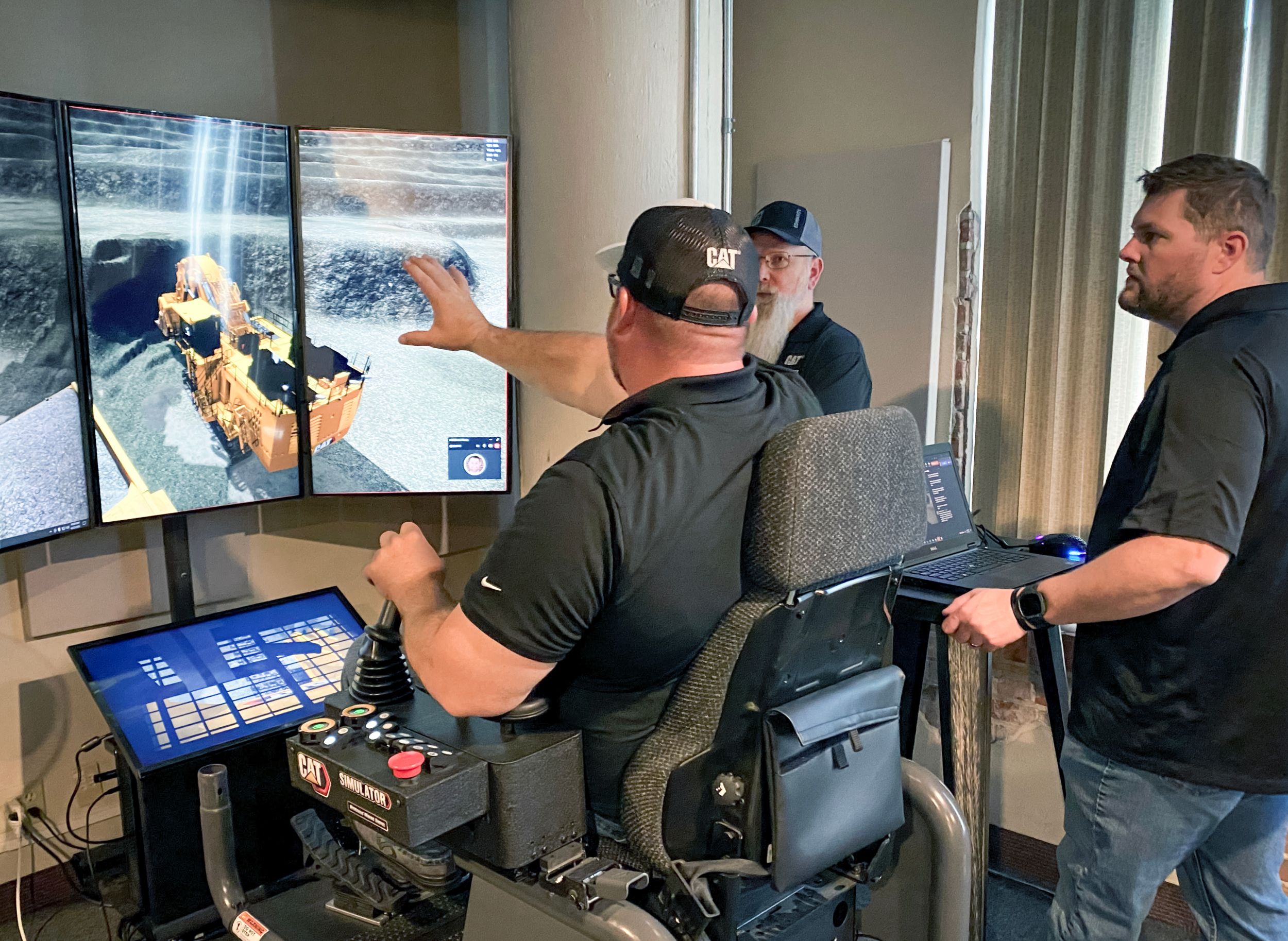
Trainers use real machines or simulators to build confidence and skill. Training length varies but focuses on clear, simple instructions.
Testing And Evaluation
Testing measures knowledge and practical skills. It includes written exams and hands-on performance checks. Evaluators watch for:
- Proper machine operation
- Following safety procedures
- Handling unexpected problems
Passing both parts is necessary to earn certification. Tests are designed to be fair and clear.
Recertification Requirements
Recertification keeps skills sharp and up to date. Operators must renew their certification every few years. The process often includes:
- Refresher courses on safety and operation
- Skills reassessment or testing
- Proof of ongoing work experience
Recertification helps maintain high safety standards on job sites.

Credit: www.cat.com
Frequently Asked Questions
What Is Cat Operator Training?
Cat operator training teaches individuals to safely and efficiently operate Caterpillar machinery. It covers equipment handling, safety protocols, and maintenance basics.
Why Is Cat Operator Training Important?
Training ensures operators reduce accidents, improve productivity, and extend machine lifespan. It also helps meet industry safety standards and legal requirements.
How Long Does Cat Operator Training Take?
Training duration varies but typically lasts from a few days to several weeks. It depends on the course type and operator experience.
What Skills Are Learned In Cat Operator Training?
Operators learn equipment controls, safety procedures, load handling, basic maintenance, and troubleshooting. These skills improve job performance and workplace safety.
Conclusion
Cat operator training builds strong skills for safe machine use. It teaches how to handle equipment correctly and avoid accidents. Good training helps workers feel confident and ready for their tasks. Regular practice keeps skills sharp and improves job performance.
Choosing proper training means better safety on the worksite every day. This makes the work environment safer for everyone involved. Taking the time to learn well pays off in the long run. Safe and skilled operators help projects finish on time and within budget.
Training is an important step for anyone using heavy machinery.
