

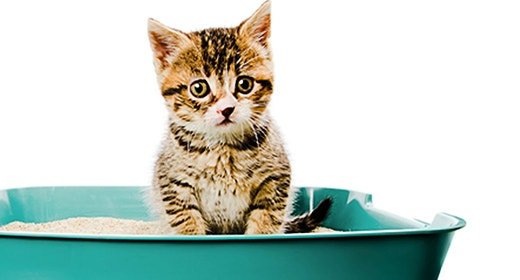
If you’ve just brought a new cat home or want to improve your furry friend’s habits, litter training is key. You might wonder how to make this process easy and stress-free for both you and your cat.
The good news? With the right steps, your cat can learn quickly and naturally. Imagine a clean home, no surprises, and a happy cat using the litter box every time. Keep reading, and you’ll discover simple, proven tips to get your cat litter trained without frustration.
Your journey to a tidy, comfortable home starts here.
Choosing The Right Litter Box
Choosing the right litter box is a crucial step in litter training your cat. It affects your cat’s comfort and willingness to use the box consistently. Picking the wrong type can lead to accidents and frustration for both of you.
Size And Shape Matters
Your cat needs enough space to turn around and dig comfortably. A box that is too small may discourage use or cause spills outside the box.
Consider your cat’s size and age. For a kitten, a smaller, low-sided box makes access easier, while adult cats often prefer larger, deeper boxes.
Think about your cat’s habits too. If your cat likes to scratch or dig vigorously, a bigger box helps contain the litter better.
Open Vs Covered Boxes
Open boxes offer easy access and better ventilation, which many cats prefer. You can see if the box is clean at a glance, making maintenance simpler.
Covered boxes provide privacy and can reduce odor spread in your home. However, some cats feel trapped or uncomfortable inside covered boxes, leading to avoidance.
Try observing your cat’s behavior. Does your cat enjoy privacy or prefer open spaces? Testing both types can reveal their preference.
Material And Durability
Most litter boxes are made of plastic, which is lightweight and easy to clean. Look for sturdy plastic that won’t crack or absorb odors over time.
Some cats scratch aggressively, which can wear down cheaper materials quickly. Investing in a durable box saves money and hassle in the long run.
Also, consider ease of cleaning. Boxes with smooth surfaces and rounded corners prevent litter buildup and bacteria growth, keeping your cat healthier.
Selecting The Best Litter
Choosing the right litter is key for successful cat litter training. Cats have different preferences and sensitivities. Picking the best litter helps keep your cat happy and your home clean. Consider factors like texture, smell, and ease of cleaning. The right litter encourages your cat to use the box consistently. Here are important points to consider when selecting cat litter.
Types Of Cat Litter
Cat litter comes in many types. Clay-based litter is common and absorbs moisture well. Silica gel litter traps odor and dries waste fast. Natural litters use materials like corn, wheat, or pine. These are biodegradable and eco-friendly. Each type has pros and cons. Observe your cat’s reaction to find the best fit.
Scented Vs Unscented
Scented litter masks odors with added fragrances. Some cats dislike strong smells and avoid the box. Unscented litter has no added fragrance and is better for sensitive noses. It relies on absorption to control odor. Choosing unscented litter often results in higher cat acceptance. Smell can make or break your cat’s litter box habit.
Clumping Benefits
Clumping litter forms solid clumps when wet. This makes cleaning easier and faster. You can scoop out clumps daily, keeping the box fresh. Non-clumping litter needs full changing more often. Clumping litter helps control odor better. Most cats prefer clumping litter for its cleanliness. It reduces waste and keeps the area tidy.
Setting Up The Litter Area
Setting up the litter area is a crucial step in training your cat to use the litter box consistently. The right environment encourages your cat to feel comfortable and confident about where to go. Thoughtful placement can prevent accidents and make your home cleaner and happier for both of you.
Quiet And Accessible Location
Choose a spot where your cat can have privacy without feeling trapped. A quiet corner or a small room works well because loud noises can scare your cat away from the box. At the same time, make sure the area is easy for your cat to reach at any time of day.
I once placed a litter box near a noisy washing machine, and my cat avoided it for days. Moving it to a peaceful hallway solved the problem instantly. Have you noticed your cat avoiding certain spots? Noise might be the culprit.
Avoiding High-traffic Spots
Placing the litter box in busy areas like near the front door or the kitchen can stress your cat. Constant activity makes it hard for them to relax and do their business. Instead, pick a low-traffic area where your cat won’t be disturbed.
Think about your home’s layout. Is there a quiet hallway or a guest bathroom that rarely gets used? These places often make perfect litter spots. How often do you walk past the litter box area? Too much foot traffic could be the reason your cat hesitates.
Multiple Boxes For Multiple Cats
If you have more than one cat, provide multiple litter boxes—ideally one per cat plus one extra. Cats can be territorial and prefer their own space for elimination. Sharing a single box can lead to conflicts and accidents outside the box.
- Place boxes in different locations to avoid competition.
- Keep each box clean to encourage use.
- Observe your cats’ behavior to adjust placement if needed.
In my experience, adding a second box in a separate room stopped litter box fights immediately. Have you noticed your cats avoiding the box when others are nearby? Giving them choices can reduce stress and improve training results.
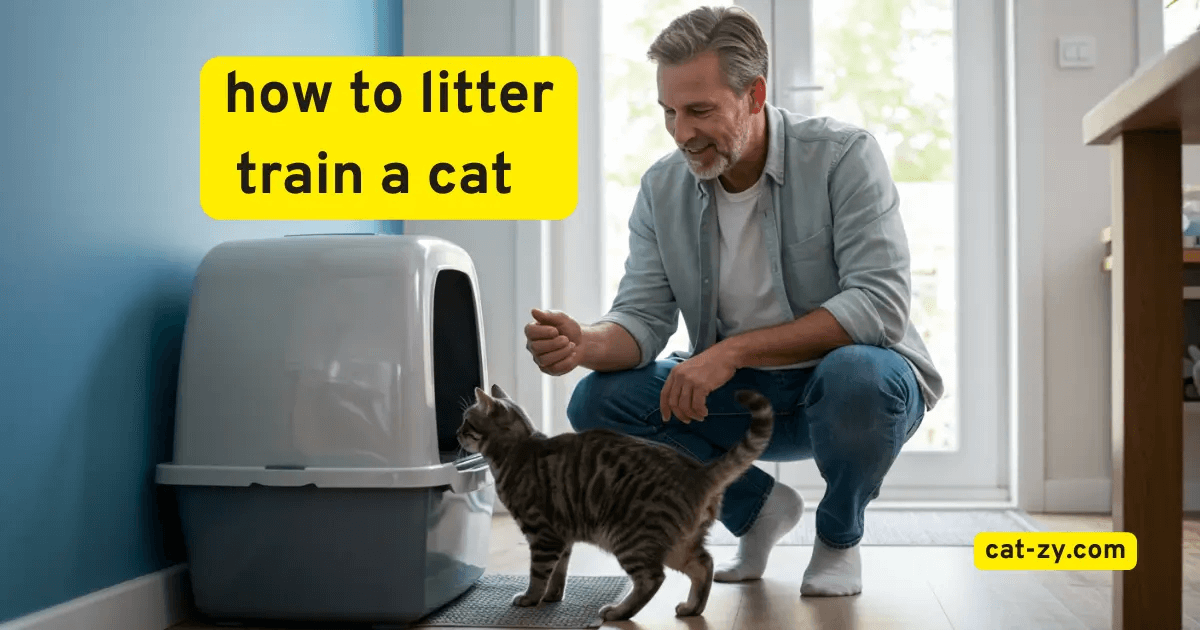
Credit: medium.com
Introducing Your Cat To The Litter Box
Introducing your cat to the litter box is the first step in successful litter training. It helps your cat understand where to go when nature calls. Patience and gentle guidance create a positive experience for your cat. This process builds good habits and reduces accidents around the home.
Initial Placement Techniques
Place the litter box in a quiet, low-traffic area of your home. Avoid noisy or busy spots that may scare your cat. The litter box should be easy to access at all times. Keep it away from your cat’s food and water bowls. A stable, flat surface helps prevent spills and messes.
Encouraging Exploration
Allow your cat to explore the litter box on their own. Gently place them inside the box a few times each day. Let them sniff and paw at the litter to get familiar. Avoid forcing your cat inside the box. Keep the environment calm and stress-free.
Using Positive Reinforcement
Praise your cat with soft words or gentle petting after using the box. Offer small treats as a reward to encourage good behavior. Avoid punishment or scolding for accidents. Positive reinforcement helps your cat build trust and repeat desired actions.
Establishing A Routine
Establishing a routine is key when litter training your cat. Cats thrive on predictability, so setting up a consistent daily pattern helps them understand where and when to use the litter box. This routine builds trust and reduces accidents, making the training process smoother for both of you.
Consistent Feeding Schedule
Feed your cat at the same times each day. This regularity helps regulate their digestion and bathroom habits. You’ll notice your cat is more likely to use the litter box shortly after eating, which creates natural opportunities for training.
Try to avoid free feeding. Instead, give measured meals at set times. This also gives you better control over their diet and health.
Regular Litter Box Cleaning
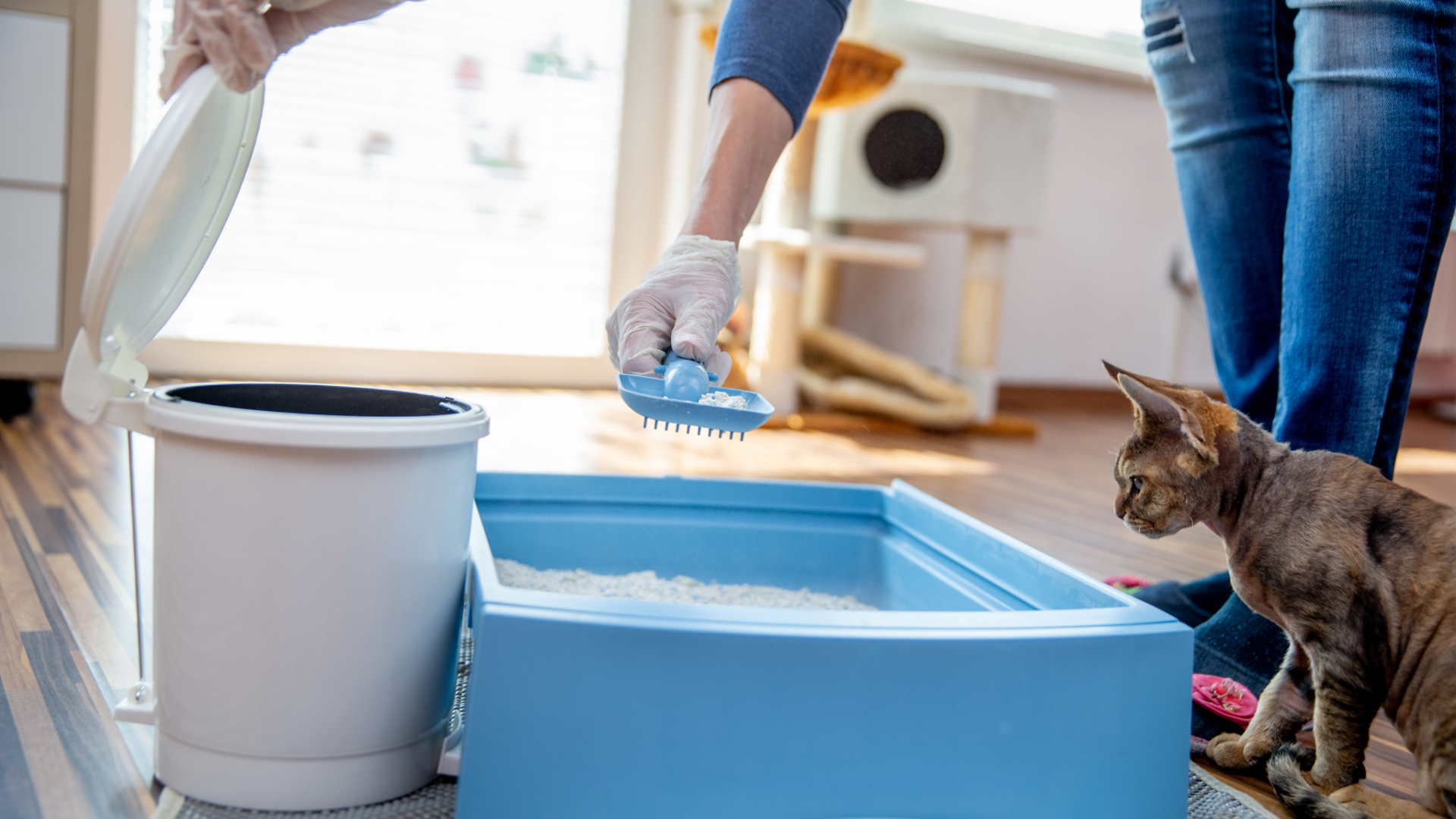
Keep the litter box clean by scooping waste daily. Cats are very particular about cleanliness and may avoid a dirty box. A fresh litter box encourages your cat to use it consistently.
Change the litter completely once a week and wash the box with mild soap. Avoid strong-smelling cleaners that can deter your cat. A clean, odor-free space invites your cat to go where you want them to.
Monitoring Behavior Changes
Watch for any changes in your cat’s bathroom habits or behavior. If your cat suddenly stops using the litter box, it could signal stress or health issues. Early detection helps you address problems before they become habits.
Note where your cat tends to go if they miss the box. Sometimes relocating the litter box or adding another one can solve the problem. Are you paying close attention to these small cues?
Credit: www.petsradar.com
Handling Common Challenges
Litter training a cat can come with unexpected hurdles that test your patience and problem-solving skills. Challenges like litter avoidance, accidents outside the box, and stress-related behaviors often pop up. Tackling these issues head-on helps your cat feel comfortable and confident, turning litter training into a smoother experience for both of you.
Dealing With Avoidance
Your cat might suddenly refuse to use the litter box. This can happen if the box is dirty, the litter type is unfamiliar, or the location feels unsafe to them.
Try changing the litter to a softer or unscented variety. Place the box in a quiet, low-traffic area where your cat can have privacy.
Have you noticed your cat reacting negatively after you’ve cleaned the box? Sometimes, strong cleaning smells can deter them. Use mild, unscented cleaners instead.
Addressing Accidents
Accidents outside the litter box can be frustrating, but they’re often a sign of a deeper issue. It might be a medical problem, a dirty box, or a stressful environment.
Clean accidents thoroughly to remove odors that attract your cat back to the same spot. Use enzymatic cleaners for best results.
Consider adding extra litter boxes if you have multiple cats or a large home. Sometimes, your cat just needs more options.
Managing Stress And Anxiety
Stress can cause your cat to avoid the litter box entirely. Changes like moving, new pets, or loud noises can trigger this behavior.
Creating a calm environment helps. Provide hiding spots, playtime, and consistent routines to reduce anxiety.
Have you tried pheromone diffusers? They release calming scents that many cats respond well to. Small changes can make a big difference in how your cat feels about their space.
Training Tips For Kittens Vs Adults
Training kittens and adult cats to use a litter box requires different approaches. Kittens are still learning and adapting quickly. Adult cats might have habits that need changing. Understanding these differences helps in effective training.
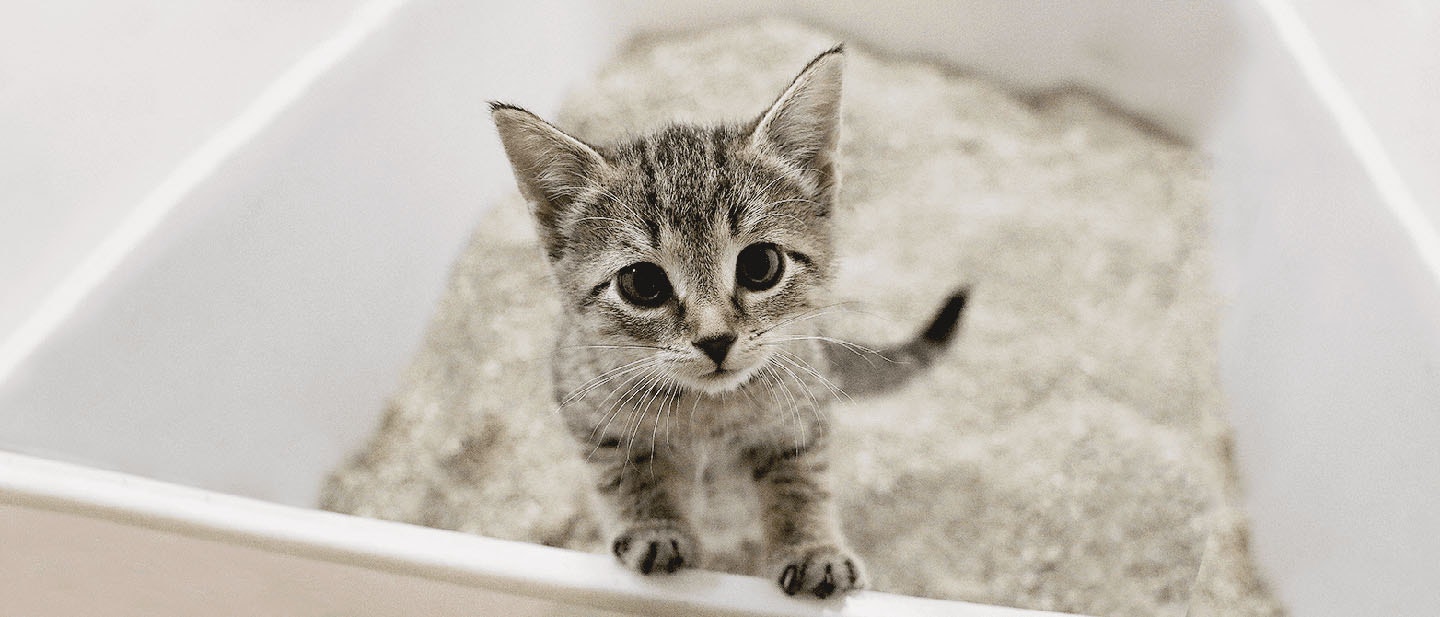
Kitten-specific Techniques
- Place the litter box in a quiet, easy-to-find spot.
- Show kittens the box after meals and naps.
- Use a shallow box to help easy access.
- Choose soft, unscented litter to avoid discomfort.
- Clean the box frequently to keep it inviting.
Adult Cat Training Strategies
- Identify any previous litter habits or issues.
- Use a box similar to what they used before.
- Keep the box in the same place to avoid confusion.
- Address any medical problems that affect bathroom habits.
- Use calming sprays or pheromones if stress is a factor.
Patience And Persistence
Consistency is key for both kittens and adults. Repeat training steps regularly without rushing. Reward positive behavior with gentle praise or treats. Avoid punishment; it can cause fear and setbacks. Expect accidents and clean them calmly to discourage repeats.
When To Seek Professional Help
Sometimes, despite your best efforts, litter training your cat may hit a roadblock. Knowing when to seek professional help can save both you and your feline friend from frustration. It’s important to spot signs that go beyond simple training issues and could indicate deeper problems.
Recognizing Medical Issues
If your cat suddenly stops using the litter box or has accidents frequently, health problems might be the cause. Conditions like urinary tract infections, kidney disease, or arthritis can make it painful or difficult for your cat to use the box. Pay attention to symptoms such as straining, blood in urine, or excessive licking of the genital area.
Ignoring these signs can worsen your cat’s health and behavior. Have you noticed your cat avoiding the litter box only to use other spots in the house? That’s a red flag to get a vet involved immediately.
Consulting A Veterinarian
A veterinarian can perform tests to rule out or confirm medical causes for litter box issues. They can also offer advice on managing pain or discomfort that might be preventing your cat from using the litter box properly. Sometimes, a simple treatment plan can fix what seems like a complex behavioral problem.
Booking a vet visit early on can save you time and stress. Your cat’s health and comfort are closely linked to their litter habits, so don’t delay if you notice unusual behavior.
Behavioral Specialist Options
If medical problems are ruled out, the next step might be consulting a cat behavior specialist. These experts can identify triggers such as stress, anxiety, or environmental factors that impact litter box use. They often suggest changes in litter type, box placement, or daily routines to help your cat feel more secure.
Have you changed your home environment recently? Sometimes even small shifts can confuse your cat. A behavioral specialist can guide you through targeted strategies that work when regular training methods fail.
Credit: www.whiskas.com.ph
Frequently Asked Questions
How Long Does It Take To Litter Train A Cat?
Litter training typically takes 1 to 2 weeks. Consistency and patience speed up the process. Each cat learns at its own pace.
What Type Of Litter Is Best For Training Cats?
Unscented, clumping litter is ideal for training. It mimics natural soil and controls odor. Avoid strong fragrances that can deter cats.
How Do I Encourage My Cat To Use The Litter Box?
Place the cat in the box after meals and naps. Keep the box clean and in a quiet area. Reward with treats and praise for using it.
Can Kittens Be Litter Trained Differently Than Adult Cats?
Kittens learn faster but need frequent reminders. Use smaller, shallow boxes for easy access. Monitor closely and clean accidents promptly.
Conclusion
Litter training your cat takes time and patience. Keep the litter box clean and in a quiet spot. Praise your cat when it uses the box correctly. Watch for signs if your cat is unhappy with the box. Consistency helps your cat learn faster.
Soon, your cat will use the litter box without problems. Enjoy a clean home and a happy pet. Small steps lead to great results. Stay calm and keep trying. Your effort will pay off.
