

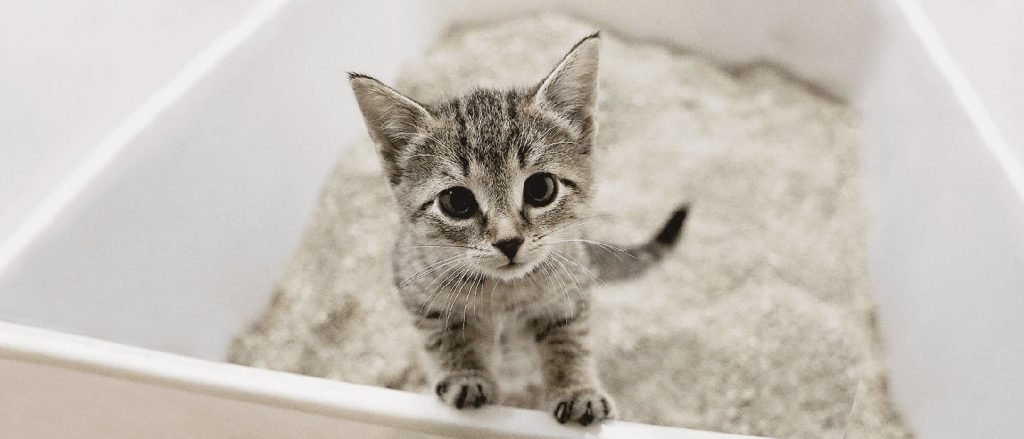
Bringing a stray cat into your home can be a rewarding experience, but teaching it to use the litter box can feel challenging. You might wonder if it’s even possible to litter train a cat that’s never had a home before.
The good news is, with the right approach, you can help your new furry friend feel comfortable and clean. You’ll discover simple, effective steps to turn your stray cat into a litter box pro. Keep reading to find out how you can make this transition smooth for both you and your cat.
Choosing The Right Litter Box
Choosing the right litter box plays a big role in training a stray cat. The right box makes the cat feel safe and comfortable. This helps the cat learn faster and use the box regularly.
Consider the cat’s size and habits. A good box fits the cat’s needs well. It should be easy for the cat to enter and exit. Small or shy cats need extra care in box choice.
Size And Accessibility
Select a litter box large enough for the cat to move freely. A cramped box can scare or frustrate a cat. For shy or older cats, low sides help them get in easily. Make sure the box is not too high or difficult to enter.
Types Of Litter Boxes
- Open boxes offer easy access and are less scary for new cats.
- Covered boxes give privacy but may trap smells, which some cats dislike.
- Self-cleaning boxes reduce maintenance but can be noisy and stress some cats.
Try a simple open box first. Observe how the cat reacts before changing types.
Placement Tips
- Put the box in a quiet, low-traffic area.
- Avoid placing it near food or water bowls.
- Keep the box on a stable, flat surface.
- Ensure the location is easy for the cat to reach at all times.
Good placement encourages the cat to use the box without fear or stress.

Credit: smart.dhgate.com
Selecting The Best Litter
Choosing the right litter is key to helping a stray cat learn to use the litter box. The litter must feel comfortable and safe for the cat. It should control odor and be easy to clean. This helps the cat trust the box and use it regularly. Different types of litter offer unique benefits. Understanding these can guide your choice for better training results.
Clumping Vs Non-clumping
Clumping litter forms solid clumps when wet. This makes cleaning easier and keeps the box fresh. Cats often prefer clumping litter because it feels softer. Non-clumping litter absorbs moisture but stays loose. It may need changing more often. Some cats like the texture of non-clumping litter better. Testing both types can show what your stray cat prefers.
Scented Or Unscented
Scented litter masks smells with added fragrances. Some cats dislike strong scents and avoid the box. Unscented litter has no added smell, which feels more natural. Stray cats may prefer unscented because they are sensitive to odors. Choosing unscented litter reduces the risk of the cat rejecting the box.
Natural Options
Natural litters use materials like wood, corn, or paper. They are biodegradable and eco-friendly. These litters are often dust-free and gentle on paws. Some natural litters clump, while others do not. They may have fewer chemicals, which suits sensitive cats. Natural options can be a healthy choice for stray cats adjusting to indoor life.
Preparing The Cat
Getting a stray cat ready for litter training takes patience and understanding. Before introducing the litter box, you need to focus on making the cat feel comfortable and safe around you. This preparation can make a huge difference in how quickly the cat learns and trusts you.
Building Trust
Stray cats often come with a history of fear or mistrust. Start by spending quiet time near the cat without forcing interaction. Sit calmly and let the cat approach you at its own pace.
Offer treats or soft food by hand to create positive associations. Speak softly and avoid sudden movements. Remember, trust builds slowly—sometimes over days or even weeks.
Have you noticed how your own body language affects a cat’s willingness to come closer? Try to stay relaxed and patient; cats are excellent at sensing tension.
Safe Space Setup
Create a small, quiet area where the cat can feel secure. Use a cozy bed or a box with soft blankets inside. Keep food, water, and the litter box close but not crowded together.
Make sure the space is away from loud noises or heavy foot traffic. A calm environment helps the cat focus on learning new behaviors without stress.
- Use low-sided litter boxes at first to make entry easier
- Choose unscented, clumping litter to avoid overwhelming the cat’s sensitive nose
- Keep the area clean and tidy to encourage use
Think about how you feel when entering a new place—wouldn’t you prefer a quiet spot to get used to it? Your stray cat feels the same way. Setting up a safe space is your first step to success.
Introducing The Litter Box
Introducing a litter box to a stray cat requires patience and attention to detail. The goal is to make the litter box feel safe and natural for your new feline friend. How you place and encourage the use of the box can make all the difference in successful litter training.
Initial Placement
Choose a quiet, low-traffic area for the litter box. Cats prefer privacy when they relieve themselves, so avoid noisy or busy spots. A calm corner in a laundry room or bathroom often works well.
Keep the box away from your cat’s food and water dishes. Cats dislike eliminating near where they eat, and respecting this helps them accept the litter box faster.
Try placing the box at ground level where the cat first spends time. If the cat is outdoors, bring the litter box close to the entrance they use most often. This reduces confusion and encourages immediate use.
Encouraging Use
Show your cat the litter box by gently placing them inside after meals or naps. This helps them associate the box with natural bathroom times. Be patient if they don’t use it right away.
Use unscented, clumping litter to mimic the natural soil texture cats prefer. Avoid strong fragrances or liners that might deter your stray.
If your cat scratches around the area, praise them softly or offer treats to reinforce positive behavior. Does your cat seem unsure? Try gently digging a little in the litter to demonstrate what it’s for.
Watch your cat’s behavior closely for signs they need to go, like sniffing or circling, and guide them to the box. Consistency and calm encouragement build trust and make litter training smoother.
Training Techniques
Training a stray cat to use a litter box requires patience and the right techniques. Your approach can make a big difference in how quickly the cat learns and feels comfortable. Focusing on specific training techniques helps you guide your feline friend effectively while building trust along the way.
Positive Reinforcement
Rewarding good behavior encourages your cat to repeat it. Whenever your stray uses the litter box correctly, offer a treat or gentle praise. Cats respond well to positive signals, which helps them understand what you expect without feeling scared or pressured.
Try to catch your cat’s attention right after they finish using the box and immediately reward them. This creates a clear connection between the action and the reward. Have you noticed how your cat perks up when you bring out their favorite treat? Use that moment to reinforce good habits.
Consistent Routine
Stray cats often feel insecure in new environments, so keeping a steady routine is crucial. Set regular times for feeding and litter box cleaning to make the environment predictable. This routine helps your cat feel safe and more willing to learn the new habit.
Place the litter box in a quiet, accessible area and keep it there. Moving the box around confuses your cat and slows down training. Have you observed your cat’s preferred spots? Aligning the box location with those areas can speed up the training process.
Handling Accidents
Handling accidents is a natural part of litter training a stray cat. Patience and understanding help your cat learn faster. Cleaning up quickly and correctly stops bad smells and keeps your home fresh. This also prevents your cat from returning to the same spot to go again.
Cleaning Tips
Use an enzyme cleaner to remove urine odors completely. Avoid ammonia-based cleaners; they smell like urine to cats. Blot the area with paper towels first, then spray the cleaner. Let it sit for 10 to 15 minutes before wiping. Wash any fabrics separately in hot water. Clean the litter box often to encourage use.
Avoiding Punishment
Never punish your cat for accidents. Cats do not understand punishment and get scared. Scolding can make them hide or avoid the litter box. Stay calm and gently guide your cat back to the litter box. Reward good behavior with soft praise or treats. This builds trust and helps your cat learn faster.
Health Considerations
Health considerations play a crucial role when litter training a stray cat. Stray cats may carry hidden health issues that affect their ability or willingness to use a litter box. Paying close attention to their health helps you catch problems early and ensures their training experience is positive and stress-free.
Monitoring For Issues
Watch your cat’s behavior closely as they start using the litter box. Signs like frequent urination, straining, or avoiding the box can signal urinary tract infections or other health concerns. Keep an eye out for any changes in appetite or energy levels, as these can also hint at underlying problems.
It’s easy to miss subtle signs, especially if you’re new to cat care. Ask yourself: Is your cat comfortable, or do they seem hesitant around the litter box? Noticing these small details early can make a big difference in your cat’s wellbeing.
Vet Visits
Taking your stray cat to the vet should be a priority before starting litter training. A professional checkup can reveal infections, parasites, or other health issues that could interfere with training. Vaccinations and spaying or neutering also improve your cat’s overall health and behavior.
Regular vet visits during the training period help track your cat’s progress and address any emerging health concerns. Have you scheduled a vet appointment yet? It’s one of the best ways to set your cat up for success with litter training.

Credit: www.reddit.com
Long-term Maintenance
Maintaining a stray cat’s litter training over the long term requires consistent care and attention. It’s not just about teaching your cat once but about keeping the environment comfortable and inviting for them to continue using the litter box. Your commitment to this ongoing process will help your cat feel secure and prevent accidents.
Cleaning Schedule
Keeping the litter box clean is essential for your cat’s continued use. Scoop the litter daily to remove waste and odors that might discourage your cat from using the box. A completely fresh litter box once a week helps maintain hygiene and comfort.
Think about your own habits—would you want to use a dirty bathroom? Cats are the same. A clean litter box shows respect for your cat’s needs and encourages good behavior. You can try setting reminders on your phone to keep up with the routine.
Adapting As Needed
Observe your cat’s behavior closely. If they start avoiding the litter box, it might be a sign you need to change something. Maybe the litter type, box location, or even the box size needs adjustment.
Stray cats often have unique preferences, especially if they’ve experienced trauma. For example, a shy cat might prefer a covered box for privacy. Don’t hesitate to experiment gently with different setups to find what works best for your feline friend.
Have you noticed any patterns in your cat’s behavior around the litter box? Small changes can make a big difference in keeping your cat comfortable and trained for the long haul.

Credit: www.purina.com
Frequently Asked Questions
How Long Does It Take To Litter Train A Stray Cat?
Litter training a stray cat usually takes 1 to 2 weeks. Consistency and patience are essential during this period. Each cat learns at its own pace, so some may take longer. Regularly placing the cat in the litter box helps speed up training.
What Type Of Litter Is Best For Stray Cats?
Unscented, clumping litter is ideal for stray cats. It is gentle on their paws and easy to clean. Avoid scented or dusty litters, as they can irritate sensitive noses. Using the right litter encourages cats to use the box consistently.
How To Introduce A Stray Cat To A Litter Box?
Place the litter box in a quiet, accessible area. Gently guide the cat to the box after meals and naps. Avoid forcing the cat but reward it when it uses the box. Keep the litter box clean to encourage use.
Can Stray Cats Learn To Use A Covered Litter Box?
Stray cats can adapt to covered litter boxes with time. Initially, use an open box to avoid scaring the cat. Gradually introduce the cover once the cat is comfortable. Covered boxes help contain odors and litter scatter.
Conclusion
Training a stray cat to use a litter box takes time and patience. Start with a quiet, safe place for the cat and a clean litter box. Show the cat where the box is and gently encourage use. Praise the cat for good behavior to build trust.
Avoid punishment, as it can scare the cat away. Consistency helps the cat learn faster. Soon, the stray will feel comfortable and use the litter box regularly. This simple process creates a happy home for both you and your new feline friend.
