

Have you ever wished your cat could follow simple commands or stop scratching the furniture? Training your cat might sound impossible, but with the right approach, you can teach your furry friend useful behaviors that make life easier and more fun for both of you.
Imagine a cat that listens, responds, and even performs tricks—all while strengthening the bond you share. In this guide, you’ll discover easy, practical steps to harness train your cat, turning frustration into success. Ready to transform your cat’s behavior and enjoy a happier home?
Keep reading to learn how.
Benefits Of Training Cats
Training cats offers many advantages for both pets and owners. It builds trust and improves communication. Cats enjoy learning new things and feel more confident.
Proper training helps prevent unwanted behaviors. It can reduce stress and anxiety in your cat. Training also encourages physical activity and mental stimulation.
Enhances Safety
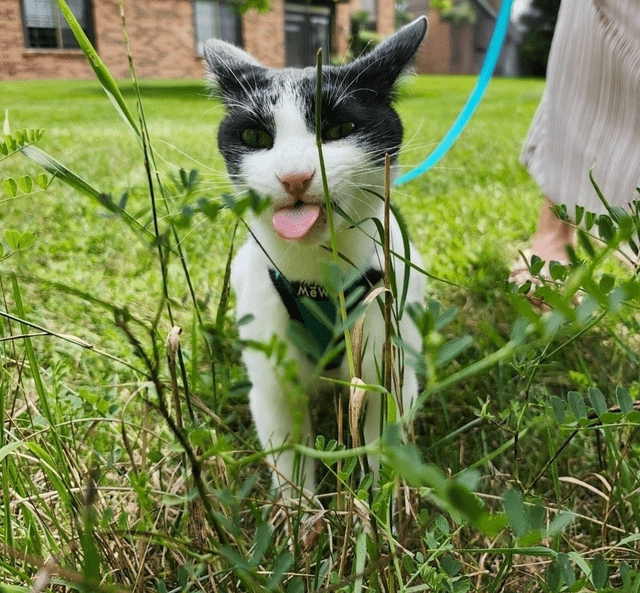
Training your cat to wear a harness keeps them safe outdoors. It prevents them from running away or getting lost. You can control their movements during walks or vet visits.
Strengthens Bond
Training sessions create quality time with your cat. They learn to respond to your voice and commands. This strengthens your relationship and mutual respect.
Improves Behavior
Training helps reduce scratching on furniture and jumping on counters. Cats learn acceptable behaviors and boundaries. It makes living together more pleasant for everyone.
Boosts Mental Health
Learning new skills keeps cats mentally sharp and engaged. It prevents boredom and related problems like aggression. A trained cat often shows more curiosity and happiness.
Supports Physical Health
Regular training encourages movement and exercise. It helps maintain a healthy weight and muscle tone. Active cats tend to have fewer health problems over time.

Credit: yourcatbackpack.com
Choosing The Right Training Method
Choosing the right training method is key to success with a cat. Cats respond best to gentle and clear communication. Picking a method that fits your cat’s personality helps build trust and makes training easier. Patience and consistency matter most in any approach you choose.
Positive Reinforcement
Positive reinforcement means rewarding good behavior. Use treats, praise, or petting to encourage your cat. This method helps cats learn quickly without fear. It builds a strong bond between you and your cat. Avoid punishment, as it can cause stress and harm trust.
Clicker Training
Clicker training uses a small device that makes a sound. The click marks the exact moment your cat does something right. Follow the click with a treat or reward. This method helps cats understand what you want clearly. It’s great for teaching tricks or commands step by step.
Target Training
Target training guides your cat to touch an object, like a stick or your hand. Reward your cat when it touches the target. This method encourages movement and focus. It can help with leading your cat on a harness. Target training is fun and mentally stimulating for cats.
Essential Tools For Cat Training
Training a cat requires more than just patience and consistency; having the right tools can make a huge difference. These tools help you communicate effectively with your furry friend and keep them motivated throughout the process. Let’s dive into the essential items you’ll want to have on hand to make cat training smoother and more enjoyable for both of you.
Treats And Rewards
Treats are powerful motivators for cats. Use small, soft treats that your cat loves and can eat quickly to keep training sessions short and rewarding. Avoid giving too many treats in one session to prevent overfeeding.
Consider using a variety of treats to keep your cat interested. You might find that your cat prefers a specific type, like freeze-dried chicken or tuna flakes. Have you noticed how your cat reacts differently to different flavors? Observing this can help you choose the most effective rewards.
Toys And Play
Toys are excellent tools to capture your cat’s attention and encourage desired behaviors. Wand toys, laser pointers, and interactive toys can be used to guide your cat during training. Play is also a great way to build trust and keep your cat engaged.
Use toys to reward your cat’s progress instead of always relying on treats. This approach helps prevent overfeeding and gives your cat a fun outlet for energy. What type of play does your cat respond to best? Noticing this can shape your training approach.
Training Aids
- Clicker:A clicker is a small device that makes a distinct sound to mark the exact moment your cat performs a desired behavior. This helps your cat understand what action earned the reward.
- Harness and Leash:If you plan to train your cat to walk outside, a comfortable harness and leash are must-haves. Make sure the harness fits well and is escape-proof.
- Target Stick:Using a target stick can help you guide your cat’s movements precisely. It’s especially helpful for teaching tricks or navigating obstacles.
Have you tried using a clicker or target stick before? These tools might seem simple but can dramatically speed up training by giving clear signals your cat can understand.
Basic Commands To Teach Your Cat
Teaching your cat basic commands can transform your relationship and make daily interactions smoother. Cats are more capable of learning than many people think. You just need the right approach and patience to communicate effectively with them.
Come When Called
Getting your cat to come when called is a game-changer for safety and bonding. Start by choosing a simple, consistent word or sound, like your cat’s name or a click. Reward your cat immediately with a treat or affection when they respond.
Practice in a quiet room first, then gradually increase distractions. Keep training sessions short but regular to maintain your cat’s interest. Have you noticed how cats respond differently to sounds versus words?
Sit And Stay
Teaching your cat to sit and stay helps manage their behavior and keeps them calm in busy situations. Use treats to lure your cat into a sitting position, then say “sit” clearly. Once they sit, reward them right away.
To teach stay, ask your cat to sit and take a small step back while saying “stay.” If they stay put, give a treat and praise. Repeat this in small increments, increasing the distance slowly. This skill is especially useful when guests arrive or during vet visits.
Using A Litter Box
Ensuring your cat uses the litter box consistently is essential for a happy home. Place the box in a quiet, accessible area and show your cat where it is by gently placing them inside after meals or naps. Cats usually take to this naturally, but some may need encouragement.
If your cat avoids the box, check for cleanliness or try a different type of litter. Positive reinforcement, like treats or petting after successful use, encourages the habit. What changes could you make to your current setup to improve your cat’s comfort?
Dealing With Common Training Challenges
Training a cat to wear a harness can be tricky. Many cats get easily distracted or show stubborn behavior. Facing these common challenges needs patience and smart techniques. Avoiding harsh methods keeps training positive and effective.
Overcoming Distractions
Cats notice every small sound and movement. Training in a quiet room helps keep their focus. Use treats and gentle praise to guide attention. Short, frequent sessions work better than long ones. Remove toys and other distractions during practice time. Patience is key as cats learn to ignore noises.
Managing Stubborn Behavior
Some cats resist wearing a harness at first. Let them explore the harness without pressure. Reward calm behavior with treats and soft words. Try putting the harness on for a few seconds only. Slowly increase the time as the cat gets used to it. Never force the cat; let it adjust at its own pace.
Avoiding Punishment
Punishing a cat can cause fear and make training harder. Focus on positive reinforcement instead. Praise and treats encourage good behavior. Ignore unwanted actions rather than scolding. A calm voice and gentle touch help build trust. Training should be a fun and safe experience for the cat.
Advanced Training Techniques
Advanced training techniques help deepen the bond between you and your cat. These methods build on basic training and encourage your cat to be more active and responsive. Patience and consistency remain key throughout the process. Cats enjoy challenges that keep their minds sharp and bodies moving.
Leash Training
Leash training lets your cat explore the outdoors safely. Start by letting your cat wear the harness indoors for short times. Use treats and gentle praise to create positive feelings. Attach the leash and allow your cat to walk around freely inside. Gradually introduce outdoor walks in quiet, safe areas. Keep sessions short and calm to avoid stress.
Trick Training
Teaching tricks stimulates your cat’s mind and offers fun interaction. Begin with simple commands like “sit” or “high five.” Use small treats as rewards and speak in a soft, clear voice. Repeat commands consistently during short training sessions. Be patient; cats learn at their own pace. Celebrate every small success to keep motivation high.
Behavior Modification
Behavior modification helps correct unwanted habits gently. Identify the behavior you want to change, such as scratching furniture. Redirect your cat’s attention to appropriate items like scratching posts. Reward good behavior immediately to reinforce it. Avoid punishment; it can cause fear or aggression. Use consistency and kindness to shape better habits over time.
Maintaining Training Success
Maintaining training success with your cat is just as important as the initial teaching phase. Without ongoing effort, even the best-trained cat can forget what they’ve learned. Staying committed ensures your cat remains comfortable and confident on the harness, making outings stress-free for both of you.
Consistency And Patience
Consistent routines reinforce your cat’s learning. Try to practice harness time at the same time each day to build familiarity. Patience is key—cats learn at their own pace, and rushing them can cause resistance or fear.
Have you noticed your cat reacts differently on some days? That’s normal. Keep your tone calm and encouraging, even if progress feels slow. Small, steady wins add up over time.
Regular Practice
Short, frequent training sessions work better than long, irregular ones. Aim for 5–10 minutes daily, focusing on positive experiences while your cat wears the harness. This approach helps your cat stay comfortable without feeling overwhelmed.
Try varying locations in your home before stepping outside. Moving from a quiet room to a hallway, then near the door, helps your cat adjust gradually. How can you make these sessions fun? Use treats, toys, or gentle praise to keep your cat motivated.
Adapting To Your Cat’s Personality
Each cat is unique. Some may love the outdoors, while others prefer minimal exposure. Pay close attention to your cat’s reactions and adjust your approach accordingly.
If your cat shows signs of stress, slow down and simplify the training. If they seem curious and eager, gradually increase the challenge. What signals does your cat give you? Listening closely will guide you to the best training style for your feline friend.

Credit: www.outdoorbengal.com

Credit: www.reddit.com
Frequently Asked Questions
How Do I Choose The Right Harness For My Cat?
Select a harness that fits snugly but comfortably. Look for adjustable straps and soft materials to prevent chafing. Avoid harnesses that are too loose or tight, as they may cause escape or discomfort.
When Is The Best Time To Train My Cat To Wear A Harness?
Start training when your cat is calm and relaxed. Early training, ideally as a kitten, helps them adjust faster. Gradually introduce the harness over several days for best results.
How Can I Get My Cat Used To The Harness Quickly?
Let your cat sniff and explore the harness first. Reward with treats during each step of the process. Practice short sessions of wearing the harness indoors before outdoor walks.
What Safety Tips Should I Follow When Walking My Cat Outside?
Always use a secure harness and leash designed for cats. Avoid busy or noisy areas to reduce stress. Keep walks short initially and supervise your cat closely at all times.
Conclusion
Training a cat takes time and patience. Start with small steps and use treats. Be consistent and gentle every day. Cats learn best with positive rewards. Avoid punishment; it only causes fear. Enjoy the process and celebrate small wins. A trained cat can live happily with you.
Keep practicing to build a strong bond. Training helps your cat stay safe and happy. Remember, every cat is different and learns at its own pace.
