

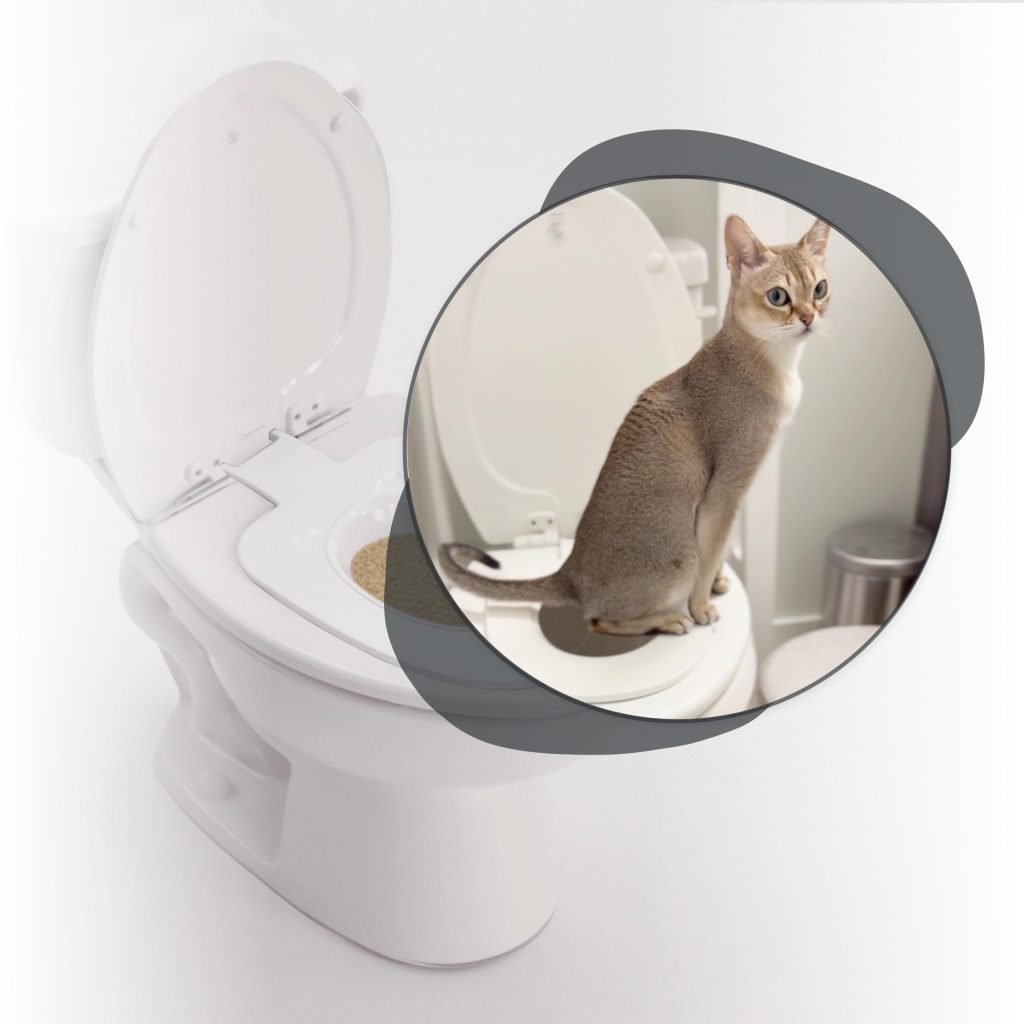
Are you tired of constantly cleaning your cat’s litter box? Imagine if your furry friend could use the toilet just like you do.
Cat potty training with a toilet can save you time, reduce odors, and make your home cleaner. But how do you teach your cat to make this switch? You’ll discover simple steps and expert tips to help your cat ditch the litter box for good.
Keep reading to find out how you and your cat can enjoy a fresher, easier way to handle bathroom time.
Benefits Of Cat Potty Training
Training your cat to use the toilet can bring several surprising benefits that go beyond just convenience. It can improve your cat’s health and hygiene, reduce your environmental footprint, and save you money over time. Understanding these advantages can motivate you to give cat potty training a serious try.
Health And Hygiene Improvements
Toilet training your cat helps keep your home cleaner by eliminating litter boxes, which often carry bacteria and odors. This means fewer chances of your cat tracking litter around or spreading germs in your living spaces.
Plus, you can spot health issues more easily. When cats use the toilet, you observe their bathroom habits directly. If your cat’s behavior changes, it might be a sign to check for urinary or digestive problems early.
Environmental Impact
Did you know that traditional cat litter contributes to landfill waste and often contains harmful chemicals? Switching to toilet training drastically cuts down on litter consumption, reducing your household’s environmental impact.
This is especially important if you care about reducing plastic packaging and minimizing waste. Your decision to train your cat can be a small but meaningful step towards a greener lifestyle.
Cost Savings
Cat litter can be expensive, especially if you have multiple cats. Over time, the cost of constantly buying litter adds up significantly. Training your cat to use the toilet eliminates this ongoing expense.
Besides saving on litter, you might also reduce costs related to cleaning and odor control products. Imagine the money you can save while keeping your home fresher and cleaner!

Credit: www.walmart.com
Choosing The Right Toilet Trainer
Choosing the right cat potty training toilet is key for smooth training. The perfect trainer fits your cat’s needs and your home. Comfort, size, and material matter a lot. A good trainer helps your cat learn faster and feel safe. Here is what to consider before buying one.
Types Of Cat Toilet Trainers
- Insert Trainers: Fit inside the toilet bowl for gradual training.
- Seat Trainers: Replace the regular toilet seat with a special one.
- Portable Trainers: Easy to move and use in different places.
- Complete Training Kits: Include multiple parts to guide your cat step-by-step.
Materials And Durability
Look for strong, non-toxic plastic. It should resist scratches and urine. Smooth surfaces make cleaning simple. Avoid materials that smell or feel rough. Durable trainers last longer and keep your cat safe.
Size And Fit For Your Cat
Measure your cat’s weight and size first. The trainer must be wide enough for your cat to sit comfortably. Check the height and shape to match your toilet. A proper fit prevents accidents and keeps your cat confident.
Step-by-step Training Process
Training your cat to use the toilet may seem challenging, but breaking it down into clear steps makes the process manageable. Each phase helps your cat adjust gradually, reducing stress for both of you. Patience and consistency are key as you guide your feline friend through this new routine.
Preparing Your Cat
Start by making sure your cat is comfortable using a litter box near the bathroom. This helps them associate the bathroom area with their bathroom habits. Watch how your cat interacts with the litter box—do they dig or cover their waste? This behavior will influence the next steps.
Place the litter box on the floor next to the toilet for a few days. This encourages your cat to get used to being near the toilet while doing their business. Have you noticed if your cat hesitates or seems curious? Use those observations to adjust your timing.
Introducing The Training Seat
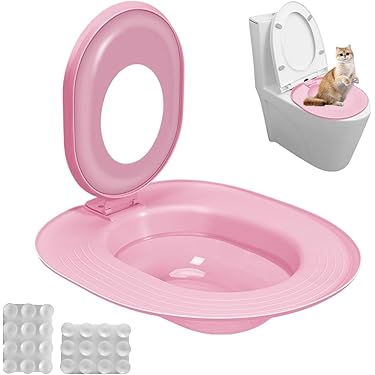
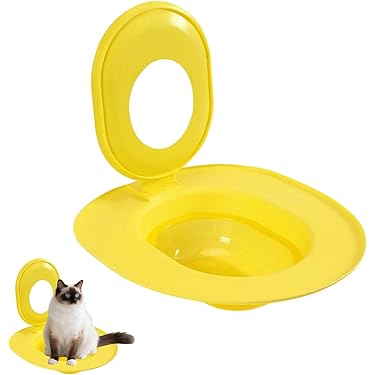
Next, swap the litter box for a specially designed cat toilet training seat placed over the toilet bowl. This seat holds litter and fits securely, making it safe for your cat to step on. Let your cat explore the new seat without pressure.
At first, fill the training seat with litter similar to what your cat is used to. This familiar smell helps ease the transition. If your cat seems unsure, spend time encouraging them to jump up and check it out with treats or gentle praise.
Gradual Transition To The Toilet
After your cat is comfortable using the training seat, start reducing the litter amount gradually. This teaches your cat to balance on the seat and get used to the idea of the toilet water below. Each week, make the litter layer thinner.
Eventually, remove the litter altogether and let your cat use the toilet water directly. Some cats adapt quickly, while others need more time. What small changes can you make to support your cat’s confidence during this phase?
Managing Accidents And Setbacks
Accidents are part of the learning process, so don’t get discouraged. If your cat falls back to the litter box or has mishaps, calmly guide them back to the toilet training seat. Avoid punishment—it only increases anxiety.
Keep the training area clean and positive. Praise your cat for successes and offer treats to reinforce good behavior. Have you considered keeping a training journal to track progress and identify patterns? This can help you adjust your approach thoughtfully.
Tips For Success
Training your cat to use a potty toilet can feel like a big challenge. But with the right approach, you can make the transition smooth and even enjoyable for both you and your cat. Success depends on how you guide your cat and respond to their behavior during the process.
Positive Reinforcement Techniques
Reward your cat immediately when they use the toilet correctly. Treats, gentle petting, or soft praise work well as positive signals.
Ignore accidents calmly without punishment. Cats respond better to encouragement than to scolding.
Try using a clicker or a specific word to mark the right behavior. This helps your cat associate the action with a reward.
Consistency And Patience
Keep the potty training routine the same every day. Cats thrive on routine and knowing what to expect.
Don’t rush the process. Some cats take weeks or even months to fully adapt.
Set small milestones and celebrate progress. This keeps you motivated and your cat comfortable.
Monitoring Your Cat’s Comfort
Watch your cat’s behavior closely for signs of stress or discomfort. Hesitation or avoidance might mean the setup needs adjustment.
Make sure the toilet seat is stable and the water level is appropriate. Unstable seats or deep water can scare your cat.
Check the cleanliness regularly. Cats are very particular and won’t use a dirty toilet.
Common Challenges And Solutions
Training your cat to use a potty toilet can be a game-changer, but it often comes with its own set of challenges. Understanding these common hurdles and how to tackle them can make the process smoother for both you and your feline friend. Let’s look at some typical issues and practical solutions that can help you stay on track.
Fear And Resistance
Cats are creatures of habit, so switching from a litter box to a toilet can feel intimidating for them. Your cat might hesitate or avoid the potty due to unfamiliar sounds or the height of the toilet seat.
Try introducing the training seat gradually, starting with it placed on the floor. Let your cat explore it without pressure. Reward small steps like sitting on the seat with treats or praise to build confidence.
Have you noticed your cat freeze or back away near the toilet? This reaction often means they need more time to adjust. Patience and positive reinforcement are key to overcoming this fear.
Health Concerns
Some cats might develop health problems if they resist using the toilet, such as urinary tract infections from holding in urine. Watch for signs like frequent scratching, vocalizing, or accidents outside the potty.
If your cat shows discomfort or changes in bathroom habits, consult your vet immediately. Never force your cat onto the toilet if they seem distressed, as stress can worsen health issues.
Keep an eye on hydration and diet, since a balanced intake supports healthy urination. Sometimes, simple adjustments in water bowls or food type can improve your cat’s willingness to use the potty.
Maintaining Cleanliness
Keeping the toilet area clean is crucial to prevent odors and encourage your cat to use the potty consistently. Unlike litter boxes, toilets can splash or leave residue that cats dislike.
Regularly wipe down the toilet seat and surrounding area with pet-safe cleaners. Consider placing a non-slip mat nearby to catch any spills and provide secure footing.
Have you thought about how often you clean the training seat? Cleaning it daily helps your cat associate the space with cleanliness, reducing resistance and accidents.
Credit: www.amazon.com
Alternative Potty Training Methods
Training your cat to use the potty can be a challenge, but there are several alternative methods that might fit your lifestyle and your pet’s personality better than the traditional approaches. These options often help ease the transition, making the process smoother for both you and your cat.
Litter Box Modifications
If your cat resists the toilet completely, tweaking their litter box setup can be a smart way to encourage better habits. Try making small changes like gradually reducing the amount of litter or using a flushable litter that mimics the feel of a toilet bowl.
Another effective trick is moving the litter box closer to the bathroom over time. This helps your cat get used to the new location without overwhelming them. Have you noticed how subtle changes in environment can influence your cat’s behavior?
Adding a training seat or a specially designed litter tray that fits over the toilet can also bridge the gap between litter box and toilet use. It provides a familiar surface while introducing the new spot for potty breaks.
Outdoor Training Options
Some cats take naturally to outdoor potty training, especially if they have access to a secure yard. This option can save you from dealing with litter boxes and toilets altogether, but it requires patience and a safe environment.
Start by designating a specific spot outside where your cat can relieve itself. Use treats and positive reinforcement to encourage your cat to use that spot consistently. Can your outdoor space offer a quiet, undisturbed area perfect for this?
Keep in mind, outdoor training depends on weather and safety. Not every cat will adapt easily, but if yours enjoys spending time outside, this method can feel more natural and less stressful. You might find that your cat prefers nature’s version of a potty break.
Real-life Success Stories
Real-life success stories reveal how cat potty training toilets help both cats and owners. These stories show the practical benefits and challenges faced during training. They provide hope and inspiration for those considering this method.
Owner Experiences
Many owners share positive experiences with cat potty training toilets. Cats quickly learn to use the toilet instead of litter boxes. Owners report less mess and easier cleaning. Some mention initial patience is needed, but results come fast. A few owners say their cats enjoy the new routine. Overall, owners appreciate the hygiene and cost savings.
Before And After Comparisons
| Aspect | Before Training | After Training |
|---|---|---|
| Cleaning | Frequent litter box scooping | No litter to clean |
| Odor | Strong litter smell | Minimal to no odor |
| Cost | Regular litter purchase | Saved money on litter |
| Cat Behavior | Some accidents outside box | Consistent toilet use |
Credit: www.amazon.com
Frequently Asked Questions
How Does Cat Potty Training Toilet Work?
A cat potty training toilet gradually replaces the litter box. It trains cats to use a toilet by introducing a special seat. Over time, cats learn to balance and eliminate directly into the toilet. This method reduces litter mess and odors in your home.
How Long Does Cat Toilet Training Take?
Training duration varies by cat, usually between 4 to 8 weeks. Consistency and patience speed up learning. Some cats adapt faster, while others need more time. Gradually adjusting the training seat helps cats gain confidence and master the new behavior comfortably.
Is Cat Potty Training Toilet Safe For Cats?
Yes, it is safe when done correctly. Proper introduction prevents stress and accidents. Ensure the training seat fits well and is stable. Avoid forcing your cat; instead, encourage gradual adaptation. Regular cleaning maintains hygiene and prevents infections during training.
What Are Common Challenges In Cat Toilet Training?
Cats may resist due to unfamiliarity or fear. Some cats struggle with balance or falling in. Inconsistent training can confuse your cat. Patience and slow progression help overcome issues. Rewarding your cat encourages positive behavior during the training process.
Conclusion
Training your cat to use the toilet takes time and patience. Start slow and praise your cat often. Keep the toilet area clean and safe. Not all cats like this method, so watch their comfort. Consistency helps your cat learn faster.
Potty training can save money on litter. It also keeps your home cleaner. Try this method if you want a tidy space. Remember, every cat is different. Stay calm and enjoy the process together.
