

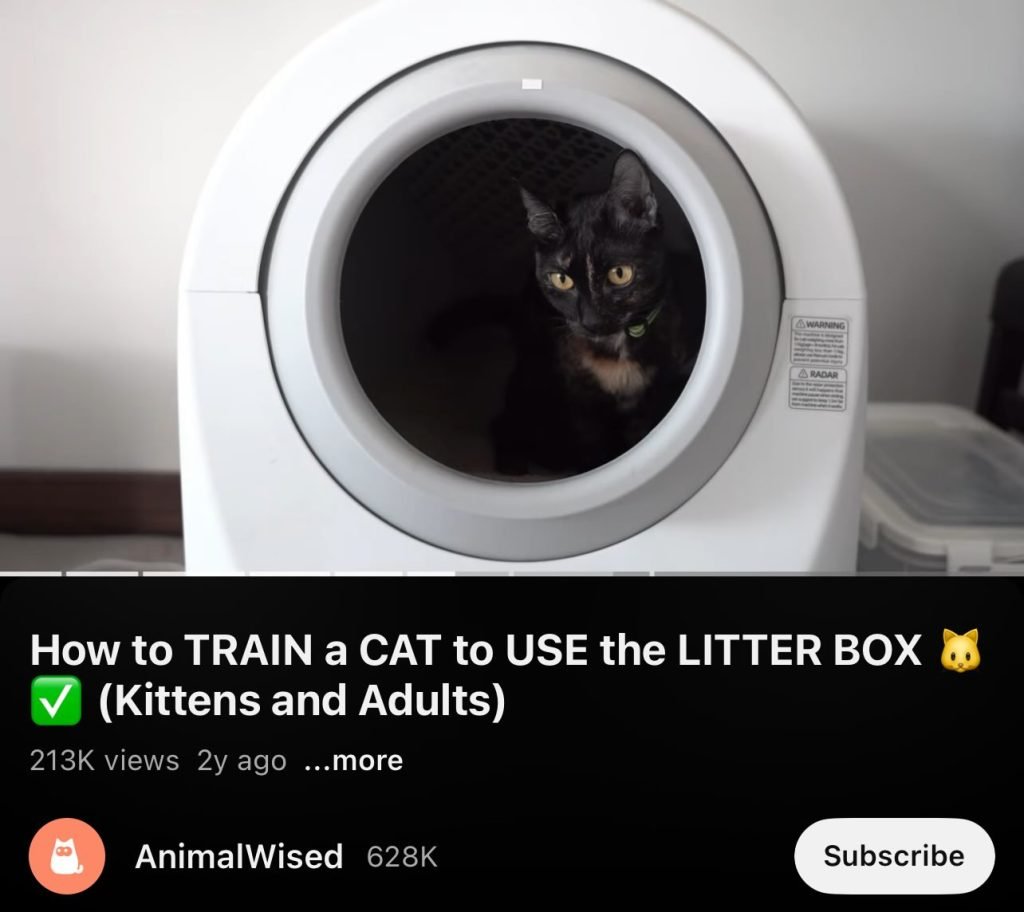
Training your cat to use the litter box might seem tricky, but it’s easier than you think. If you want a clean home and a happy pet, teaching your cat this habit is essential.
Imagine never having to worry about accidents again or cleaning up messes on your floor. In this guide, you’ll discover simple steps that work for cats of all ages. Ready to make your life easier and keep your furry friend comfortable?
Let’s dive in and get started!
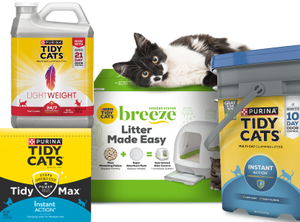
Credit: www.purina.com
Choosing The Right Litter Box
Choosing the right litter box is a crucial step in training your cat to use the litter properly. A good litter box meets your cat’s needs and fits well in your home environment. Making the right choice can prevent accidents and encourage your cat to develop good bathroom habits quickly.
Types Of Litter Boxes
There are several types of litter boxes available, each with its own benefits.
- Open Litter Boxes:These are simple and easy to clean. Cats often prefer these because they provide plenty of space and ventilation.
- Covered Litter Boxes:These offer privacy and can reduce odors, but some cats feel trapped or uncomfortable inside.
- Self-Cleaning Litter Boxes:These reduce your cleaning effort by automatically scooping waste. They can be expensive and noisy, so consider your cat’s temperament.
- Disposable Litter Boxes:Great for travel or temporary use, but not a long-term solution for most cats.
Think about your cat’s personality. Does it like privacy or open spaces? This can guide your choice and make training easier.
Size And Placement Tips
Your cat needs enough room to move, dig, and turn around comfortably inside the litter box. A box that is too small can discourage use and cause accidents.
As a rule, choose a litter box that is at least 1.5 times the length of your cat from nose to tail. Larger boxes work better for kittens growing into adults.
Placement matters just as much as size. Cats prefer quiet, low-traffic areas away from their food and water bowls. Avoid placing the box near noisy appliances or busy hallways.
Have you noticed your cat avoiding certain spots? Try moving the litter box to a different location and watch how your cat responds. Sometimes, a small change can make a big difference in their willingness to use the box.

Credit: www.youtube.com
Picking The Best Litter
Choosing the right litter helps your cat feel comfortable and clean. It affects how easily your cat uses the litter box. Picking the best litter can make training faster and less stressful. Cats have different preferences for texture and smell. Understanding the types of litter helps you find the perfect match.
Clumping Vs Non-clumping
Clumping litter forms solid clumps when wet. This makes it easier to scoop out waste daily. It helps keep the box cleaner and fresher. Non-clumping litter absorbs moisture but does not form clumps. It often requires changing the whole box more often.
- Clumping litter is good for quick cleaning.
- Non-clumping litter may be gentler on sensitive paws.
- Some cats prefer one texture over the other.
Observe your cat’s reaction to different types. Choose what suits both your cat and your cleaning routine.
Scented Vs Unscented Options
Scented litter masks odors with added fragrances. This keeps your home smelling fresh. Unscented litter relies on natural odor control. Some cats dislike strong smells in their litter box. Scented options can deter sensitive cats from using the box.
- Unscented litter is often better for cats with allergies.
- Scented litter may appeal to owners wanting less odor.
- Test both types to see your cat’s preference.
Choosing the right scent helps your cat feel safe and relaxed. It also keeps your home comfortable for everyone.
Introducing Your Cat To The Litter Box
Introducing your cat to the litter box is the first crucial step in helping them develop good bathroom habits. Cats are naturally clean animals, but they need guidance to understand where to go. Setting up the right environment and encouraging your cat to explore the litter box can make the training process smoother and less stressful for both of you.
Initial Placement Strategies
Choosing the right spot for the litter box can affect your cat’s willingness to use it. Place the box in a quiet, low-traffic area where your cat feels safe. Avoid noisy places like near washing machines or busy hallways, as loud sounds can scare them away.
Consider your cat’s routine and preferences. If your cat likes to nap in a particular room, placing the litter box nearby can encourage use. Also, make sure the box is easily accessible, especially for kittens or older cats with mobility issues.
Encouraging Exploration
Let your cat discover the litter box on their own terms. Open the box and allow them to sniff and investigate without forcing them inside. You can gently place your cat in the box after meals or naps to help them associate these times with bathroom breaks.
Use positive reinforcement like treats or gentle praise when your cat shows interest or uses the box correctly. If your cat seems hesitant, try adding a small amount of their waste to the litter to signal the purpose of the box. Have you noticed how your cat reacts to new objects? Patience and observation are key to understanding their comfort level.
Establishing A Routine
Establishing a routine is key to helping your cat get comfortable with using the litter box. Cats thrive on consistency, and setting a predictable schedule makes it easier for them to understand where and when to go. Creating a daily rhythm around feeding and litter use builds habits that feel natural to your cat.
Feeding And Litter Timing
Feed your cat at the same times every day. Cats usually need to use the litter box shortly after eating, so this creates natural opportunities for litter training.
Try to place your cat in the litter box about 15 to 20 minutes after meals. This timing leverages their instinct to eliminate after eating.
Keep the litter box clean and in a quiet, accessible spot. If you notice your cat avoiding the box, check if the timing feels rushed or if the location is uncomfortable.
Positive Reinforcement Techniques
Reward your cat immediately after they use the litter box. A small treat or gentle praise helps your cat associate the action with something positive.
Be consistent with rewards. This shows your cat exactly what behavior you want to see more often.
Avoid punishment. Scolding can cause fear and confusion, making your cat less likely to use the litter box.
Have you noticed how your cat responds best to rewards? Some cats prefer treats, while others enjoy pets or verbal praise. Pay attention to what motivates your cat most during training.
Handling Common Challenges
Training your cat to use the litter box can sometimes come with hurdles that test your patience. These challenges are common but manageable with the right approach. Understanding how to handle avoidance and accidents will keep your training progress steady and your home clean.
Dealing With Avoidance
Some cats simply refuse to use the litter box at first. They might sniff around, then walk away or choose a spot elsewhere. This behavior can be frustrating, but it often signals discomfort or confusion.
Check if the litter box is in a quiet, accessible spot. Cats dislike noisy or high-traffic areas. Also, make sure the box is clean; a dirty box is a big turnoff.
Try different types of litter. Some cats prefer unscented, fine-grain litters. Watch your cat’s reaction when you switch. Have you noticed your cat spending more time near the box when it’s clean or the litter is fresh?
Give your cat time and encourage positive experiences. Gently place them in the box after meals or naps to build a habit. Patience here pays off more than force or punishment.
Addressing Accidents
Accidents happen, but they don’t mean failure. When your cat eliminates outside the box, clean the spot thoroughly to remove the smell. Otherwise, they might return to the same place.
Observe the pattern of accidents. Are they happening near the box or far away? Repeated accidents in the same spot can indicate a medical issue or dislike for the litter box setup.
Consider adding more litter boxes if you have multiple cats or a large home. A good rule is one box per cat plus one extra. This reduces competition and stress.
Use gentle encouragement instead of punishment. Scolding your cat can increase anxiety and make the problem worse. Instead, reward every successful use of the box with treats or affection.

Credit: topdogtips.com
Maintaining Litter Box Hygiene
Keeping the litter box clean is key to teaching your cat good bathroom habits. A fresh and tidy box invites your cat to use it regularly. Dirty litter can cause your cat to avoid the box and create messes elsewhere. Maintaining hygiene helps keep your home smelling nice and your cat healthy.
Cleaning Frequency
Remove solid waste daily to keep the box fresh. Scoop the litter at least once a day. Change the entire litter every one to two weeks. Wash the box with mild soap and warm water during litter changes. Avoid strong-smelling cleaners that might scare your cat.
Preventing Odors
Use clumping litter to trap odors better. Add baking soda to the litter to absorb smells. Place the box in a well-ventilated area. Use a litter mat to catch stray litter and reduce mess. Regular cleaning stops smells from building up and keeps your cat happy.
Frequently Asked Questions
How Long Does It Take To Train Cats To Use Litter?
Training cats to use litter usually takes one to two weeks. Consistency, patience, and positive reinforcement speed up the process. Every cat learns at its own pace, so some may take less or more time.
What Is The Best Litter For Training Cats?
Clumping, unscented, and dust-free litter is best for training cats. It’s gentle on their paws and easy to clean. Avoid strong fragrances as they can deter cats from using the box.
How Often Should I Clean The Cat’s Litter Box?
Clean the litter box daily to encourage use and prevent odors. Scoop waste at least once a day and change litter weekly. A clean box keeps cats comfortable and consistent in using it.
Can I Use Treats To Train My Cat To Use Litter?
Yes, treats are great for reinforcing litter training. Reward your cat immediately after using the litter box. Positive reinforcement helps them associate the box with good behavior.
Conclusion
Training your cat to use the litter takes patience and care. Start with a clean, quiet space for the litter box. Praise your cat when it uses the box correctly. Keep the litter fresh and scoop it daily. Watch your cat’s habits and adjust as needed.
Remember, every cat learns at its own pace. Stay calm and consistent for the best results. Soon, your cat will feel comfortable and clean using the litter box. A happy cat means a happy home.
