

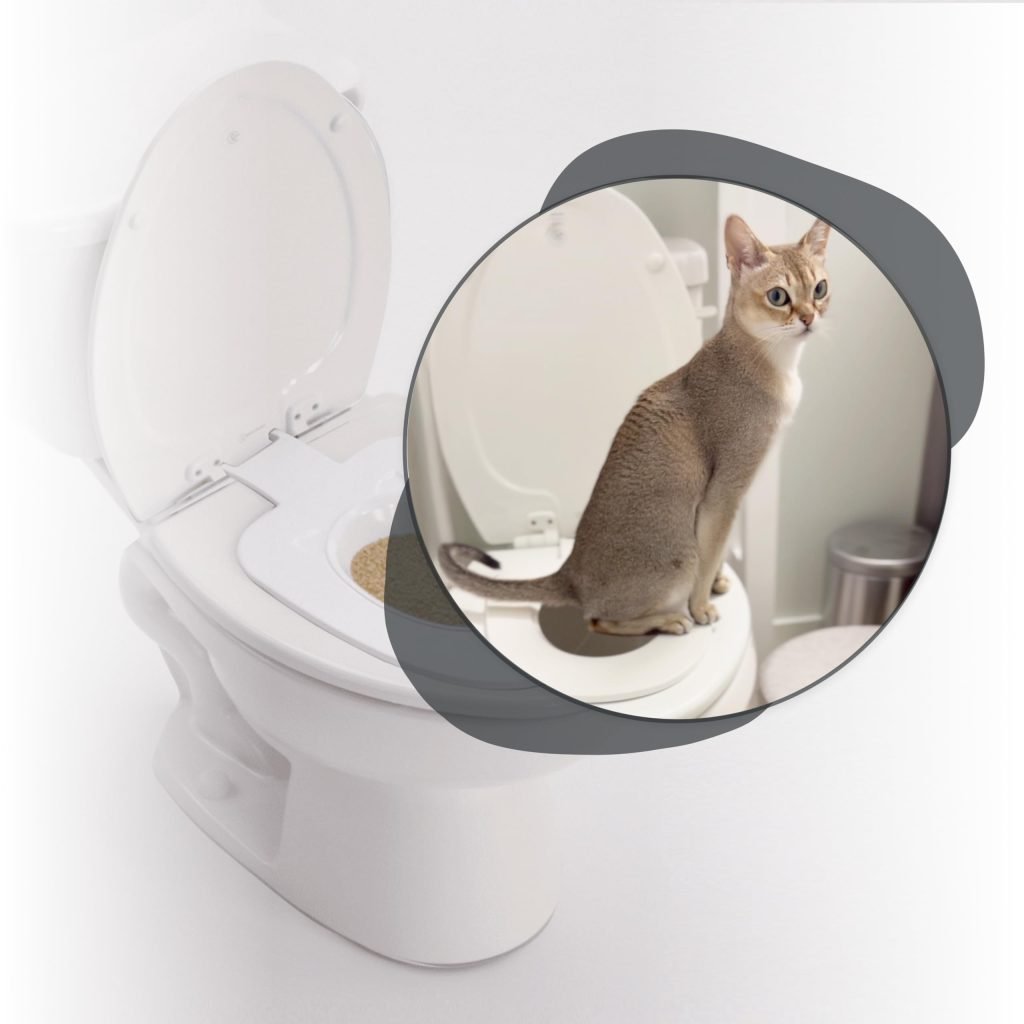
Potty training a cat might sound tricky, but it’s easier than you think. Imagine saving time on cleaning litter boxes and having a cleaner home.
You’re just a few simple steps away from teaching your cat to use the toilet like a pro. This guide will walk you through everything you need to know, making the process smooth for both you and your furry friend.
Ready to transform your cat’s habits and enjoy a fresher home? Keep reading to discover how!
Choosing The Right Setup
Choosing the right setup is crucial when potty training your cat. The environment you create can make all the difference between success and frustration. Pay attention to details like the litter box type, where you place it, and the kind of litter you use to keep your cat comfortable and motivated.
Selecting A Suitable Litter Box
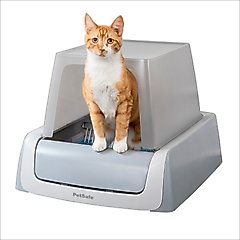
Your cat’s litter box should match their size and preferences. A box that’s too small can make your cat avoid it, while one that’s too big might feel overwhelming. Consider a low-entry box if your cat is small or elderly—this makes it easier for them to get in and out.
Some cats prefer covered boxes for privacy, but others dislike the confined space. Watch how your cat reacts to different types to find out what they like best. Also, remember to keep the box clean; cats won’t use a dirty box no matter how perfect the setup is.
Picking The Best Location
Location can make or break your potty training efforts. Pick a quiet spot where your cat feels safe, away from loud appliances or heavy foot traffic. Cats are more likely to use their potty area if they don’t feel threatened or distracted.
Avoid placing the litter box near their food and water bowls—cats dislike doing their business close to where they eat. You might try different spots to see where your cat naturally goes, then keep the box there consistently.
Types Of Litter To Use
Not all litter is created equal. Some cats prefer fine-grain clumping litter because it feels softer on their paws, while others might like natural options like wood pellets or paper-based litter. Experiment to find what your cat prefers.
Fragrance-free litter is usually better, as strong smells can deter your cat. You can even mix a small amount of your cat’s used litter into the new type to encourage acceptance. Have you noticed your cat avoiding certain litters? Changing the type might be the solution.
Credit: www.chewy.com
Preparing Your Cat
Preparing your cat for potty training sets the stage for success. It’s about understanding your cat’s behavior and creating a comfortable environment. Taking time here helps your cat feel safe and reduces stress during the transition.
Recognizing Readiness Signs
Not every cat is ready to start potty training at the same time. Watch for signs like your cat using the litter box consistently or showing curiosity about the bathroom area. If your cat avoids the litter box or seems anxious, it might be better to wait a bit longer.
Have you noticed your cat following you around the bathroom or sniffing the toilet? These small clues can tell you your cat is ready for the next step.
Introducing The Litter Box Gradually
Start by placing the litter box in a quiet, accessible spot near the bathroom. Let your cat explore it without pressure. Avoid forcing your cat inside; instead, reward curiosity with gentle praise or treats.
Slowly move the litter box closer to the toilet over days or weeks. This gradual approach helps your cat adjust without stress. Patience here pays off more than rushing.
Establishing A Routine
Cats thrive on routine, so set consistent times for bathroom visits. After meals or naps are ideal moments to encourage your cat to use the litter box. This builds a habit that makes the transition smoother.
Keep the litter box clean and maintain a calm atmosphere. Have you tried gently guiding your cat to the box at regular intervals? This simple step can make a big difference in training progress.
Training Techniques
Training a cat to use the toilet takes patience and clear methods. Using the right techniques helps your cat learn faster. Consistency and calm guidance make the process smoother for both of you.
Using Positive Reinforcement
Reward your cat for good behavior. Praise, treats, or gentle petting works well. This encourages the cat to repeat the behavior. Avoid punishment, as it can cause fear and slow learning. Positive feedback builds trust and makes training enjoyable.
Handling Accidents Calmly
Accidents are normal during potty training. Stay calm and avoid yelling or scolding. Clean the area thoroughly to remove odors. This prevents your cat from returning to the same spot. Calm handling helps your cat feel safe and keeps training on track.
Encouraging Consistent Behavior
Keep the training routine the same every day. Place your cat on the toilet at regular times. Consistency helps form a clear habit. Use the same commands or signals. This repetition guides your cat to understand what you want.
Credit: www.amazon.com
Troubleshooting Common Issues
Tackling potty training challenges with your cat can feel frustrating, but understanding the root of common issues helps you find the right solution faster. Cats have unique behaviors and sensitivities, so patience and observation are key. Let’s look at practical ways to address three frequent hurdles you might face during this process.
Dealing With Avoidance
If your cat keeps avoiding the potty training setup, it might be due to fear or discomfort. Start by making the area inviting—add soft lighting and minimize loud noises nearby.
Try sitting with your cat near the toilet and gently encouraging them with treats or toys. Have you noticed if your cat prefers privacy? Creating a quiet, calm environment might reduce their anxiety and increase their willingness to try.
Managing Litter Box Aversion
Sometimes cats refuse to use their litter box, which can stall your potty training efforts. Check if the box is clean and placed in a low-traffic area; cats dislike dirty or noisy spots.
Experiment with different types of litter, such as unscented clumping or natural materials, to see what your cat prefers. Have you observed any patterns, like avoiding the box after a stressful event? Identifying triggers can guide you in preventing aversion.
Addressing Health Concerns
Health issues can cause sudden changes in bathroom habits, so don’t overlook this possibility. Frequent accidents or avoidance might indicate urinary tract infections or other medical problems.
Visit your vet promptly if you notice persistent difficulties. Early diagnosis can save your cat discomfort and keep your training on track.
Advanced Tips For Success
Advanced tips increase your cat’s potty training success. These steps help refine habits and tackle challenges. Patience and consistency remain key throughout the process.
Transitioning To A Toilet Training System
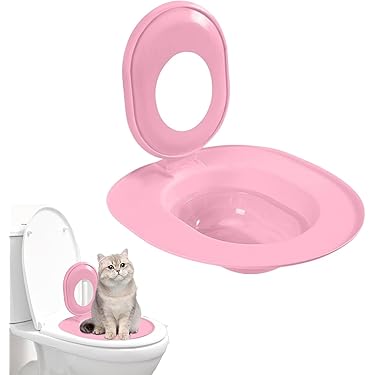
Gradually replace the litter box with a toilet training system. Start by placing a training seat on the toilet bowl. Allow your cat to get used to the new setup for several days. Slowly reduce litter inside the training seat over time. Encourage your cat to balance and use the seat safely.
Observe your cat’s comfort level closely. Never rush the transition to avoid stress. Celebrate small victories to keep motivation high.
Maintaining Hygiene
Clean the toilet training area regularly to prevent odors. Use pet-safe cleaning products that do not irritate your cat. Flush waste promptly to keep the bathroom fresh. Inspect the toilet seat for any damage or instability. Replace parts as needed to ensure safety.
Keep the bathroom quiet during training sessions. A calm space encourages your cat to use the toilet confidently.
Adapting For Multiple Cats
Train each cat individually to prevent confusion. Provide separate toilet training setups if possible. Monitor each cat’s progress and adjust timing accordingly. Avoid forcing shy cats to share the same toilet seat.
Reward each cat with treats or praise to build positive associations. Maintain multiple clean litter boxes during the transition phase. This reduces stress and competition among cats.

Credit: www.youtube.com
Frequently Asked Questions
How Long Does It Take To Potty Train A Cat?
Potty training a cat usually takes 2 to 6 weeks. Consistency and patience are key. Each cat learns at its own pace, so some may take longer than others.
What Supplies Are Needed For Cat Potty Training?
You need a litter box, cat litter, and a cat-friendly toilet training kit. Gradual introduction of these items helps your cat adapt smoothly.
Can All Cats Be Potty Trained Successfully?
Most cats can learn potty training with proper guidance. However, very young kittens or cats with behavioral issues may face challenges.
How Do I Transition My Cat From Litter To Toilet?
Start by placing the litter box near the toilet. Gradually move it onto the toilet seat. Reduce litter over time until the cat uses the toilet.
Conclusion
Potty training a cat takes patience and time. Start slow and be consistent every day. Praise your cat for good behavior. Expect some mistakes along the way. Watch your cat’s signals and adjust as needed. Keep the training area clean and safe.
Celebrate small wins to stay motivated. Soon, your cat will learn new habits. Enjoy a cleaner home and happier pet. Trust the process and stay calm throughout. Your effort will pay off with success.
