

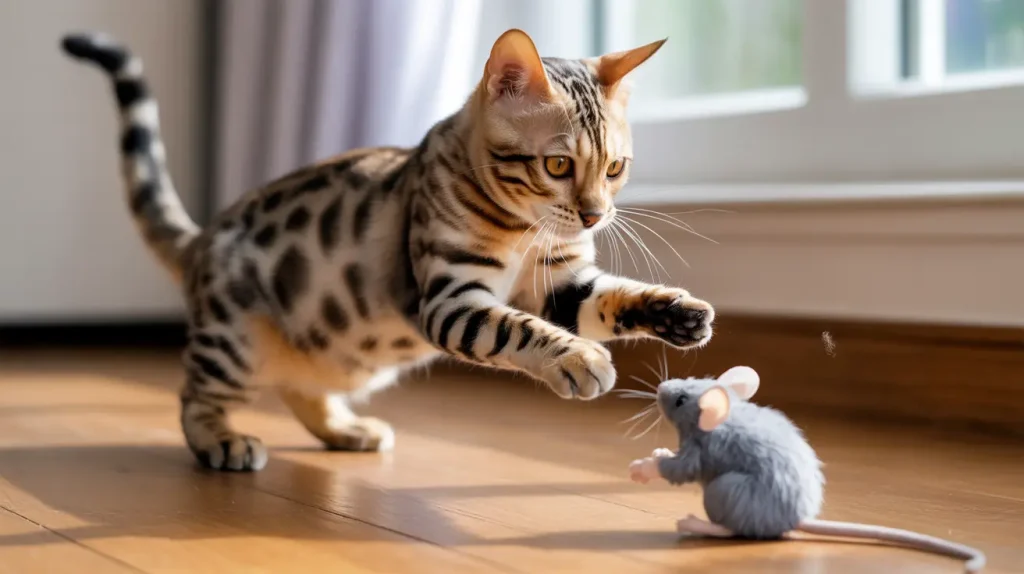
Have you ever wished your cat could play fetch just like a dog? Training your cat to fetch might sound impossible, but with the right approach, you can teach your furry friend this fun and rewarding trick.
Imagine the joy of watching your cat chase after a toy and bring it back to you, strengthening your bond and adding excitement to playtime. You’ll discover simple, step-by-step tips that make teaching your cat to fetch easier than you think.
Ready to surprise yourself and your cat? Let’s dive in!
Why Cats Can Learn Fetch
Many people assume cats are too independent to learn games like fetch, but that’s not true. Cats have natural skills and instincts that make fetch a fun and achievable activity for them. Understanding why cats can learn fetch will help you train your feline friend more effectively.
Natural Instincts That Help
Cats are natural hunters, and their instincts drive them to chase, pounce, and retrieve moving objects. This hunting behavior makes fetch an appealing game because it mimics the chase and catch cycle they experience in the wild.
Your cat’s quick reflexes and sharp focus give them an edge when learning to catch and bring back toys. Have you noticed how your cat eagerly stalks laser pointers or feathers? That same energy can be directed toward fetching small toys.
Additionally, cats are curious and love interactive play, which keeps them engaged during fetch sessions. Their desire to explore and interact with you creates a perfect environment for learning new tricks.
Benefits Of Fetch For Cats
Playing fetch isn’t just fun; it offers several benefits that improve your cat’s well-being. It provides physical exercise that helps keep your cat fit and prevents obesity.
Fetch also stimulates your cat mentally, reducing boredom and destructive behaviors. Have you ever seen a bored cat knocking things off shelves? Fetch gives them a positive outlet for their energy.
Moreover, fetch strengthens your bond with your cat. When your cat brings a toy back to you, it’s a form of communication and trust-building. This game turns training into quality time that both of you can enjoy daily.

Credit: pethelpful.com
Choosing The Right Toy
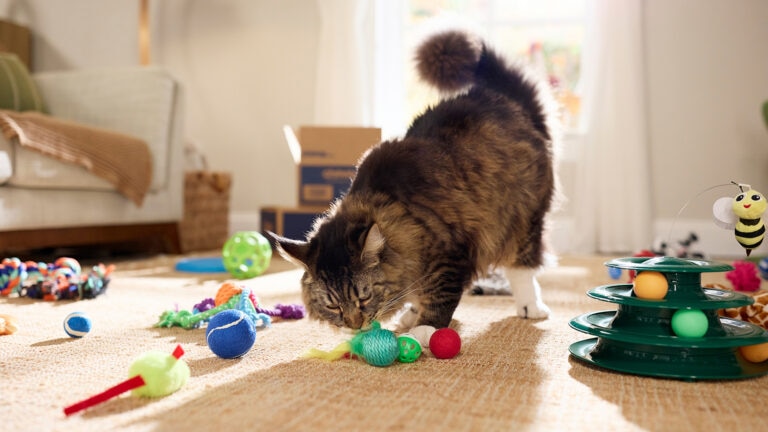
Choosing the right toy is key to teaching a cat to fetch. Cats have unique tastes, so picking something they enjoy will keep them interested. The toy needs to be the right size and texture for easy carrying. Bright colors or small sounds can catch their attention quickly. Selecting a safe and fun toy makes training much smoother and more enjoyable for your cat.
Best Toys For Fetch
- Small, lightweight balls made of soft material
- Feather wands or small plush mice
- Crinkly toys that make noise when touched
- Foam balls that are easy to carry
- Interactive toys that roll or bounce slowly
These toys suit a cat’s natural hunting instincts. They are easy to hold in the mouth and encourage chasing and returning. Soft textures avoid hurting their teeth or mouth.
Avoiding Unsafe Items
- Toys with small parts that can break off
- Hard plastic or metal objects that can hurt teeth
- Strings or ribbons that can tangle
- Any toy with toxic paint or materials
- Items too heavy or large for your cat to carry
Unsafe toys can cause injury or choking. Always check toys for durability and safety before use. Replace toys that show wear or damage. Safety helps keep your cat happy and healthy during fetch training.
Preparing Your Cat
Training a cat to fetch starts well before you toss that first toy. Your cat needs to feel relaxed and ready to engage. Preparing your cat creates the foundation for learning and makes the experience enjoyable for both of you.
Creating A Comfortable Space
Find a quiet, familiar spot where your cat feels safe. Remove distractions like loud noises or other pets. This helps your cat focus on you and the game.
Use soft lighting and keep the area tidy. Bring out your cat’s favorite blanket or bed to make the space inviting. When I trained my cat, she responded better in a cozy corner where she usually naps.
Have a variety of small, lightweight toys ready. Cats often prefer objects they can easily carry in their mouths. Choose toys that are safe and appealing to your cat’s natural instincts.
Timing And Patience
Pick a time when your cat is alert but not overly energetic or tired. Right after a nap often works well. Avoid training sessions when your cat is hungry or distracted.
Keep sessions short—about 5 to 10 minutes. Cats have short attention spans, so brief, frequent practice beats long, exhausting attempts. How many times have you seen your cat lose interest quickly?
Be patient and celebrate small wins. Even if your cat just bats at the toy or shows curiosity, that’s progress. Reward with treats or gentle praise to encourage your cat to try again.
Starting The Training
Starting to train your cat to fetch can be a rewarding experience, but it requires patience and understanding of your cat’s unique personality. Cats are naturally curious, so tapping into their playful side is the key to success. Before expecting your cat to bring back a toy, you need to introduce the right object and create a positive connection with it.
Introducing The Toy
Choose a toy that your cat already shows some interest in, like a small ball, a feather wand, or a soft mouse. The toy should be light and easy for your cat to carry in its mouth.
Let your cat sniff and bat at the toy without any pressure. This helps the cat feel comfortable and curious rather than overwhelmed.
Try tossing the toy a short distance and watch how your cat reacts. Does it chase the toy immediately? If not, try different toys until you find one that sparks enthusiasm.
Encouraging Interest
Once your cat shows some curiosity, encourage it to engage more actively by using treats or praise. You can hold a treat near the toy to build a positive association.
Use a cheerful tone and gentle petting to reward your cat when it touches or picks up the toy.
Ask yourself: what motivates your cat? Some cats respond well to affection, while others are driven by food or play.
- Keep training sessions short—around 5 to 10 minutes—to avoid frustration.
- Repeat often but stay patient; cats learn best at their own pace.
- Watch your cat’s body language to know when it’s time to pause.
Teaching The Fetch Command
Teaching your cat to fetch can be a fun and rewarding experience. It requires patience and clear communication to help your feline friend understand what you want. The key is to break down the process into simple steps and celebrate each small success along the way.
Using Clear Commands
Start by choosing a simple, consistent word or phrase for the fetch command, like “fetch” or “bring it.” Say the command clearly every time you want your cat to perform the action. Cats respond better when you keep your tone calm and encouraging.
Pair your verbal command with a hand gesture, such as pointing or tossing the toy. This helps your cat link the word to the action you’re expecting. Repetition is crucial—repeat the command every time you play fetch to build a strong association.
Rewarding Desired Behavior
Positive reinforcement is your best tool. When your cat brings the toy back or shows interest in fetching, immediately reward with a treat, petting, or praise. This will motivate your cat to repeat the behavior.
If your cat seems unsure, break down the task into smaller parts and reward any progress, like chasing the toy or picking it up. Have you noticed how your cat’s eyes light up when they get a treat? That moment is your signal to keep reinforcing the behavior.
Credit: www.chewy.com
Handling Challenges
Training a cat to fetch can be a fun and rewarding experience, but it comes with its own set of challenges. Handling these obstacles with patience and the right approach is key to success. Let’s talk about how you can overcome common issues and keep your training sessions effective and enjoyable.
Dealing With Distractions
Cats are naturally curious and easily distracted by sounds, sights, or even a passing shadow. Creating a quiet, calm training space helps your cat focus better.
Try to limit interruptions by closing doors or turning off noisy devices. If your cat’s attention drifts, gently redirect them back to the game with a soft call or by showing the toy again.
Have you noticed how your cat reacts when someone else enters the room? Use these moments to practice focus by rewarding them only when they stay engaged with the fetch task.
Keeping Your Cat Motivated
Motivation can wane quickly if your cat loses interest or doesn’t see the reward as valuable. Use treats or favorite toys as incentives, but be careful not to overdo it.
Mix up the type of rewards to keep things exciting. Sometimes a sudden burst of playtime or a new toy can rekindle your cat’s enthusiasm for fetching.
Remember, short and frequent sessions often work better than long, tiring ones. How do you gauge when your cat is ready to stop? Watch for signs like yawning or walking away, and respect their pace to keep motivation high.
Advanced Fetch Tricks
Once your cat masters the basics of fetching, it’s time to challenge them with advanced tricks. These exercises keep your feline mentally sharp and physically active. Plus, they deepen the bond you share by turning fetch into a more dynamic game.
Increasing Distance
Start by gradually tossing the toy a bit farther each time. If your cat usually fetches from just a few feet away, try extending it to 10 or 15 feet. Watch how they respond—some cats enjoy the extra chase, while others may need encouragement.
If your cat hesitates, break the distance into smaller segments. Toss the toy a medium distance, then reward your cat for bringing it back. Slowly increase the distance over several sessions.
Consider the environment too. A quieter, open space helps your cat focus better on the toy. Have you noticed how your cat’s energy changes when the toy flies farther? Use that to decide the ideal distance.
Adding Multiple Toys
Introduce more than one toy to keep your cat engaged and thinking. Use two or three similar toys and throw them in different directions. This variation challenges your cat to choose which to fetch first and sharpens their decision-making.
- Start with two toys and let your cat fetch one.
- After they return, toss the second toy immediately.
- Gradually increase the number to three or more as your cat improves.
This trick can also help prevent boredom. Your cat’s excitement often spikes when new toys appear in playtime. Have you tried switching toys mid-game? You might find your cat picks favorites or surprises you with new preferences.
Maintaining The Habit
Maintaining the habit of fetch keeps your cat active and happy. Consistency helps your cat understand that fetch is fun. Regular interaction builds trust and deepens your bond. It also prevents your cat from losing interest in the game.
Regular Practice Tips
Set a specific time each day for fetch sessions. Keep sessions short, around 5 to 10 minutes. Use the same toy to create familiarity. Reward your cat with treats or affection after each successful fetch. Avoid forcing your cat to play; let them decide when to join. Change the playing spot occasionally to keep things fresh. Stay patient and calm during training to encourage positive behavior.
Signs Your Cat Enjoys Fetch
- Your cat eagerly chases the toy when thrown.
- They bring the toy back to you without hesitation.
- Your cat purrs or rubs against you during playtime.
- They meow or make happy sounds while playing fetch.
- Your cat waits near the toy, ready for the next throw.
Recognizing these signs helps maintain a joyful fetch routine. It ensures your cat stays motivated and engaged in play.

Credit: m.youtube.com
Frequently Asked Questions
How Long Does It Take To Train A Cat To Fetch?
Training a cat to fetch usually takes a few weeks. Consistent daily sessions of 5-10 minutes help. Patience and positive reinforcement speed up learning. Each cat learns at its own pace.
What Treats Work Best For Fetch Training Cats?
Small, soft, and smelly treats work best for training. Use treats your cat loves to keep motivation high. Avoid large or hard treats that distract from the game.
Can All Cats Learn To Fetch Toys?
Most cats can learn to fetch with patience. Playful and active cats tend to pick it up faster. Some cats may not be interested, and that’s okay.
How Do I Encourage My Cat To Bring Back Toys?
Use treats and praise immediately when your cat returns the toy. Gently call your cat’s name during playtime. Rewarding the return builds a strong fetch habit.
Conclusion
Training a cat to fetch takes time and patience. Start with small steps and use treats as rewards. Cats learn best with short, fun sessions. Keep practicing daily to build good habits. Enjoy the process and celebrate small wins. This activity strengthens your bond and keeps your cat active.
Stay calm and consistent for the best results. With love and care, your cat can learn to fetch. Give it a try and watch your pet play!
