

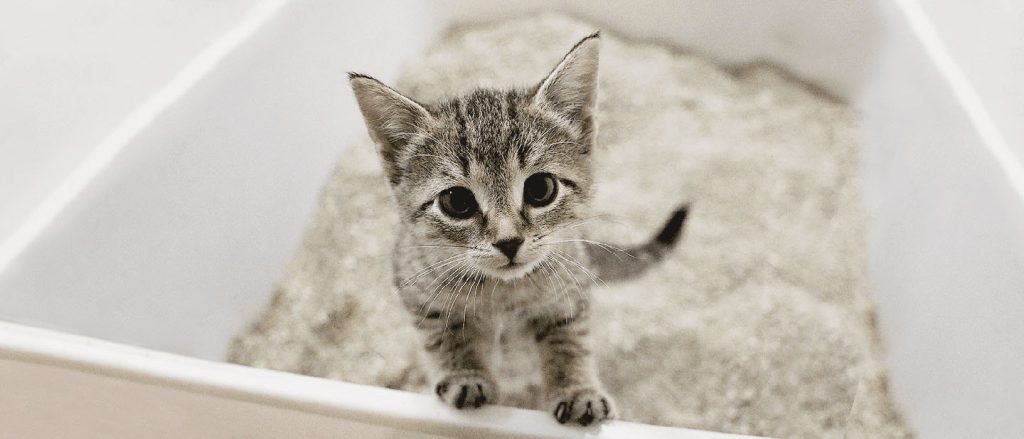
Getting your cat to use the litter box can feel like a challenge, but it doesn’t have to be. Imagine a home where your cat always knows exactly where to go, keeping things clean and stress-free for you.
If you’ve ever wondered how to train your cat to use the litter box without frustration or mess, you’re in the right place. This guide will show you simple, effective steps to make litter box training easy for both you and your furry friend.
Keep reading, and you’ll discover how to create a happy, healthy routine your cat will love.
Credit: vetic.in
Choosing The Right Litter Box
Choosing the right litter box plays a crucial role in training your cat to use it consistently. The wrong size or style can discourage your cat and lead to accidents. Paying attention to your cat’s preferences and habits will help you select a box that feels comfortable and inviting.
Size And Type Options
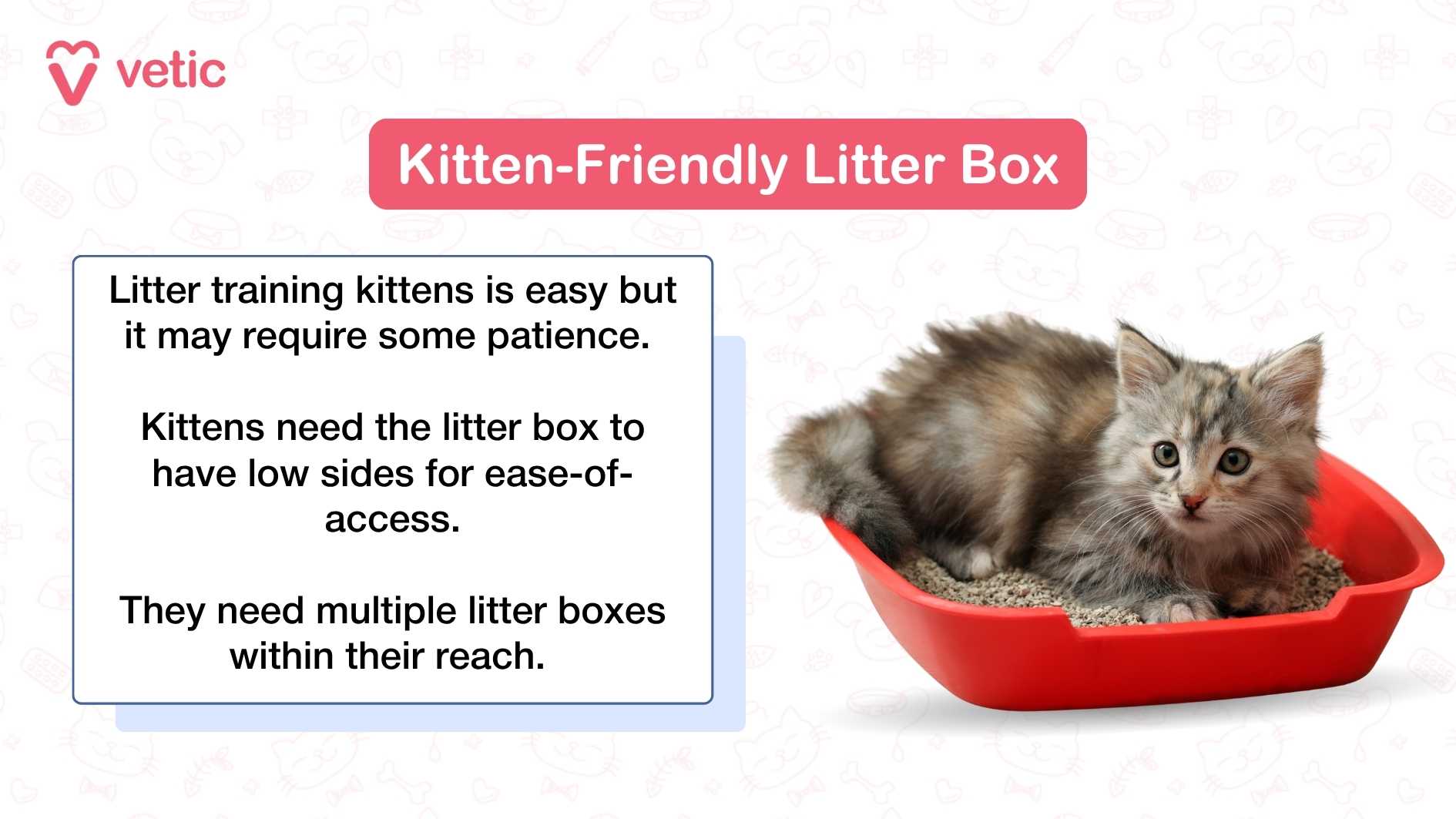
Picking the right size litter box depends on your cat’s age and size. Kittens need smaller boxes that they can easily climb into, while adult cats require a roomy space to turn around comfortably.
There are several types of litter boxes to consider:
- Open boxes:These offer easy access and good ventilation, but may spread litter outside.
- Covered boxes:Provide privacy and reduce odor, but some cats dislike the enclosed space.
- Self-cleaning boxes:Great for busy owners but can be intimidating for shy cats.
Think about your cat’s personality. Does it like privacy or prefer open spaces? Observing your cat’s behavior can guide you toward the best option. Have you noticed your cat avoiding certain boxes or areas? This might signal the need to try a different type or size.
Placement Tips
Where you put the litter box affects your cat’s willingness to use it. Choose a quiet, low-traffic spot where your cat feels safe and undisturbed.
Avoid placing the box near noisy appliances or in busy hallways. Cats dislike being startled while doing their business. If you have multiple cats, provide multiple boxes spaced out around the house to avoid territorial disputes.
Consider accessibility too. Is the box easy for your cat to reach, especially for kittens or elderly cats? Sometimes, moving the box after initial training can cause confusion. Have you tried different spots to see where your cat prefers to go?
Selecting The Best Cat Litter
Choosing the right cat litter is key to training your cat to use the litter box. The right litter helps your cat feel comfortable and encourages good habits. It also keeps your home clean and odor-free. Different litters have different features. Knowing these can help you pick the best one for your cat.
Material Choices
Cat litter comes in various materials. Clay-based litter is common and clumps well. Clumping makes cleaning easier. Silica gel litter absorbs moisture and controls odor. It lasts longer but can be more expensive. Natural litters use materials like corn, wheat, or pine. These are biodegradable and eco-friendly. Some cats prefer softer, natural textures. Try small amounts to see what your cat likes.
Scented Vs Unscented
Scented litters mask odors with fragrances. This may seem good for homes. But some cats dislike strong smells. It can deter them from using the box. Unscented litters have no added fragrance. They allow natural odors but are less likely to irritate cats. For sensitive cats, unscented is often better. Watch your cat’s reaction to choose the right type.
Preparing The Litter Box
Preparing the litter box is a crucial step that sets the foundation for your cat’s success. It’s not just about putting a box somewhere; it’s about creating a comfortable, inviting space that your cat will want to use. Think about how you feel when you walk into a clean, pleasant bathroom versus a messy one—your cat feels the same way.
Initial Setup
Choose a litter box that fits your cat’s size and personality. Some cats prefer covered boxes for privacy, while others like open ones for easy access. Place the box in a quiet, low-traffic area where your cat feels safe but can easily find it.
Pick the right type of litter. Most cats like fine-grained, unscented litter because it feels soft on their paws. Avoid strong scents or clumping litters that might irritate your cat or discourage use.
Fill the box with about 2-3 inches of litter—enough to cover waste but not so much that it spills out easily. Have you noticed how your cat reacts to different litter textures? Adjust accordingly to keep them comfortable.
Maintaining Cleanliness
Clean the litter box daily by scooping out waste. Cats are naturally clean animals and might avoid a dirty box. Regular scooping keeps odors down and encourages consistent use.
Change the litter completely at least once a week. Wash the box with mild soap and warm water to remove any lingering smells or bacteria. Avoid harsh chemicals that could leave a scent your cat dislikes.
Consider having multiple litter boxes if you have more than one cat or a large home. This reduces competition and gives your cat options, lowering the chance of accidents outside the box.

Credit: petite-store.com
Introducing Your Cat To The Litter Box
Introducing your cat to the litter box is the first step in successful training. Cats are naturally clean animals, but they need guidance to use the box properly. The process requires care, patience, and the right timing to ensure your cat feels comfortable and confident. Understanding your cat’s behavior helps create a positive experience around the litter box.
Timing And Patience
Start introducing the litter box as soon as your cat arrives home. Choose a quiet and accessible spot for the box. Give your cat time to explore the new environment without pressure.
Watch for signs your cat needs to go, like sniffing or scratching the floor. Gently place your cat in the litter box during these moments. Avoid rushing or punishing your cat if accidents happen.
Patience is key. Some cats learn quickly, others take days or weeks. Stay calm and consistent to build trust and good habits.
Encouraging Exploration
Let your cat explore the litter box freely. Keep the area clean and odor-free to invite your cat inside. Use a litter that feels natural and soft under their paws.
Try placing treats or toys near the box to attract your cat. Praise your cat softly when they show interest or use the box correctly. Avoid loud noises or sudden movements that might scare your cat away.
Allow your cat to return to the box as often as they want. This helps them understand the box is their special place for elimination.
Handling Common Challenges
Training a cat to use the litter box can be tricky. Many pet owners face challenges during the process. Handling these issues with patience and care helps your cat learn faster. Understanding common problems makes training smoother for both you and your pet.
Dealing With Accidents
Accidents happen even with the best training. Clean the area thoroughly to remove any smell. Use an enzyme-based cleaner to stop cats from returning to the spot. Avoid scolding your cat; it can cause stress and confusion.
Place extra litter boxes in different areas to give your cat options. Check the litter box daily for cleanliness. Cats avoid dirty boxes, which can cause accidents outside.
Addressing Fear Or Avoidance
Some cats fear the litter box. The noise, smell, or location might scare them. Choose a quiet and private spot for the litter box. Use unscented, soft litter to make it comfortable.
Let your cat explore the box at their own pace. Reward them with treats and praise when they get close or use it. Avoid forcing your cat into the box, as it may increase fear.
Credit: www.iams-india.com
Reinforcing Positive Behavior
Reinforcing positive behavior is key in training a cat to use the litter box. Cats respond well to encouragement and clear signals about what is expected. Rewarding good actions helps your cat learn faster. Building a steady routine makes the training consistent and reliable. These two approaches work together to create lasting habits.
Using Rewards
Rewards motivate your cat to repeat good behavior. Offer small treats right after your cat uses the litter box. Praise with a gentle voice to show approval. Use toys or petting as rewards if your cat prefers them. Avoid punishment; it can cause fear and confusion. Positive reinforcement makes learning pleasant and effective.
Consistent Routine
Keep the litter box in the same quiet spot. Place your cat in the box at regular times, especially after meals. Clean the litter box daily to keep it fresh and inviting. Stick to the routine even on busy days. Consistency helps your cat understand expectations clearly. A steady routine reduces accidents and builds trust.
When To Seek Professional Help
Knowing when to seek professional help is important in litter box training. Sometimes, your cat’s behavior may signal a deeper problem. Ignoring these signs can cause stress for both you and your pet. Early action can improve your cat’s health and habits quickly.
Signs Of Medical Issues
Watch for changes in your cat’s bathroom habits. Frequent accidents outside the litter box may mean pain or illness. Blood in urine or stool is a clear warning. Excessive licking of the genital area can signal discomfort. Sudden loss of appetite or lethargy may also appear. These signs suggest your cat needs a health check.
Consulting A Veterinarian
Take your cat to a veterinarian if problems persist. A vet can diagnose infections, bladder stones, or other conditions. They will provide treatment to ease your cat’s pain. Follow the vet’s advice on medication and care. Keep a record of your cat’s behavior to share during the visit. Professional help ensures your cat gets the right support.
Frequently Asked Questions
How Long Does Litter Box Training Take For Cats?
Litter box training usually takes a few days to two weeks. Consistency and patience speed up the process. Each cat learns at its own pace, so be supportive and monitor progress closely.
What Is The Best Type Of Litter For Training Cats?
Clumping, unscented, and low-dust litters are best for training. They are easy to clean and comfortable for cats. Avoid scented litters as they may discourage cats from using the box.
How Often Should I Clean The Cat’s Litter Box?
Clean the litter box daily to maintain hygiene and encourage use. Remove waste promptly and change litter completely once a week. A clean box prevents odors and promotes consistent use.
Can I Use Multiple Litter Boxes For Training?
Yes, placing multiple litter boxes in different areas helps cats learn faster. It provides options and reduces accidents. Ensure each box is clean and accessible to encourage use.
Conclusion
Training a cat to use the litter box takes patience and care. Start with a clean, quiet spot for the box. Show your cat the box often and praise them when they use it. Keep the litter fresh and scoop it daily.
Watch your cat’s behavior to catch any problems early. Small steps make a big difference. With time, your cat will learn quickly and happily use the litter box. Consistency is key to success. Enjoy a cleaner home and a happier pet.
