

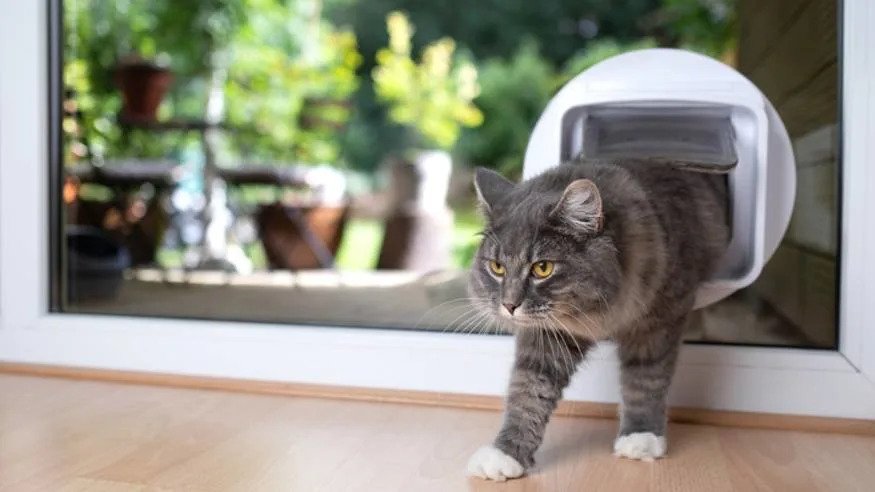
Imagine giving your cat the freedom to come and go as they please, without you having to open the door every time. Sounds great, right?
Training your cat to use a pet door can make life easier for both of you. But if you’ve ever tried, you know it’s not always simple. Don’t worry—this guide will walk you through easy steps to help your furry friend master the pet door quickly.
By the end, you’ll have a confident cat enjoying their new independence, and you’ll wonder why you didn’t start sooner. Ready to make your home more pet-friendly? Let’s dive in!
Choosing The Right Pet Door
Choosing the right pet door is important for your cat’s comfort and safety. The right door makes training easier. It also keeps your home secure. Consider your cat’s size, habits, and your home’s layout before buying a pet door.
Types Of Pet Doors
- Flap Doors:Simple plastic flaps that swing open. Easy for cats to push.
- Electronic Doors:Use a sensor on your cat’s collar to open. Keeps other animals out.
- Magnetic Doors:Only open when your cat’s magnetic collar is near. Adds security.
- Wall or Window Doors:Installed in walls or windows. Good for homes without a suitable door.
Sizing The Door For Your Cat
Measure your cat’s height and width accurately. The door should be slightly larger than your cat’s size. A door too small will frustrate your pet. Too big, and it may let in drafts or pests. Allow enough space for your cat to pass comfortably.
Placement Tips
- Choose a quiet, low-traffic area for the door.
- Install the door at your cat’s natural walking height.
- Avoid placing the door near busy streets or noisy areas.
- Make sure the door is easy to access from your cat’s favorite spots.
- Check both inside and outside for safe landing spots.
Preparing Your Cat
Preparing your cat to use a pet door is an important first step. Cats can be cautious with new things. Helping your cat feel safe and comfortable speeds up training. Patience and gentle guidance work best.
Familiarizing With The Door
Start by placing your cat near the pet door. Let your cat sniff and explore it freely. Leave the flap open so the cat can see through. Sit beside your cat and offer calm praise. Repeat this several times daily. This builds curiosity without pressure.
Using Positive Reinforcement
Use treats or favorite toys to reward your cat. Encourage your cat to touch the door flap. Each small step deserves a reward. Gradually reward your cat for pushing the flap. Keep training sessions short and fun. This creates a positive connection with the door.
Training Steps
Training your cat to use a pet door involves patience and clear guidance. The key is to make the experience positive and stress-free for your feline friend. Let’s break down the essential steps to help your cat feel confident and curious about the new door.
Encouraging Initial Interaction
Start by placing the pet door flap open so your cat can see and smell the outside world without any barriers. Use treats or your cat’s favorite toy to draw attention to the doorway. You might be surprised how quickly curiosity takes over once the door becomes a source of fun.
Spend time near the door, gently tapping or moving the flap to show it’s not scary. If your cat seems hesitant, try sitting quietly nearby and letting them explore at their own pace. Does your cat respond better to treats or play? Use that to motivate them.
Guiding Through The Door
Once your cat is comfortable around the door, encourage them to pass through by holding a treat or toy on the other side. You can gently lift the flap if needed, but avoid forcing your cat through. The goal is to build trust, not fear.
Sometimes, using a laser pointer to lead your cat through can work wonders. If your cat resists, try shorter distances at first—just a few steps beyond the door. Remember, patience is your best tool here.
Practicing Regularly
Consistency is crucial. Practice several short sessions daily rather than one long one. This keeps the experience positive and prevents your cat from feeling overwhelmed.
Celebrate each successful pass with praise or a small reward. Over time, your cat will associate the pet door with positive outcomes and start using it independently. Are you ready to notice how this simple change can improve your cat’s freedom and your convenience?

Credit: www.youtube.com
Troubleshooting Common Issues
Training a cat to use a pet door can sometimes come with challenges. These issues might slow down progress or cause frustration. Identifying common problems helps you find the right solution fast. Here are some tips to overcome usual obstacles during training.
Fear Or Hesitation
Cats often hesitate because the door is new or noisy. They may feel unsure about pushing the flap. Use treats and gentle encouragement to build confidence. Let your cat explore the door at its own pace. Placing a favorite toy or treat on the other side can motivate them to try. Practice short sessions to avoid overwhelming your cat.
Ignoring The Door
Some cats act like the door does not exist. This usually means they don’t understand its purpose. Show your cat how the door works by guiding them through it. Try lifting the flap and gently pushing them through. Reward every small success with praise or treats. Consistency is key to help your cat connect the door with going outside.
Physical Barriers
Check the pet door for obstacles that block your cat’s path. Heavy flaps or tight spaces can discourage use. Make sure the door swings freely and is the right size for your cat. Remove any objects that might scare or block your cat near the door. Adjust the door’s position to a quiet, calm area to reduce distractions.
Maintaining Good Habits
Maintaining good habits is crucial after your cat learns to use the pet door. Habits shape how your cat interacts with the door daily, influencing their comfort and your home’s cleanliness. Let’s look at how simple routines can keep the pet door functioning smoothly and your cat eager to use it.
Cleaning The Door Area
Keeping the pet door clean is more important than many realize. Dirt, fur, and scratches can build up quickly, making the door less inviting for your cat.
Try wiping the door and surrounding area at least once a week with a damp cloth. This removes any debris that might block the flap or irritate your cat’s paws.
If the flap is transparent, clean both sides so your cat can see through clearly. Have you noticed your cat hesitates when the door looks grimy? A clean door encourages confident use.
Rewarding Consistent Use
Positive reinforcement keeps your cat motivated to use the pet door regularly. Every time your cat uses it without fuss, offer a small treat or affection.
This not only makes your cat feel good but also links the pet door to positive experiences. You might find your cat starts using the door more eagerly when they expect a reward.
Try mixing up the rewards—sometimes a treat, sometimes playtime, or gentle petting. This variety keeps your cat interested and reinforces the habit without boredom.

Credit: www.reddit.com
Credit: www.amazon.ca
Frequently Asked Questions
How Long Does It Take To Train A Cat To Use A Pet Door?
Training a cat to use a pet door usually takes one to two weeks. Consistency, patience, and positive reinforcement speed up the process. Each cat learns at its own pace, so adjust your approach based on your cat’s behavior and comfort level.
What Type Of Pet Door Is Best For Cats?
The best pet door for cats is lightweight and sized appropriately for their body. Magnetic or flap-style doors are popular. Choose one with secure locking features to control access and prevent unwanted animals from entering your home.
How Can I Encourage My Cat To Use The Pet Door?
Encourage your cat by gently guiding them through the door with treats or toys. Show them the door’s purpose by opening it manually first. Reward every successful attempt to build positive associations with using the pet door.
Are There Safety Concerns With Pet Doors For Cats?
Safety concerns include unwanted animals entering and exposure to outdoor hazards. Install secure locks and monitor your cat’s outdoor activity. Regularly check the door for damage to ensure it functions properly and keeps your cat safe.
Conclusion
Training your cat to use a pet door takes time and patience. Start slow and reward small steps. Watch your cat’s comfort and adjust as needed. Keep training sessions short and positive. Soon, your cat will enjoy the freedom to come and go.
This simple skill can make life easier for both of you. Stay calm and consistent throughout the process. Your cat will learn at its own pace. Remember, every cat is different, so be kind and encouraging. A happy cat makes a happy home.
