

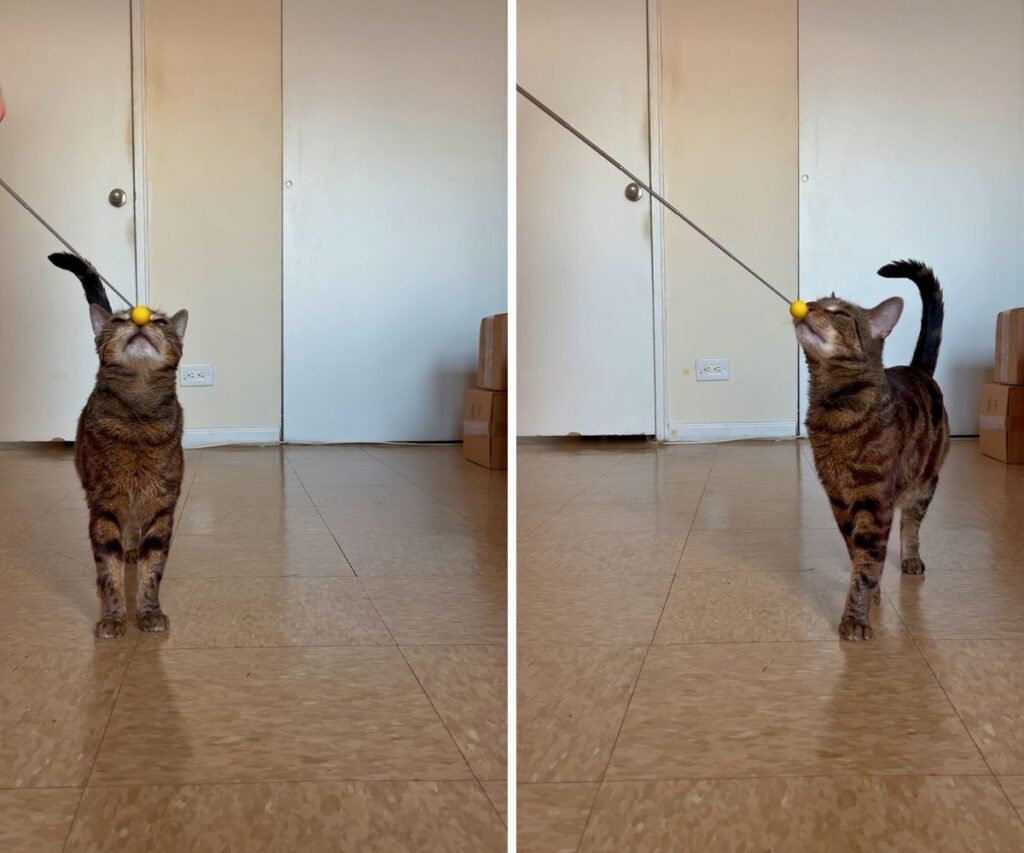
Have you ever wished your cat could follow simple commands or even do tricks like a dog? Imagine how much fun and rewarding it would be to have a trained cat that listens, plays, and behaves just the way you want.
Training your cat is not only possible but easier than you might think. You’ll discover simple tips and secrets to turn your furry friend into a well-behaved companion. Ready to unlock your cat’s hidden talents? Keep reading to find out how!
Credit: www.catschool.co
Benefits Of Training Cats
Training your cat is more than a fun activity—it’s a chance to improve their quality of life and your relationship with them. Cats are smarter than many people think, and teaching them simple commands or tricks can lead to surprising benefits. Have you ever wondered what real advantages training could bring to your daily routine with your feline friend?
Improved Behavior
Training helps reduce common behavioral problems like scratching furniture or excessive meowing. When your cat understands limits, they become less destructive and more manageable. Teaching commands such as “no” or “come” can prevent accidents and keep your pet safe.
Imagine your cat responding to your call instead of running away—this can save you stress and time. Consistent training builds good habits that make living together more pleasant for both of you.
Enhanced Bonding
Training sessions create moments of focused interaction that strengthen the connection between you and your cat. This shared activity shows your cat that you are a leader and a friend, increasing their trust in you.
Think about how your cat’s eyes light up when they get a treat for a job well done. That sense of achievement and reward brings you closer and encourages positive communication.
Mental Stimulation
Cats need mental challenges to stay sharp and happy. Training provides a way to keep their minds active and prevent boredom, which can lead to unwanted behaviors.
Simple tricks like fetching or navigating an obstacle course engage their problem-solving skills. You might notice your cat becomes more alert and interested in their surroundings, which is a sign of a well-stimulated mind.

Credit: cats.fandom.com
Choosing The Right Tricks
Choosing the right tricks for your cat is key to a successful training experience. Not every trick suits every feline, so understanding your cat’s abilities and interests helps keep them motivated and eager to learn. The right trick also builds your bond and keeps training sessions fun for both of you.
Simple Tricks To Start
Begin with easy tricks that don’t overwhelm your cat. Teaching your cat to sit or come when called are great starting points. These tricks use natural behaviors and simple commands, making it easier for your cat to grasp.
Use treats or toys as rewards to encourage repetition. Short sessions work best—cats have limited attention spans, so keep it under five minutes. Have you noticed how your cat responds better to certain rewards? Use those to boost their interest.
- “Sit” on command
- Come when called
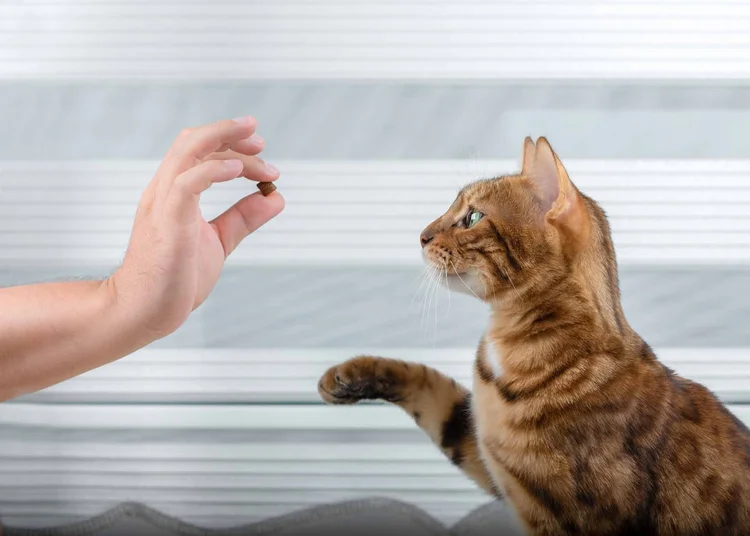
- High five or paw shake
- Target touching with nose or paw
Advanced Tricks For Experts
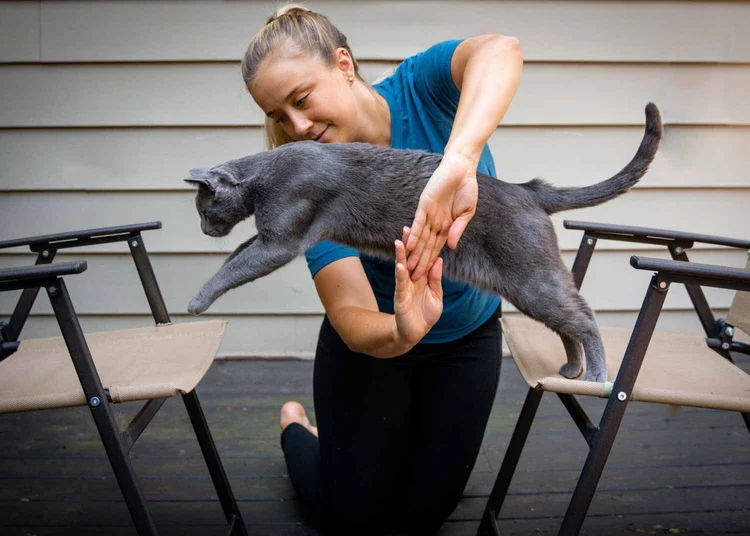
Once your cat masters basics, try more challenging tricks that require focus and coordination. Tricks like jumping through hoops, rolling over, or fetching specific toys demand more from your cat’s memory and agility.
These advanced tricks test patience—for both you and your cat. Consistent practice and positive reinforcement become even more important here. Have you tried breaking down complex tricks into smaller steps? That often makes learning smoother.
- Jump through a hoop
- Roll over on command
- Retrieve specific toys
- Spin or twirl
Tailoring Tricks To Your Cat’s Personality
Every cat is unique. Some love to climb, others prefer quiet and calm activities. Matching tricks to your cat’s personality keeps them engaged and prevents frustration.
If your cat is playful and energetic, tricks involving movement like jumping or chasing work well. For shy or laid-back cats, focus on gentle commands like sitting or pawing. How well do you know your cat’s daily habits? Use those clues to pick the right tricks.
Pay attention to your cat’s reactions during training. Adjust the difficulty or change the trick if they lose interest. This personal approach makes training enjoyable and rewarding for both of you.
Essential Training Tools
Training your cat requires more than patience and consistency; having the right tools makes a huge difference. Essential training tools not only keep your cat engaged but also help you communicate clearly. These tools turn training sessions into positive experiences for both of you.
Treats And Rewards
Using treats is one of the simplest ways to motivate your cat. Choose small, soft treats that your cat loves and can eat quickly. This prevents distraction and keeps the training smooth.
Try to give treats immediately after your cat performs the desired behavior. Timing is crucial—it helps your cat connect the action with the reward. Have you noticed how your cat’s eyes light up at the sight of a favorite snack? That’s your cue to reinforce good behavior.
Clicker Training
A clicker produces a consistent sound that marks the exact moment your cat does something right. This helps your cat understand which behavior you want to encourage. Clicker training is especially useful for complex tricks or commands.
Start by clicking and then giving a treat to build a strong association. This method worked wonders for my shy cat, who quickly learned to come when called. Would you believe a simple click can replace lengthy explanations?
Toys And Props
Toys aren’t just for play; they’re excellent tools for teaching your cat new skills. Use wand toys or laser pointers to guide your cat through movements and tricks. Props like small hoops or tunnels encourage physical activity and mental stimulation.
Keep a variety of toys handy to avoid boredom and keep your cat curious. Ever tried teaching your cat to jump through a hoop? It’s a fun way to strengthen your bond and give your cat a sense of achievement.
Step-by-step Training Methods
Training cats requires patience and clear steps. Breaking down the process helps cats learn better. Each step builds on the last. This keeps your cat interested and reduces confusion. Use gentle guidance to teach new behaviors. Start simple, then increase challenges slowly.
Luring Techniques
Luring uses treats or toys to guide your cat. Hold a treat near your cat’s nose. Move it slowly to encourage desired actions. For example, move the treat up to make your cat sit. Keep movements slow and steady. Reward immediately when your cat follows the lure. This helps your cat connect the action with the reward.
Positive Reinforcement
Reward good behavior to encourage your cat. Use treats, praise, or petting as rewards. Timing is important—reward right after the action. This teaches your cat what you want. Avoid punishment; it can scare your cat. Focus on rewarding small successes. This builds confidence and strengthens the bond.
Consistent Practice
Practice training regularly for better results. Short, frequent sessions work best. Aim for 5 to 10 minutes daily. Repeat commands and actions clearly each time. Consistency helps your cat remember what to do. Keep a calm and patient attitude. Over time, your cat will learn new skills easily.
Common Challenges And Solutions
Training cats can be a rewarding experience, but it’s not without its challenges. Understanding common obstacles and how to tackle them will keep your sessions productive and enjoyable. Below are some issues you might face and practical ways to overcome them.
Dealing With Distractions
Cats are naturally curious and easily distracted by sounds, movements, or even smells. If your cat loses focus during training, try minimizing distractions by choosing a quiet, familiar space. You can also schedule training sessions during calm times of the day when your cat is more relaxed.
Sometimes, a brief break can help reset their attention. Have you noticed how a simple toy or treat refocuses your cat? Use these as tools to gently bring their attention back without overwhelming them.
Handling Uninterested Cats
Not every cat will show enthusiasm for training right away. If your cat seems uninterested, consider what motivates them. Experiment with different treats, toys, or even short play sessions before training to boost their engagement.
Patience is key here. Start with very simple commands and celebrate small successes to build your cat’s confidence. What small reward does your cat respond to best? Personalizing your approach makes a big difference.
Avoiding Frustration
Training can test your patience, especially when progress feels slow. If you find yourself getting frustrated, step back and take a break. Remember, cats learn at their own pace, and frustration can negatively affect both you and your pet.
Try to focus on positive moments, no matter how small. Keeping a training journal can help you see progress over time and keep motivation high. How do you stay calm when training doesn’t go as planned?
Credit: www.catschool.co
Maintaining Your Cat’s Skills
Maintaining your cat’s skills is important to keep their mind sharp. Practice helps your cat remember tricks and commands. It also builds a strong bond between you and your pet. Consistent training avoids your cat forgetting what they learned. Keep sessions short and positive to encourage good behavior.
Regular Practice Sessions
Practice a few times each week to keep skills fresh. Short, frequent sessions work best for cats. Use treats or toys as rewards to motivate them. Avoid long sessions that tire your cat. Consistency helps your cat stay focused and interested.
Introducing New Tricks
Add new tricks to challenge your cat’s mind. Teach one new skill at a time. Use clear commands and simple steps. Reward your cat often during learning. This keeps training exciting and helps your cat learn faster.
Keeping Training Fun
Make training enjoyable for your cat and yourself. Change the environment or use different toys. Praise your cat warmly and offer tasty treats. End sessions on a happy note. Fun training encourages your cat to participate eagerly.
Frequently Asked Questions
How Can I Train My Cat Effectively?
Training your cat requires patience, consistency, and positive reinforcement. Start with basic commands like “sit” or “come. ” Use treats and praise to encourage desired behaviors. Keep sessions short and fun to maintain your cat’s interest. Always reward good behavior immediately to reinforce learning.
What Are The Benefits Of Trained Cats?
Trained cats are more adaptable and less stressed in new situations. They are easier to manage and can learn useful behaviors, like using a litter box or scratching post. Training strengthens your bond with your cat and enhances their mental stimulation and overall well-being.
Can All Cats Be Trained Successfully?
Yes, most cats can be trained successfully with the right approach. While some cats might be more independent, using positive reinforcement and understanding their motivation can lead to success. Tailor your training methods to your cat’s personality, and be patient and consistent.
How Long Does It Take To Train A Cat?
Training a cat’s basic commands can take several weeks. The timeline depends on your cat’s personality and your consistency. Start with short sessions and gradually increase complexity as your cat learns. Patience and regular practice are key to successful training.
Conclusion
Training cats takes patience and care. Cats can learn simple tricks and good habits. This helps them stay happy and healthy. Training also builds a strong bond with your cat. Start with small steps and be consistent. Celebrate their progress, no matter how small.
Enjoy the fun and rewards of a trained cat. Every cat is unique and learns in its own way. Keep training sessions short and positive for best results. Trained cats bring joy and calm to any home.
