

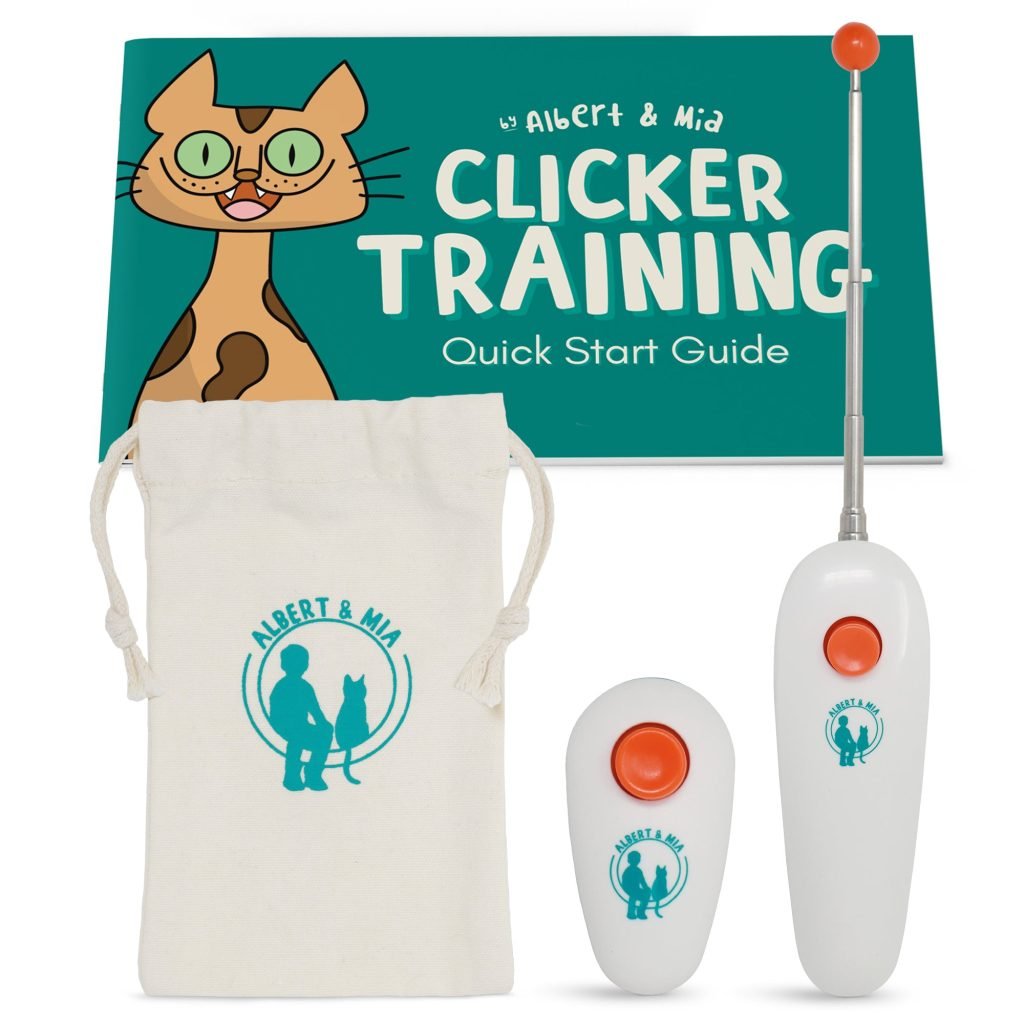
Have you ever wished your cat would listen to you or learn new tricks? With cat clicker training, you can turn that wish into reality.
This simple method uses a small sound to help your cat understand exactly what you want. Imagine building a stronger bond with your furry friend while teaching them fun and useful behaviors. Ready to discover how easy and rewarding clicker training can be for you and your cat?
Keep reading to unlock the secrets that will make your cat eager to learn and impress everyone around you.

Credit: www.catschool.co
Benefits Of Clicker Training
Clicker training offers many benefits for cats and their owners. It is a gentle, clear way to teach new skills. The sound of the clicker helps cats understand what behavior is good. This method supports learning in a fun, stress-free way.
Boosting Positive Behavior
Clicker training encourages cats to repeat good actions. Each click marks a correct behavior immediately. This clear feedback helps cats learn faster. It reduces unwanted behaviors by rewarding what you want to see. Cats become more confident and willing to try new things.
Strengthening Cat-human Bond
Training sessions create special moments between you and your cat. The process is based on trust and communication. Cats learn to listen and respond to your cues. This shared activity builds a closer relationship. Both cat and owner enjoy the interaction and teamwork.
Reducing Stress And Anxiety
Clicker training uses positive reinforcement only. Cats feel safe and relaxed during training. The clear signals reduce confusion and frustration. It turns learning into a calm and enjoyable experience. Regular training can lower anxiety and promote mental well-being.
Choosing The Right Clicker
Choosing the right clicker is a key step in successful cat clicker training. The clicker is your tool to communicate clearly with your cat, marking the exact moment they do something right. Picking one that fits your style and your cat’s reaction can make training smoother and more enjoyable.
Types Of Clickers
There are several types of clickers available, each with unique sounds and designs. The classic plastic clicker is small, lightweight, and produces a sharp “click” sound. Some trainers prefer a metal clicker for a louder, crisper noise that can catch a cat’s attention better in noisy environments.
Silent clickers or wristband clickers offer a softer sound, which is useful if your cat is easily startled. You might also find electronic clickers that allow you to adjust the volume or tone. Have you noticed how your cat reacts to different sounds? This can guide your choice.
Features To Look For
- Sound clarity:The click must be distinct and consistent to avoid confusing your cat.
- Size and comfort:Pick a clicker that fits comfortably in your hand for quick and easy use during training sessions.
- Durability:Since you’ll click multiple times, choose one made of durable materials that won’t break easily.
- Ease of use:Some clickers have ergonomic designs or wrist straps to prevent dropping during training.
Consider your personal comfort as much as your cat’s response. A clicker that feels awkward in your hand may slow down your training progress.
Where To Buy
You can find clickers at most pet supply stores, both physical and online. Websites like Amazon, Chewy, and specialty pet training shops offer a wide range of options with user reviews to help you decide.
Local pet stores often allow you to test the clicker’s sound before buying, which can be very helpful. Have you tried visiting a store to hear the clicker in person? This can save you from buying one that your cat might not respond to.
Don’t overlook community groups or forums where experienced trainers share recommendations and sometimes sell or trade gear. Getting advice from people who’ve trained cats can point you to the best clicker for your needs.
Preparing Your Cat
Preparing your cat for clicker training sets the stage for success. It helps your cat feel safe and ready to learn new tricks. Preparation builds trust between you and your pet. It also makes training sessions smooth and fun.
Selecting Treats
Choose small, tasty treats your cat loves. Treats should be soft and easy to chew. Avoid giving too many at once. This keeps your cat interested and motivated. Use treats only during training. This makes the reward special and effective.
Creating A Quiet Space
Pick a calm, quiet place for training sessions. This space should have few distractions. Turn off loud noises like TV or music. A peaceful area helps your cat focus better. Keep the space tidy and safe. It makes your cat feel comfortable and secure.
Timing And Patience
Train your cat in short sessions of 5 to 10 minutes. Cats have short attention spans. Practice regularly but avoid overtraining. Be patient and gentle with your cat. Celebrate small progress to keep motivation high. Remember, training takes time and love.
:strip_icc()/spruce-pets-cat-clicker-training-5594c453bd7f499aa8e7cf756d485afc.png)
Credit: www.thesprucepets.com
Basic Clicker Training Steps
Clicker training is a simple and effective way to teach cats new behaviors. It uses a small device that makes a clicking sound to mark good actions. This sound helps cats understand exactly what they did right. Training is broken into clear steps to make learning easy for both you and your cat.
Introducing The Clicker Sound
Start by letting your cat hear the clicker sound several times. Do this in a quiet room with no distractions. Click the device and wait to see if your cat looks toward the sound. Repeat this a few times to get your cat’s attention. The goal is for your cat to notice the click and expect something good.
Associating Click With Reward
Next, link the click sound to a tasty treat. Click the device and immediately give your cat a small reward. This teaches your cat that clicking means a treat is coming. Do this many times until your cat looks excited after hearing the click. This step builds trust and helps your cat learn faster.
Teaching Simple Commands
Choose easy commands to start, like “sit” or “come.” Wait for your cat to do the action naturally. Click the moment your cat performs the behavior, then give a treat. Repeat this several times to reinforce the command. Use short training sessions to keep your cat interested. Practice daily to help your cat remember the commands.
Advanced Training Techniques
Advanced training techniques take cat clicker training beyond simple tricks. These methods help teach more complex actions and solve behavioral issues. Patience and consistency play key roles in success. Clear communication with your cat builds trust and understanding.
Target Training
Target training uses a specific object for the cat to touch or follow. This object can be a stick or your hand. Start by rewarding your cat when it touches the target. Gradually increase the distance or change the target’s position. This technique helps guide your cat and teach new behaviors. It also improves focus and mental stimulation.
Shaping Complex Behaviors
Shaping breaks down difficult behaviors into smaller steps. Reward your cat for small actions that lead to the final goal. For example, teaching a cat to jump through a hoop starts with rewarding looking at the hoop. Then reward moving closer, touching, and finally jumping through. This approach keeps cats motivated and reduces frustration. It also strengthens the bond between you and your cat.
Addressing Unwanted Habits
Clicker training can reduce or stop bad habits in cats. Identify the unwanted behavior clearly. Use positive reinforcement to encourage better alternatives. For instance, reward your cat for scratching a post instead of furniture. Avoid punishment, as it may cause fear or confusion. Consistency is crucial to changing habits. Tracking progress helps adjust training techniques effectively.
Common Challenges
Cat clicker training can be rewarding, but it comes with its own set of challenges. Understanding these common hurdles helps you stay patient and adapt your approach. You’ll find that many difficulties are easy to manage once you know what to expect.
Dealing With Distracted Cats
Cats are naturally curious and easily distracted. You might start a session only to see your cat lose interest or chase after a sudden noise. To keep their attention, choose a quiet space and use high-value treats that your cat loves.
Try short training bursts instead of long sessions. This keeps your cat engaged without overwhelming them. Have you noticed what distracts your cat the most? Use that knowledge to create a distraction-free environment.
Overcoming Fear Of Clicker
Some cats may find the clicker sound startling or scary at first. If your cat backs away or freezes, start by pairing the clicker sound with something positive, like a tasty treat. Repeat this several times until your cat looks for the treat after hearing the click.
Patience is key here. Never force your cat to approach the clicker. Instead, let them explore it on their own terms. Have you tried gradually introducing new sounds to your cat before? This can help reduce their fear.
Maintaining Consistency
Consistency is crucial for successful clicker training. If you train sporadically or change your timing, your cat may get confused. Set a regular training schedule and stick to it, even if it’s just five minutes a day.
Use the same clicker sound and reward system every time. This helps your cat understand the connection between the click and the reward. What times of day does your cat seem most receptive to training? Tailoring sessions to their mood can improve results.
Tips For Long-term Success
Building lasting habits with your cat through clicker training takes more than just initial enthusiasm. It requires consistent effort, creativity in rewards, and a way to see how far you’ve come. These tips will help you keep your training effective and enjoyable for both you and your feline friend.
Regular Practice Sessions
Short, frequent training sessions work best for cats. Aim for 5 to 10 minutes daily to keep your cat engaged without overwhelming them. Consistency builds familiarity, making it easier for your cat to understand what you want.
Try to train at the same time each day. Cats thrive on routine, and this predictability helps them focus better. Have you noticed how your cat reacts differently depending on the time of day?
Varying Rewards
Using the same treat every time can make training boring for your cat. Mix up rewards like different treats, petting, or a favorite toy to keep motivation high. You might find your cat prefers a special kind of fish treat over dry kibble.
Changing rewards also prevents your cat from becoming too dependent on one type. This variety makes each session a little surprise, which keeps your cat curious and eager to learn. What new reward can you try today?
Tracking Progress
Keep a simple log of your training sessions and what behaviors your cat learns. Note down successes and any challenges you face. This helps you see patterns and adjust your approach effectively.
Tracking progress also shows how far you’ve both come, which is motivating. Have you ever looked back and realized your cat mastered a trick faster than you expected? Celebrate those moments—they matter.

Credit: www.amazon.ca
Frequently Asked Questions
What Is Cat Clicker Training And How Does It Work?
Cat clicker training uses a sound device to mark desired behaviors. The clicker sound signals a reward is coming, helping cats learn commands quickly and positively.
How Long Does Cat Clicker Training Usually Take?
Training duration varies by cat personality and consistency. Most cats show progress within a few weeks of daily short sessions.
What Are The Best Rewards For Cat Clicker Training?
Treats like small food bites, affection, or playtime work best. Rewards should be immediate and highly motivating for your cat.
Can Clicker Training Improve My Cat’s Behavior?
Yes, it reinforces good behaviors and reduces unwanted actions. Clicker training builds communication and strengthens your cat’s focus and discipline.
Conclusion
Cat clicker training builds trust and fun between you and your pet. It helps teach good habits with simple steps. Practice daily to see steady progress in your cat’s behavior. Patience and kindness make training easier and more effective. This method suits cats of all ages and breeds.
Enjoy the learning time and celebrate small wins together. Training can strengthen your bond and keep your cat happy. Try clicker training and watch your cat respond with joy and focus.
