

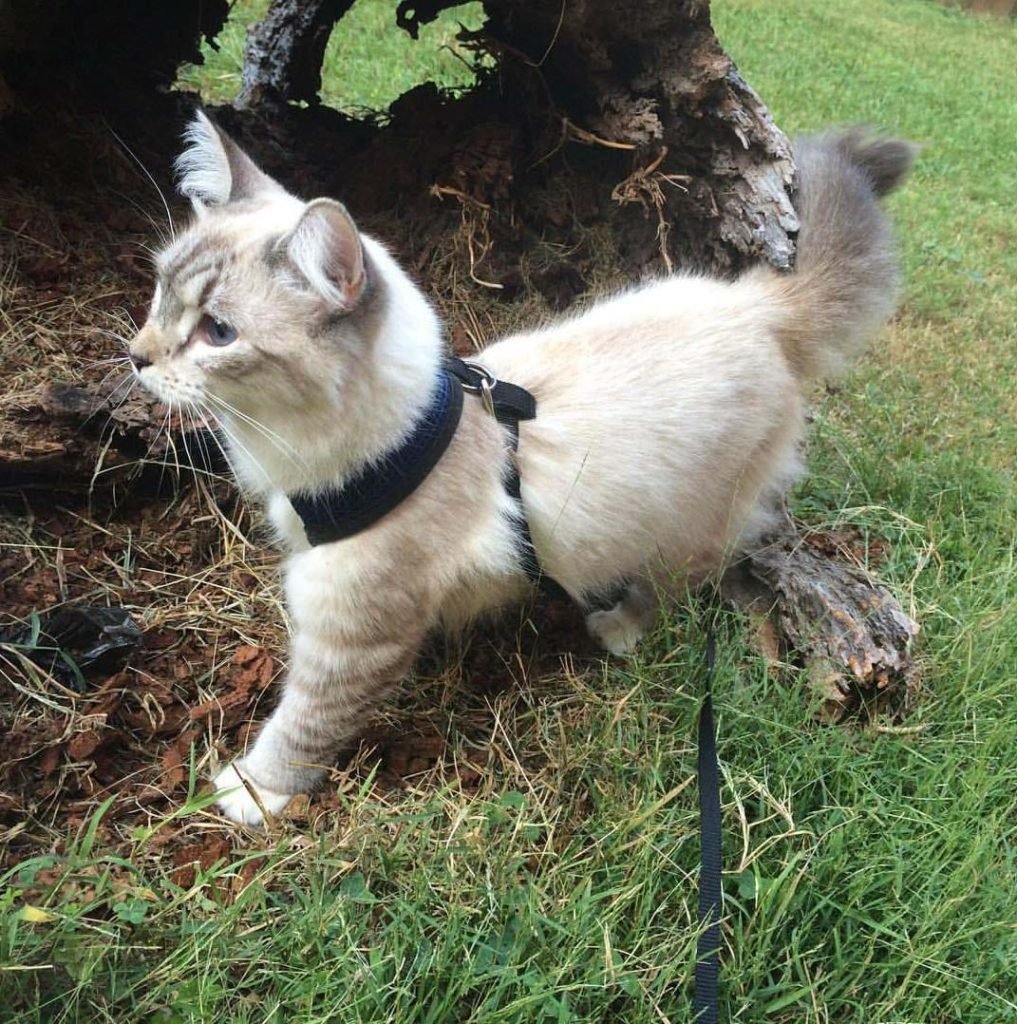
Have you ever wished you could take your cat outside for a walk, just like a dog? Training your cat to walk on a leash might sound tricky, but with the right steps, it’s easier than you think.
Imagine enjoying fresh air together while keeping your furry friend safe. In this guide, you’ll discover simple, proven tips to help your cat get comfortable with a leash and turn walks into a fun adventure. Ready to start? Keep reading and see how you can make leash training a breeze for both you and your cat.
Choosing The Right Harness
Choosing the right harness is key for a safe and pleasant walk with your cat. The harness keeps your cat secure and comfortable. It must fit well and suit your cat’s shape and size. A poor choice can cause stress or allow your cat to escape. Let’s explore the types of harnesses and how to ensure the proper fit and comfort.
Types Of Cat Harnesses
Cat harnesses come in several styles. Each style offers different levels of control and comfort.
- H-Style Harness:Shaped like the letter H, fits around the neck and chest. Easy to put on and adjust.
- Vest Harness:Covers more of the cat’s body. Provides extra security and comfort.
- Figure-8 Harness:Simple design that loops around the neck and chest. Lightweight but less secure.
Choose a harness that suits your cat’s personality. A shy cat might prefer a soft vest. An active cat may need a secure H-style.
Proper Fit And Comfort
The harness must fit snugly but not tightly. Too loose means your cat can slip out. Too tight causes discomfort and chafing.
- Measure your cat’s neck and chest before buying.
- The harness should allow two fingers to fit between the strap and your cat’s body.
- Look for soft, breathable materials to prevent skin irritation.
- Check for adjustable straps to get the best fit.
Comfort helps your cat accept the harness faster. Watch for signs of stress or discomfort. Adjust or try a different style if needed.
Introducing The Harness
Introducing a harness to your cat is the first crucial step toward leash training. This isn’t just about clipping on a leash; it’s about helping your cat feel safe and comfortable wearing something new. The right harness fits snugly without being tight and allows your cat to move freely without stress.
Choosing a harness with soft, adjustable straps can make a big difference. Let your cat inspect it at their own pace before attempting to put it on. Patience here sets the tone for a positive experience.
Letting Your Cat Get Used To It
Before fastening the harness, leave it near your cat’s favorite resting spot. This helps your cat see it as part of their environment rather than a threat.
Once your cat shows curiosity, try gently placing the harness on for just a few seconds. Gradually increase the time as your cat becomes more comfortable.
Watch for signs of stress, like excessive grooming or hiding, and give your cat breaks if needed. This slow approach helps build trust and reduces resistance.
Positive Reinforcement Techniques
Use treats or your cat’s favorite toy to reward calm behavior while wearing the harness. This creates a positive link between the harness and something enjoyable.
- Offer small treats immediately after putting the harness on.
- Speak softly and use gentle petting to reassure your cat.
- Play interactive games to distract and entertain during harness time.
Remember, your tone and energy influence your cat’s reaction. Stay calm and encouraging to help your cat associate the harness with good experiences.
What kind of rewards does your cat respond to best? Tailoring your reinforcement to their preferences can speed up the adjustment process.
Getting Your Cat Comfortable
Getting your cat comfortable with a leash is the foundation of successful outdoor adventures. Cats are naturally cautious, so patience and gentle introduction are key. Before heading outside, you need to build trust and familiarity with the harness and leash indoors.
Indoor Practice Sessions
Start by letting your cat explore the harness without putting it on. Leave it near their favorite resting spots and feed them nearby to create positive associations.
Next, gently put the harness on your cat for short periods. Watch their behavior closely—if they seem stressed, remove it and try again later.
Once your cat tolerates the harness, attach the leash and let them drag it around indoors. This helps them get used to the extra weight and movement restriction without pressure.
Encouraging Movement
After your cat is comfortable wearing the harness and leash, encourage them to walk with you. Use treats or their favorite toy to motivate steps forward.
Try calling their name softly and rewarding any movement toward you. This builds a positive connection between walking and good experiences.
Remember, some cats may freeze or sit still at first. Instead of pulling the leash, kneel down and gently coax them along. Have you noticed your cat’s favorite incentive to explore new things?
Attaching The Leash
Attaching the leash to your cat is a crucial step that sets the tone for their comfort and safety during walks. It requires patience and the right tools to make the experience positive. Getting this right can turn leash walking from a stressful event into an enjoyable bonding activity for both of you.
Choosing A Suitable Leash
Not all leashes are created equal when it comes to cats. You want something lightweight but sturdy enough to handle sudden movements.
- Material:Opt for a soft nylon or lightweight leather leash to avoid irritation on your cat’s skin.
- Length:A leash around 4 to 6 feet long provides enough freedom without losing control.
- Width:Choose a narrower leash, about ½ inch wide, which is easier for your cat to carry and less likely to get tangled.
My cat initially hated the leash until I switched to a thin, nylon one with a quick-release clip. It made all the difference in how she accepted it. Have you noticed how your cat reacts to different textures or weights? Observing these details helps you pick the best leash.
Initial Leash Training Indoors
Before stepping outside, let your cat get used to the leash indoors. Start by attaching the leash to their harness while they are relaxed and distracted with treats or play.
Keep the sessions short, around 5 to 10 minutes, and gradually increase the time as your cat grows more comfortable. Let your cat walk around freely in a safe room while you hold the leash loosely, allowing them to explore without feeling restrained.
Try to avoid pulling or tugging. Instead, gently guide and reward your cat’s curiosity. This slow introduction indoors builds trust and reduces anxiety when you take the leash outside.
First Outdoor Walks
Taking your cat on its first outdoor walk is a big moment for both of you. It’s a chance to explore the world beyond the home while building trust and confidence. However, the key to success lies in how you approach this new experience.
Selecting A Safe Environment
Choose a quiet, enclosed space free from loud noises and traffic. A backyard or a quiet park corner works well to prevent your cat from feeling overwhelmed. Watch closely for any signs of stress, like crouching or tail flicks, and be ready to retreat if needed.
Think about the surfaces your cat will walk on. Grass or soft dirt is easier on their paws than hot pavement or gravel. Also, avoid areas where dogs or other animals roam freely, as your cat may get scared or try to bolt.
Keeping Walks Short And Positive
Start with just a few minutes outside to keep your cat comfortable and eager for more. Gradually increase the time as your cat shows signs of relaxation and curiosity. Always use treats and gentle praise to reward calm behavior and exploration.
Have you noticed how your cat reacts to new stimuli? If they freeze or try to hide, it’s a sign to pause and let them adjust at their own pace. Short, positive walks build your cat’s confidence, making future adventures more enjoyable for both of you.
Credit: lifeandcats.com
Handling Challenges
Training a cat to walk on a leash can be tough. Cats have their own minds and may not always cooperate. Handling challenges is key to success. Patience and understanding help both you and your cat. Expect some struggles but stay calm and gentle. Here are some tips for common issues you might face.
Dealing With Resistance
Resistance is normal when cats try new things. Your cat might freeze, pull back, or refuse to move. Avoid forcing your cat. Use soft words and gentle pets to calm them down. Give treats to reward small steps forward. Break training into short sessions. This keeps your cat from feeling stressed. Let your cat explore at their own pace. Watch for signs of stress like tail flicking or ears back. Stop if your cat seems upset and try again later.
Managing Distractions
Outdoor sounds and sights can easily distract cats. Loud noises or other animals may scare your cat. Start leash training in quiet, safe places. Keep sessions short to hold your cat’s attention. Use treats to bring focus back if your cat looks away. Walk slowly and pause often to let your cat observe surroundings. Gradually introduce busier areas as your cat gets more comfortable. Consistency helps your cat learn to ignore distractions over time.
Building A Routine
Building a routine is crucial when training your cat to walk on a leash. Cats thrive on predictability, and setting a clear routine helps them feel secure and ready to learn. A steady schedule also lets you track progress and adjust training as needed.
Consistent Training Schedule
Pick specific times each day for leash training sessions. Short, regular sessions work better than long, irregular ones. Try training your cat around the same time daily to build a habit.
Consistency helps your cat understand what to expect. If you train sporadically, your cat might get confused or lose interest. Stick to a quiet, distraction-free spot during training to keep your cat focused.
Gradually Increasing Walk Duration
Start with just a few minutes of walking on the leash inside your home. Let your cat get comfortable before extending the time outdoors. Add a minute or two every day as your cat grows more confident.
Watch for signs of stress or fatigue and pause if needed. Patience is key—some cats take longer to adjust than others. How long can you keep your cat happily engaged without forcing the walk?

Credit: www.purina.com
Safety Tips For Leash Walking
Safety is the top priority when training a cat to walk on a leash. Cats are curious and fast, so careful attention is vital. Understanding your cat’s comfort and surroundings helps prevent accidents. Follow these safety tips to make leash walking a positive experience for both of you.
Monitoring Your Cat’s Behavior
Watch your cat closely during walks. Look for signs of stress like crouching, tail flicking, or ears flattening. Stop the walk if your cat seems scared or tired. Let your cat explore at its own pace. Praise calm and confident behavior to build trust. Keep sessions short at first and increase time gradually.
Avoiding Common Hazards
Stay away from busy streets and loud noises that can scare your cat. Avoid places with aggressive dogs or wild animals. Check the ground for sharp objects and toxic plants. Use a sturdy, comfortable harness that fits well. Keep the leash short but loose enough for freedom. Always carry water for hydration on warm days.

Credit: www.outdoorbengal.com
Frequently Asked Questions
How Long Does It Take To Train A Cat To Leash Walk?
Training a cat to walk on a leash takes patience and consistency. It usually takes a few weeks. Start slowly with short sessions. Gradually increase time as your cat becomes comfortable.
What Equipment Is Needed For Cat Leash Training?
You need a well-fitted harness and a lightweight leash. Avoid collars for leash training. Use treats and toys for positive reinforcement. Ensure the harness is secure but comfortable.
Can All Cats Be Trained To Walk On A Leash?
Most cats can learn leash walking, but some may resist. Personality and age affect success. Kittens adapt faster. Older cats might need more time and patience.
How To Keep A Cat Calm During Leash Training?
Use treats and praise to reward calm behavior. Begin training indoors to reduce distractions. Move at your cat’s pace. Avoid forcing your cat to walk if stressed.
Conclusion
Training a cat to walk on a leash takes time and patience. Start slow and keep sessions short. Use treats and praise to encourage good behavior. Watch your cat’s mood and respect their limits. Enjoy exploring outside safely together. This skill can strengthen your bond with your pet.
Practice regularly, and your cat will grow more confident. Walking a cat on a leash is a fun way to keep them active. Remember, every cat learns at its own pace. Stay calm and positive throughout the process.
