

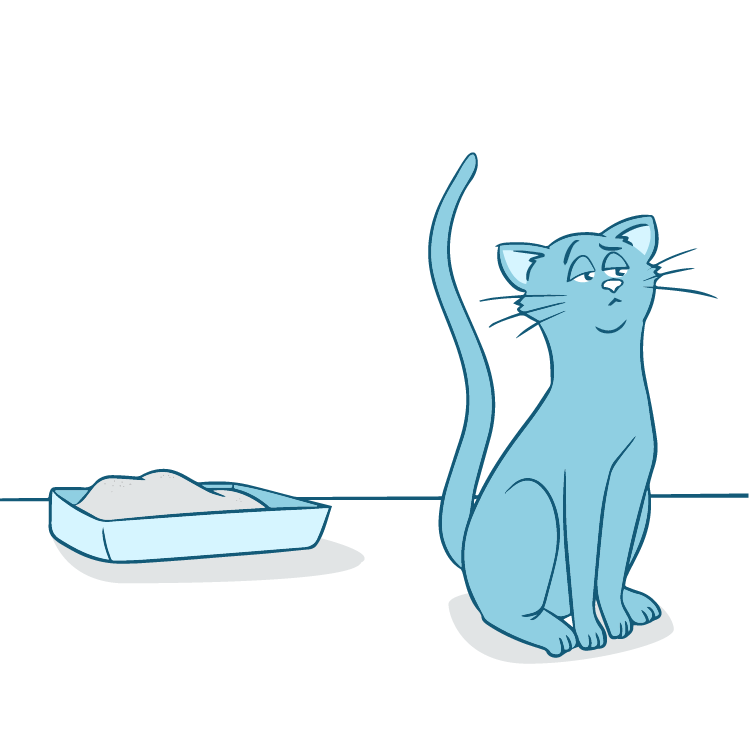
Are you wondering if your cat needs to be potty trained? You might think cats naturally know where to go, but the truth can surprise you.
Understanding how your cat learns to use the litter box can save you from frustration and messes. You’ll discover what potty training really means for cats, why it matters, and simple steps you can take to make sure your furry friend stays clean and happy.
Keep reading—you’ll find the answers you’ve been looking for.
Natural Litter Habits
Cats have natural habits for using a bathroom spot. This behavior helps them stay clean and safe. Most cats bury their waste to hide their scent from predators. This instinct makes them easy to train for litter use. Understanding these habits shows why cats usually do not need much help.
Instinctive Behavior In Cats
Cats have a strong natural drive to bury their waste. This action comes from wild ancestors. Burying waste hides their presence from enemies. It also keeps their living area clean. This instinct pushes cats to use soft, loose soil or litter. They prefer a quiet, private place to do their business. This natural behavior helps cats learn to use a litter box quickly.
How Kittens Learn
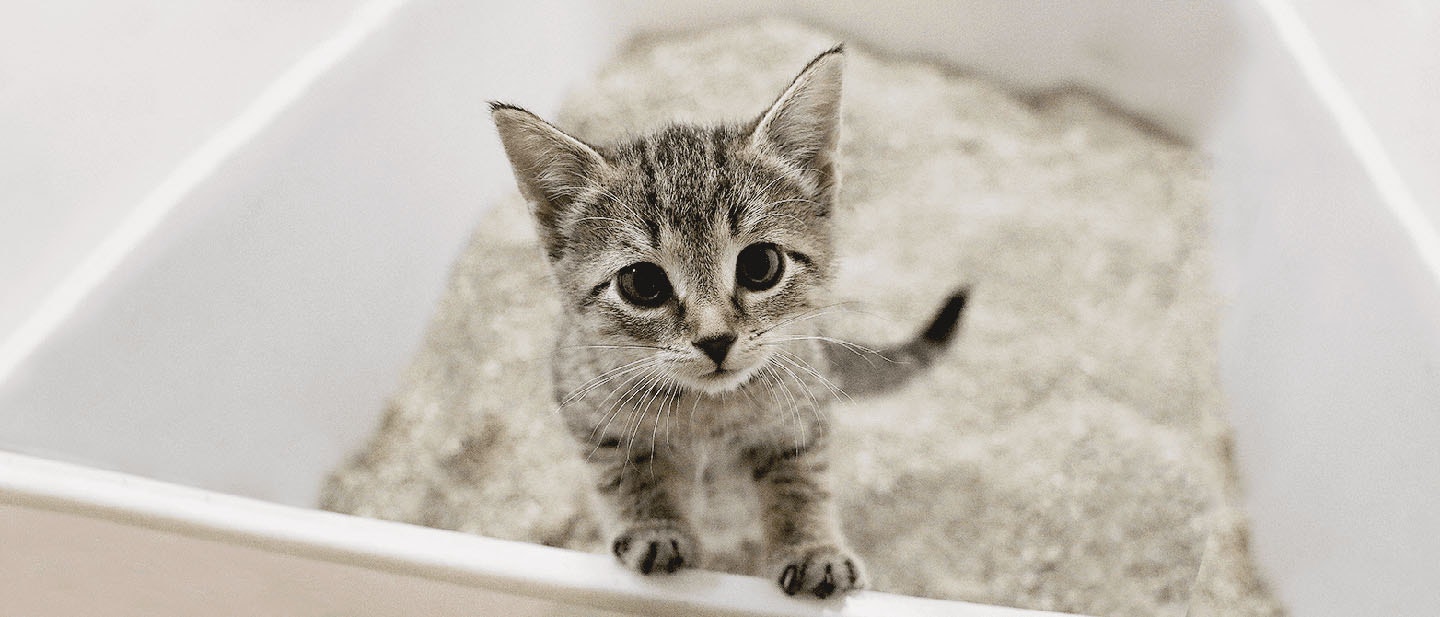
Kittens watch their mother to learn litter habits. The mother cat shows them where and how to go. Kittens copy her by digging and burying their waste. This learning happens in the first few weeks of life. If the mother uses a litter box, kittens will too. Early exposure helps kittens adopt good bathroom habits fast. This natural teaching reduces the need for extra training from owners.
Credit: www.whiskas.com.ph
When Training Might Be Needed
Cats usually learn to use the litter box naturally. Most kittens start using it before they leave their mother. Yet, some cats may need extra training. Problems can happen for different reasons. Recognizing when training is needed helps keep your home clean and your cat happy.
Common Litter Box Issues
Some cats avoid the litter box due to:
- Dirty or smelly litter boxes
- Wrong type of litter or box size
- Stress or changes in the home
- Health problems like urinary infections
- Fear of loud noises near the box
These issues can cause accidents outside the box. Fixing the problem often needs patience and training.
Signs Your Cat Needs Help
Watch for these signs that show your cat might need training:
- Going outside the litter box often
- Scratching around the box or on furniture
- Avoiding the litter box completely
- Changes in bathroom habits or frequent visits
- Strong smells around the house
These signs mean the cat may be stressed, sick, or confused. Early action helps fix these problems quickly.
Choosing The Right Litter Box
Choosing the right litter box plays a key role in a cat’s potty training. Cats prefer comfort and privacy while doing their business. The right box encourages good habits and keeps your home clean. Size, style, and placement matter. Understanding these factors helps you pick the best option for your feline friend.
Types Of Litter Boxes
Many litter box types exist to fit different cat needs. Open boxes are simple and easy to clean. Covered boxes offer privacy and reduce odor. Self-cleaning boxes save time but can be noisy. There are also top-entry boxes that limit litter tracking. Consider your cat’s size and habits before choosing.
- Open Litter Box: Easy access and cleaning.
- Covered Litter Box: Privacy and odor control.
- Self-Cleaning Box: Low maintenance, but can scare shy cats.
- Top-Entry Box: Prevents litter scatter and keeps dogs out.
Placement Tips
Where you put the litter box matters a lot. Cats need a quiet spot away from noise and heavy traffic. Avoid placing near their food or water dishes. Good ventilation helps control smells. Ensure the box is easy to reach, especially for kittens or older cats. Multiple cats need multiple boxes placed in different locations.
- Choose a quiet, low-traffic area.
- Keep away from food and water bowls.
- Ensure good airflow to reduce odors.
- Place boxes on stable, flat surfaces.
- Provide one box per cat, plus one extra.

Credit: www.purina.com
Selecting Suitable Litter
Choosing the right litter is a crucial step in potty training your cat. The litter you select can influence your cat’s comfort and willingness to use the litter box consistently. It’s not just about convenience; it’s about understanding what works best for your furry friend.
Different Litter Materials
There are several types of litter materials available, each with its own pros and cons. Clay-based litters are popular due to their clumping ability, which makes cleaning easier. However, they can be dusty and may cause allergies for some cats and owners.
Natural options like corn, wheat, or pine litters are biodegradable and often less dusty. These are great if you’re environmentally conscious but might not clump as tightly as clay. Silica gel crystals are another choice; they control odor well and last longer but can feel unusual under your cat’s paws.
- Clay:Good clumping, can be dusty
- Natural (corn, wheat, pine):Eco-friendly, less dusty
- Silica gel crystals:Great odor control, long-lasting
What Cats Prefer
Have you noticed your cat’s reaction to different textures? Cats are particular about the feel under their paws. Many prefer fine-grained, soft litter because it mimics natural sand or soil.
Strong scents might repel some cats, even if the smell is pleasant to you. Unscented litters often work better because cats rely heavily on scent to feel safe. If your cat avoids the box, consider testing a few litters with different textures and scents to see what they like.
Think about your cat’s habits: does your cat like to dig deeply or just scratch the surface? Matching the litter texture to these preferences can make potty training smoother. Your cat’s comfort is a key factor in encouraging consistent use.
Training Techniques That Work
Training your cat to use the litter box effectively involves a few simple yet crucial techniques. These methods focus on creating a positive experience for your cat and handling any mishaps calmly. The goal is to make the litter box the obvious and comfortable choice for your feline friend.
Introducing The Litter Box
Place the litter box in a quiet, easily accessible spot where your cat feels safe. Avoid busy or noisy areas that might scare your cat away from using it. Show your cat the box by gently placing them inside after meals or naps to build the habit.
Keep the litter box clean—cats are very particular about hygiene. Scoop waste daily and change the litter regularly to prevent odors. You might notice your cat sniffing around or pawing near the box; these are good signs they’re getting familiar with it.
Positive Reinforcement
Reward your cat immediately after they use the litter box with gentle praise or a small treat. This helps your cat link the behavior with something positive. Avoid punishment as it can create fear and confusion.
Consistency is key. Offer praise every time your cat uses the box correctly, especially during the early days. You can also use clicker training or soft verbal cues to reinforce good habits.
Handling Accidents
If your cat has an accident outside the box, clean the area thoroughly with an enzymatic cleaner to remove any scent. This prevents your cat from returning to the same spot. Never scold your cat; instead, gently guide them back to the litter box.
Try to identify any triggers like stress, changes in environment, or health issues that might cause accidents. If accidents continue, consider consulting your vet to rule out medical problems. Patience and calm responses help your cat feel safe and more willing to learn.
Health Factors Affecting Bathroom Habits
Bathroom habits in cats can reveal a lot about their health. Changes in how often or where your cat urinates or defecates might be signs of underlying health issues. Paying attention to these habits can help you catch problems early and keep your cat comfortable and happy.
Medical Conditions To Watch For
Some medical conditions can cause your cat to avoid the litter box or change bathroom habits. Urinary tract infections (UTIs) are common and often cause frequent, painful urination. Kidney disease might make your cat drink and urinate more than usual.
Other health issues include constipation, diabetes, and bladder stones. These conditions can make it hard for your cat to use the litter box properly. If your cat suddenly starts urinating outside the box, it’s important to consider these possibilities.
When To Consult A Vet
If you notice your cat peeing or pooping outside the litter box, don’t ignore it. This behavior might be a cry for help from your pet. Look for signs like straining, blood in the urine, or excessive licking of the genital area.
Contact your vet if the bathroom habits change suddenly or persist for more than a day or two. Early diagnosis and treatment can prevent serious health problems. Your vet can also guide you on whether the issue is medical or behavioral and suggest the best next steps.
Maintaining A Clean Environment
Keeping your cat’s potty area clean is key to their comfort and health. A fresh and tidy litter box encourages your cat to use it consistently, reducing accidents around your home. Plus, a clean environment helps you avoid unpleasant smells and potential health issues for both you and your furry friend.
Cleaning Frequency
How often should you clean the litter box? Ideally, scoop out clumps and waste daily. This simple habit keeps the box inviting and reduces bacteria buildup.
Beyond daily scooping, a full litter change and box wash should happen about once a week. Using mild soap and warm water works best—harsh chemicals can deter your cat from using the box.
Notice your cat avoiding the litter box? It might be time to clean more often. Cats are sensitive to dirty environments, so paying attention to their behavior helps you adjust cleaning frequency.
Reducing Odors
Odors can quickly become a problem, especially if you have multiple cats. One effective way to reduce smells is adding a layer of baking soda under the litter. It naturally absorbs odors without harming your cat.
Choosing the right litter also makes a huge difference. Clumping litters trap waste and odors better than non-clumping ones. Some litters even include natural deodorizing ingredients.
Ventilation matters too. Placing the litter box in a well-ventilated area helps keep the air fresh. Have you tried opening a window or using a small fan nearby? These small changes can improve the smell drastically.
Credit: www.crookedriverroundupfoundation.org
Tips For Multi-cat Households
Managing litter boxes in a multi-cat household can be a challenge, but it doesn’t have to be stressful. Cats are particular about their bathroom habits, and a little planning can prevent problems before they start. Let’s look at practical tips to keep your cats comfortable and your home clean.
Number Of Litter Boxes
Each cat needs their own litter box, plus one extra. So if you have three cats, aim for four litter boxes. This reduces competition and gives each cat a backup option.
Place the boxes in different quiet spots around your home. Avoid clustering them together, as cats prefer privacy and may avoid a box near another cat’s territory.
Think about the type of litter box too. Some cats prefer covered boxes, while others like open ones. Watch how your cats react and adjust accordingly.
Avoiding Conflicts
Watch for signs of tension near litter boxes, such as growling or blocking access. If this happens, try moving boxes further apart to create separate “bathroom zones.”
Keep boxes clean by scooping daily and changing litter regularly. A dirty box can trigger fights or cause cats to go elsewhere.
Consider adding calming aids like pheromone diffusers if your cats seem stressed. These can reduce anxiety and help prevent disputes around litter areas.
Have you noticed your cats avoiding a box or marking outside the litter? These could be clues that conflicts or stress are at play.
Frequently Asked Questions
Do Cats Naturally Use A Litter Box?
Yes, most cats instinctively use a litter box due to their natural burying behavior. This instinct makes them clean and easy to train. However, some guidance may be needed for kittens or cats unfamiliar with litter boxes. Observing their habits and providing a clean, accessible box can help.
How Do I Introduce A Litter Box?
Place the litter box in a quiet, accessible area. Show your cat where it is after meals and naps. Keep it clean to encourage use. If your cat is resistant, try different litter types or box styles to find what they prefer.
Patience and consistency are key.
What If My Cat Avoids The Litter Box?
If your cat avoids the litter box, check for cleanliness and placement. Stress, health issues, or changes in environment might be factors. Consult a vet to rule out medical problems. Experiment with different litter types or box locations to find what suits your cat best.
Can Older Cats Learn To Use A Litter Box?
Yes, older cats can learn to use a litter box with patience. Start by placing them near the box after meals. Reward them for using it. Gradually, they should adopt the habit. Consistency and encouragement play vital roles in teaching older cats new behaviors.
Conclusion
Cats usually learn to use the litter box on their own. They do not need strict potty training like dogs. Providing a clean, quiet place helps them feel comfortable. Watch for signs if your cat struggles, then guide gently. Patience is key to helping your cat adjust.
A happy cat means a happy home. Simple steps keep your cat healthy and your house clean. Easy and natural. That’s how cats prefer it.
